In an era defined by the rapid proliferation of generative artificial intelligence, Meta Platforms—the parent company of Facebook, Instagram, and WhatsApp—is signaling a significant pivot in its business model. Instagram Chief Adam Mosseri has confirmed that the company is actively developing a subscription-based framework for its most advanced in-app AI tools. This development marks a transition from the initial "free-to-explore" phase of AI integration toward a more sustainable, revenue-generating ecosystem designed to offset the astronomical costs of large-scale model deployment.
For the casual user, this means that the days of unlimited, free access to cutting-edge generative image and video tools are likely numbered. As Meta grapples with the financial reality of running high-compute AI models, it is forced to choose between strict usage caps or paid tiers.
Main Facts: The End of "Free" AI
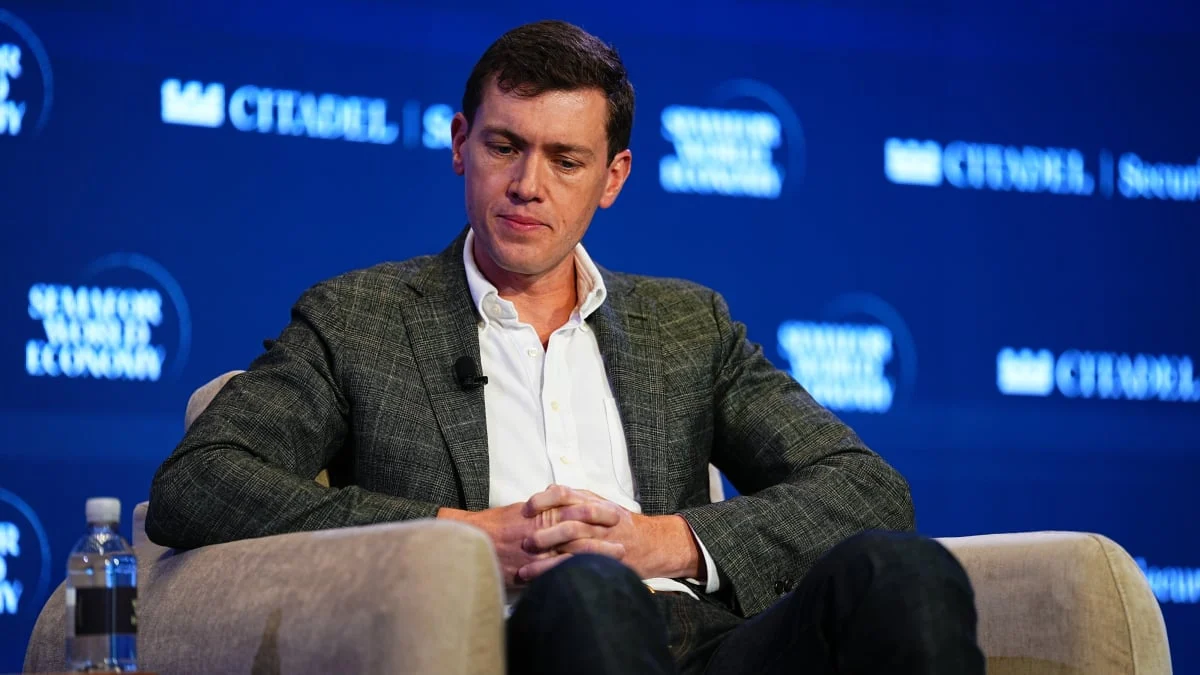
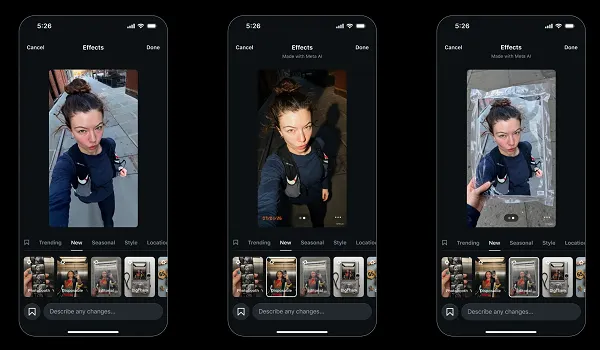
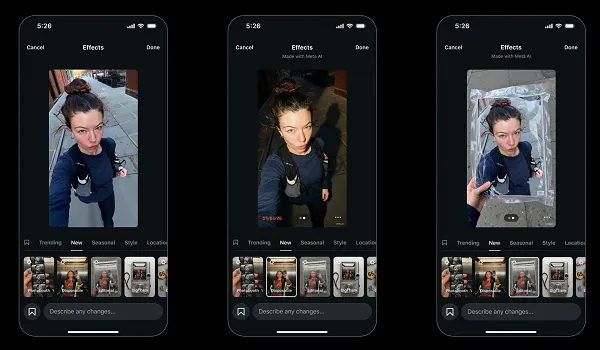
The core of Meta’s new strategy lies in the economics of Large Language Models (LLMs) and generative neural networks. During a recent weekly Q&A session on Instagram Stories, Adam Mosseri addressed growing user frustration regarding usage limits on the platform’s latest AI-driven image and video generation features.
Mosseri was candid about the operational hurdles: "Basically, these AI models are very expensive to run. We try to offer them for free, but we have a cap on how many times you can use them per day. Eventually, you’re going to be able to subscribe to get access to more. We’re working on that right now."
Key takeaways from this announcement include:
- Capacity Throttling: Meta has already begun implementing usage limits on specific AI-powered creative effects, particularly those running on its advanced "Muse" image model.
- The Subscription Pivot: Rather than removing features entirely, the company intends to place them behind a paywall, likely integrated into existing or future subscription bundles.
- Operational Sustainability: The move is a direct response to the "cost-per-inference" reality. Running generative AI requires massive GPU clusters that consume significant electricity and demand expensive hardware maintenance.
Chronology: How Meta Arrived at the Subscription Model
Meta’s journey toward monetizing AI did not happen overnight. It is the result of a multi-year, multi-billion-dollar investment cycle.
2022–2023: The Investment Phase
Following the explosive public debut of ChatGPT, Meta pivoted its corporate identity and capital expenditure (CapEx) strategy toward AI. Mark Zuckerberg famously dubbed 2023 the "Year of Efficiency," which, paradoxically, involved massive spending on AI infrastructure to ensure Meta would not fall behind competitors like Google and OpenAI.
Early 2024: The Testing Ground
Meta introduced various AI features into its ecosystem, including the Meta AI chatbot and creative studio tools. During this period, the company focused on user adoption, offering these features for free to build brand affinity and gather training data.
Late 2024: The "Meta One" and "Instagram Plus" Rollouts
Meta began experimenting with bundled subscription services. The "Meta One" package, which offers advanced features for Meta Ray-Ban smart glasses users, served as a blueprint. For instance, the "Conversation Focus" feature is now restricted for non-subscribers, who are limited to a mere three hours of usage per month.
Present Day: Explicit Monetization
With the recent confirmation from Mosseri, the company has moved from "soft launches" to a hard strategy. The company is now actively transitioning its user base to expect that advanced creative capabilities—such as high-fidelity video generation or complex image editing—will eventually require a paid subscription.
Supporting Data: The Cost of the AI Revolution
To understand why Meta is charging for these tools, one must look at the firm’s balance sheet. Meta has committed hundreds of billions of dollars to its AI infrastructure.
- CapEx Explosion: In 2024, Meta’s capital expenditure reached record levels, driven largely by the purchase of tens of thousands of NVIDIA H100 GPUs. These chips are the "engines" of generative AI, but they are incredibly expensive to procure and even more expensive to keep powered 24/7.
- The "Cost-per-Inference" Problem: Every time a user generates an image or asks a chatbot a complex question, Meta incurs a marginal cost. In software, this is usually negligible. In generative AI, this is a significant expense that scales linearly with user growth.
- Subscription Models vs. Ad Revenue: Historically, Meta’s revenue has been derived from advertising. However, AI-generated content does not always lend itself to traditional ad placement. Subscription models provide a predictable, recurring revenue stream (ARR) that is less volatile than the ad market, allowing Meta to hedge against the high development costs of its "Llama" and "Muse" model series.
Official Responses: Balancing Accessibility and Economics
Adam Mosseri’s stance highlights the tension between the company’s mission to be a global platform and the reality of its cost structures. He noted that Meta would ideally prefer to keep all features free, but the "servers add up."
The company’s messaging has been consistent: AI is a luxury service. By positioning these tools as "premium" add-ons, Meta is attempting to normalize the idea that AI is not a utility like search, but a creative service akin to professional software suites like Adobe Creative Cloud.
Analysts suggest this approach is designed to prevent "sticker shock." By starting with usage caps, Meta is training users to appreciate the value of the tool before asking them to pay for it. If a user finds they have hit their limit, they have already integrated the tool into their workflow, making the decision to subscribe a rational one.
Implications: What This Means for the Digital Landscape
1. The Stratification of Content Creation
The most immediate implication is the creation of a "two-tier" creative class on Instagram. Users who pay will have access to high-end, AI-assisted video editing and image generation, potentially leading to higher-quality, more viral content. Free users may find themselves relegated to legacy tools, potentially widening the gap in reach and engagement.
2. Market Impact on Competitors
Meta’s move validates the subscription models currently employed by OpenAI (ChatGPT Plus), Midjourney, and Perplexity. By normalizing paid AI, Meta is effectively setting a price floor for the industry, signaling to the market that generative AI is a premium product, not a commodity.
3. The Future of Meta’s Revenue Streams
If successful, this transition could fundamentally alter Meta’s valuation. Investors have long been concerned about the ROI of Meta’s AI spending. If the company proves that it can convert its billions of active users into a smaller subset of high-paying "Pro" subscribers, it could solve the "AI ROI" problem that has plagued Big Tech for the last 24 months.
4. User Sentiment and Churn
The risk, of course, is user backlash. Instagram’s strength lies in its ubiquity. If the platform becomes too aggressive with paywalls, it risks alienating its core demographic—Gen Z and Millennials—who are accustomed to free access to social media features. Meta must strike a delicate balance between "throttling" and "value creation" to ensure that the subscription experience feels like a luxury, not a tax on participation.
Conclusion: A New Era for Social Platforms
The transition toward a paid model for AI is the most significant shift in Meta’s history since the move to mobile-first advertising. As Adam Mosseri and his team continue to iterate on the "Instagram Plus" and "Meta One" packages, users should prepare for a future where their social feeds are segmented by their willingness to pay for compute power.
Whether this move will increase overall revenue or inadvertently push users toward competitors remains to be seen. However, one thing is certain: the era of "free" infinite AI generation is coming to an end. The future of social media will be defined not just by who has the most followers, but by who has the subscription power to leverage the most advanced creative tools at their disposal. Meta has placed its bet; now, the market will decide if the cost of intelligence is one that consumers are willing to bear.