

By Editorial Staff
June 2, 2026
In the sprawling, neon-soaked pantheon of 1980s pop culture, few icons possess the raw, plastic-molded kinetic energy of He-Man. For a generation of Gen-Xers and elder Millennials, the "Masters of the Universe" brand represents a foundational pillar of Saturday morning television. Yet, as director Travis Knight’s highly anticipated live-action adaptation prepares to hit theaters this weekend, the film finds itself wrestling with a fractured identity: is it a sincere, high-fantasy adventure for a new generation, or a cynical, meta-commentary designed for the irony-poisoned adult?
Main Facts: The New Face of Grayskull
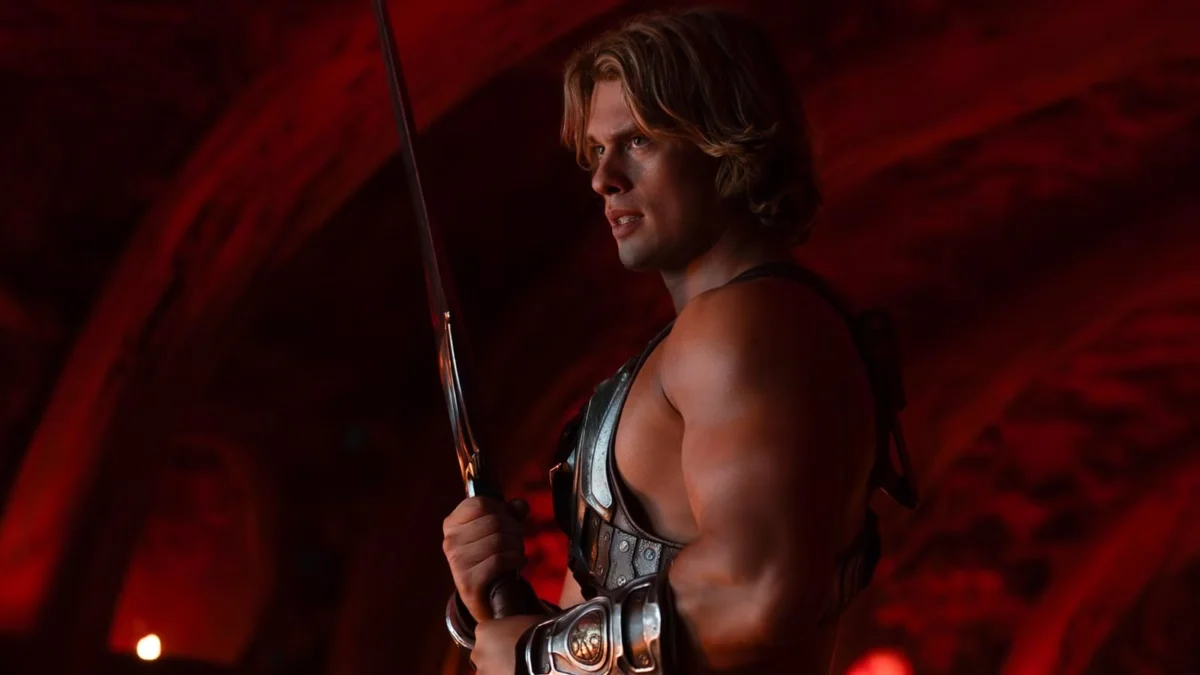
Travis Knight, the visionary director behind the critically acclaimed Kubo and the Two Strings and the refreshing Bumblebee, has taken the helm of the Amazon MGM Studios production. The film stars Nicholas Galitzine as Prince Adam, the sheltered heir to the throne of Eternia, who must reconcile his mundane existence on modern-day Earth with his destiny as the savior of a magical realm.
The film’s greatest asset—and perhaps its most jarring element—is its antagonist. Jared Leto delivers a transformative performance as Skeletor, portraying the iconic villain with a blend of theatrical camp and genuine menace. Accompanied by Alison Brie’s acerbic, scene-stealing Evil-Lyn, the villains provide the film’s most memorable beats. However, the film is hampered by a tonal dissonance that pits earnest, synth-heavy 80s nostalgia against a "Marvel-ified" structure that feels compelled to wink at the audience every time a sword is drawn.
Chronology of an Eternian Odyssey
The narrative arc of the film is a study in tonal whiplash. The story begins with a prologue on Eternia, featuring Artie Wilkinson-Hunt as a young Prince Adam. These early scenes are arguably the film’s strongest, utilizing a vibrant, practical-effects-heavy aesthetic that calls back to the golden age of Amblin entertainment. We see King Randor (James Purefoy) tasking the formidable Duncan (Idris Elba) with tempering his son’s soft nature.
This domestic drama is violently interrupted by Skeletor’s coup, forcing Adam to flee through a wormhole to Earth. The film then performs a "hard cut" to the modern day, where Adam is a mid-twenties office worker struggling with the banality of performance reviews and awkward dating scenarios.
The middle act of the film functions as an extended fish-out-of-water comedy, where Adam’s inability to integrate his royal heritage into his 9-to-5 life provides both humor and frustration. The film finally pivots back to high-fantasy when an adult Teela (Camila Mendes) arrives on Earth, bridging the gap between Adam’s two lives and setting the stage for the inevitable, beef-cake-heavy return to the battlefield.
Supporting Data: The Nostalgia Economy
The strategic positioning of Masters of the Universe by Mattel and its studio partners mirrors the "Barbie" playbook from three years ago. Like Greta Gerwig’s 2023 hit, this film is laden with post-modern nods to the toy line’s history. However, the data suggests a fundamental hurdle: Barbie is a trans-generational brand that has evolved with the culture. He-Man, conversely, remains largely tethered to a specific moment in the mid-80s.
The Breakdown of Tone
- The "Kubo" Influence: Knight’s commitment to tangible, practical production design—visible in the grand, gaudy castles and intricate armor—creates a visual feast that honors the source material’s "toy-etic" roots.
- The "Thor" Problem: The film falls into the trap of constant self-sabotage. Emotional beats, such as Adam’s internal struggle with the toxic expectations of "manhood," are undercut by a barrage of gags. The inclusion of sophomoric humor regarding the character "Fisto" (Jóhannes Haukur Jóhannesson) highlights a recurring issue: the script is unsure if it wants to be a heroic epic or an Austin Powers-style parody.
- Performance Metrics: While Galitzine and Mendes are physically and charismatically suited for their roles, they are often left to navigate a script that refuses to let the audience take the stakes seriously.
Official Responses and Creative Intent
In pre-release press junkets, Travis Knight has maintained that his goal was to capture the "sincerity of a child’s imagination." Knight has openly discussed his love for the Spielberg-era classics, aiming to provide a film that allows today’s children to experience the same sense of wonder that defined his own childhood.
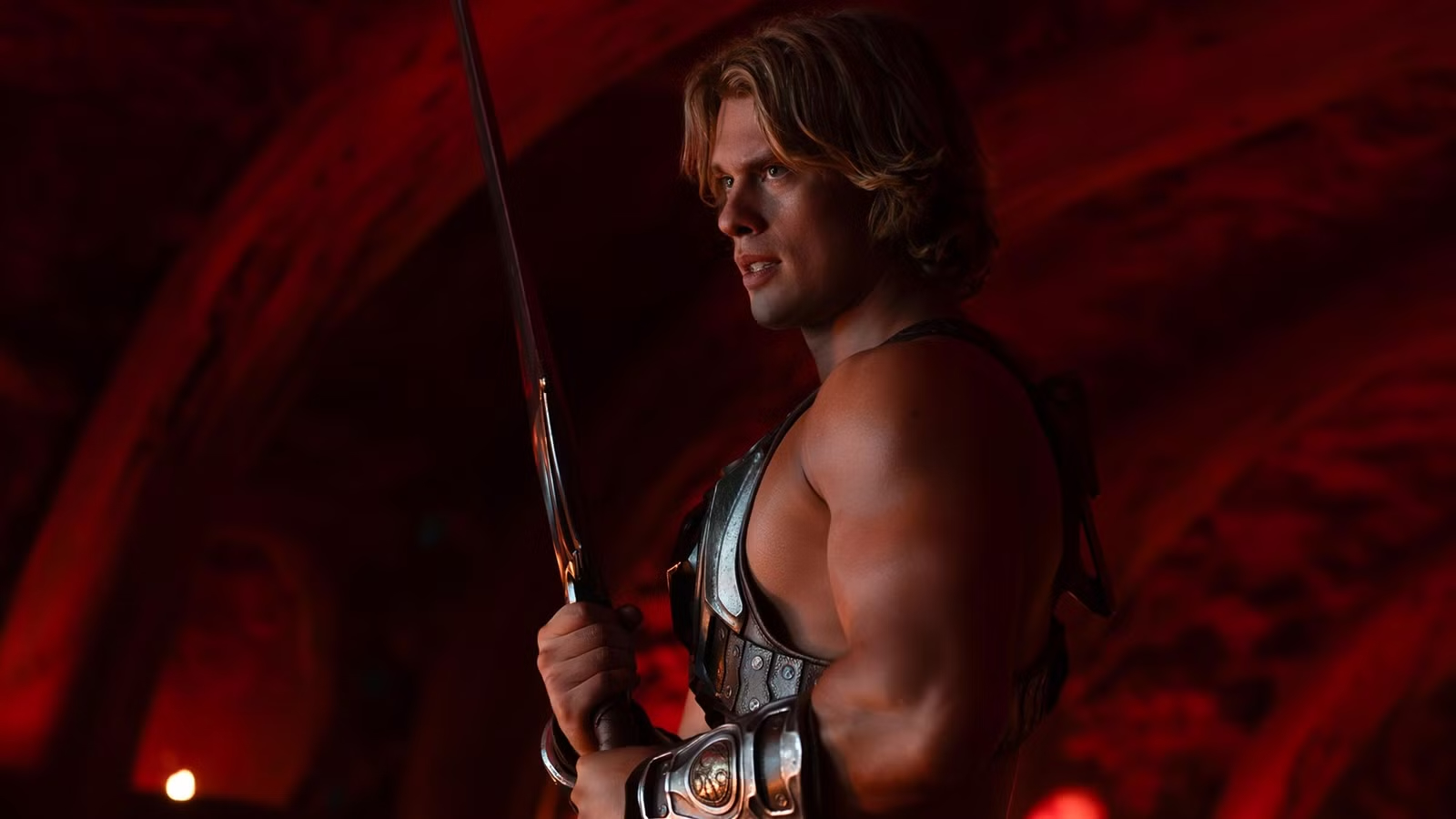
"The power of Grayskull isn’t just about strength; it’s about the conviction to protect what you love," Knight noted during the press call. However, executives at Amazon MGM have signaled that the "meta" layers were a specific, calculated decision to appeal to the "kidults"—the aging fanbase with the disposable income to drive opening-weekend box office numbers. This split focus represents the core tension: the studio wants a blockbuster for children, while the marketing team wants a viral sensation for adults.
Implications: The Future of Legacy Franchises
The implications of Masters of the Universe extend beyond the fate of a single film. It asks a vital question for Hollywood: Can a franchise defined by 1980s Saturday morning simplicity survive the modern, cynical lens of the 2020s?
1. The "Museum Piece" Risk
If a film spends more time apologizing for the inherent silliness of its source material than embracing it, it risks becoming a "museum piece"—a static, irony-drenched exercise that feels disconnected from the very children it seeks to entertain. If today’s youth don’t connect with the earnest heart of He-Man, the franchise will remain a captive of the nostalgic adult market.
2. The Failure of Emotional Cohesion
The film’s inability to commit to a singular tone—alternating between a heartfelt hero’s journey and a snarky, self-aware comedy—suggests that studios are still struggling to balance intellectual property management with genuine storytelling. When the humor is used as a shield against potential criticism, it prevents the audience from forming a lasting emotional bond with the characters.
3. The Path Forward
Despite its structural flaws, the film succeeds in flashes of brilliance. When the camera lingers on the synth-heavy, bombastic score by Daniel Pemberton, or when Leto and Brie are allowed to chew the scenery without a punchline following them, the movie feels like a genuine, modern-day fantasy epic.
Conclusion
Masters of the Universe arrives in theaters on June 5 with the weight of a franchise on its shoulders. It is a film that wants to be both a toy commercial and a deconstruction of masculinity, a sincere love letter to the 80s and a biting satire of the same era.
Ultimately, the film is a mirror of its protagonist: a young man caught between two worlds, struggling to find the balance between his duty and his identity. If the audience can look past the cynical winks and the tonal shifts, there is enough "power" in the practical effects, the performances of the villains, and the visual direction of Travis Knight to make it a worthwhile experience. However, the film serves as a cautionary tale for future adaptations: sometimes, the most heroic thing a director can do is to trust the story and leave the irony at the door.
For those who grew up shouting "I have the power!" into their living rooms, this film offers a nostalgic, albeit messy, return to Eternia. Whether it has the staying power to enchant a new generation remains to be seen.











No comments yet. Be the first to join the conversation!