


In the digital age, where instant gratification is the currency of the internet, the "To-Be-Read" (TBR) pile is often viewed with a sense of shame. We catalog our literary aspirations on apps like Goodreads or StoryGraph, watching the numbers climb into the hundreds—or thousands—with a mix of ambition and mounting guilt. However, a growing movement of bibliophiles is reframing this collection not as a monument to procrastination, but as a vital intellectual resource: the "anti-library."
The Philosophy of the Unread
The term "anti-library" was famously coined by Italian philosopher Umberto Eco and later popularized by risk analyst and author Nassim Nicholas Taleb in his seminal work, The Black Swan. The concept is simple yet profound: a library should not be a trophy case of what you have already mastered, but a collection of what you do not yet know.
Taleb argues that read books are far less valuable than unread ones. The anti-library represents the breadth of one’s curiosity and the vastness of the unknown. As our financial means and living spaces allow, we should fill our shelves with books that challenge us, keeping the "menacing" rows of unread titles as a constant reminder of the intellectual journey ahead. For the modern reader, especially in the rapidly evolving genre of Science Fiction and Fantasy (SFF), this isn’t just a luxury; it is a survival mechanism.
Chronology of a Reader’s Journey: From Tolkien to Today
The trajectory of a reader’s anti-library is often a timeline of their life, punctuated by shifts in taste, medium, and accessibility.
The Foundation: Classic Gaps
For many SFF writers and enthusiasts, there is an unspoken pressure to have read the "canon." For years, admitting to an incomplete reading of J.R.R. Tolkien’s The Lord of the Rings felt like a professional heresy. Yet, the "gap" in one’s reading history often serves as a vessel for future shared experiences. By waiting to engage with these texts, readers often find the opportunity to experience them alongside the next generation. Whether it is through the immersive medium of audiobooks—often a savior for those with learning differences or busy schedules—or reading aloud to children, the delayed read transforms a solitary task into a communal ritual.
The Middle Years: The Persistent TBR
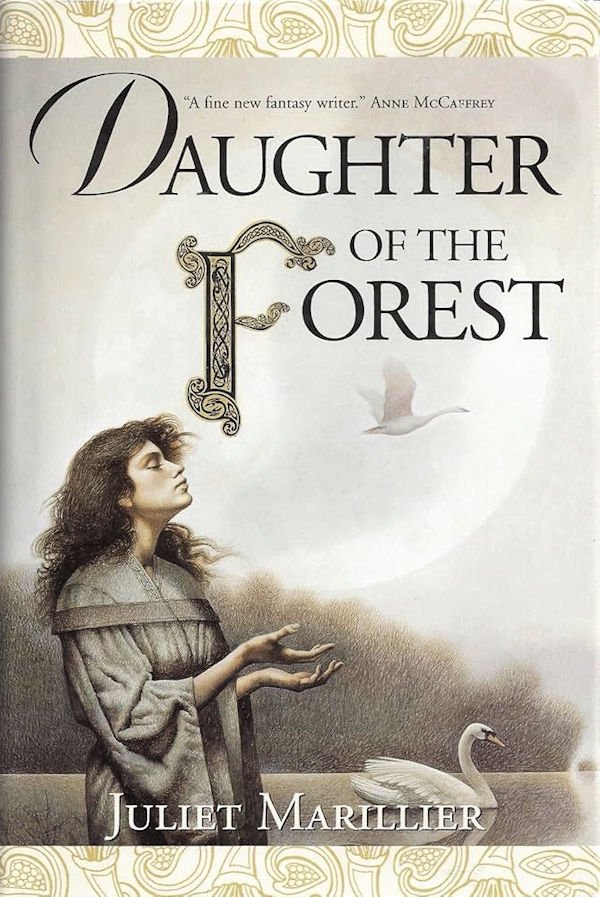
As the reader moves into their middle years, the anti-library becomes a repository of "books that got away." Authors like Juliet Marillier, whose debut Daughter of the Forest has been a staple of fantasy recommendations for decades, often sit in the anti-library for years due to the constraints of time, money, or the simple "new and shiny" bias of the publishing industry.

The shift from physical paperbacks to digital formats and audiobooks has allowed many to finally chip away at these long-standing gaps. Technology has bridged the distance between the reader and the shelf, turning forgotten titles into bedside companions during daily chores or commutes.
The Long Game: Revisiting the Classics
Then there are the "old friends"—the books purchased in one’s youth that have been moved from apartment to apartment, state to state, for decades. Tad Williams’ Osten Ard saga, particularly The Dragonbone Chair and its massive sequel To Green Angel Tower, serves as a perfect example. For many, these books were acquired during the excitement of a new release, only to be shelved indefinitely. Returning to these works decades later, with the maturity to appreciate the world-building and the historical weight of the series, provides a unique, nostalgic, and often revelatory experience that a first-time read in youth could never provide.
Supporting Data: The Impact of the Anti-Library
The psychological benefit of maintaining an extensive, unread collection is rooted in the concept of "preparedness."
- Intellectual Flexibility: Readers who maintain diverse anti-libraries report higher levels of "intellectual humility." By acknowledging the massive amount of knowledge they have yet to acquire, they are more open to new genres and perspectives.
- The "Moody Reader" Effect: Many avid readers identify as "mood readers," meaning their choice of book is dictated by emotional or intellectual needs at a specific moment. An anti-library acts as a curated selection of potential futures, ensuring that when the "mood" strikes, the perfect book is already on hand.
- Discovery of Hidden Gems: As demonstrated by the recent rise in indie fantasy, the anti-library is the perfect place to incubate interest in smaller authors. Titles like Rachel Neumeier’s Tuyo series often remain on TBR lists for years before being discovered, only to provide the reader with a deep, long-form commitment that they never anticipated.
Official Perspectives and Industry Trends
Publishing industry analysts have noted a shift in how readers consume content. With the saturation of the SFF market, readers are becoming more selective. While the volume of new releases continues to surge, the "backlist" (books published in previous years) is seeing a resurgence in popularity.
"The anti-library is a hedge against the ephemeral nature of current trends," says literary critic Dr. Elena Vance. "When readers rely solely on what is currently ‘trending’ on social media, they lose the ability to curate their own intellectual development. The anti-library is an act of defiance against the algorithm."
Furthermore, the rise of the "indie-fantasy" movement has added a new layer to the anti-library. Because indie authors often produce series at a faster clip than traditional publishing, readers find themselves with a sprawling, ever-expanding list of potential reads. This has led to the development of better digital tracking tools, allowing readers to manage their "unread" status with greater efficiency, turning the anxiety of a large TBR into a manageable map of future adventures.
Implications: The Library as a Part of the Self
Ultimately, the implications of maintaining an anti-library extend beyond the physical books on the shelf. These volumes represent the person the reader hopes to become.
Emotional Resilience
In times of personal or global crisis, a large, unread library serves as a "lifeline." It is a promise of future comfort. Knowing that one has a shelf full of potential worlds to escape into provides a sense of security that is difficult to quantify but deeply felt.
A Legacy of Curiosity
As readers curate their collections—whether they include Jennifer Roberson, Jacqueline Carey, or Victoria Goddard—they are creating a record of their intellectual curiosities. Each book added to the anti-library is an entry in a journal of interests. To look at one’s shelves is to look at a history of one’s own mind.
The Verdict
The guilt associated with the "unread" must be discarded. In a world that demands we finish what we start, the anti-library is a space of freedom. It is a space where the books do not demand labor, but offer potential. It is a testament to the belief that learning is a lifelong process, and that the best is often yet to come.
If you find yourself looking at your towering stacks of unread books with a sense of unease, take heart. You are not failing; you are simply building a richer, more expansive future for yourself. After all, what better place to live, to grow, and to dream than inside a library—even one you haven’t finished reading yet?









No comments yet. Be the first to join the conversation!