Rifan Muazin
The landscape of American network television is undergoing a seismic shift. For nearly two decades, The CW served as the definitive home for original teen dramas, supernatural mysteries, and ambitious superhero sagas. It was a network defined by a specific, fervent aesthetic—a destination where the high-stakes world of high school football collided with the cosmic threats of the Arrowverse. However, this summer, that chapter of television history reaches its final page.
The network has officially confirmed that its high-school football drama, All American, will conclude with its upcoming eighth season. While the end of any long-running series is a poignant moment for its dedicated fanbase, this particular finale carries a weightier significance: it marks the total extinction of The CW’s original scripted programming. With the exit of All American, the network effectively severs its last remaining tie to the production model that defined its existence from its inception in 2006.
A Legacy Defined by Storytelling
All American, which first premiered in 2018, stands as the final pillar of what many critics consider The CW’s last "Golden Era." When the series debuted, it entered a ecosystem populated by genre-defining titans such as Riverdale, The 100, Legacies, Walker, and the sprawling, interconnected tapestry of the Arrowverse.

The series, which helped launch the career of rising stars and brought seasoned talent like Taye Diggs to the forefront of the network’s brand, will conclude its run as one of the longest-running programs in the network’s history. With eight seasons in the books, All American joins an elite tier of CW legends, tying the episode counts of Arrow and The Vampire Diaries. Only Supernatural and The Flash managed to run longer, underscoring the sheer cultural footprint All American achieved during its tenure.
Chronology of a Network’s Transformation
To understand why the conclusion of All American is being treated as the end of an era, one must look at the timeline of the network’s evolution.
The WB/UPN Merger (2006)
The CW was born from the ashes of The WB and UPN. Inheriting cult classics like One Tree Hill and Smallville, the network carved out a unique niche by targeting the 18–34 demographic. For years, this strategy was fueled by a lucrative $1 billion streaming deal with Netflix, which allowed shows to find a second life online and develop global, multi-generational fanbases.

The Shift in Ownership (2022)
The pivot began in earnest in late 2022, when Nexstar Media Group acquired a 75% controlling interest in The CW from its previous co-owners, Paramount Global and Warner Bros. Discovery. The network had been operating at a persistent loss for years, serving primarily as a pipeline for studio-owned content that thrived on streaming platforms rather than linear television.
The Purge (2023–2025)
Following the acquisition, Nexstar implemented a mandate of "strict financial standards." This resulted in the rapid cancellation of virtually the entire original scripted lineup. By systematically eliminating these series, Nexstar sought to remove the heavy licensing fees paid to outside studios like CBS and Warner Bros. Today, the programming slate consists largely of unscripted series, co-productions—such as Sullivan’s Crossing—sports broadcasts, and cost-effective acquisitions like Law & Order Toronto: Criminal Intent.
The Economics of Content: Why Originals Were Cut
The decision to abandon original scripted programming was not merely a creative choice; it was a cold, calculated financial move. Under the previous ownership model, The CW was not intended to be a profit center; it was a loss leader designed to build value for the parent companies’ streaming services.

Nexstar, as the nation’s largest owner of local television stations, operates with a different objective. Chairman and CEO Perry Sook made it clear early on that the goal was to transform The CW into a profitable, sustainable entity. According to industry reports from The Hollywood Reporter, the cost of producing, marketing, and licensing high-budget scripted dramas was simply incompatible with Nexstar’s new, leaner business model.
By transitioning to unscripted content and international co-productions, the network has drastically lowered its overhead. While this shift has alienated a segment of the network’s traditional, younger demographic, it has stabilized the network’s bottom line, with the stated goal of achieving full profitability by 2025—a milestone that appears to be within reach.
The "Star Power" Strategy
One of the key lessons learned from All American’s success was the importance of bridging the gap between emerging talent and established stars. By casting Taye Diggs, a veteran of Private Practice, in a pivotal lead role, the network provided a sense of legitimacy that helped the show stand out in a crowded market.
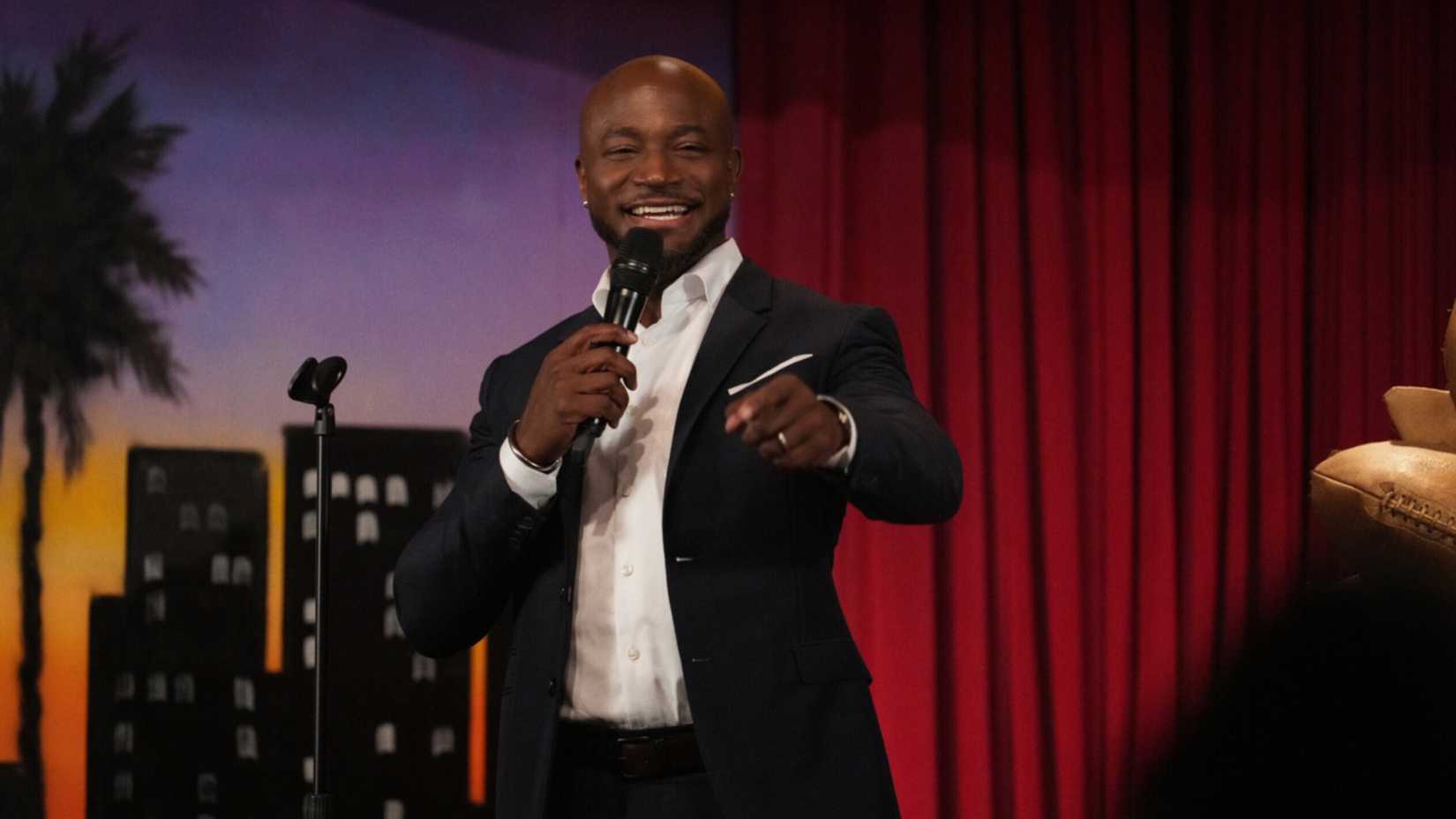
This was a time-tested strategy for The CW. They consistently leveraged the appeal of familiar faces to anchor their shows: Jesse L. Martin in The Flash, Victor Garber in Legends of Tomorrow, and Luke Perry in Riverdale. This "anchor" method allowed the network to nurture young, unknown actors in a safe, high-profile environment. All American proved that this formula still worked, and reportedly, Warner Bros. had hoped to keep the show going even as the network’s strategy changed. However, the costs simply became too high for the new owners to justify, even for a proven winner.
The Final Send-off
Recognizing the cultural weight of All American, the network has opted to give the show a grand, two-hour farewell. The final season premiere is slated for July 13, serving as a two-hour event that will honor the legacy of the series. For fans, this is the final opportunity to watch a "pure" CW show—a series that embodies the network’s signature blend of melodrama, athletic intensity, and emotional stakes.
While new viewers can still catch up on the first seven seasons via Netflix, the departure of the show will leave a void in the primetime schedule that is unlikely to be filled by similar scripted content.

Implications for the Future of Network TV
The end of All American signals more than just the end of a single show; it represents a fundamental change in the definition of a "broadcast network."
- The Death of the "Teen Drama" Pipeline: The CW was the last true bastion for the traditional teen soap opera. With no other major network investing in this genre with the same level of commitment, the teen drama may shift entirely to streaming services, where content is consumed in binge-sized chunks rather than weekly episodes.
- The Rise of the "Acquisition" Model: The CW’s current success with acquired shows—like The Conners and various international procedurals—suggests a future where broadcast networks act more as curators of existing content rather than incubators for new intellectual property.
- The End of Scripted Exclusivity: For years, The CW originals were synonymous with the network. As it pivots to co-productions and sports, the brand identity of the network will become increasingly diluted, potentially losing the loyal, niche audience that built it in the first place.
As the final season of All American unfolds, it will serve as a living monument to a bygone era of television. It was a time when a network could define its identity through the growth of its characters, the passion of its writers, and the shared excitement of a weekly release schedule. Whether The CW can thrive in its new incarnation remains to be seen, but one thing is certain: when the final whistle blows on the All American series finale, the last lights of the "Golden Era" will have flickered out, marking the definitive close of a remarkable chapter in the history of the medium.


 Layla Zulfa