Sagoh
Sagoh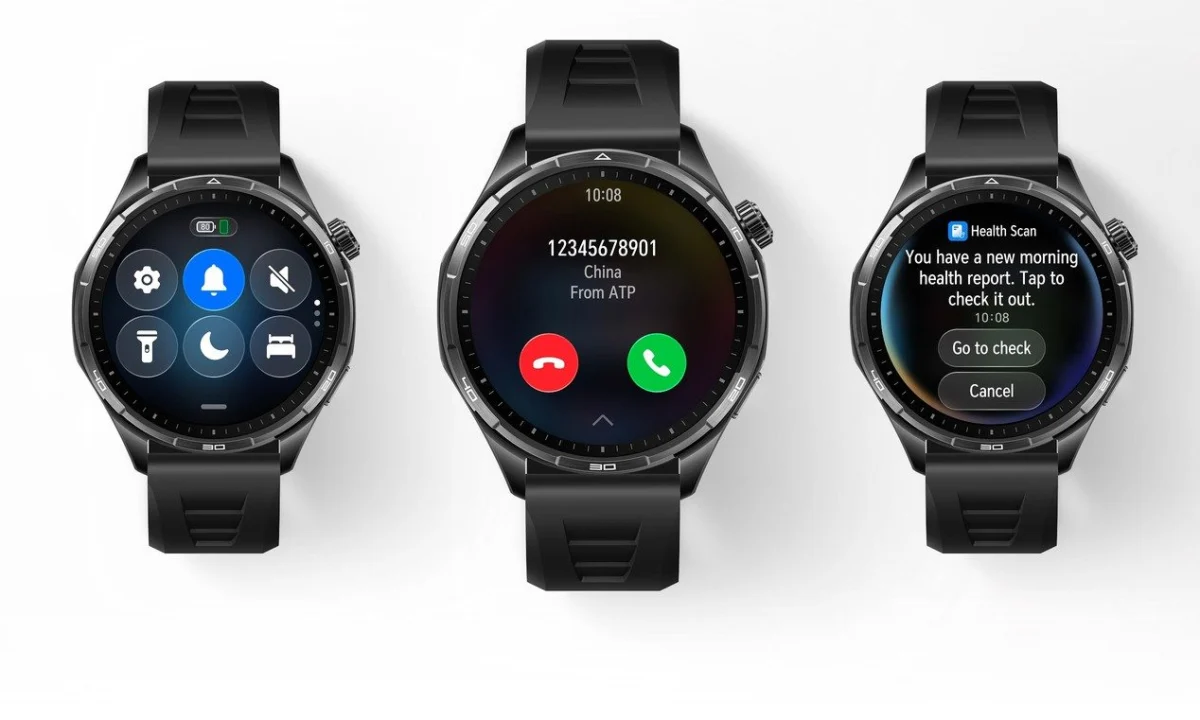
In an industry where the daily charging ritual has become an accepted, if begrudged, tax on the convenience of modern wearable technology, Honor has launched a direct challenge to the market leaders. The newly unveiled Honor Watch 6 arrives with a bold promise: to untether users from their charging cables for weeks at a time, without sacrificing the performance and aesthetic appeal expected of a premium smartwatch.
For owners of devices like the Apple Watch or various Wear OS-powered alternatives—where battery life is often measured in hours rather than days—the Honor Watch 6’s endurance figures are not just impressive; they are disruptive. By prioritizing efficiency and hardware optimization, Honor is aiming to capture the segment of the market that prioritizes utility and longevity over the ecosystem lock-in of tech giants.
Main Facts: Redefining the Battery Benchmark
The core narrative of the Honor Watch 6 is its exceptional battery management. While most flagship smartwatches require a nightly visit to the magnetic charger, the Watch 6 boasts a staggering 35-day battery life under "long-endurance" conditions. Even for users who demand more from their device, the "regular use" threshold sits comfortably at 17 days.

This performance is made possible by a high-capacity 980mAh battery. Despite this massive power density, the device manages to maintain a sleek profile, measuring just 10.8mm in thickness and weighing a modest 41 grams (excluding the strap). This engineering feat—packing such a substantial power cell into a lightweight, slim chassis—suggests that Honor has prioritized internal architecture as much as external design.
Key technical highlights include:
- Endurance: Up to 35 days (long-endurance), 17 days (standard), and 42 hours with continuous GPS.
- Display: A 1.46-inch Hybrid LTPS panel capable of 3,000 nits peak brightness.
- Build Quality: Stainless steel bezel, aluminum alloy case, and 5ATM/IP69 water and dust resistance.
- Connectivity: NFC payment support via Fidesmo (region-dependent).
Chronology: The Evolution of the Honor Watch Series
The release of the Watch 6 is the latest milestone in a calculated roadmap for Honor’s wearable division. Following the market reception of the Honor Watch 5 and the more rugged Watch 5 Ultra, the company identified a clear trend: consumers were becoming increasingly fatigued by the limitations of "smart" features that required constant power consumption.

The transition from the Watch 5 to the Watch 6 represents a shift in philosophy. While earlier iterations focused on standard health-tracking capabilities and typical smart-notification integration, the Watch 6 is clearly positioned as an outdoor-first, endurance-focused device. This progression suggests that Honor is pivoting away from trying to be a "mini-smartphone on your wrist" and instead leaning into the "dedicated performance tool" category, a space previously dominated by specialized brands like Garmin or Suunto.
Supporting Data: Why "Outdoor Partner" is More Than a Marketing Tag
Honor’s marketing materials emphasize the "outdoor partner" identity of the Watch 6, and the specifications support this claim.
Display Technology
The 1.46-inch Hybrid LTPS display is the star of the show for outdoor enthusiasts. The headline figure of 3,000 nits of peak brightness is exceptionally high for a wearable, ensuring that the watch remains readable under the harsh, direct glare of mid-day sun. This is a crucial feature for cyclists, hikers, and runners who often struggle with screen legibility on standard OLED panels.

Wet-Touch Responsiveness
One of the most persistent frustrations for athletes is the "phantom touch" or complete lack of responsiveness when a screen becomes wet. Whether from rain, heavy humidity, or sweat, moisture often renders touch-based interfaces unusable. Honor has addressed this with specialized wet-touch control technology, ensuring that the interface remains responsive even in the most grueling physical conditions.
Sport-Specific Analytics
Rather than relying on the "100+ workout modes" marketing trope—where many modes provide only generic calorie and heart-rate data—the Watch 6 provides deep-dive analytics for specific sports:
- Professional Football Mode: Beyond basic steps, the watch tracks top sprint speed, average speed, movement segments, and generates heat maps via the companion app. This level of granularity is rarely seen outside of dedicated GPS sports trackers.
- Professional Badminton Mode: This is a niche but significant inclusion. The watch captures swing speed, shot power, and distinguishes between forehand and backhand strokes, as well as specific technical movements like "smashes" and "clears."
Official Responses and Health Integration
Honor’s health-tracking suite, powered by their "Intelligent Sense System," includes blood pressure trend monitoring, morning health reports, and Quick Health Scans.

In a statement accompanying the launch, the company was careful to manage expectations, noting that "the watch is not a medical device." This is a standard but essential disclaimer in the current regulatory environment. Honor intends for these features to serve as tools for proactive health management and trend spotting rather than clinical diagnosis. This balanced approach—offering advanced health metrics while maintaining a clear boundary with professional medical equipment—is consistent with the strategies of most modern wearable manufacturers.
Implications: The Industry-Wide Ripple Effect
The release of the Honor Watch 6 has profound implications for the wearable industry.
The "Apple Watch Dilemma"
The industry has long been bifurcated: you have devices that are true "smartwatches" (Apple Watch, Pixel Watch) that offer deep app ecosystems but suffer from abysmal battery life, and "fitness trackers" that offer long battery life but lack the intelligence and app support of a full operating system.

Honor is attempting to bridge this divide. By offering enough "smarts" (NFC payments, detailed metrics, notifications) while achieving "tracker" battery levels, they are challenging the assumption that a high-performance smartwatch must be charged daily. If the market shifts to favor the Honor model, legacy tech giants may find themselves under pressure to significantly improve their power efficiency, potentially at the cost of the power-hungry, high-refresh-rate processors they currently favor.
The Rise of Specialized Wearables
The inclusion of specific football and badminton modes points to a broader trend: the "death of the generalist." Consumers are increasingly seeking devices that reflect their specific lifestyles. Whether it is a golfer wanting a watch that tracks swing tempo or a footballer wanting a heat map of their game, the demand for specialized, granular data is growing. Honor’s decision to cater to these niches suggests they understand that the future of the wearable market is not just in hardware, but in data interpretation.
Economic and Geographic Strategy
While pricing has not yet been finalized for all territories, the confirmation of UK and EU availability signals that Honor is making a serious play for the Western market. By utilizing the Fidesmo platform for NFC payments, they are ensuring that the watch remains a practical, daily-driver option for European consumers who rely on contactless payments.

Final Analysis: Is the Honor Watch 6 for You?
The Honor Watch 6 is not just another iterative upgrade; it is a statement of intent. For the average office worker, it offers a refreshing break from the "low battery" anxiety that defines the current generation of smartwatches. For the athlete, it offers a level of insight that was previously locked behind specialized, expensive, and often cumbersome hardware.
However, the success of the Watch 6 will ultimately depend on its software ecosystem. While hardware longevity is a massive win, the long-term utility of the watch will be determined by how well the companion app processes this data and how seamlessly it integrates with the user’s existing digital life.
As we look toward the latter half of the decade, the Honor Watch 6 serves as a compelling reminder that the best technology is often the kind that works in the background, requiring the least amount of maintenance from the user. If Honor can maintain this momentum, the days of the nightly smartwatch charge may finally be numbered. By focusing on the intersection of extreme battery endurance, rugged build quality, and niche-specific analytics, Honor has carved out a path that is not only competitive but arguably more aligned with what the modern, active user actually needs from their wrist-worn technology.


 Jia Lissa
 Ammar Sabilarrohman