


Published: July 6, 2026, 2:31 PM EDT
In an era often dominated by instant gratification and accessible gameplay, a distinct and revered category of video games continues to thrive: those that demand significant investment in patience, precision, and dedicated practice. While many players seek immediate thrills and rapid progression, a dedicated segment of the gaming community finds profound satisfaction in the slow burn, the meticulous mastery of demanding mechanics, and the ultimate triumph over seemingly insurmountable challenges. These are the "gems" that reward a little work with immensely greater rewards, transforming mundane moments of repetition into a deep, fulfilling sense of accomplishment.
The Core Appeal: Beyond Instant Gratification
The fundamental appeal of these games lies in their deliberate defiance of the mainstream trend towards immediate accessibility. Instead of streamlining difficulty, they embrace it as a core design principle. They don’t just offer challenges; they offer systems that require deep understanding, nuanced execution, and a willingness to learn from failure. This approach cultivates a different kind of engagement, fostering mental fortitude, strategic thinking, and unparalleled dexterity. The journey through these titles is often arduous, marked by numerous setbacks, but the eventual success is exponentially more rewarding, akin to mastering a complex musical instrument or achieving a difficult athletic feat.

As of 2026, while blockbusters like the Bayonetta series continue to offer exhilarating, fast-paced action, the market also demonstrates a strong appetite for titles that ask more of their players. Games that encourage players to savor hostile magical worlds, navigate painful gauntlets of precision platforming, or perfect intricate combat combos are not just surviving; they are flourishing, celebrating the unique human drive to overcome and excel.
A Chronology of Challenge: From Arcades to Modern Masterpieces
The philosophy of rewarding patience and precision is far from new in video games; it is, in many ways, a return to the medium’s roots. Early arcade games, designed to extract quarters through escalating difficulty, inadvertently trained generations of players in pattern recognition, reflex mastery, and the pursuit of high scores through repeated attempts. Classics like Space Invaders and Pac-Man were simple in concept but demanded rigorous execution to achieve true mastery.
The 1980s and 90s saw the rise of complex simulations on personal computers, requiring players to immerse themselves in detailed interfaces and intricate rule sets. Titles like Civilization and early real-time strategy games laid the groundwork for the grand strategy genre, where long-term planning and a deep understanding of game mechanics trumped quick reflexes. Simultaneously, platformers like Super Mario Bros., while accessible, also had "expert" routes and hidden challenges that rewarded precise jumps and careful timing.

The turn of the millennium brought new iterations of this design philosophy. The Monster Hunter series, originating on the PlayStation 2, pioneered a loop of preparation, strategic hunting, and meticulous combat that remains influential today. The indie game boom of the late 2000s and 2010s further democratized challenging game design, allowing smaller studios to experiment with brutal precision platformers (Super Meat Boy) and intricate puzzle games (The Witness) without the pressures of mainstream appeal.
More recently, the "Soulslike" genre, popularized by FromSoftware, has mainstreamed the concept of "tough but fair" difficulty, emphasizing methodical combat, environmental awareness, and learning from death. This lineage underscores a continuous thread in game design: that for a significant portion of players, the most memorable and satisfying experiences are those that are earned, not given.
Supporting Data: Ten Gems That Define Rewarding Difficulty
Here are ten exemplary titles that masterfully pay back the patience and precision players demonstrate to fully conquer them:
1. Sniper Elite
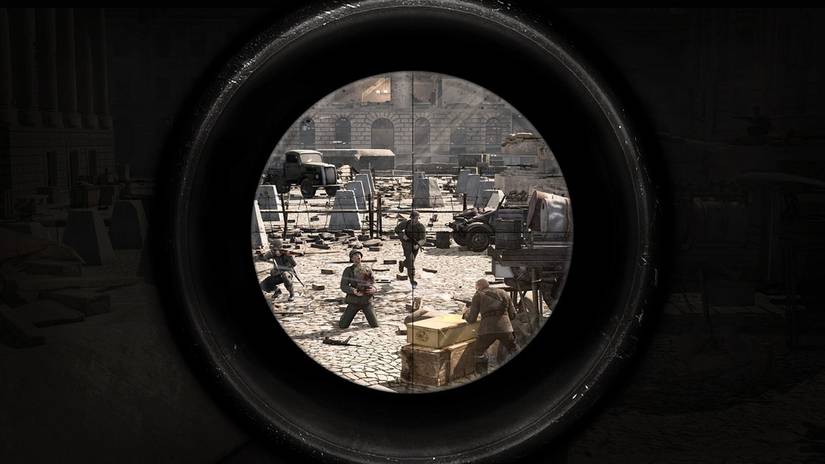
The Sniper Elite series, dating back to the PlayStation 2, elevates the act of shooting to an art form requiring meticulous calculation. Unlike the run-and-gun approach of many first-person shooters, these games demand that players account for realistic ballistics, including wind speed, elevation, and bullet drop. Mastering Sniper Elite means more than just aiming; it involves strategic positioning, understanding enemy patrol routes, utilizing stealth, and setting up lethal traps. Each shot becomes a carefully orchestrated event, a test of observation and foresight. The visceral, slow-motion "kill cam" that showcases a perfectly executed shot through bone and organ is not merely gratuitous; it’s the ultimate visual reward for a plan flawlessly executed, a stark contrast to the often mindless combat of titles like Call of Duty or Medal of Honor. The satisfaction derived from a single, impactful shot after careful preparation far outweighs a dozen rapid-fire eliminations.
2. Super Meat Boy
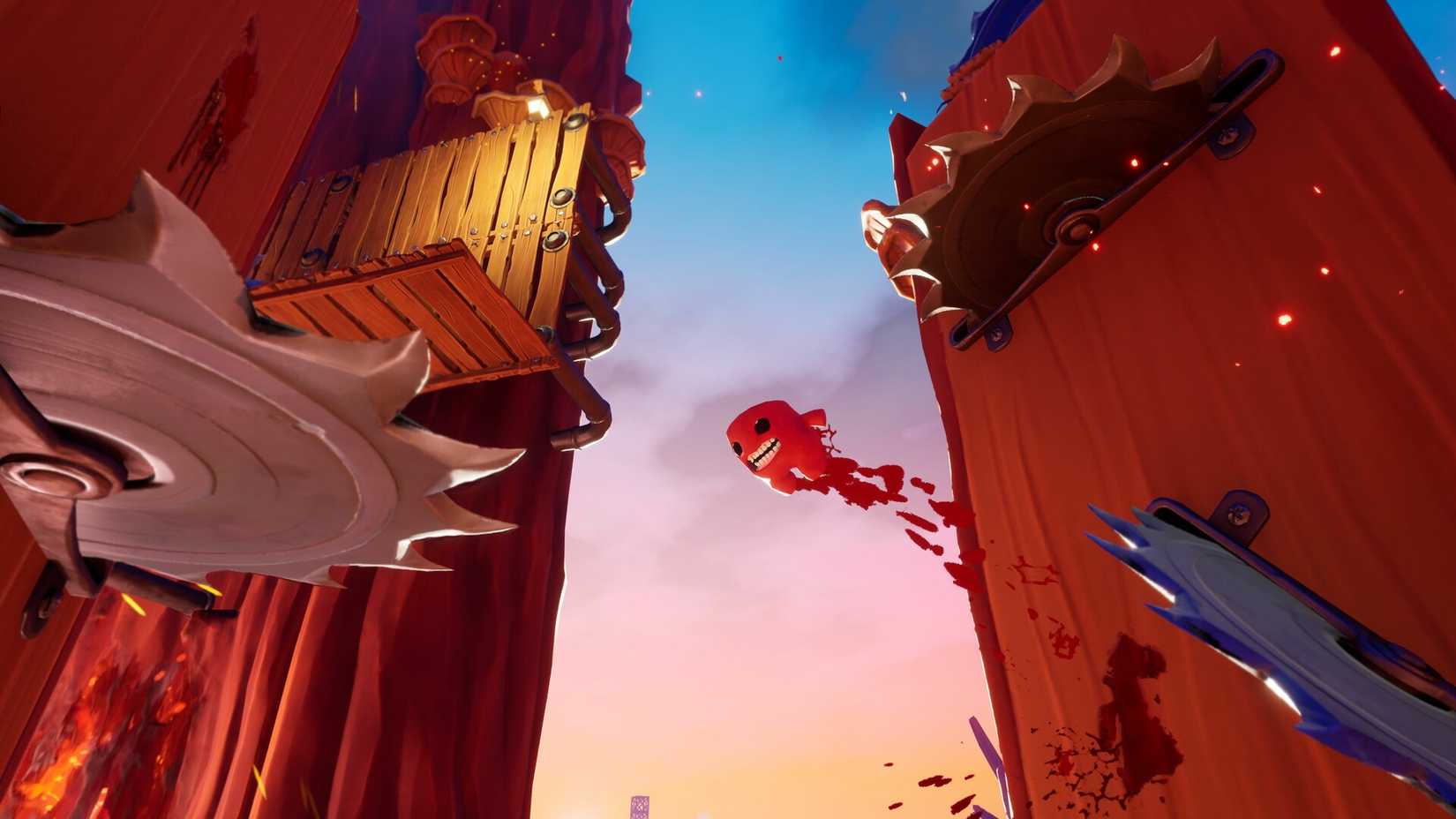
Super Meat Boy is a seminal precision platformer that strips away all forgiveness, offering a brutal yet incredibly fair challenge. Where Mario might leap across a wide gap with a generous margin for error, Meat Boy’s every jump, wall-slide, and dodge must be pixel-perfect. A single misstep means instant, gory death at the hands of whirring buzzsaws, spikes, or bottomless pits. This relentless difficulty forces players into a cycle of trial and error, often requiring dozens or even hundreds of attempts to clear a single section. However, the game’s tight controls and immediate respawns ensure that every failure is a learning opportunity. The "taste of success," as the article notes, is exceptionally sweet, a powerful dopamine hit that drives players to keep trying, pushing their reflexes and muscle memory to their absolute limits late into the night. Its influence can be seen in countless indie platformers that prioritize raw skill over narrative or elaborate mechanics.
3. Europa Universalis 4
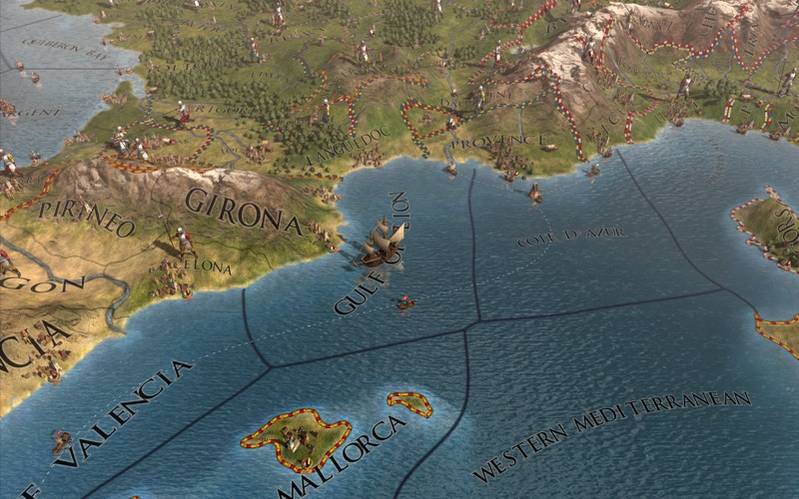
Paradox Development Studio’s Europa Universalis 4 stands as a titan of the grand strategy genre, renowned for its unparalleled depth and immense learning curve. This isn’t a game to be casually picked up; true mastery requires dozens, if not hundreds, of hours to grasp its intricate mechanics spanning diplomacy, warfare, trade, religion, and internal politics. Players choose a nation from 1444 AD and guide it through centuries of historical evolution, shaping its destiny on a global stage. The payoffs are never quick; instead, they emerge from long-term strategic planning, careful resource management, and cunning diplomatic maneuvering. The profound satisfaction comes from successfully navigating complex geopolitical landscapes, turning a minor duchy into a global empire, or rewriting history to achieve a monumental feat. It’s a strategic simulation that places the entire world at a player’s fingertips, demanding deep immersion and a profound appreciation for macro-level decision-making.
4. Trials Rising
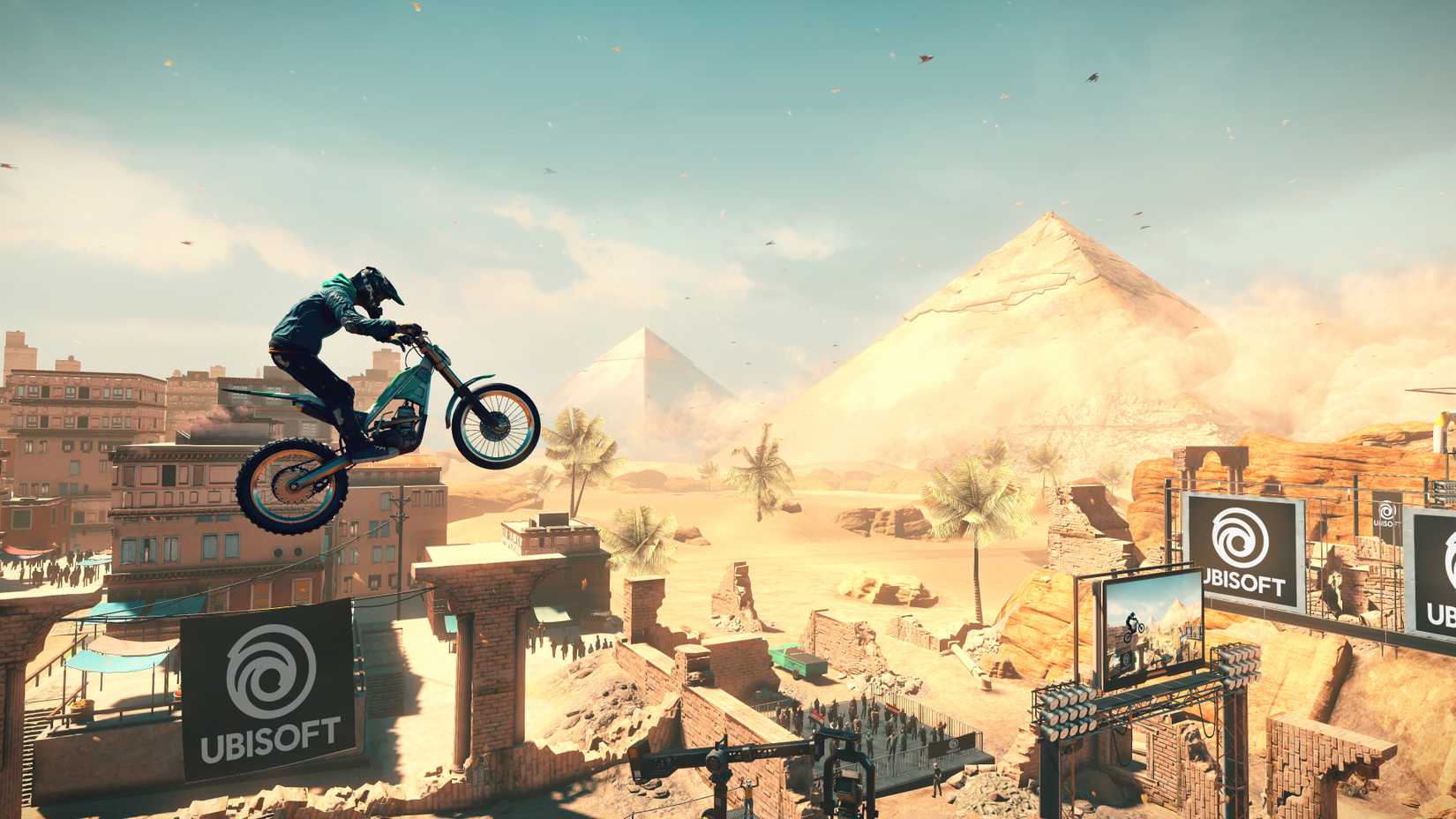
The Trials racing series, with Trials Rising being a recent highlight, offers a unique blend of physics-based motorcycle platforming and competitive racing. Each track is less a racecourse and more an intricate puzzle, demanding precise control over the bike’s weight distribution, acceleration, and braking. Players must learn the subtle nuances of its physics engine, mastering bunny hops, stoppies, and intricate aerial maneuvers to navigate treacherous obstacles. The game welcomes both newcomers and veterans, providing a structured progression that gradually introduces more complex challenges. The true reward lies in achieving a "perfect run" – a flawless execution of a difficult track with minimal faults, often requiring track memorization and repeated attempts to shave milliseconds off one’s time. The inclusion of a robust track creator further extends the game’s longevity, allowing players to build and conquer an endless array of community-made challenges, solidifying its status as a grueling yet immensely fun experience.
5. Ghostrunner
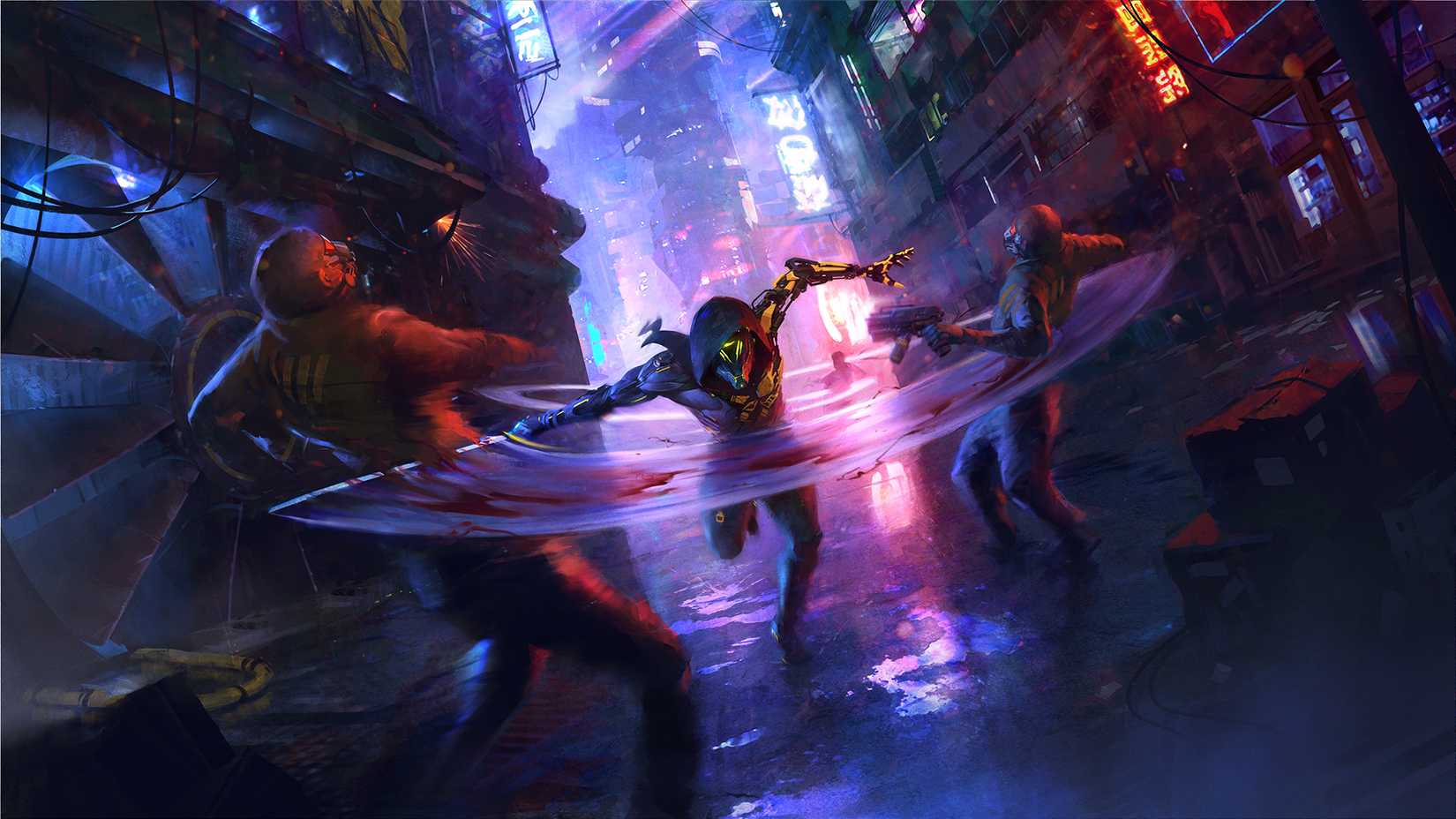
Ghostrunner exemplifies the "one-hit kill" design philosophy, turning its cyberpunk world into a deadly dance of parkour and katana combat. Players ascend the Dharma Tower as a cybernetic ninja, where both they and their enemies perish with a single hit. This creates an incredibly tense and demanding gameplay loop that relies heavily on precision, reflexes, and environmental awareness. Every encounter is a puzzle: how to traverse the environment, deflect bullets, and close the distance to enemies without taking damage. Progression necessitates meticulous memorization of level layouts, enemy placements, and attack patterns, transforming the player into an "uninterrupted machine of death." The game’s fast-paced, fluid movement combined with its brutal difficulty pushes players to achieve a state of flow, where perfect execution becomes a visceral, almost rhythmic experience. The abundance of severed limbs is not just a visual flourish but a testament to the lethal precision demanded of the player.
6. Monster Hunter: World
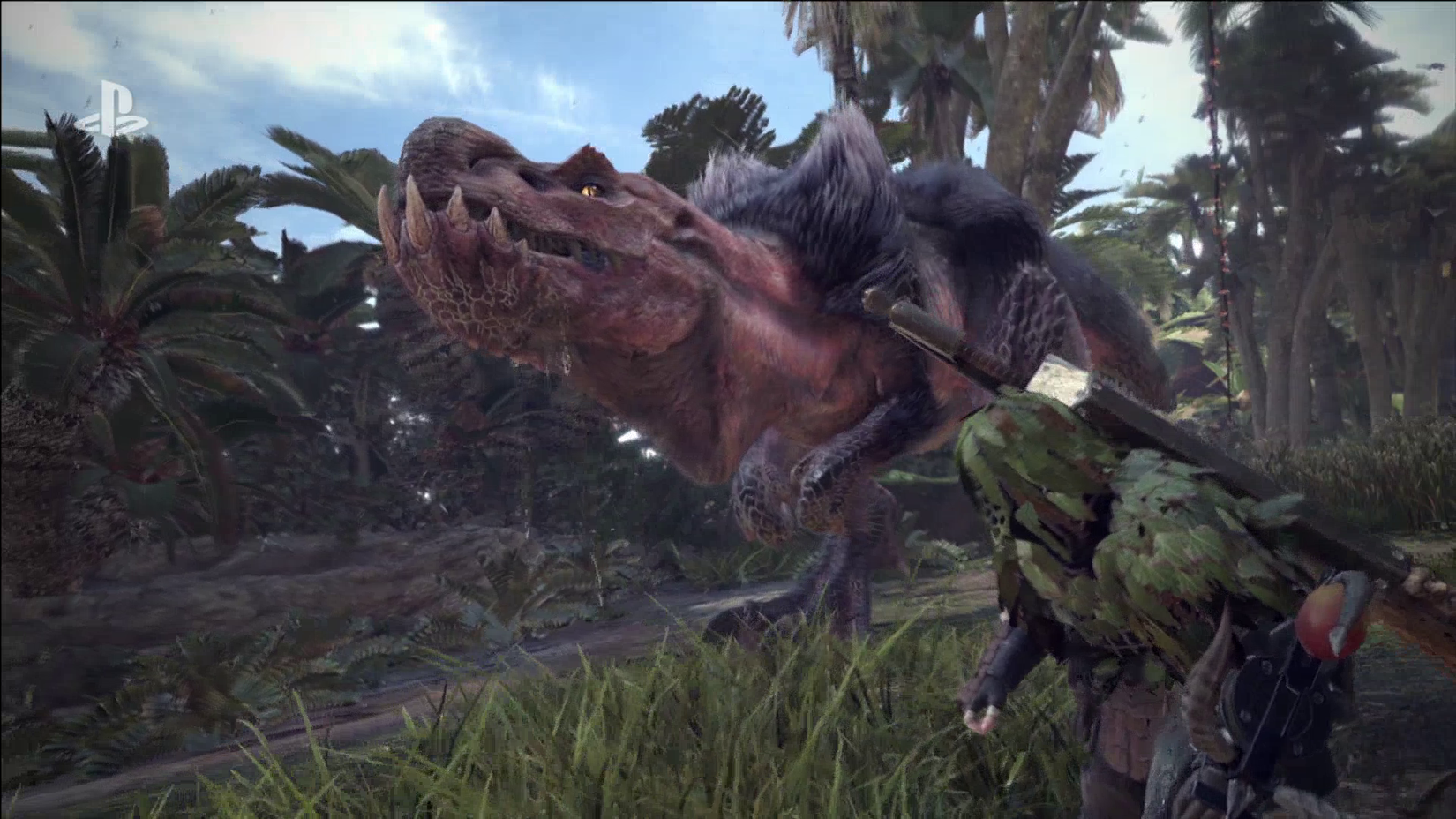
The Monster Hunter series, particularly Monster Hunter: World, perfects the long-form hunt, making the climactic confrontation with a formidable beast the culmination of a much longer, more involved journey. Players don’t simply stumble upon monsters; they track them through hostile, richly detailed environments, learning their habits, weaknesses, and territories. The core loop involves gathering resources, crafting and upgrading equipment, and meticulously preparing for each encounter. Weapon mastery is crucial, with each of the game’s diverse weapon types offering a unique moveset and strategic approach. The battles themselves are epic, drawn-out affairs that require understanding monster behaviors, anticipating attacks, and coordinating with teammates. Monster Hunter: World refined many quality-of-life elements while retaining the series’ signature "razor’s edge" difficulty, ensuring that every successful hunt feels like a monumental triumph earned through preparation, practice, and perseverance.
7. Minecraft
While often celebrated for its creative freedom, Minecraft also profoundly rewards patience and a long-term vision. Beyond its popular Creative Mode, the Survival Mode offers a demanding experience, dropping players into a vast, procedurally generated world and tasking them with enduring hostile nights and dangerous biomes. Resource management, base building, and eventually confronting the fearsome Ender Dragon require strategic planning and diligent effort. However, it is in Creative Mode where patience truly shines. Players can devote hundreds of hours to constructing colossal structures, intricate redstone contraptions, or breathtaking landscapes from countless tiny blocks. This sandbox environment fosters an unparalleled sense of architectural vision and iterative design. The reward isn’t external; it’s the immense personal satisfaction of bringing a complex vision to life, block by painstaking block, without ever leaving physical Lego pieces scattered across the floor.
8. Ikaruga
Ikaruga is a legendary vertical shoot ’em up that transcends typical bullet-hell mechanics with its innovative polarity-switching system. Players can instantly switch their ship between black and white energy polarities. When black, the ship absorbs black projectiles, converting them into powerful special attacks, but is vulnerable to white projectiles. The reverse is true when white. This seemingly basic concept creates a deep, strategic layer to the intense action. Success in the early stages might rely on quick reflexes, but true mastery demands meticulous memorization of enemy patterns, bullet configurations, and optimal attack chains. Achieving the highest scores means destroying specific groups of enemies in a precise order, chaining attacks for multipliers, and navigating bullet storms with a calculated rhythm. Ikaruga transforms frantic action into a cerebral, almost meditative experience, where perfect execution feels less like button mashing and more like conducting a symphony of destruction.
9. Wo Long: Fallen Dynasty
From Team Ninja, the acclaimed developers behind the Nioh series, comes Wo Long: Fallen Dynasty, a challenging action-adventure game deeply influenced by FromSoftware’s Sekiro. Set in a demonic Three Kingdoms China, the game plunges players into beautiful yet brutal environments where every encounter can lead to a crushing defeat. The combat system heavily emphasizes parrying and deflecting enemy attacks, demanding precise timing and aggressive offensive play, even against hulking beasts and fiendish warlords. The "Moral" system further layers complexity, rewarding aggressive play and punishing passive tactics. Players unwilling to constantly engage and learn from their mistakes will not progress. While not as relentlessly brutal as its direct inspiration, Wo Long is far from toothless, offering a deeply satisfying combat loop where mastery of its deflect mechanics and understanding of enemy patterns are paramount. Its success in satisfying patient players has already greenlit a sequel, Wo Long: Wings of Ember, slated for early 2027.
10. The Witness
Jonathan Blow’s The Witness is a masterclass in environmental puzzle design, drawing clear parallels to the classic Myst. Players are dropped onto a mysterious island, devoid of explicit instructions, and tasked with exploring and solving hundreds of interconnected line puzzles. Unlike more abstract puzzle games, The Witness makes it immediately clear when a puzzle has been encountered and when one has been stumped. The game’s brilliance lies in its non-linear progression, where understanding the rules of one type of puzzle often requires observing clues embedded within the environment or solving an entirely different set of puzzles elsewhere on the island. Satisfaction in The Witness comes in profound, often delayed, "aha!" moments when a previously impenetrable puzzle suddenly clicks into place after hours of contemplation. It’s an experience that demands intense patience, careful observation, and a willingness to embrace frustration, ultimately rewarding players with a unique sense of intellectual triumph and a deeper understanding of the island’s subtle visual language.
Official Responses: The Philosophy of Rewarding Engagement
While direct "official responses" for all these games are varied and specific to their creators, a common philosophical thread unites the developers behind titles that reward patience and precision. This philosophy often centers on:
- Respect for the Player’s Intelligence: Developers of these games generally trust players to engage with complex systems, learn from failure, and discover solutions rather than being spoon-fed them. They believe that true satisfaction comes from self-discovery and earned progress.
- Emphasis on Core Mechanics: Many of these games prioritize deep, finely tuned mechanics over expansive narratives or graphical spectacle. The joy comes from mastering the controls, understanding the systems, and perfecting execution.
- "Tough but Fair" Design: This is a cornerstone for many challenging games. While difficult, the challenges are almost universally fair, meaning players always have the tools and information to succeed, and failures are always attributable to player error, not arbitrary design. This encourages persistence and skill development.
- Delayed Gratification as a Design Goal: Rather than immediate rewards, these games build towards significant moments of triumph. The journey of overcoming repeated failures and gradually improving is an intentional part of the experience, designed to make the eventual success feel monumental.
- Community Building: Games that demand mastery often foster incredibly dedicated and supportive communities. Players share strategies, commiserate over defeats, and celebrate achievements, creating a strong sense of camaraderie around shared challenges.
From Team Meat’s commitment to pure, unadulterated platforming challenge to Paradox Interactive’s dedication to historical simulation, and Team Ninja’s embrace of demanding combat, these studios intentionally craft experiences that foster deeper engagement and a stronger sense of accomplishment, cultivating a dedicated player base that cherishes the struggle as much as the victory.
Implications: The Enduring Impact and Future of Skill-Based Gaming
The continued prominence of games that reward patience and precision carries significant implications for both the gaming industry and player culture.
Firstly, it underscores the enduring diversity of player preferences. While the mainstream might gravitate towards more accessible titles, there will always be a substantial audience that actively seeks out experiences that test their limits. This ensures a healthy ecosystem where different design philosophies can coexist and thrive, preventing stagnation in game design.
Secondly, these games play a crucial role in developing valuable skills in players. They hone reflexes, spatial awareness, strategic planning, problem-solving, and perhaps most importantly, resilience in the face of repeated failure. The process of breaking down a complex challenge into smaller, manageable steps, and persisting through frustration, translates into real-world mental fortitude.
Thirdly, the rise of speedrunning, competitive leaderboards, and community-driven content (like Trials Rising‘s track creator or Minecraft‘s colossal builds) demonstrates how demanding games foster vibrant, engaged communities. Players are not just consumers; they become active participants, pushing the boundaries of what’s possible within the game’s systems.
As the medium broadens its reach and evolves with new technologies like virtual reality and advanced haptics, the core tenets of skill-based gaming are likely to adapt and find new expressions. Imagine the precision required in a VR Ghostrunner or the tactile feedback enhancing the challenge of a Trials course. These core design principles—the emphasis on mastery, the rewarding of perseverance, and the satisfaction of earned success—are timeless. They remind us that beyond the spectacle and narrative, video games offer a unique platform for personal growth, intellectual engagement, and the profound joy of overcoming truly difficult obstacles. As we continue to explore the full spectrum of interactive entertainment, it becomes increasingly clear that games have far more to offer us than just instant escapism; they can be powerful tools for developing proficiency and experiencing deep, lasting satisfaction.











