Suro Senen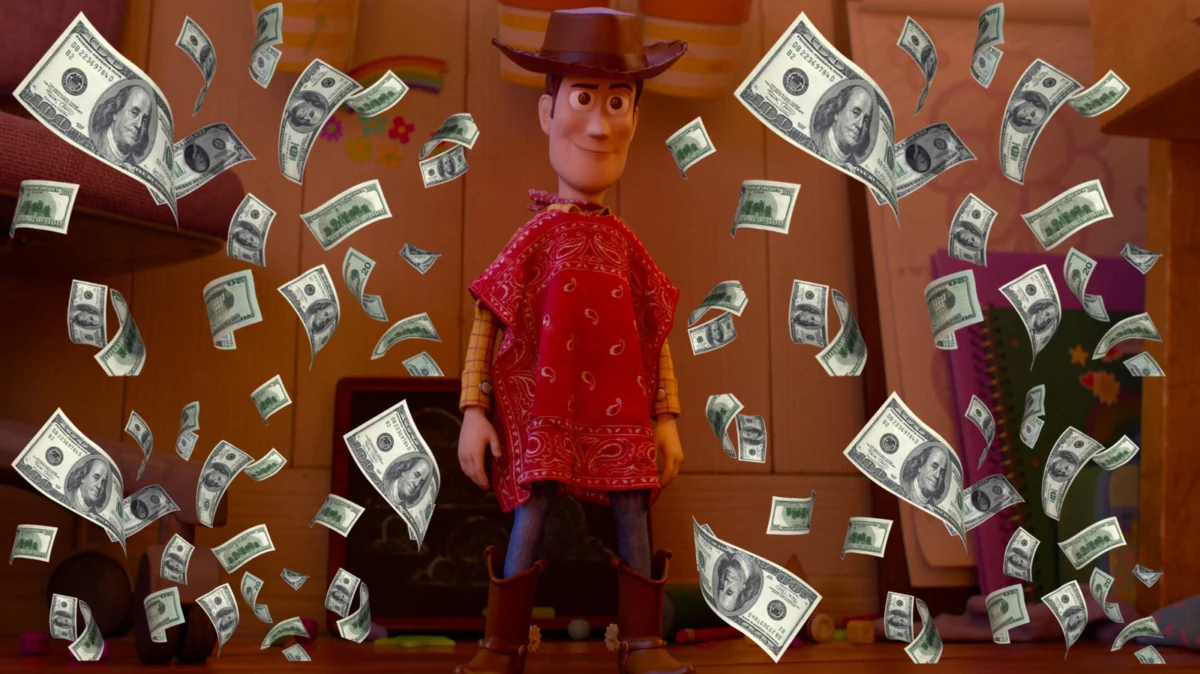
In a cinematic landscape often defined by volatility and shifting audience habits, Pixar has once again proven that the right blend of nostalgia, quality, and timing remains the gold standard for theatrical success. With the release of Toy Story 5, Disney and Pixar have not merely secured a hit; they have delivered a cultural event that has recalibrated expectations for the 2026 box office. By raking in a staggering $312 million during its global opening weekend, the film has cemented its place as the definitive blockbuster of the year.
The Financial Breakdown: A Monumental Opening
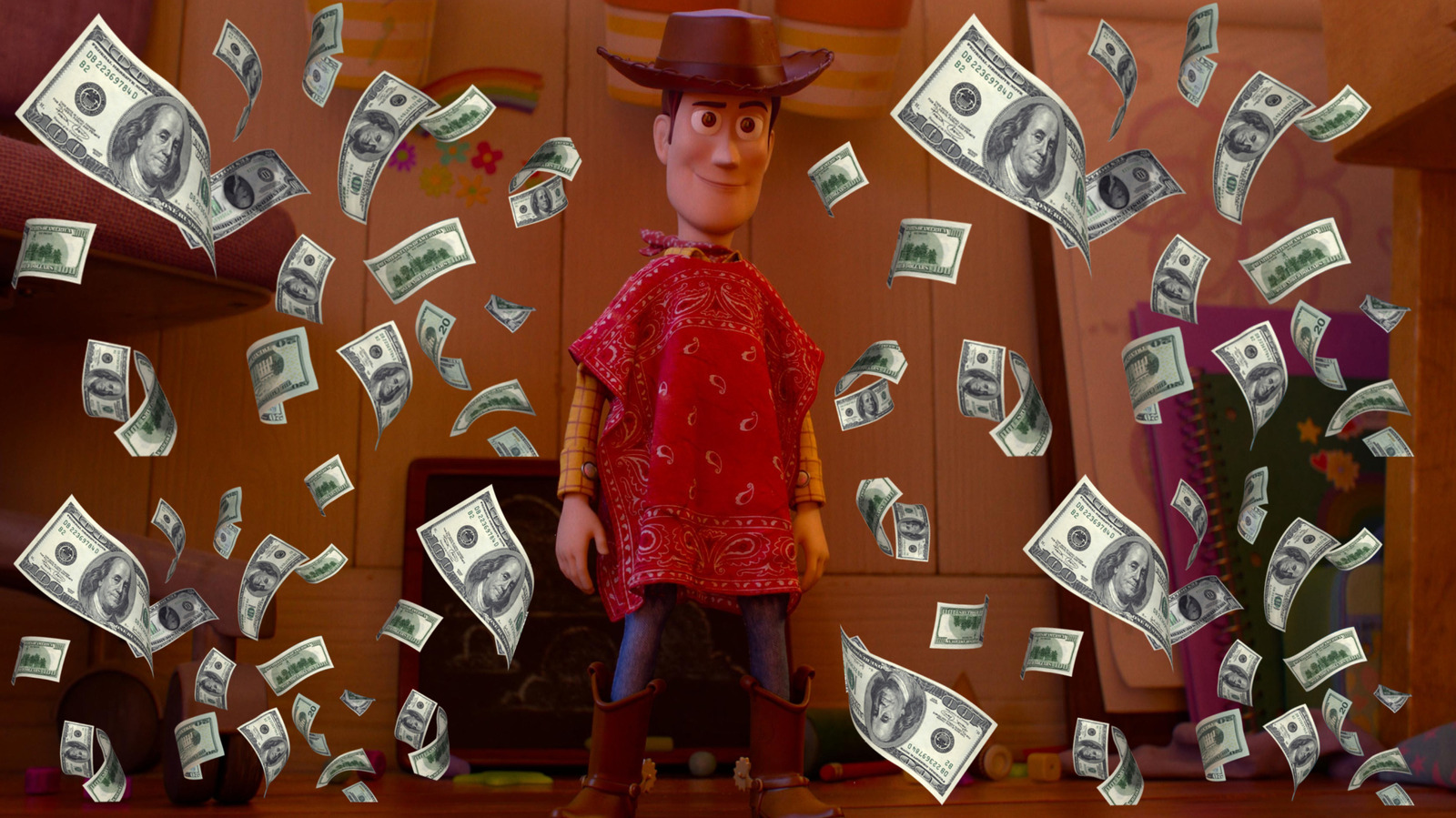
The numbers behind Toy Story 5 are nothing short of historic. Directed by animation veterans Andrew Stanton and Kenna Harris, the film pulled in $160 million domestically, eclipsing the $120.9 million debut of its predecessor, Toy Story 4. When combined with a robust $152 million international performance, the film achieved a $312 million global launch.
To put this in perspective, Toy Story 5 has effectively dethroned The Super Mario Galaxy Movie as the year’s biggest opening. Given that the Mario film previously stood as the first 2026 release to cross the $1 billion mark, the trajectory for Woody, Buzz, and their new cohorts suggests that Pixar is firmly back on its throne. This financial windfall is not merely a testament to the brand’s longevity but a vital indicator that the theatrical model for family-oriented animation remains the most lucrative sector of the film industry.
Chronology of a Franchise: From 1995 to the Modern Era
The story of Toy Story is the story of Pixar itself. Since the groundbreaking release of the original film in 1995, the franchise has acted as the heartbeat of modern animation.
- The Origin (1995): The first film revolutionized CGI and established Pixar as a powerhouse of narrative innovation.
- The Golden Age (1999–2010): With the release of the second and third installments, the franchise became a rare example of a series that improved with every entry, culminating in the emotional crescendo of Toy Story 3.
- The Modern Pivot (2019): Toy Story 4 introduced a more introspective, character-driven focus, shifting the narrative lens from Andy’s childhood to the existential questions faced by toys in a changing world.
- The Digital Evolution (2026): Toy Story 5 brings the conflict into the present day, pitting the classic toy gang against "Lilypad," a sophisticated tablet device voiced by Greta Lee. This iteration captures the anxiety of a generation raised on screens, posing a central question: What is the value of a physical toy in an era of digital dominance?
Supporting Data: Why the Numbers Work
The success of Toy Story 5 is not a stroke of luck; it is a masterclass in strategic scheduling and market reading. Several factors have converged to create this perfect storm:
1. The Strategic Void
Disney capitalized on a lack of family-oriented competition. With The Super Mario Galaxy Movie winding down its theatrical run and other high-profile attempts like The Mandalorian and Grogu failing to sustain momentum, the market was essentially starved for a high-quality, PG-rated event film. By avoiding crowded release windows, Disney ensured that Toy Story 5 was the singular destination for families this summer.
2. Critical and Audience Synergy
Rarely do critics and general audiences align as perfectly as they have for this film. Boasting a 93% critic score and a 95% audience approval rating on Rotten Tomatoes, the film has sustained strong word-of-mouth. Unlike many legacy sequels that suffer from "franchise fatigue," Toy Story 5 has earned an "A" CinemaScore, signaling that the emotional resonance of the film is effectively driving repeat viewings and social media advocacy.
3. The Power of Established Intellectual Property (IP)
While Pixar has struggled with original concepts like Elio or Hoppers in recent years, the Toy Story brand remains untouchable. The data is clear: audiences are wary of new, unproven concepts in a post-pandemic economy, but they will show up in droves for characters they have spent three decades growing up with. The immense success of Inside Out 2—which cleared $1.69 billion—set the stage for this, confirming that "brand trust" is the primary currency of the 2026 box office.
Official Perspectives and Industry Reception
While Disney has remained modest in its official statements, the industry response has been one of collective relief. Analysts point to the "post-pandemic correction" as the primary reason for the film’s success. For the past three years, the industry has wrestled with the question of whether the theatrical experience could survive the convenience of high-end home streaming.
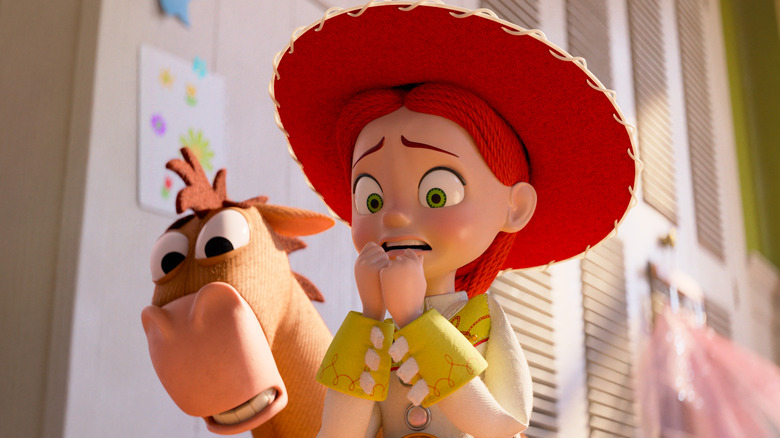
Industry insiders note that Toy Story 5 serves as a "tentpole anchor." By bringing families into theaters, the film supports local cinema ecosystems, concessions, and peripheral marketing. The filmmakers, Stanton and Harris, have emphasized in interviews that their goal was to modernize the franchise’s themes—specifically the tension between analog play and digital engagement—without losing the "heartfelt, nuanced" spirit that defined the earlier films.
The Broader Implications for Hollywood
The success of this film sends a clear message to studio executives: The era of the "family blockbuster" is not only alive but is arguably the only "safe" bet left in an increasingly risky market.
The Death of the "Mid-Budget" Gamble
As we look at the top-grossing films of the last two years—Zootopia 2, Lilo & Stitch, and now Toy Story 5—a pattern emerges. The biggest hits are almost exclusively PG-rated, family-friendly, and anchored in established IP. This creates a difficult environment for original, adult-oriented, or experimental mid-budget films, which continue to struggle to justify their theatrical existence.
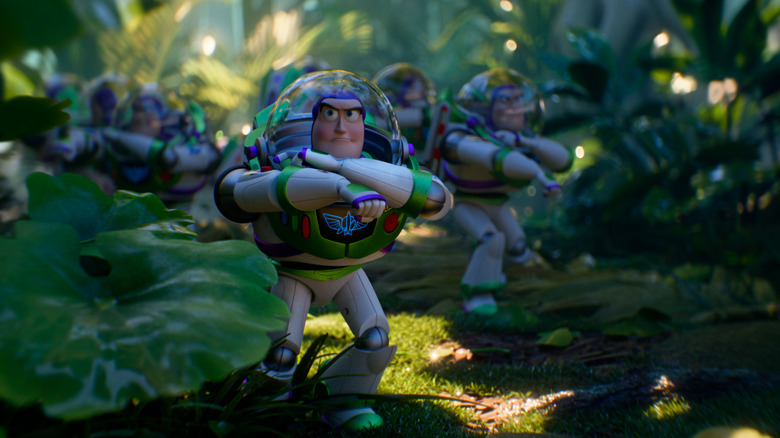
The "Streaming vs. Cinema" Balance
Disney’s pivot back to theatrical-first releases for their biggest assets has paid dividends. By resisting the urge to push Toy Story 5 to their streaming platform, the studio has protected the "prestige" of the theatrical window. This strategy will likely influence how other major studios approach their upcoming slates, particularly for major sequels like Jumanji 3 and Minions & Monsters.
The Longevity of Franchises
Finally, the film proves that even a 30-year-old franchise can remain relevant if it evolves. By introducing characters like Lilypad, the series avoids stagnation. It acknowledges that the world has changed, and by doing so, it invites a new generation of children to participate in a legacy that their parents helped build.
In conclusion, Toy Story 5 is more than just a box office winner; it is a diagnostic tool for the modern film industry. It confirms that while technology and viewing habits may change, the appetite for high-quality, communal storytelling remains insatiable. As the summer continues, all eyes will be on how long Woody and his friends can maintain their grip on the number one spot, but one thing is already certain: the Toy Story franchise has once again defined what it means to be a cinematic juggernaut.

 Evan Lee Salim
 Reynand Wu