

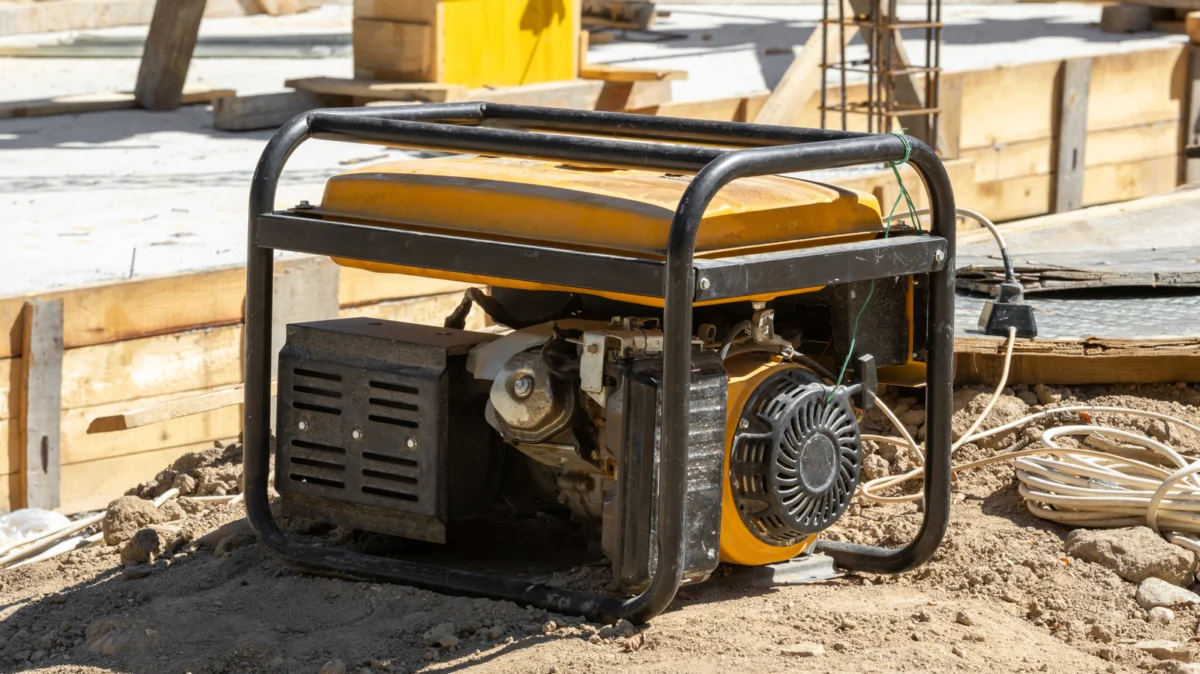
For homeowners and professionals alike, a power generator is often viewed as an insurance policy against the unpredictable nature of the electrical grid. Whether it is a portable unit sitting in a garage or a standby system hardwired into a residence, these machines provide a critical lifeline during storms, outages, or remote projects. Yet, unlike an automobile with an odometer that tracks mileage, a generator’s "wear and tear" is measured in hours of operation, a metric often overlooked by owners. Understanding how long your generator engine will last—and, more importantly, how to extend that lifespan—is vital for ensuring it remains reliable when you need it most.
The Reality of Engine Longevity: Main Facts
The fundamental challenge in determining the lifespan of a generator engine is the lack of a standardized "expiration date." Industry professionals emphasize that age in years is a poor indicator of health. Instead, a generator’s viability is defined by its total runtime, the intensity of its workload, and the quality of its preventative care.
At its core, a generator is a machine designed for conversion—transforming chemical energy (fuel) into electrical energy. This process creates intense internal heat and mechanical friction. The primary determinant of how long this process can continue is the cooling method and the engine’s build quality.
The Spectrum of Lifespan
- Air-Cooled Engines: Generally found in portable or smaller standby units, these engines rely on airflow to regulate temperature. Due to their basic design and tendency to run hotter, they typically offer a lifespan of approximately 1,000 to 2,000 hours.
- Liquid-Cooled Engines: These units utilize a radiator and coolant system, similar to a car, which allows for more consistent thermal management. Standard liquid-cooled models designed for frequent use generally last 2,000 to 4,000 hours.
- High-End Automotive/Diesel Engines: The gold standard for longevity is the industrial-grade liquid-cooled engine. Gasoline-powered automotive-style engines can push into the 15,000 to 20,000-hour range. Meanwhile, heavy-duty diesel engines, particularly those repurposed for natural gas, are engineering marvels that can reach a staggering 60,000 to 90,000 hours of operation.
The Chronology of Wear: Why Hours Matter Over Years
To understand why a generator might fail, one must view its life through the lens of a "Duty Cycle."
The Early Phase: Break-in and Seating
When a generator is brand new, the internal components—piston rings, cylinder walls, and bearings—are still "seating." Manufacturers often recommend an oil change after the first 20 to 30 hours of use to flush out the metallic shavings produced during this initial break-in period. Skipping this step can lead to premature scoring of the cylinder walls, shortening the engine’s life from the start.
The Mid-Life Plateau: Consistent Maintenance
During the bulk of its operational life, the generator relies on the stability of its oil and the cleanliness of its air intake. Engines that are "exercised" regularly—meaning they are run for 15–20 minutes under a load—tend to fare better than those left to sit for years. Static machines often fall victim to "varnish," a byproduct of gasoline that breaks down, gums up the carburetor, and clogs fuel lines.
The End-of-Life Descent
As a generator approaches its maximum rated hours, the efficiency drops. Compression loss, worn valves, and stretched timing chains begin to manifest. Users may notice increased fuel consumption, difficulty starting, or smoke from the exhaust. At this point, the cost of an engine overhaul often exceeds the cost of a new unit, signaling the end of the generator’s practical life.
Supporting Data: Factors Influencing Durability
Data from the power equipment industry highlights that environment and fuel choice are just as critical as the engine’s physical construction.
- Fuel Quality: Gasoline is an ethanol-blend fuel that is highly hygroscopic (it attracts water). If left in a tank for more than a few months, it degrades, turning into a corrosive sludge. Diesel, while more stable, is susceptible to microbial growth (algae) if stored for long periods.
- Load Management: Running a generator at 100% capacity constantly creates excessive heat, which degrades oil viscosity and stresses gaskets. Conversely, running an engine at a very low load for extended periods can cause "wet stacking" in diesel engines, where unburned fuel builds up in the exhaust system, leading to carbon deposits and power loss.
- Climate and Exposure: High humidity is the silent killer of generators. It promotes corrosion in the alternator windings and internal engine components. Units stored in non-ventilated, damp environments consistently fail sooner than those kept in climate-controlled or well-ventilated sheds.
Official Recommendations and Expert Guidance
Industry experts and manufacturers provide a clear roadmap for maximizing the lifespan of power generation equipment. The consensus is that a proactive maintenance culture is the only way to ensure the engine reaches its design limit.
The Maintenance Checklist
- Monthly Exercise: Every 30 to 60 days, the generator should be started and run for 15–20 minutes. This circulates oil and keeps the battery charged. Importantly, it should be run under a "load"—meaning you should plug in a device to ensure the alternator is actually producing power.
- The Oil Cycle: Oil is the lifeblood of the engine. For most portable units, an oil change is required every 100 to 200 hours. If the unit is used in dusty or extreme conditions, this interval should be halved.
- Air Filtration: An engine is essentially a giant air pump. If the filter is clogged, the engine works harder to pull in oxygen, increasing internal heat and fuel consumption. Replace air filters every 300 to 400 hours.
- Spark Plug Integrity: A fouled or worn spark plug causes poor combustion, which leads to carbon buildup on the piston head. Inspecting the plug annually is a simple, cost-effective way to prevent engine timing issues.
Implications for the Consumer
For the average homeowner, these facts have significant implications regarding ownership and purchasing.
The "Total Cost of Ownership" Perspective
When buying a generator, one should look beyond the sticker price. A cheaper air-cooled unit may seem economical, but if your home is in a region prone to frequent, long-term power outages, you will exhaust its 1,000-hour lifespan rapidly. In such cases, investing in a more expensive liquid-cooled unit is not just a luxury; it is a long-term saving.
Preparedness vs. Neglect
There is a dangerous tendency to treat generators as "set it and forget it" devices. This mentality often leads to the discovery of a non-functional unit exactly when a hurricane or blizzard hits. The implication is clear: the utility of a generator is not found in the machine itself, but in the discipline of its owner.
Environmental and Safety Considerations
Proper maintenance also has environmental implications. An engine that is well-tuned burns fuel more efficiently, resulting in lower carbon emissions and a smaller carbon footprint. Furthermore, properly stored units with stable fuel are far less likely to leak hazardous chemicals into the storage environment, protecting the health of the household and the surrounding soil.
Final Thoughts
A generator is a complex mechanical system that rewards attentiveness. By moving away from the idea that a generator has a fixed number of years to live and embracing the reality that it has a fixed number of "working hours," owners can transition from reactive to proactive maintenance. Whether you are using a portable unit to power a campsite or a robust standby system to keep your home warm during a winter storm, the secret to longevity remains the same: monitor the hours, change the oil, stabilize the fuel, and keep the air flowing. By doing so, you ensure that when the grid goes dark, your light stays on.












No comments yet. Be the first to join the conversation!