

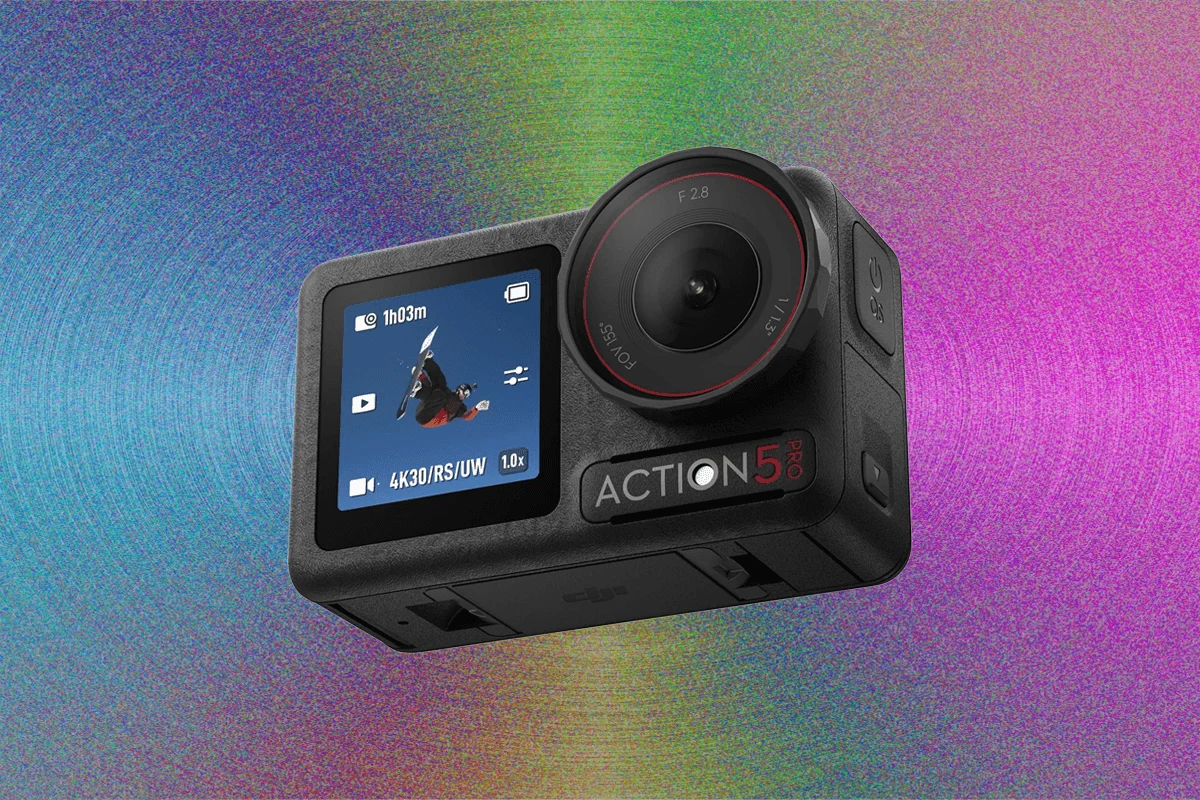
The modern action camera market has evolved from a niche category for extreme sports enthusiasts into a mainstream powerhouse. From the casual weekend cyclist to the professional cinematographer capturing high-stakes stunts, these rugged, compact devices are ubiquitous. However, as the market expands, so does the confusion surrounding value, performance, and the necessity of accessories. This guide dissects the technical realities of today’s action camera landscape and provides a professional roadmap for optimizing your gear.
The Performance Gap: Why Premium Still Rules the Market
A recurring question posed to experts and gear reviewers is: "Why invest $400 in a flagship GoPro or DJI model when Amazon is flooded with $100 alternatives promising 4K resolution?"
The answer lies in a fundamental misunderstanding of what defines a modern action camera. While budget cameras often hit the "4K" marketing checkbox, they frequently fall short where it matters most: internal software, sensor quality, and, most crucially, image stabilization.
Action cameras are designed to endure extreme environments—strapped to a helmet while mountain biking, clipped to a chest harness during a skydiving jump, or mounted to a high-speed scooter navigating urban traffic. In these scenarios, the camera is subject to constant, violent vibration. High-end manufacturers like GoPro, Insta360, and DJI invest millions into proprietary electronic image stabilization (EIS) algorithms. These systems process raw sensor data in real-time to smooth out jittery footage, turning nauseating, shaky video into cinematic, watchable content.

A budget camera might record at 4K, but without sophisticated stabilization, that footage is effectively unusable for any professional or even casual viewing. When considering your next purchase, the "hidden" cost of a flagship model is essentially the price of professional-grade software that makes the image watchable. If your budget is constrained, purchasing a high-quality used model—such as a previous-generation GoPro Hero 11 or 12—is a superior investment compared to a brand-new, low-tier generic device.
Chronology of a Tech Evolution
The action camera industry has undergone a rapid transformation over the last decade. Understanding this timeline helps users appreciate the necessity of modern accessories:
- 2010–2015: The Rise of the POV Era. GoPro dominated the landscape by offering simple, durable units that provided a unique "point of view" for extreme athletes.
- 2016–2019: The Stabilization Revolution. As competition grew, brands moved away from pure durability toward internal stabilization. This era marked the transition from "shaky cam" to the "gimbal-like" smoothness we expect today.
- 2020–2023: Modular and 360-degree Innovation. With the introduction of the Insta360 One series and the GoPro Hero modular systems, cameras became more versatile, allowing for lens swaps and 360-degree capture.
- 2024–Present: AI and Automated Post-Processing. Modern cameras now use onboard AI to handle lighting, noise reduction, and color grading, making high-quality footage accessible to creators who lack advanced editing skills.
Supporting Data: The Essential Accessory Ecosystem
Purchasing an action camera is only the first step in the creative process. To truly "trick out" your setup, you must invest in accessories that address specific pain points: storage speed, audio quality, and environmental challenges.
The Storage Bottleneck
Many users experience "corrupted files" or "dropped frames" not because their camera is faulty, but because their microSD card cannot keep up with the high bitrates of 4K video.
-Reviewer-Photo-SOURCE-Sam-Kieldsen.jpg)
- SanDisk Extreme Series: These are the industry standard for a reason. They offer high write speeds and, crucially, are waterproof and shockproof, matching the durability of the cameras themselves.
- Samsung Pro Plus: These cards consistently outperform competitors in sustained write tests, making them ideal for long-form, high-resolution recording.
- Lexar Professional Silver Plus: For those using newer models like the DJI Action series, this card represents the "sweet spot" for performance-to-price ratio.
Elevating Audio Quality
Action cameras have notoriously poor internal microphones. They are often muffled by waterproof housing or overwhelmed by wind noise. The GoPro Media Mod is an essential upgrade for any serious vlogger. It does not necessarily provide a "pro-grade" internal mic, but it provides a dedicated 3.5mm microphone jack. This allows you to attach external lavalier or shotgun microphones, instantly elevating your audio from "smartphone quality" to "professional production" standards.
Precision Mounting
While cameras come with basic adhesive mounts, specialized mounts provide stability that generic ones cannot.
- Handlebar/Seatpost Pole Mounts: Indispensable for cycling and motorcycling, these provide a locked-in grip on round objects.
- Motorcycle Bundles: For those using Insta360 cameras, specialized clamps are engineered to withstand the high-frequency vibrations of a motorcycle engine—a level of stability that standard suction cups cannot provide.
- Tripod Adapters: The "quarter-inch screw" is the industry standard for tripods, yet it is frequently missing from action camera designs. A $10 set of universal adapters is a mandatory purchase for anyone who plans to move their camera from a helmet to a tripod.
Official Manufacturer Perspectives and Industry Trends
Representatives from leading manufacturers emphasize that their accessory ecosystems are designed to solve "the edge case." For example, GoPro’s development of the Smart Motion Blur ND Filter for the Hero 13 represents a shift toward professional cinema standards. Previously, users had to manually calculate shutter speeds when applying Neutral Density (ND) filters—a complex task that often ruined shots for amateurs. By automating this, GoPro is signaling that their users are moving toward professional filmmaking.
Similarly, DJI has taken an aggressive stance on compatibility, often recommending specific memory card brands to ensure their proprietary "Action" software functions without latency. This push for hardware-software integration is a clear indicator that the industry is moving toward a "closed ecosystem" model to ensure reliability.

Implications for the Future of Content Creation
The trajectory of the action camera market suggests that hardware will soon take a back seat to software-driven features. As we move forward, the implications for the average consumer are significant:
- The Death of the "Cheap" Market: As AI-based stabilization and color grading become standard in flagship models, the gap between budget and professional cameras will continue to widen. The "good enough" threshold for video is rising, effectively pushing cheap 4K cameras into obsolescence.
- The Professionalization of the Amateur: With accessories like the GoPro ND filter sets and improved media modules, the distinction between a "home movie" and a "professional production" is becoming blurred. An amateur with the right accessory kit can now produce content that matches the quality of high-end broadcast television.
- Environmental Resilience: As cameras become more specialized, we are seeing a shift toward "adventure-proof" accessories. Products like the Floaty for GoPro or the Insta360 Float Guard highlight that the primary user base is shifting toward extreme water sports, where equipment loss is a major financial risk.
- Drone Alternatives: The rise of high-quality, lightweight "invisible" selfie sticks (like those from Insta360) has effectively created a "drone-lite" category. By using extended sticks, creators can capture third-person, aerial-style perspectives in national parks and urban centers where drone usage is strictly prohibited.
Conclusion: Making the Right Investment
The world of action cameras is no longer just about the camera body. It is about building a system that can adapt to your specific environment. Whether you are cutting glare with a polarizing filter, ensuring your footage is stored on a high-speed card, or mounting your camera to a motorcycle frame, the secret to high-quality content is the accessory ecosystem. Invest in the right foundation—the camera—but don’t underestimate the role of the peripherals in ensuring that your adventures are captured with the clarity and professional polish they deserve.










No comments yet. Be the first to join the conversation!