Layla Zulfa
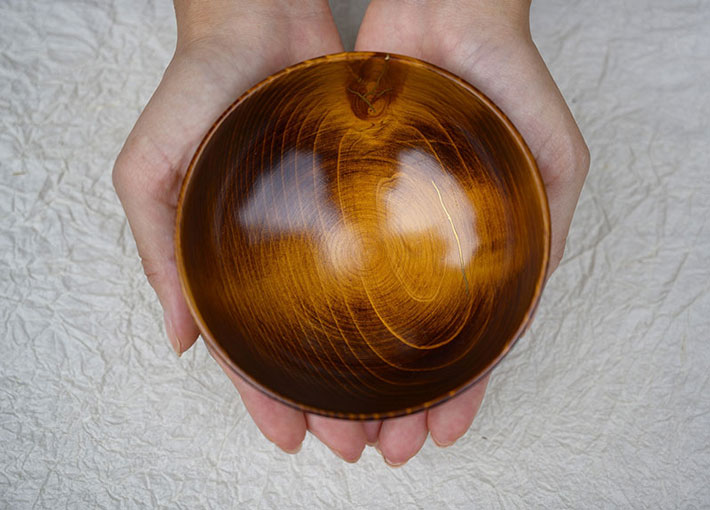
Wood is more than a building material in Japan; it is a cultural lexicon. For centuries, the Japanese people have cultivated a profound, symbiotic relationship with their forests, integrating wood into the very fabric of their daily existence. From the delicate, tactile elegance of a hand-turned soup bowl to the soaring, seismic-resistant grandeur of ancient temple pagodas, wood serves as the heartbeat of Japanese identity. As the global construction industry pivots toward sustainable and renewable resources, Japan’s mastery of timber—refined through millennia of tradition and cutting-edge modern science—is emerging as a critical model for the world.
The Architecture of Longevity: A Chronology of Mastery
The history of Japanese woodcraft is a testament to the durability of nature when handled with profound respect.

- The Ancient Foundation: The story begins with species like Hinoki (Japanese cypress) and Sugi (Japanese cedar). These woods were selected not merely for their abundance, but for their specific biological properties—fragrance, insect resistance, and structural integrity.
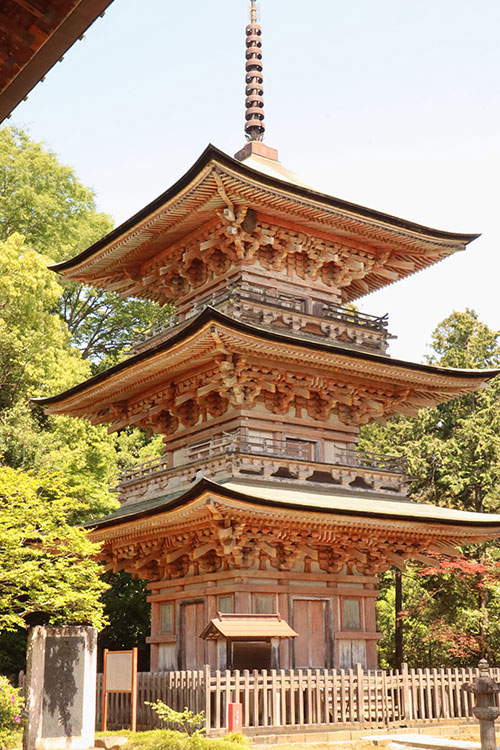
- The 7th Century Benchmark: The Hōryū-ji Temple in Nara Prefecture remains the definitive proof of this expertise. Often cited as the world’s oldest surviving wooden structure, its survival for over 1,300 years is a feat of engineering that defies the ravages of time, humidity, and natural disasters.
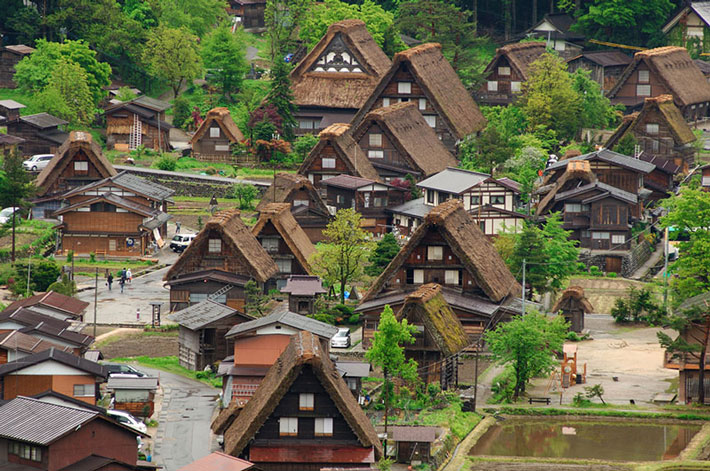
- The Edo and Meiji Eras: During these periods, wood-based architecture evolved into distinct regional styles, from the merchant houses of Kyoto to the iconic gassho-zukuri farmhouses of Shirakawa-go. These structures proved that wooden architecture could be both functional and culturally expressive.
- The Modern Integration (2025): The legacy continues at the Expo 2025 in Osaka, where the main pavilion stands as one of the world’s largest wooden structures. This project signals that wood is not a relic of the past, but the cornerstone of future architectural innovation.
The Science of the Forest: Species and Characteristics
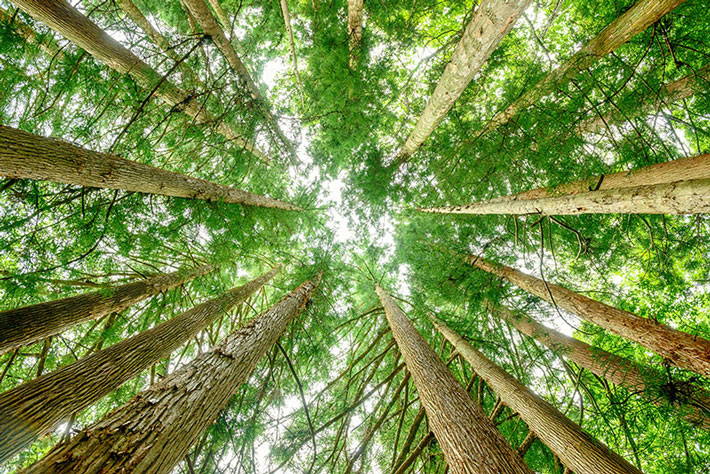
Japan’s geography, defined by a warm, humid climate and distinct four-season cycles, provides the perfect nursery for a diverse array of timber. Approximately two-thirds of Japan’s landmass is forested, creating a sustainable supply chain that has supported the nation for generations.
Hinoki (Japanese Cypress)
Highly prized for its essential oils, Hinoki provides a natural, refreshing scent that also acts as a deterrent to pests. Its density and rot resistance make it the gold standard for high-end architecture and sacred spaces.
Sugi (Japanese Cedar)
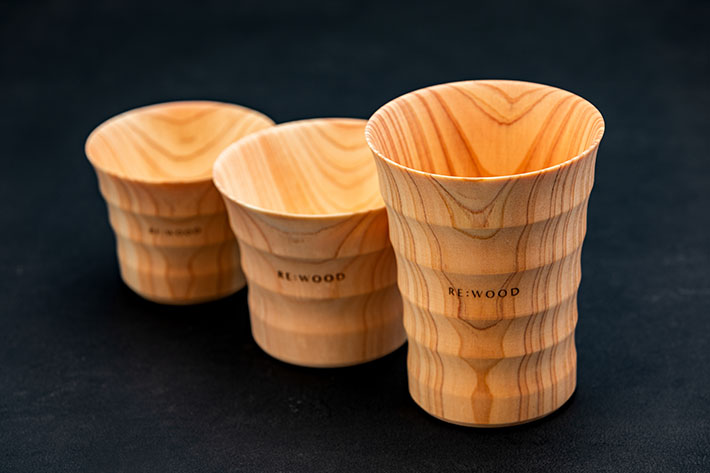
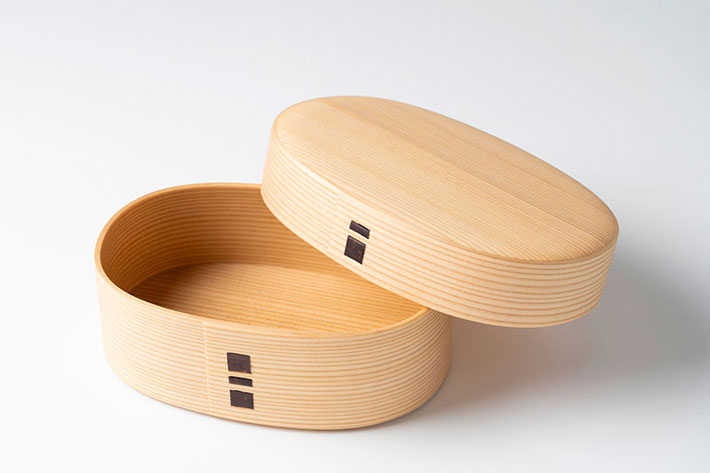
Known for its workability and light weight, Sugi is the workhorse of the Japanese home. It possesses unique thermal properties, acting as a natural regulator of humidity—a vital trait in Japan’s damp climate. This moisture-wicking ability is why Sugi is the preferred material for magewappa (bentwood) containers, which keep rice and food fresh by balancing the internal atmosphere.
Technological Evolution: Beyond Traditional Craft
While tradition provides the foundation, modern science has accelerated the utility of Japanese wood. The introduction of the S-Tech (Nitrogen Heat Treatment) process marks a paradigm shift in material science.
By subjecting wood to temperatures exceeding 200°C in an oxygen-deprived nitrogen environment, researchers have successfully decomposed the organic components that typically lead to rot and termite infestation. The result is a high-performance timber that requires no harsh chemical preservatives. Boardwalks treated with S-Tech have remained pristine for over two decades, proving that "chemical-free" does not mean "less durable."
Furthermore, the development of structural, termite-resistant plywood has revolutionized the "two-by-four" construction sector. By infusing preservatives deep into the layered fibers of the wood, manufacturers are creating components capable of withstanding the harsh conditions of exterior walls and subflooring, effectively extending the lifespan of entire buildings by decades.
Global Implications: The Export of a Sustainable Standard
The international appetite for sustainable construction materials has placed Japanese timber in the global spotlight. For years, Japan’s high-quality wood was largely confined to the domestic market. However, a landmark decision in April 2024 has changed the landscape: the American Lumber Standards Committee officially certified Japanese Hinoki for use in the "two-by-four" construction method.
This certification is more than a trade milestone; it is an endorsement of Japanese quality. As North American and European markets seek alternatives to carbon-intensive building materials like steel and concrete, the reliability and aesthetic appeal of Japanese Hinoki offer a high-value, environmentally conscious alternative.
Official Perspectives and Industry Strategy
The Japan Wood Products Export Association (JWPEA) is at the forefront of this global transition. Their mission is to bridge the gap between traditional Japanese artisans and international developers who are increasingly tasked with meeting the UN’s Sustainable Development Goals (SDGs).
"The beauty of wood is not just in its appearance, but in its performance," says a spokesperson for the association. "By exporting our expertise in processing and our high-quality species, we are not just exporting timber; we are exporting a philosophy of longevity."
The industry strategy is clear:
- Standardization: Aligning Japanese timber grades with international building codes to ensure seamless adoption in foreign markets.
- Environmental Stewardship: Promoting the use of domestically grown, responsibly harvested cedar and cypress to combat deforestation and reduce the carbon footprint of global construction projects.
- Cultural Exchange: Encouraging the adoption of Japanese aesthetic principles—the appreciation of grain, texture, and natural patina—in modern interior design worldwide.
Conclusion: A Future Built on Roots
As the global community faces the dual challenges of climate change and urbanization, the lessons from Japan’s wooden heritage are more relevant than ever. The marriage of ancient wisdom—treating wood as a living, breathing component of a home—with modern S-Tech and structural innovations creates a path forward that is both durable and sustainable.
From the pagodas of Nara to the skyscrapers of tomorrow, the message of Japanese timber is consistent: when we build with respect for the material, we build for the next thousand years. For businesses and architects looking to harmonize their projects with the environment, the Japanese wood portal remains the essential resource for navigating this ancient, yet cutting-edge, industry.
For those interested in exploring the procurement of Japanese timber or learning more about the specific technical specifications of Hinoki and Sugi, the Japanese Wood Export Portal serves as the official hub for international trade, research, and collaborative development.


 Neng Nana
 Asro
Asro