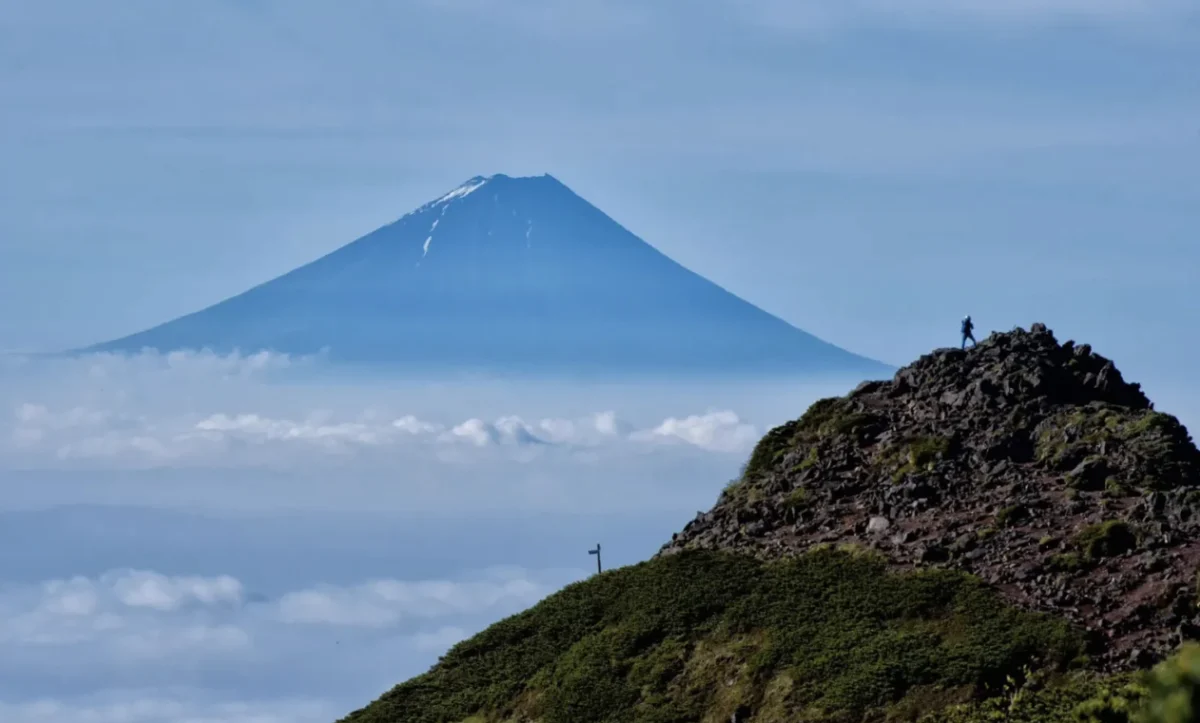
As the official climbing season for Japan’s iconic Mount Fuji commences this Wednesday, the mountain’s infrastructure has undergone a critical transformation. Amidst ongoing concerns regarding the volatility of the active volcano and the safety of the hundreds of thousands of pilgrims and tourists who ascend its slopes annually, Yamanashi Prefecture has unveiled two state-of-the-art emergency shelters. These installations represent a major milestone in disaster mitigation for the World Heritage-listed site, providing a reinforced sanctuary against the unpredictable hazards of high-altitude mountaineering.
The New Vanguard: Engineering Safety at Altitude
The two newly commissioned shelters are situated strategically along the Yoshida descent route—specifically near the seventh and eighth stations. These locations were chosen due to their high foot traffic and the relative lack of existing refuge options on the descent path compared to the more heavily serviced uphill trails.
Constructed from reinforced concrete and integrated directly into the mountainside, the shelters are designed to blend into the rugged terrain, honoring the aesthetic and spiritual sanctity of the UNESCO World Heritage site. Each structure measures 2 meters in height, 2.5 meters in width, and 5.4 meters in depth, with a capacity to house up to 135 people during an emergency event.
Beyond their structural integrity against volcanic debris—such as falling pumice or rockfall—the interiors feature specialized rubber flooring. This material serves a dual purpose: it provides insulation and, crucially, acts as a deterrent against electric shock, a significant risk for climbers caught in the frequent and violent lightning storms that occur near the summit.
Chronology of Development and Implementation
The journey to realize these shelters was both deliberate and extensive. The project commenced in September of the previous year, with construction crews battling the challenging logistics of transporting heavy materials to high-altitude sites accessible only by narrow, rocky trails.
- September 2024: Construction begins on the Yoshida descent route.
- December 2024: Structural work is completed, followed by internal safety fit-outs.
- June 2025: Officials from Yamanashi Prefecture, the Ministry of the Environment, local law enforcement, and representatives from Shizuoka Prefecture conduct their annual safety inspection.
- Late June 2025: Final confirmation is issued that the trails are clear of lingering snow, paving the way for the seasonal opening.
- July 1, 2025: The Yoshida Trail officially opens, marking the debut of the new shelters for the climbing public.
The completion of these facilities in December was a logistical triumph. Previously, the downhill section of the Yoshida Trail—the busiest on the mountain—offered only five emergency points, such as restrooms or mountain huts. This was a stark contrast to the more than 10 available on the uphill route, a disparity that had long concerned mountain rescue experts and local government officials.
Financials and Long-term Infrastructure Strategy
The two shelters represent a total investment of approximately 38 million yen. Significantly, the funding was sourced entirely from the mandatory climbing fees collected from visitors. This "user-pays" model highlights a sustainable approach to managing the mountain’s infrastructure, ensuring that those who benefit from the trail systems contribute directly to their safety and maintenance.
Yamanashi Prefecture has laid out an ambitious long-term roadmap. The current project is merely the first phase of a broader plan to install a total of 13 emergency shelters across the mountain by the end of the 2031 financial year. This systematic approach aims to ensure that no climber is ever too far from a fortified point of safety, regardless of the route they choose.
The Volcanic Reality: A Dormant Giant
While Mount Fuji has not erupted since the Hōei eruption of 1707, it remains classified as an active volcano. Geological monitoring is constant, and the Japan Meteorological Agency maintains a vigilant watch over seismic activity and thermal fluctuations.
The installation of these shelters is a pragmatic acknowledgement that while an eruption may not be imminent, the consequences of such an event—or secondary hazards like sudden rockfalls caused by tectonic shifting—could be catastrophic for thousands of hikers. The shelters are not designed for permanent habitation, but as vital "life-boats" meant to protect individuals during the initial, most dangerous phase of an emergency until evacuation or rescue can be coordinated.
Coordination and Operational Adjustments
The unveiling of these shelters occurred alongside the comprehensive annual inspection of all climbing routes. This inter-agency effort—involving the Yamanashi and Shizuoka prefectural governments, the Ministry of the Environment, and the police—is the final gatekeeper for the season. Their assessment confirmed that the trails were free of hazardous snowpack, ensuring the integrity of the pathways for the upcoming surge in visitors.
The opening of the season is characterized by a high degree of inter-prefectural cooperation:
- Yoshida Trail (Yamanashi): Operates from July 1 to September 10.
- Subashiri Trail (Shizuoka): Opening date moved forward to July 1 to help distribute the volume of hikers and prevent the common issue of climbers accidentally descending the wrong route.
- Fujinomiya and Gotemba Trails: Scheduled for a July 10 opening.
This coordinated effort to stagger and manage trail access is designed to mitigate overcrowding, a recurring problem that has exacerbated safety issues in recent years. By aligning opening dates and providing clearer signage and refuge, officials hope to reduce the frequency of search-and-rescue operations.
Implications for Future Mountaineering
The installation of these shelters signals a shift in the philosophy of Japanese mountain management. In the past, the emphasis was heavily placed on the climber’s individual responsibility. While that remains a core tenet of the climbing culture, the sheer volume of international and domestic tourists has necessitated a move toward "defensive infrastructure."
The shelters serve as a beacon of modern safety, but they also highlight the limitations of high-altitude environments. They are intended to provide protection against the elements and immediate volcanic hazards, but they do not replace the need for proper preparation, physical conditioning, and situational awareness.
As the 2025 season progresses, the performance of these shelters will be monitored closely. If successful, they may serve as a template for other high-traffic, high-risk mountainous regions across Japan. For now, the thousands of hikers who ascend the Yoshida Trail can do so with the added comfort of knowing that the mountain, while as formidable as ever, is better equipped to protect them.
The challenge remains to balance the preservation of the mountain’s sacred, natural state with the practical, life-saving requirements of modern tourism. With the new shelters now integrated into the landscape, the Yamanashi Prefecture has taken a significant step toward achieving that delicate equilibrium, ensuring that the legacy of Mount Fuji as a place of wonder remains unmarred by avoidable tragedy.
Quick Reference: Mt. Fuji Safety Facts
- Shelter Capacity: 135 persons per unit.
- Shelter Dimensions: 2m (H) x 2.5m (W) x 5.4m (D).
- Funding Source: Dedicated visitor climbing fees.
- Total Planned Shelters (by 2031): 13 units.
- Core Safety Features: Volcanic debris resistance and lightning-shielded rubber flooring.
As the gates to the Yoshida Trail swing open this July, the presence of these structures will undoubtedly provide a sense of security to the climbing community. Whether the mountain remains quiet or presents a sudden challenge, the infrastructure of 2025 is far better prepared to face the future than the trails of the past.