Nana Muazin
In the sprawling ecosystem of the Google Play Store, numbers often deceive. A badge claiming "500 Million+ Downloads" is frequently misinterpreted by consumers as a stamp of approval—a digital seal of safety and necessity. However, a deeper investigation into several high-profile applications reveals that many of the most popular tools on the platform are not only redundant but, in some cases, actively detrimental to your privacy and device performance.
As of 2026, the criteria for a "good" app have shifted. While user adoption metrics remain high, the technical maturity of the Android operating system has rendered many legacy utility apps obsolete. By clinging to tools that were relevant in the early days of smartphone optimization, users are often trading away their data, battery life, and peace of mind for little to no tangible benefit.
The Illusion of Popularity: Why Download Counts Fail Users
The primary metric used by the average consumer to judge an app’s quality—its download count—is fundamentally flawed. Download figures reflect historical trends and aggressive marketing budgets rather than current security standards or functional necessity.
When an app launches, it may serve a genuine purpose. Over the next decade, however, the operating system evolves. Features once provided by third-party developers are integrated into the Android framework by Google. Yet, the third-party apps remain, bloated with advertisements, tracking scripts, and intrusive permission requests, while users continue to download them based on legacy reputation.
Chronology of Declining Trust: The Case of "Free" Utilities
The decline of these popular apps has been a gradual, often invisible, process.
- Pre-2015: Third-party "cleaners" and "boosters" were deemed essential as Android suffered from poor memory management.
- 2017–2020: The rise of aggressive monetization in free apps began to compromise user privacy, with many free VPNs and utilities caught selling anonymized (and sometimes deanonymized) user data to third-party brokers.
- 2022–2024: High-profile security breaches, most notably involving password managers and data-sharing platforms, shattered the "too big to fail" perception of established app developers.
- 2025–2026: Google’s integration of robust, native security and maintenance tools into the core Android experience has reached a point where the vast majority of "utility" categories have become essentially parasitic.
Analyzing the "Big Five" Problematic Apps
1. Turbo VPN: The Hidden Cost of Free Connectivity
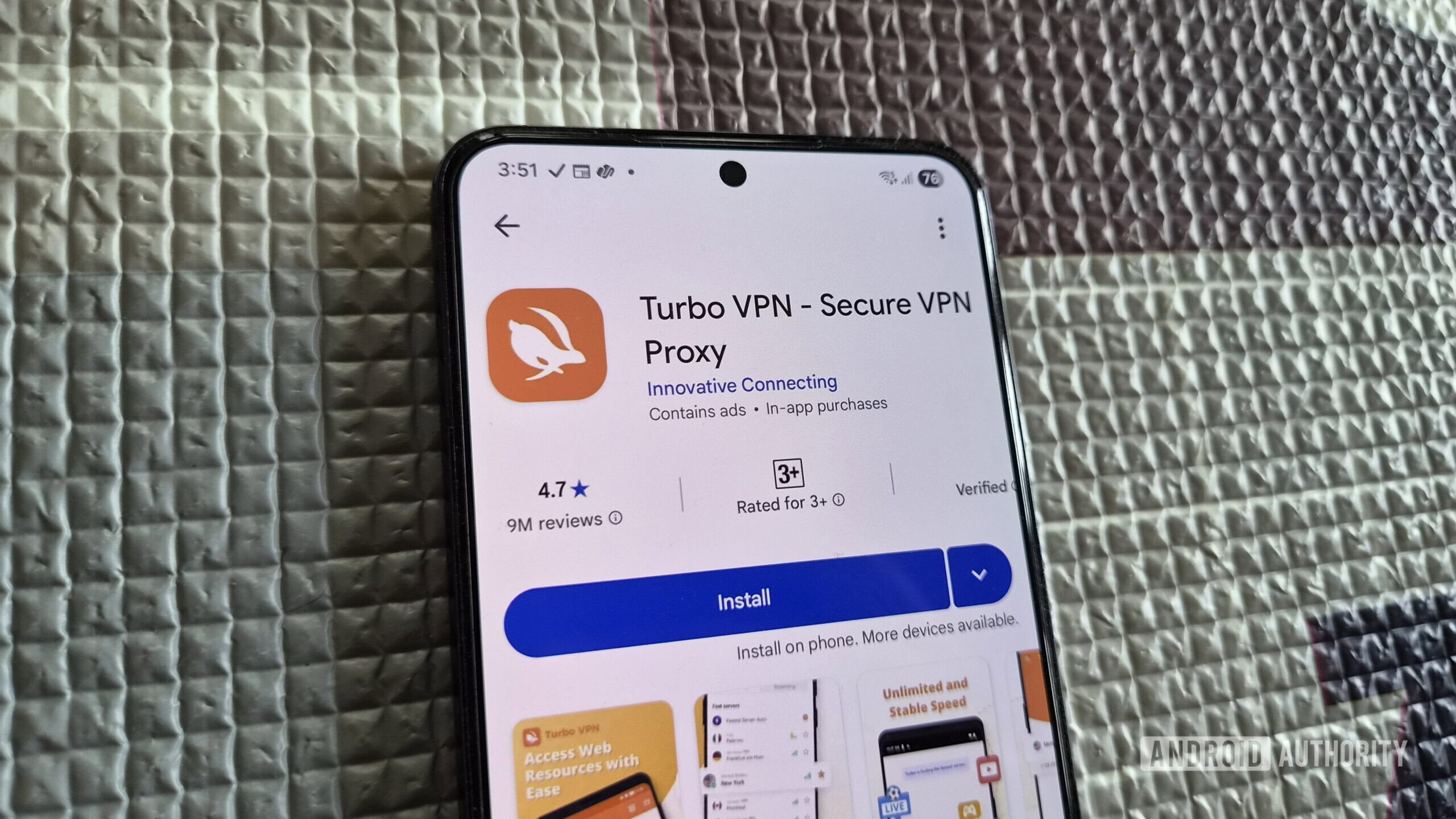
With over 500 million downloads, Turbo VPN is a case study in the perils of the "freemium" model. While the service provides basic VPN functionality, it relies on an ad-supported revenue stream that is notoriously intrusive.
Supporting Data: Security researchers have repeatedly flagged free, unlimited-data VPNs for failing to provide actual anonymity. Because maintaining global server infrastructure is prohibitively expensive, services that offer "unlimited" access without a subscription fee are almost universally monetizing user traffic logs. Reports linking various free VPN entities to jurisdictions with loose data protection laws suggest that your browsing habits may be the product being sold.
2. LastPass: The Erosion of Fundamental Trust
Password managers are unique in that they require a near-total surrender of digital trust. For years, LastPass was the gold standard. However, the 2022 security incident fundamentally altered the risk profile for its users.
Implications: When a password manager’s security architecture is compromised, the damage is not merely an isolated leak; it is a structural failure. While the company has implemented various security upgrades since, the "trust-deficit" created by the breach remains an insurmountable hurdle for many security professionals who now recommend local-first or zero-knowledge encryption alternatives.
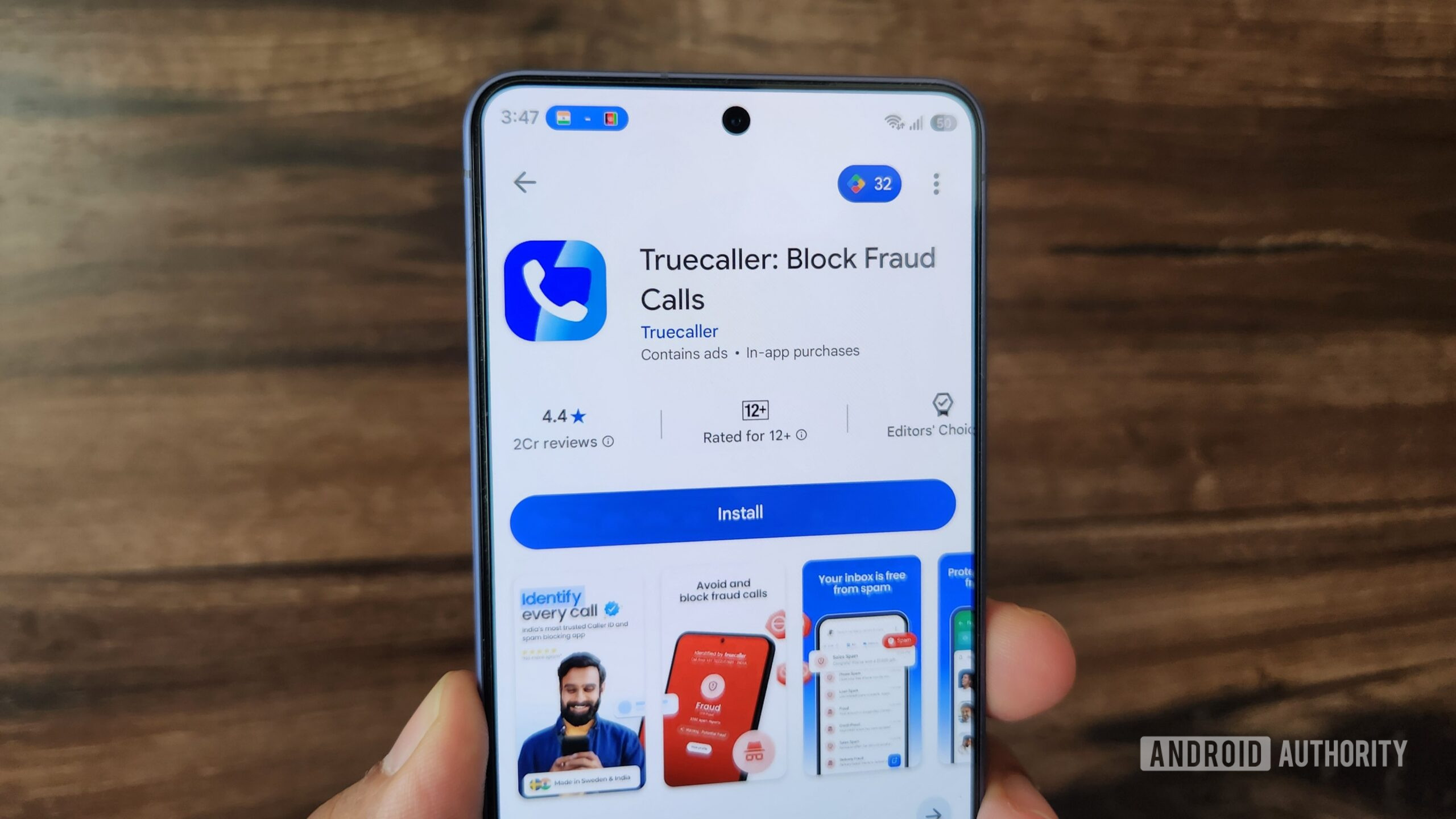
3. Truecaller: The Privacy Paradox
Truecaller is a utility that solves a very real, very annoying problem: spam calls. However, the mechanism it uses to achieve this is fundamentally intrusive.
The Privacy Trade-off: By signing up, you effectively upload your entire contact list to a central database. This "crowdsourced" approach to caller identification means that the names and numbers of your contacts—people who have not consented to be part of the service—are indexed and potentially accessible. Furthermore, the app’s appetite for permissions (location, call logs, SMS, storage) is disproportionate to the modern, built-in spam-blocking capabilities already present in the Google Phone app and Android’s native filtering systems.
4. CCleaner: Solving Problems That Don’t Exist
CCleaner was a household name for PC users for decades. On mobile, however, its utility is largely performative. Modern Android versions (Android 14 and beyond) feature highly efficient automated background process management and storage optimization.
Technical Context: The built-in "Files by Google" application handles the removal of cache, duplicate files, and unused media with higher system-level integration than any third-party app can achieve. Using CCleaner often results in the app itself becoming a resource hog, draining battery and memory to perform tasks that the OS is already handling more efficiently in the background.
5. AVG AntiVirus & Security: Redundancy in the Modern Era
The fear of viruses on Android is largely a remnant of the early, fragmented days of the platform. Today, Google Play Protect is a powerful, system-level scanner that checks apps during and after installation.
Official Perspectives: Google’s security documentation consistently highlights that as long as users stick to the Play Store and keep their system updated, the risk of traditional "virus" infection is negligible. Antivirus apps on Android often act as "security theater"—they use excessive battery to scan for threats that the OS has already neutralized, all while pushing users toward paid, premium tiers for features that are either already free or unnecessary.
Official Responses and Industry Standards
Representatives from Google’s Android Security team have frequently emphasized that the platform is moving toward a "secure-by-default" architecture. This includes features like "Scoped Storage," which limits how apps can interact with files, and "Permissions Auto-Reset," which revokes access for apps that haven’t been used in a while.
When confronted with the popularity of these "redundant" apps, industry analysts suggest that the issue is not technical, but behavioral. Many users are creatures of habit, downloading the same suite of "essentials" on every new phone they purchase, regardless of whether those apps have outlived their usefulness.
The Implications for the Average User
The continued reliance on these types of apps has three major implications:
- Increased Attack Surface: Every app installed on your phone is a potential gateway. By installing unnecessary utilities with high-level permissions, you are voluntarily increasing the number of ways a bad actor could potentially access your data.
- Resource Depletion: Battery life is the most precious commodity on a modern smartphone. Background processes, persistent notification listeners, and constant network pings from "cleaner" and "security" apps contribute significantly to thermal degradation and shorter daily battery life.
- False Sense of Security: The most dangerous outcome is the "security placebo." A user who feels safe because they have "Antivirus" installed may be less cautious about clicking suspicious links or downloading sideloaded APKs, mistakenly believing they are bulletproof.
Conclusion: A Shift in Digital Hygiene
The goal of digital hygiene in 2026 should be "minimalism." Before downloading an app that promises to optimize, clean, or protect your phone, ask yourself: Does my phone already do this?
In 90% of cases, the answer is yes. Android has become an incredibly robust, self-managing operating system. By removing these legacy apps, you aren’t just cleaning up your app drawer—you are reclaiming your privacy, extending your battery life, and ensuring that the only software interacting with your data is software that you truly need. It is time to stop judging apps by their download counts and start judging them by their necessity.

 Ammar Sabilarrohman
 Jia Lissa