Sagoh
Sagoh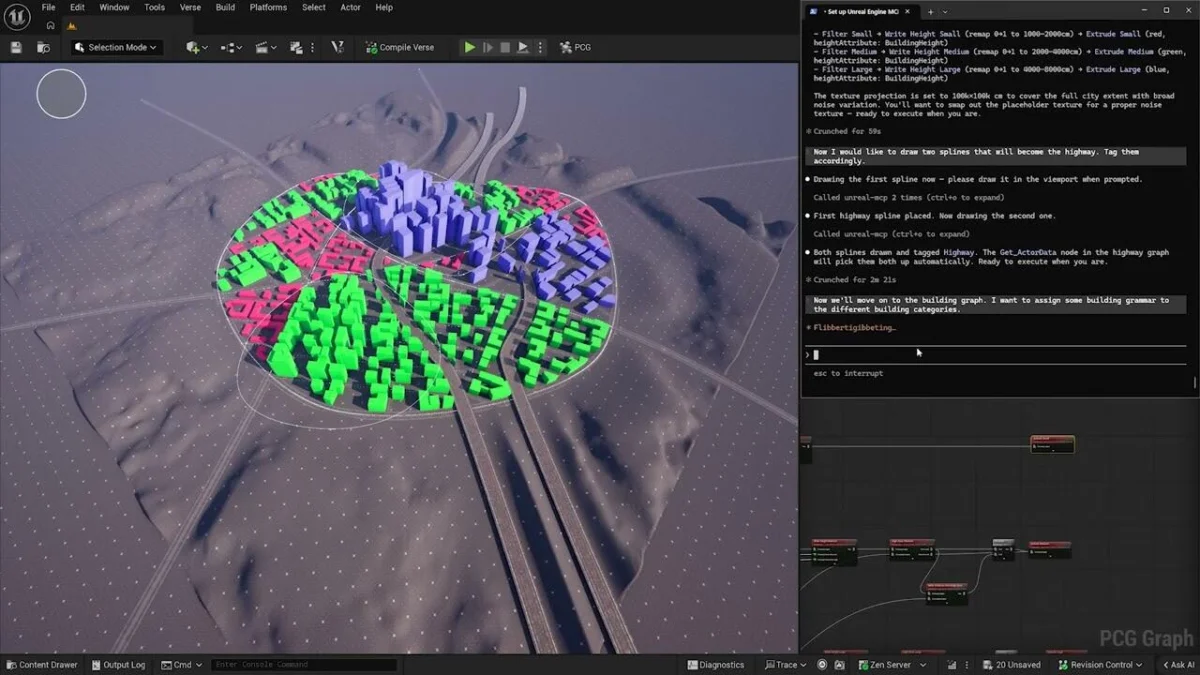
In a significant move that marks both a refinement of current standards and a bold step toward the next generation of interactive media, Epic Games has officially released Unreal Engine 5.8. While this update serves as a robust maturation of the UE5 ecosystem, it also serves as a poignant closing chapter for the current engine generation. Simultaneously, Epic has provided the industry with its first comprehensive roadmap for Unreal Engine 6 (UE6), a platform designed to unify the professional-grade Unreal Engine with the accessible, creator-focused tools of the Unreal Editor for Fortnite (UEFN).
This dual-track announcement signals a fundamental shift in how games, virtual productions, and persistent digital worlds will be built over the coming decade.
The Maturation of UE5: What’s New in 5.8?
Unreal Engine 5.8 is not an overhaul, but rather a "polishing" release intended to stabilize and expand the feature set that has defined the last few years of high-end game development. Epic has focused on deepening functionality in areas ranging from world-building and character animation to sophisticated rendering techniques.
World Building and Proceduralism
A standout addition is the experimental Mesh Terrain system. Historically, Unreal Engine relied on heightfields for terrain creation. Mesh Terrain shifts this paradigm by treating landscapes as true 3D objects, allowing for complex geometries such as overhangs, subterranean tunnel networks, and gravity-defying floating islands. This system integrates seamlessly with World Partition and One File Per Actor, enabling developers to build massive, dense worlds that were previously cumbersome to manage.

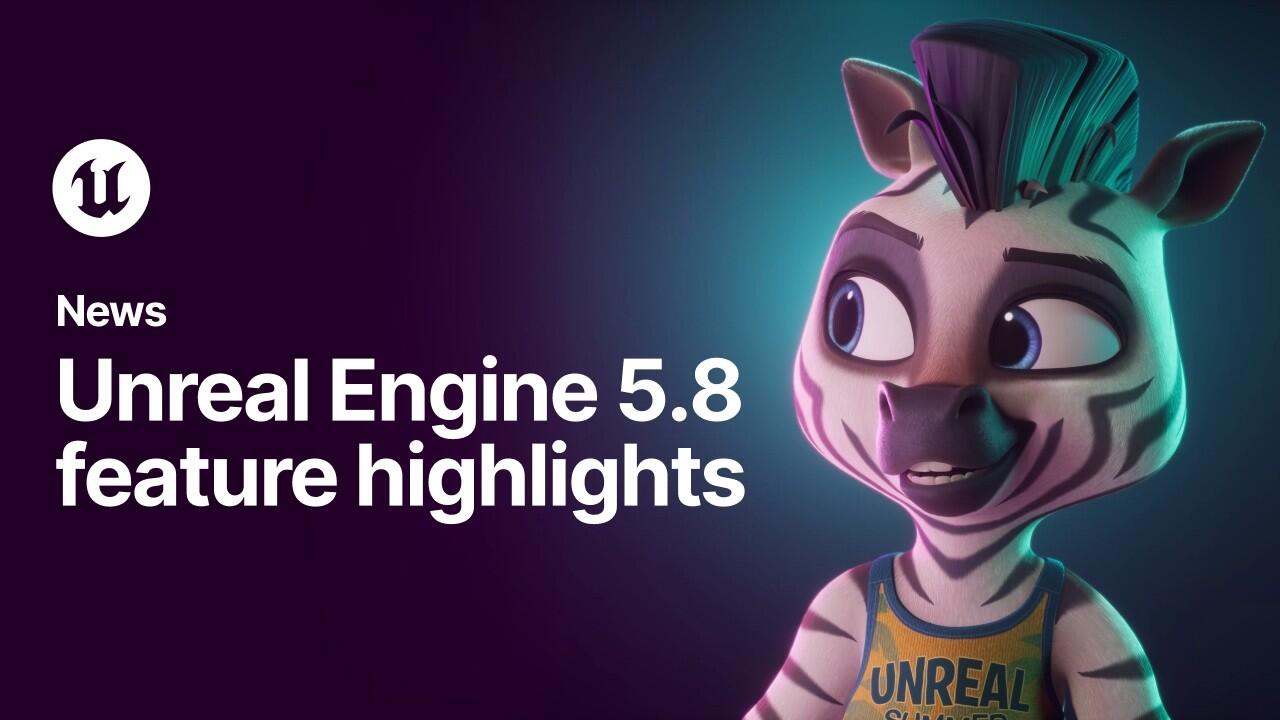
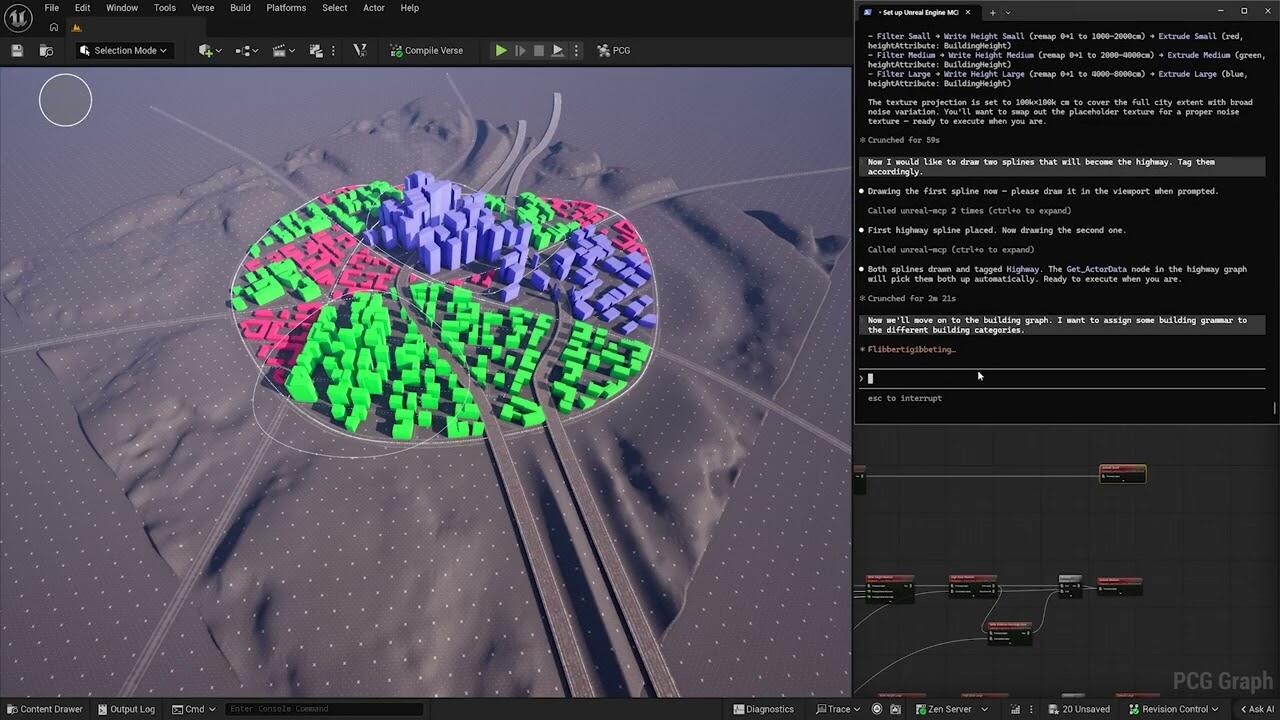
Furthermore, procedural content generation has received a significant boost. Developers can now layer manual, artistic edits over automatically generated terrain and structures without breaking the underlying logic. This hybrid approach is critical for creating vast, detailed environments like sprawling cities or realistic forests while maintaining the ability to "hand-craft" specific areas of interest.
Vegetation and Character Fidelity
For environmental artists, the new Procedural Vegetation Editor is a game-changer. By simulating biological competition—where trees compete for light and space—the engine allows for the growth of highly realistic, Nanite-compatible ecosystems.
The MetaHuman suite also sees massive upgrades. With the introduction of MetaHuman Collections, developers can now populate scenes with hundreds or even thousands of digital humans simultaneously, even on mobile hardware. The integration of markerless full-body capturing, which now functions with nothing more than a standard webcam, lowers the barrier to entry for high-fidelity character animation significantly.
Rendering Breakthroughs: Lumen Lite and MegaLights
Epic continues to push the boundaries of real-time lighting, aiming for a balance between cinematic visual quality and performance scalability.
- MegaLights: Now fully production-ready, MegaLights enables developers to utilize an unprecedented number of dynamic, shadow-casting lights within a single scene. The goal is to achieve 60 FPS on current-generation consoles, effectively eliminating the performance bottlenecks that previously limited lighting complexity.
- Lumen Lite: This is perhaps the most significant performance optimization in 5.8. Designed to maintain the visual essence of Lumen’s dynamic global illumination while drastically reducing GPU overhead, Lumen Lite is specifically engineered for hardware-constrained platforms, including the highly anticipated Nintendo Switch 2.
Rounding out the rendering suite is an experimental Toon Shader based on the Substrate framework, catering to the growing market for anime-inspired and stylized 3D aesthetics.
A Chronological Perspective: From "Lumen in the Land of Nanite" to 5.8
To understand the weight of the UE5.8 release, one must look back at the trajectory of the engine.
- May 2020: Epic unveiled Unreal Engine 5 via the iconic "Lumen in the Land of Nanite" demo. The industry was introduced to the concepts of virtualized geometry (Nanite) and dynamic global illumination (Lumen).
- May 2021: The Early Access phase began, allowing studios to stress-test the new workflows.
- April 2022: The official launch of Unreal Engine 5.0 set a new bar for fidelity.
- 2023–2025: A series of updates (5.1 through 5.7) iteratively improved performance, scalability, and stability, culminating in the late 2025 release of 5.7.
- 2026 (Present): Unreal Engine 5.8 arrives as the final major iteration of the UE5 branch, solidifying the toolset before the shift to the UE6 architecture.
Implications: The Shift Toward Artificial Intelligence
One of the most intriguing additions to UE5.8 is the Model Context Protocol (MCP) plugin. This represents Epic’s first serious foray into native AI integration. Unlike previous iterations that treated AI as a "black box" add-on, MCP allows large language models (LLMs) to have direct access to engine data, project blueprints, and material definitions.
By allowing the AI to "understand" the context of a project, developers can ask the engine to help restructure code, generate complex material graphs, or optimize level design. Importantly, Epic has maintained an agnostic stance, allowing developers to connect their preferred models—whether it be Claude, Gemini, or local, private models—ensuring that proprietary project data remains secure.
Unreal Engine 6: The Unification Era
The most monumental news from Epic’s latest State of Unreal presentation is the roadmap for Unreal Engine 6. Epic defines UE6 not as a sequel, but as a convergence.
The Integration of UEFN and Core Engine
The core mission of UE6 is the fusion of the professional Unreal Engine with the Unreal Editor for Fortnite (UEFN). Epic envisions a future where the engine serves three distinct but interconnected purposes: traditional high-end game development, the creation of Fortnite-based experiences, and the fostering of "live ecosystems."
The Scene Graph and Verse
The backbone of this transition is Verse, Epic’s new programming language. Designed for massive, persistent simulations, Verse allows for server-side code execution that is modular and resilient. If a script fails, the engine can roll back to a known "safe" state without crashing the entire simulation. This is the cornerstone of Epic’s goal to create "metaverse-like" experiences that can host thousands of concurrent users in a shared, persistent world.
Portable Economies and Content
Epic is also tackling the issue of "content silos." By leveraging open standards like glTF and USD, they intend to make digital assets—such as a player’s skin or equipment—portable across different games and platforms. The first test case will involve Fortnite cosmetics, which are planned to be converted into open modules, allowing developers to integrate these assets into their own custom-built games, effectively creating a cross-platform digital economy.
Official Roadmap and Industry Impact
Epic has provided a clear timeline for the transition to UE6:
- Late 2027: Early Access release of Unreal Engine 6.
- 2028–2029: Full commercial release of the final engine version.
To mitigate anxiety regarding project migration, Epic has assured developers that the transition will not be a "hard break." Early versions of UE6 will continue to support existing Actors and Blueprints. The transition to the new, Verse-based Scene Graph will be gradual, with automated tools provided to help developers migrate their projects once the new architecture has been thoroughly field-tested.
A New Philosophy for Development
The transition from 5.8 to 6 represents a philosophical shift in software development. Epic is moving away from the "isolated product" model and toward a "connected ecosystem" model. By embracing AI through MCP, prioritizing cross-game portability, and unifying their professional and consumer-facing tools, Epic is positioning itself to be the dominant infrastructure provider for the next generation of the internet.
For current developers, UE5.8 serves as the perfect "bridge." It provides a stable, highly efficient environment to finish existing projects while offering a glimpse into the AI-augmented, procedural future of UE6. While the leap to the next engine version is significant, the methodical approach outlined by Epic—ensuring backwards compatibility and gradual integration—suggests that the industry is being guided toward a more interconnected and creative future, one where the tools of the creator are as powerful as the imagination of the player.

 Suro Senen
 Dwi Wanna