


For nearly a century, the cinematic iteration of "The Mummy" has existed in a state of perpetual identity crisis. It has oscillated between the gothic, atmospheric dread of Boris Karloff’s 1932 classic and the swashbuckling, CGI-laden adventure of the Brendan Fraser-led 1999 blockbuster. Following the spectacular failure of the 2017 reboot—which famously attempted to launch a "Dark Universe" that dissolved before it even began—audiences were left wondering if the ancient curse of Imhotep was better off left in the tomb.
However, 2026 has provided a definitive, albeit polarizing, answer. Lee Cronin’s The Mummy, a lean, mean, and undeniably gruesome horror entry produced by titans James Wan and Jason Blum, has officially taken the streaming world by storm. Currently sitting as the number-one film on HBO Max according to data from FlixPatrol, the movie represents a bold attempt to pivot the franchise back to its roots in psychological terror and visceral body horror.
A Chronology of Cursed Reboots
To understand the cultural phenomenon surrounding the current HBO Max hit, one must look at the fractured history of the property. For many, Stephen Sommers’ 1999 The Mummy remains the gold standard. It was a perfect blend of Indiana Jones charm and supernatural spectacle. Yet, for purists of the 1932 Karl Freund original, that film lacked the suffocating, claustrophobic dread that defined the franchise’s infancy.
The 2017 reboot starring Tom Cruise was meant to be the cornerstone of Universal’s ambitious "Dark Universe." Instead, it became a cautionary tale of corporate overreach. Between the infamous leaked trailer that lacked its sound effects and the lackluster critical reception, the film stalled the franchise’s momentum for nearly a decade.
When it was announced that Lee Cronin—the visionary behind the claustrophobic The Hole in the Ground and the visceral, crowd-pleasing Evil Dead Rise—would helm a new installment, horror enthusiasts felt a flicker of hope. By branding the film Lee Cronin’s The Mummy, producers Wan and Blum made a conscious choice to signal a "director-driven" approach, distancing the project from the baggage of the studio-mandated blockbusters that preceded it.
The Aesthetic Shift: From Adventure to Atrocity
The primary driver of the film’s current streaming dominance is its radical tonal departure from its predecessors. This is not a film about treasure hunters or cursed artifacts in the traditional sense. Instead, it is a harrowing exploration of trauma, grief, and demonic possession.
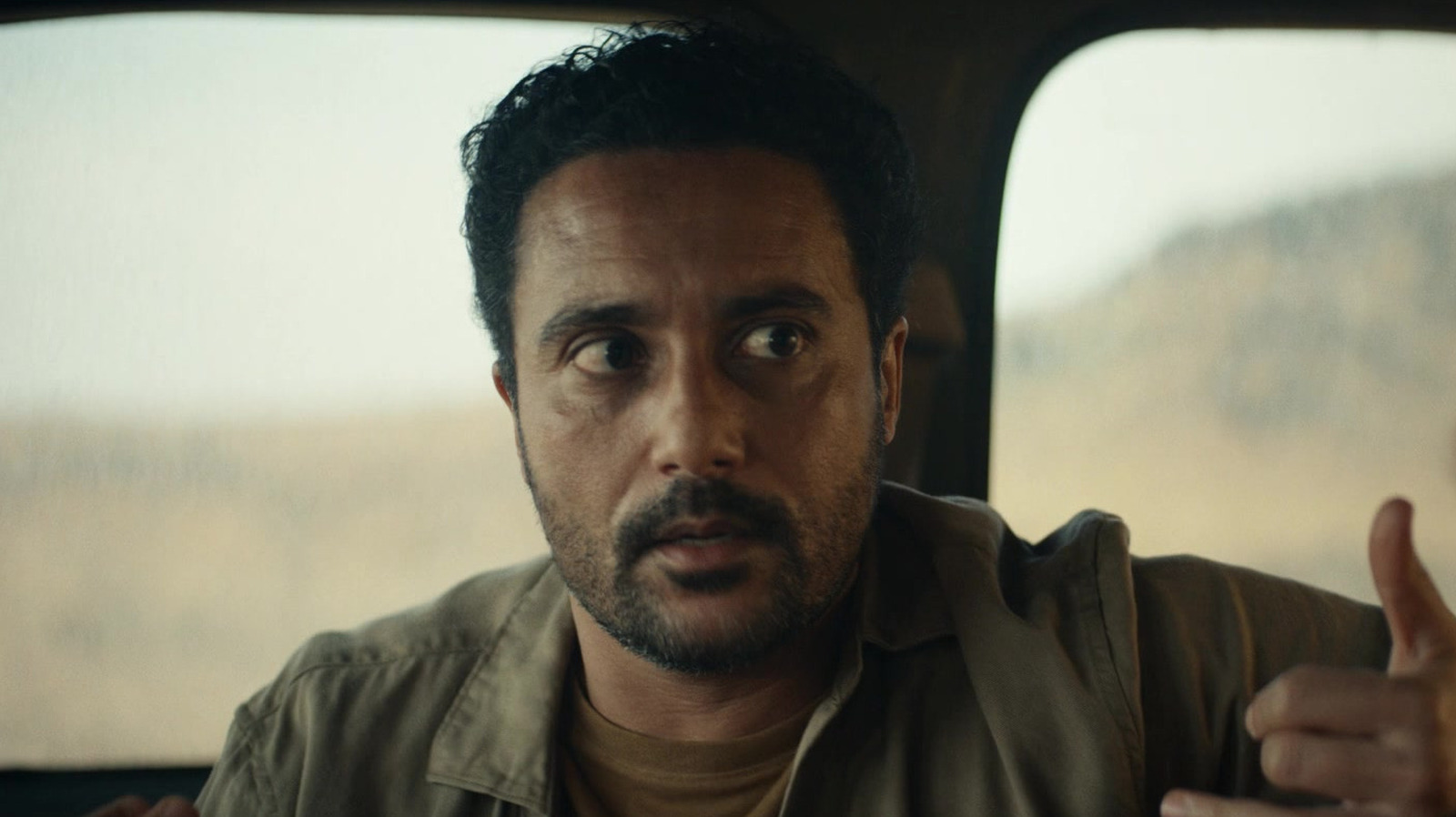
The narrative follows a married couple (played by Jack Reynor and Laia Costa) whose world is shattered when their eldest daughter is abducted in Cairo. The film jumps eight years forward, revealing the daughter’s return, only for the family to discover that she has been fundamentally altered—not just by her captors, but by something ancient and malevolent.
The "Evil Dead" Influence
Cronin has effectively brought the "goopy," high-stakes energy of his Evil Dead Rise to this project. The film leans heavily into practical effects and squirm-inducing body horror. For fans of the Evil Dead franchise, the DNA is unmistakable: the film treats the human body as a canvas for supernatural torment, utilizing tight framing and relentless pacing to ensure the audience never feels safe.
The "Exorcist" Echoes
Beyond the blood and guts, Lee Cronin’s The Mummy positions itself as a somber meditation on loss. The director, who has spoken openly about crafting the film while processing the death of his own mother, infuses the script with an oppressive sense of sorrow. Critics have noted that while the film occasionally veers into territory reminiscent of William Friedkin’s The Exorcist, it maintains a unique visual language that keeps it from feeling like a mere homage.
Supporting Data: Why It’s Winning the Streaming Wars
The success of Lee Cronin’s The Mummy is not just anecdotal; the numbers reflect a significant shift in audience appetite.
- Box Office Performance: Despite a modest $22 million production budget—a pittance by modern blockbuster standards—the film earned over four times its cost during its theatrical run. This demonstrates the efficiency of the Blumhouse-Wan model: high-concept, low-risk, and high-reward.
- Streaming Dominance: According to FlixPatrol, the film has held the top spot on HBO Max for over a week. This suggests that the "horror" pivot was the correct commercial decision. By abandoning the "event movie" scale in favor of a "prestige horror" scale, the film has found a sustainable audience that spans both franchise completists and fans of independent horror.
Official Responses and Creative Friction
The inclusion of Cronin’s name in the title is more than a marketing gimmick; it signifies a shift in power dynamics between studio and director. Sources indicate that Cronin was granted significant creative autonomy over the final cut, a rarity for a property owned by a major studio.
However, this autonomy has been a point of contention for some viewers. The final runtime of 133 minutes has been criticized by some as excessive. While the film is a deeply personal work for the director, the pacing often stalls under the weight of its own narrative ambition. Some reviewers argue that the film’s "addled" structure—a mix of high-concept possession drama and psychological thriller—could have benefited from a tighter edit. Nevertheless, even its detractors admit that Cronin’s talent is undeniable. He manages to elevate the material beyond the typical "B-movie" trappings that often plague horror reboots.
Implications for the Future of the Franchise
What does the success of this film mean for the future of The Mummy?
First, it validates the "director-first" strategy. By hiring a filmmaker with a distinct voice and allowing them to imprint that voice on a legacy IP, Warner Bros. and their partners have breathed new life into a stagnant brand. We are likely to see a trend of "auteur-driven" horror reboots in the coming years, where the focus shifts from building "universes" to building individual, high-quality nightmares.
Second, it marks a permanent shift in how The Mummy is perceived. The days of the swashbuckling, fun-for-the-whole-family adventure are likely behind us. The audience has spoken, and they prefer their mummies to be conduits of terror rather than villains in a treasure hunt.
Finally, the film serves as a high-profile calling card for Lee Cronin. While the script may have struggled to fully reconcile its complex themes, the film’s visual identity and emotional depth have solidified Cronin as one of the most exciting voices in contemporary genre filmmaking. Whether or not he returns for a sequel remains to be seen, but he has successfully rescued the franchise from the tomb of the "Dark Universe."
Conclusion
Lee Cronin’s The Mummy is an imperfect, sprawling, and deeply unsettling piece of work. It is not the film that 1999 fans wanted, nor is it the film that 1932 purists expected. Instead, it is a hybrid—a bold, messy, and intensely personal exploration of grief wrapped in the skin of a supernatural horror movie.
Its dominance on HBO Max proves that there is a hunger for horror that takes its subject matter seriously. In a landscape saturated with sequels and shared universes, Cronin’s willingness to prioritize tone and emotional stakes over world-building is a refreshing change of pace. For those willing to sit through its demanding runtime, The Mummy offers a haunting, gory, and thought-provoking experience that proves some legacies are better left buried—unless, of course, you have a director brave enough to exhume them with a fresh vision.










