

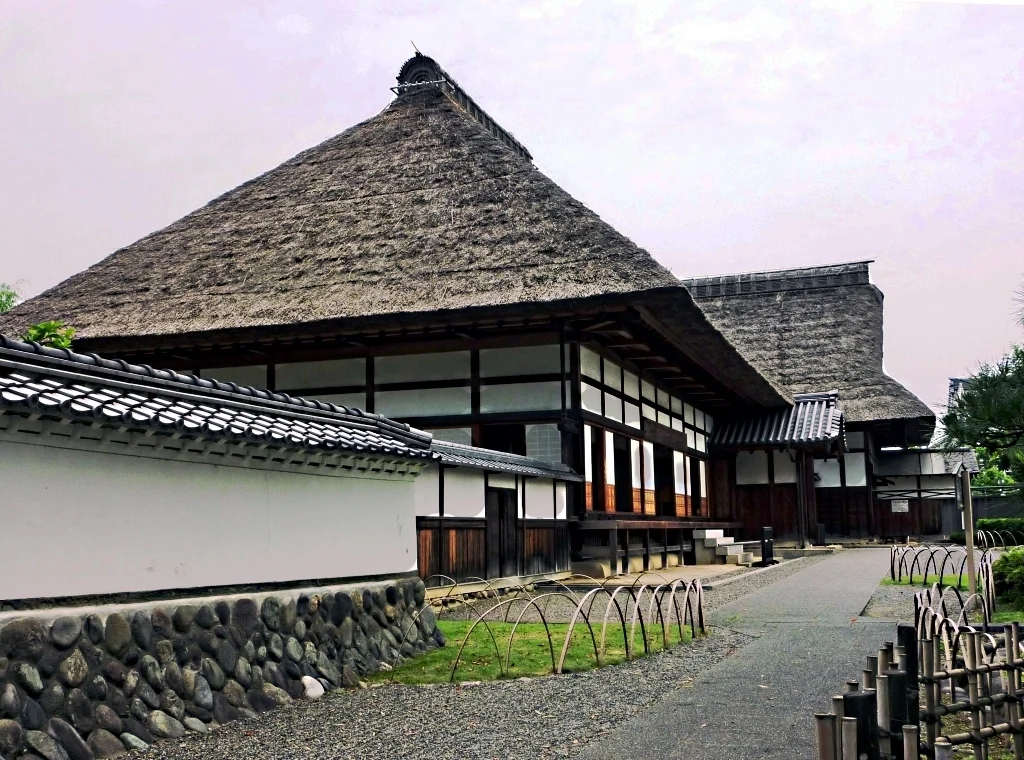
Deep in the heart of Tochigi Prefecture, shielded from the frenetic pace of Tokyo by a ninety-minute train ride, lies an institution that defies the common Western narrative of academic history. While the names Oxford, Bologna, and Paris are often heralded as the cradle of the university system, Ashikaga Gakko (Ashikaga School) quietly predates them all. As the oldest standing academic institution in Japan, it serves as a profound monument to a scholarly tradition that has persisted for over a millennium.
Though the small city of Ashikaga (population 145,000) is often bypassed by tourists in favor of the gilded shrines of Nikko, Ashikaga Gakko stands as a destination of immense intellectual weight. It is not merely a collection of preserved timber and stone; it is a bridge to a medieval past where Confucian philosophy was the bedrock of East Asian governance and morality.
The Pillars of Antiquity: Core Facts and Institutional Legacy
Ashikaga Gakko is a rarity in the global historical landscape. Documentary evidence places its founding between 839 and 842 CE, though some traditional accounts attribute its origins to the 9th-century scholar Ono no Takamura. By the mid-16th century, the academy had reached its zenith, hosting approximately 3,000 students. Its reputation was so formidable that Francis Xavier, the Jesuit missionary who introduced Christianity to Japan, famously identified it in a 1549 letter to Rome as “the largest and most famous academy in Eastern Japan.”
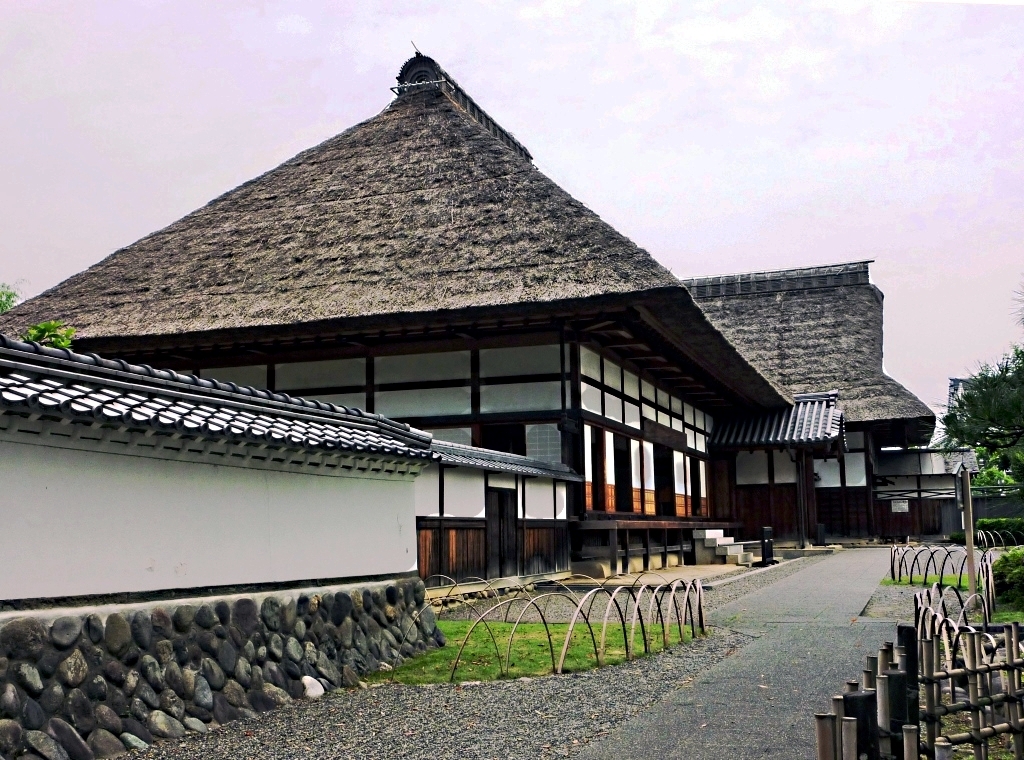
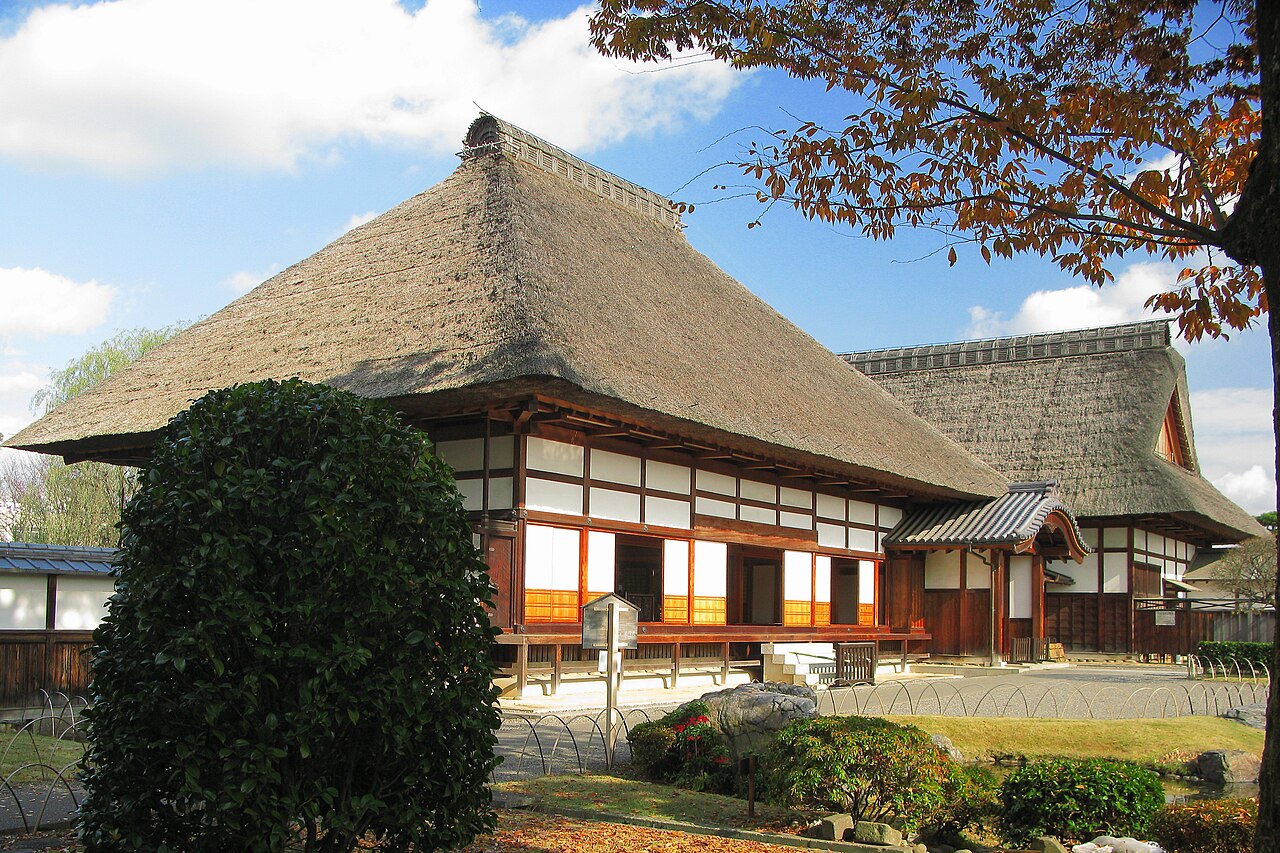
The site operates today as a meticulously restored complex, reflecting its layout from the Edo period (1603–1868). Managed with the reverence due a National Historic Site, the academy offers visitors a glimpse into the life of a medieval scholar—a life defined by the rigorous study of the Four Books and Five Classics, Chinese medicine, military strategy, and the philosophical tenets of the I Ching.
A Chronology of Scholarly Endurance
To understand Ashikaga Gakko, one must view its history not as a straight line, but as a series of crucial revivals.
The Early Centuries (9th–14th Century)
The school’s origins are shrouded in the mists of early Heian-period Japan. While the exact date is subject to academic debate, the institution survived the turbulent shifts of the late Heian and Kamakura periods, serving as a sanctuary for literary and philosophical preservation.
The 1432 Renaissance
The modern institutional identity of the school was forged in 1432 under the patronage of Uesugi Norizane, the powerful lord of Shimotsuke Province. Norizane recognized the strategic and moral importance of a centralized academy. He invited esteemed Zen scholar-monks from the Engaku-ji temple in Kamakura to oversee the curriculum and donated his personal, extensive library of rare Song Dynasty texts. This act transformed the school into the premier center for Confucian study in the archipelago.
The Golden Age of the Hojo Clan
By the mid-16th century, the school thrived under the patronage of the Hojo clan of Odawara. It was during this period that the school’s influence was at its height, boasting a library that was arguably the most comprehensive collection of Confucian classics in Japan. The curriculum was strictly secular, separating the study of Confucian ethics from the religious training of the Zen monasteries, a distinction that emphasized the academy’s focus on governance and civil society.
Meiji Abolition and Modern Restoration
The arrival of the Meiji Restoration in 1868 brought the closure of the school, as the new government sought to modernize the Japanese education system along Western lines. The library was dispersed, and the site saw its functions transition to local community use. It was not until 1990 that a decade-long project of archaeological and textual research culminated in a full-scale restoration, returning the site to its Edo-period glory.
Supporting Data: Architecture and Intellectual Infrastructure
The current site, encompassing 8,000 square meters, is a testament to historical precision. The restoration process utilized period-accurate joinery and layout designs recovered from 17th-century records.
Key Structural Features:
- Nyutoku-mon (Entering Virtue Gate): The outer threshold where students traditionally bowed, signifying the transition from the mundane to the academic.
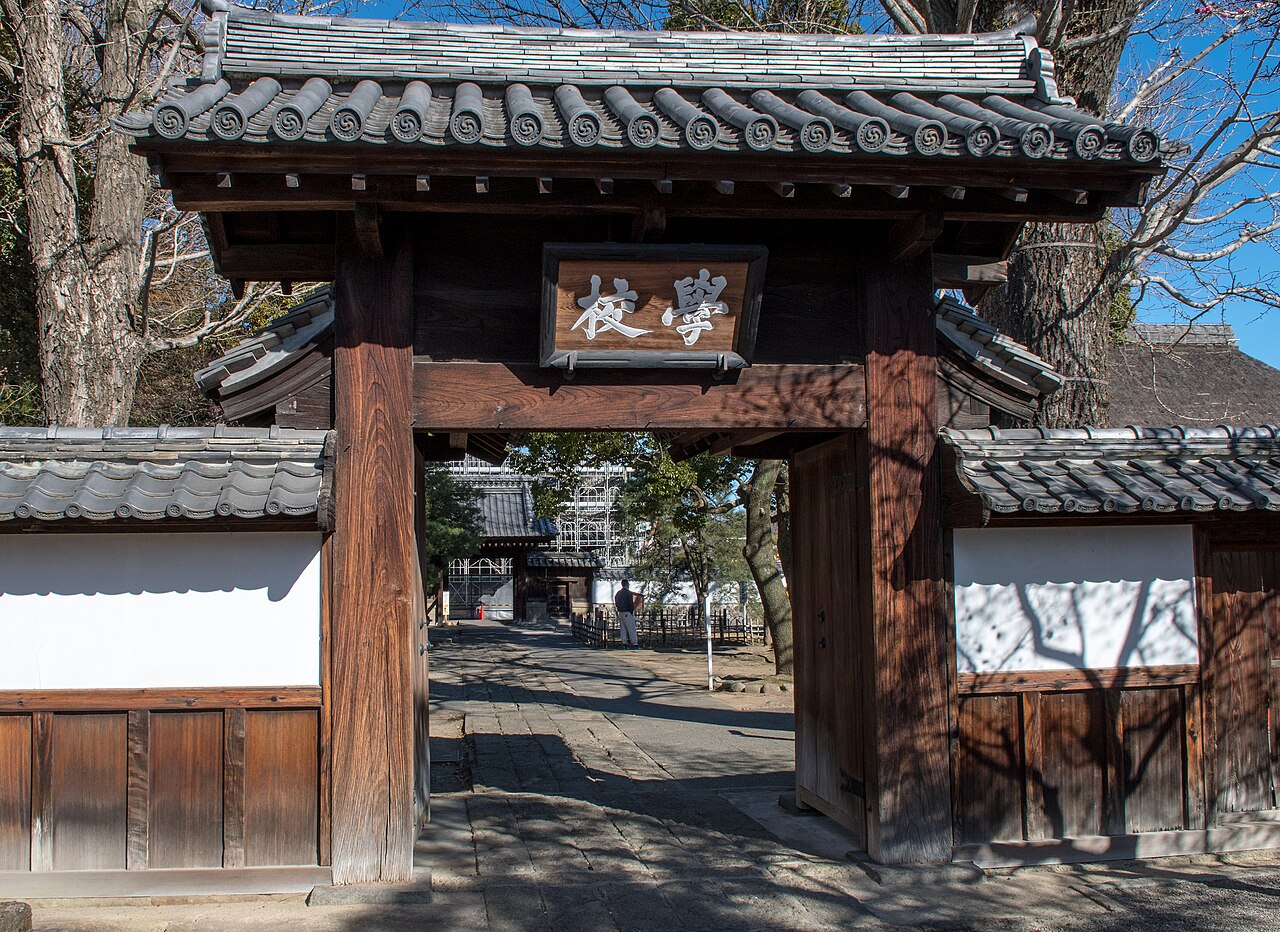
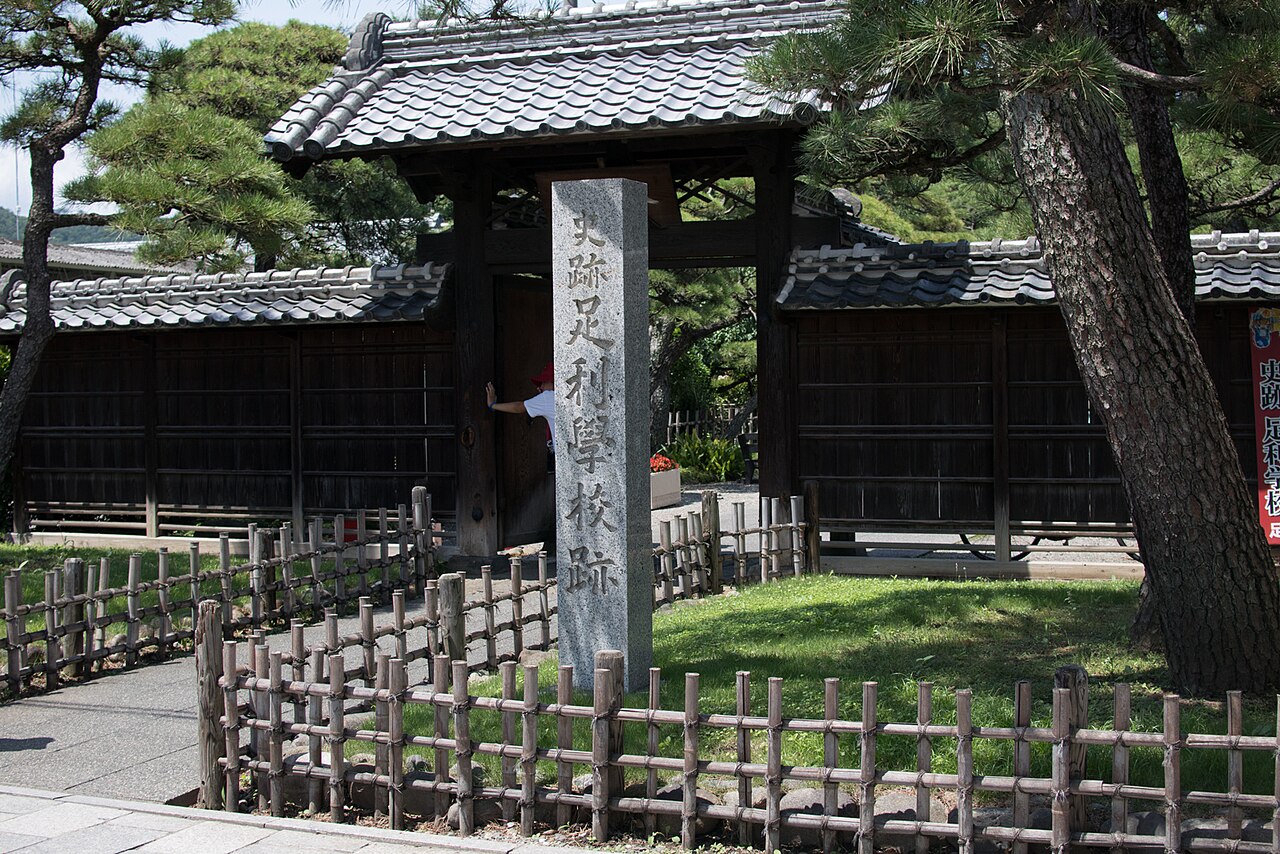
- Gakko-mon (School Gate): The main entrance, featuring a stone plinth from 1668, topped with a restored wooden structure. The calligraphy, which reads "Gakko" (School), serves as a constant reminder of the site’s function.
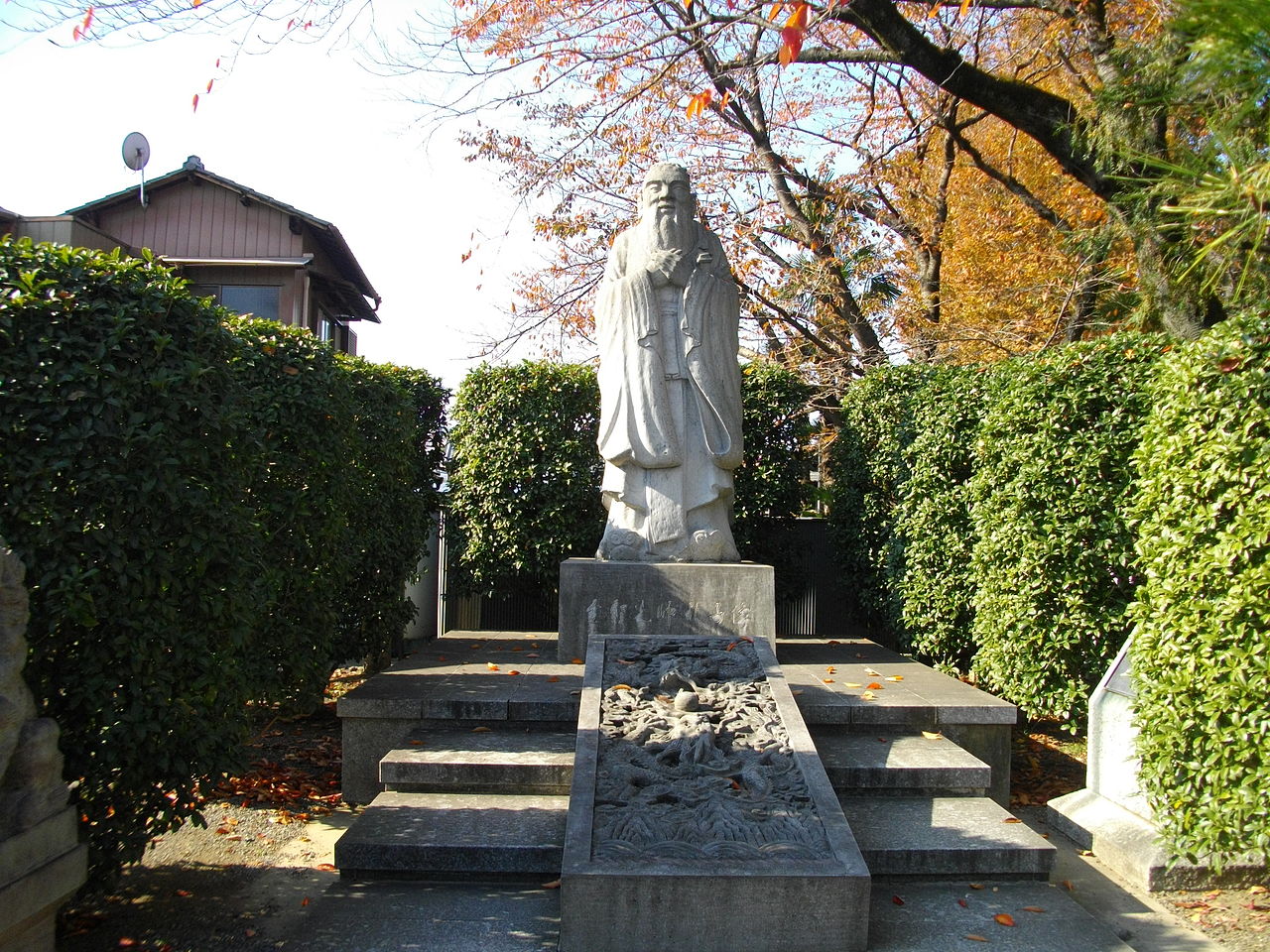
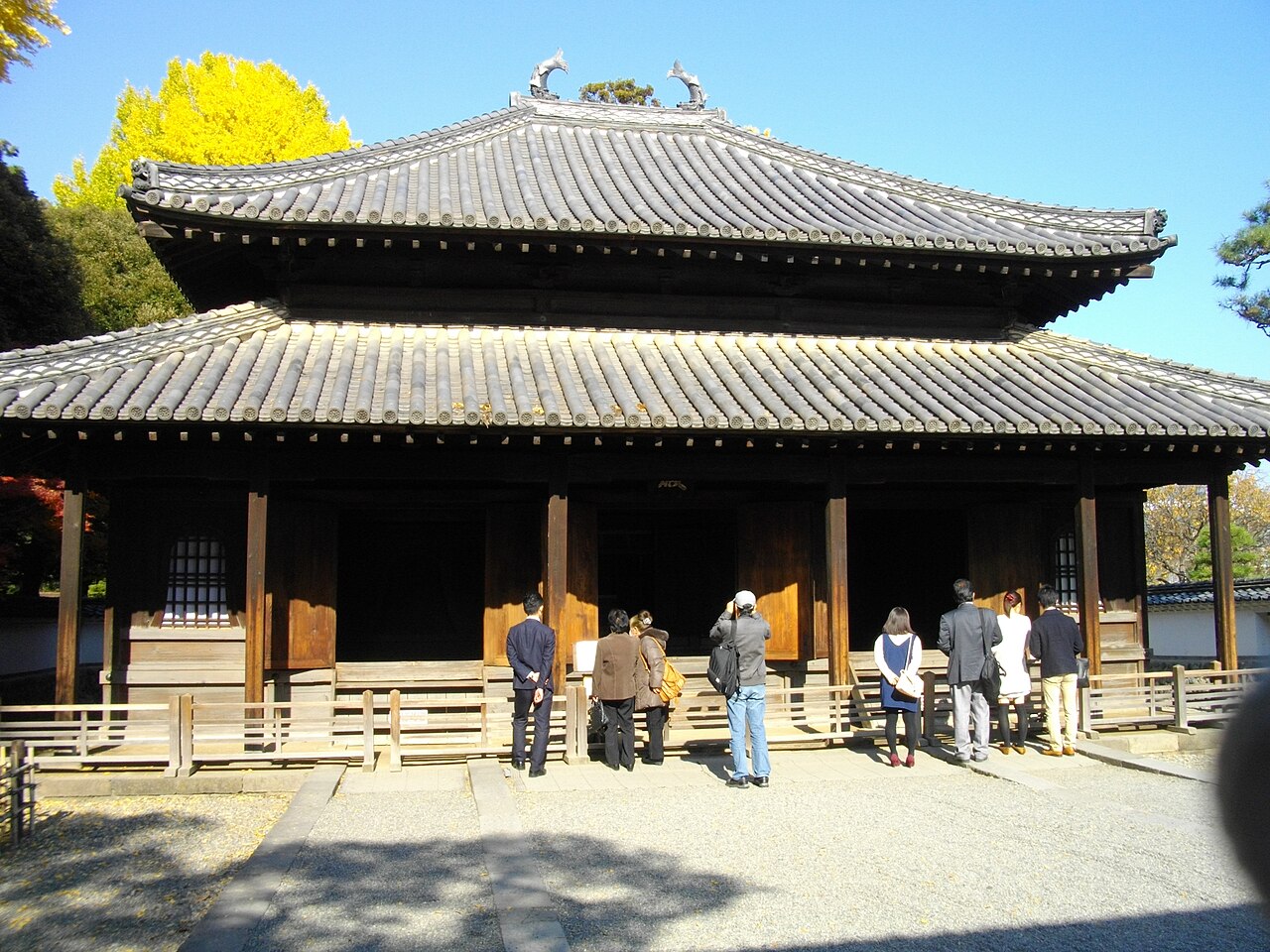
- Koshibyo (Confucian Temple): The spiritual heart of the academy. This structure houses a 16th-century statue of Confucius and remains the only site in Japan where the original Edo-period sekiten rites are still performed.
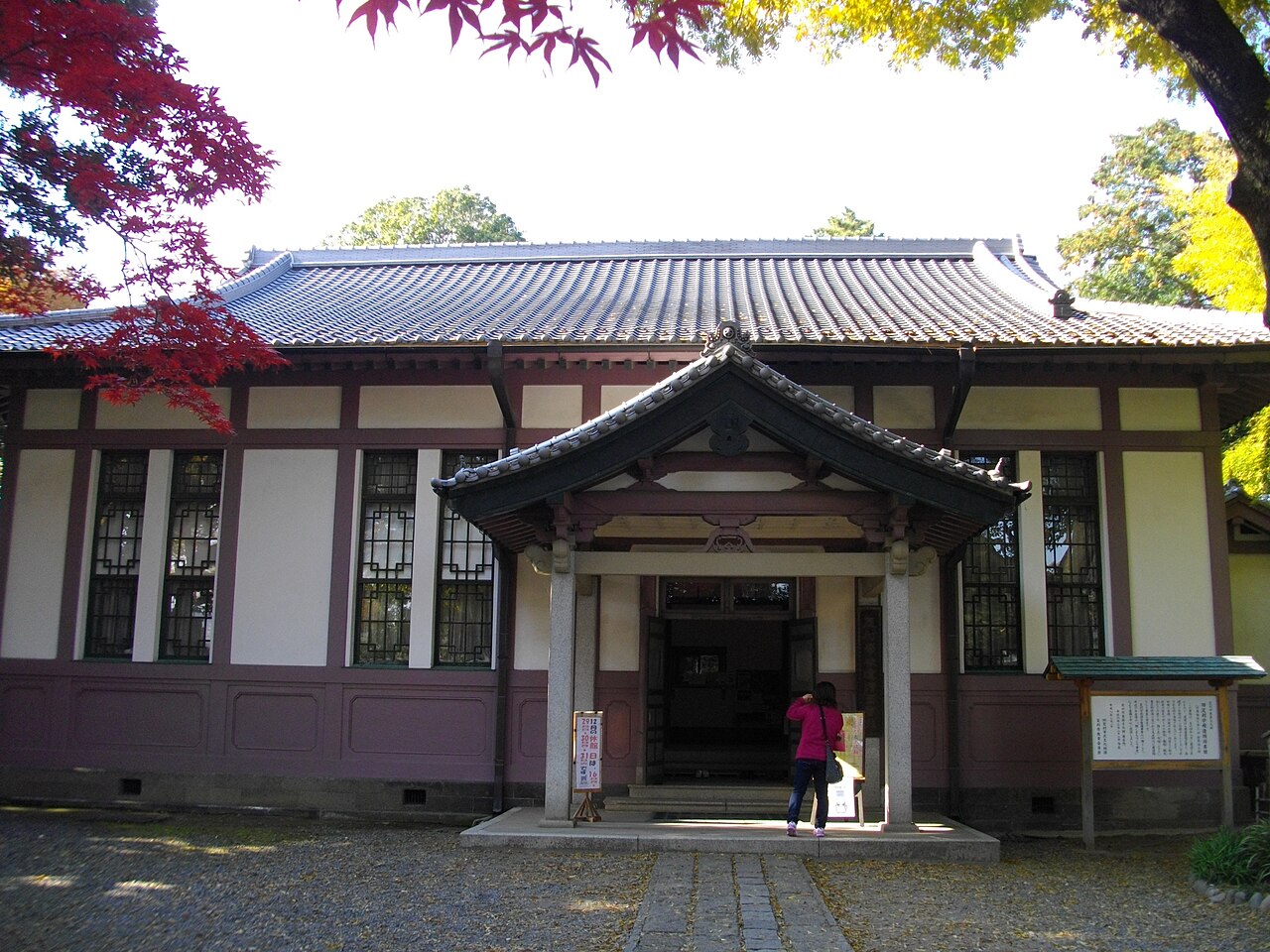
- The Library Wing: While the original manuscripts are now housed in the Tokyo National Museum and the National Diet Library, the on-site library features high-quality facsimiles. These volumes—covering medicine, divination, and classical philosophy—illustrate why this institution was considered the intellectual engine of the region.
Official Perspectives and Educational Rites
The academic community and local government treat Ashikaga Gakko not as a static museum, but as a living site of scholarly continuity. The most tangible expression of this is the Analects Read-Aloud Programme. Held on Sundays between April and November, this program invites participants to read passages from the Analects of Confucius alongside a lecturer.
This is not a performative act for tourists, but a genuine exercise in kokoro (heart/mind) and historical literacy. By keeping these traditions alive, the academy preserves the rhythm of the medieval classroom. The sekiten ceremonies—conducted in spring and autumn with classical music, white ceremonial robes, and traditional offerings—serve to remind modern visitors that the Confucian path remains a pillar of East Asian identity.
Implications for the Modern Humanities
Why does a site in Tochigi matter to the global traveler or the modern historian?
A Counter-Narrative to Eurocentrism
The existence of Ashikaga Gakko challenges the persistent bias that the concept of the "university" is an exclusively Western invention. While Europe was formalizing its own institutions, Japan was cultivating a sophisticated, secular, and highly structured academic culture. The academy’s ability to attract 3,000 students in the 16th century—a number that dwarfed many European universities of the same period—suggests a level of literacy and social commitment to education that is often overlooked in global history textbooks.
The Role of Preservation
The story of Ashikaga Gakko is also a study in the resilience of heritage. The dispersal of its library after 1868 could have marked the end of its significance. Instead, the collaborative effort between local government, the National Diet Library, and scholars has allowed for a reconstruction that is academically rigorous. It demonstrates that history is not just about what is "old," but about the active, continuous effort to understand and reconstruct the past for the benefit of the present.
A Pilgrimage for the Humanities
For educators and scholars, the site offers a unique look at how knowledge was transmitted in a pre-digital age. The separation of Confucian study from Zen monasticism provides a fascinating case study in how secular education can exist within a religious cultural framework. It is a site of "pilgrimage" for those who value the intellectual history of East Asia, proving that even as the world rushes toward the future, there is immense value in returning to the source of foundational wisdom.
Conclusion: Is the Journey Worth It?
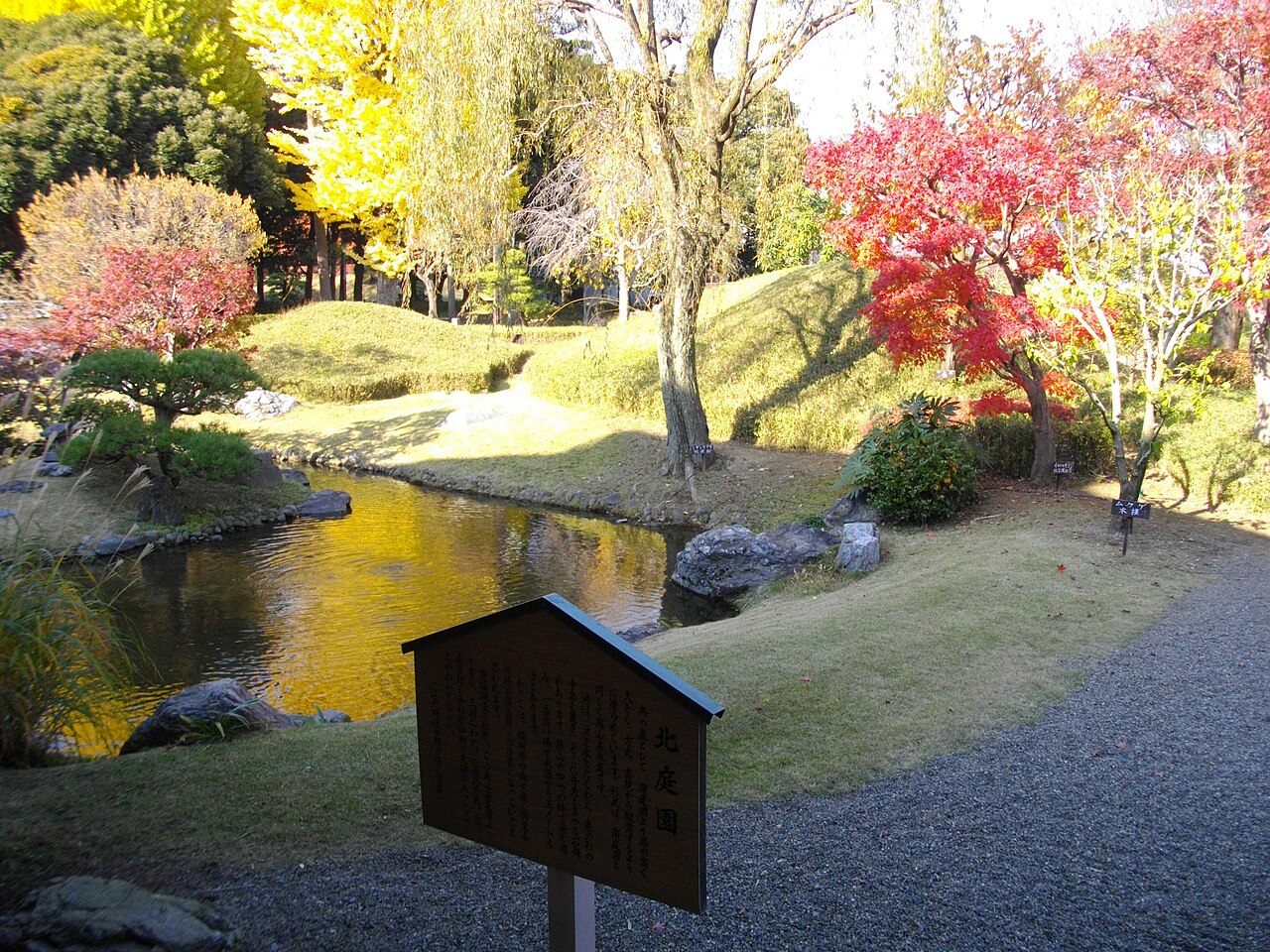
For the average traveler, the appeal of Ashikaga Gakko lies in its quiet beauty—the interplay of shadow and light on tatami floors, the geometric perfection of the Northern Garden, and the deep, ringing silence that permeates the Confucian temple. When combined with a visit to the neighboring Banna-ji Temple and the vibrant colors of the Ashikaga Flower Park, the town becomes a compelling, multi-faceted destination.
However, for the student of history, the philosopher, or the educator, the site is non-negotiable. It is a rare opportunity to step inside a time capsule that has been thoughtfully reopened. In an age where digital information is ubiquitous and fleeting, Ashikaga Gakko serves as a profound reminder of the weight of the printed word and the enduring power of a place dedicated, above all else, to the pursuit of learning.











