The 2026 World Cup will be remembered for many things: the tactical masterclasses, the stunning upsets, and the emergence of new global superstars. However, in the digital corridors of X (formerly Twitter), the tournament’s defining narrative wasn’t just about the athletes on the pitch—it was about a virtual pop star. Hatsune Miku, the world-renowned Japanese vocaloid, became the subject of an elaborate, month-long international "custody battle" that mirrored the tournament’s progression, captivating millions and spawning a bizarre, statistically improbable superstition that haunted every nation that dared to claim her.
When the dust finally settled, it was Spain who emerged victorious, not only hoisting the FIFA World Cup trophy but also securing the final, undisputed custody of Hatsune Miku. This surreal intersection of internet culture and professional sport turned the 2026 tournament into a participatory performance art piece, where every goal scored was not just a point on the scoreboard, but a transfer of power over a digital icon.
The Genesis: A Single Post Ignites a Global Phenomenon
The saga began on June 26, three days before the Round of 32 clash between Japan and Brazil. While the match was already a high-stakes fixture on the football calendar, X user Rosco Graves elevated the stakes with a simple, four-line declaration: “Japan vs Brazil in the World Cup, whoever wins keeps Hatsune Miku.”
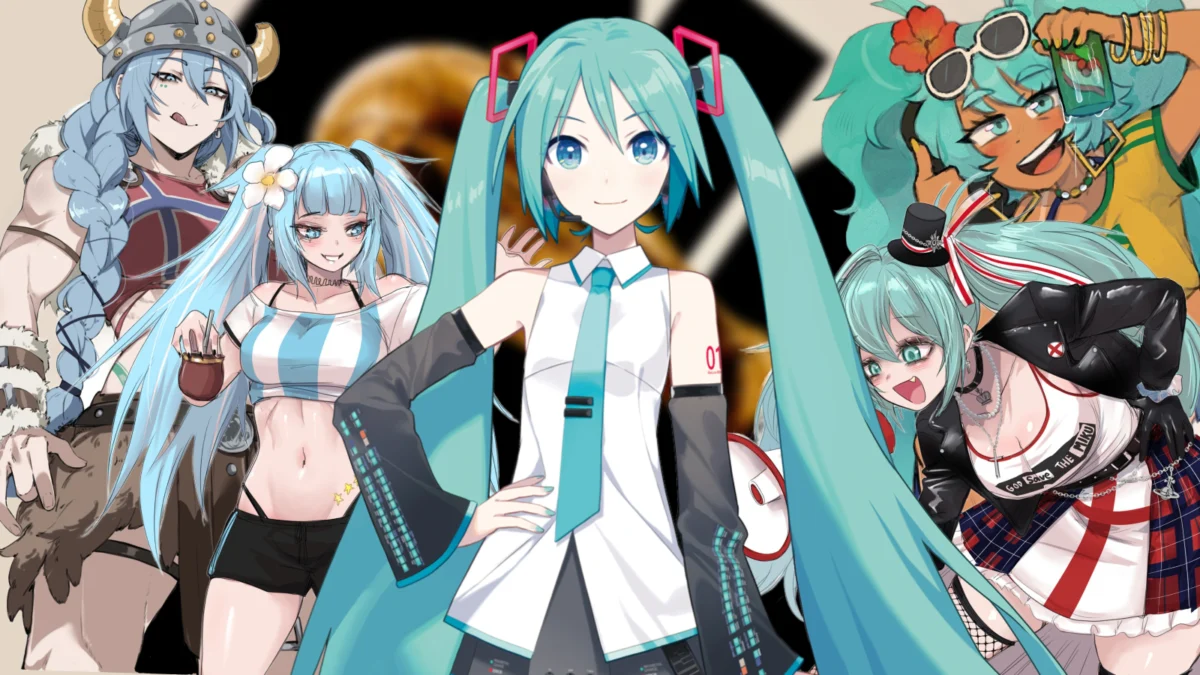
The premise was rooted in the "World Miku" trend that had been simmering since 2024. This fan-driven movement encouraged artists to re-imagine the turquoise-haired idol in the traditional garb, colors, and cultural motifs of different nations. With over 3,000 regional variants already documented on the community-maintained Miku.earth map, the World Cup provided the perfect stage to turn a creative hobby into a competitive sport.
The tweet went viral, amassing over 1.6 million views and 118,000 likes. It transformed the match into a proxy war, pitting the original Japanese Miku against the vibrant, fan-favorite Brazilian variant. Fans began treating the fixture as a high-stakes "custody hearing," setting the stage for what would become the most viral side-story in sports history.
Chronology of a Digital Migration
As the tournament progressed, the "custody" of Hatsune Miku became a running narrative that shadowed the official bracket. The rules were simple: the winner of any match involving the current "custodian" inherited Miku.
The Fall of Japan (June 29)
Japan entered the tournament as the rightful guardian of their national icon. However, the Round of 32 proved to be a reality check. Despite Kaishu Sano giving Japan an early lead in the 29th minute, Brazil roared back with two goals to seal a 2-1 victory. By virtue of the internet’s established rules, Miku was transferred to Brazil. Fans immediately flooded social media with depictions of Miku in Brazil’s iconic yellow-and-green jerseys, often styled with denim shorts and beach-inspired aesthetics.
The Viking Era (July 5)
Brazil’s reign was short-lived. In the Round of 16, Norway delivered a tactical masterclass, with Erling Haaland netting a brace to secure a 2-1 win. The handoff to Norway triggered a massive wave of "Viking Miku" fan art, featuring the singer in horned helmets, fur-lined armor, and wielding battle axes. A viral post of Haaland carrying a Miku plush earned 4.1 million views, cementing the meme as a legitimate, mainstream World Cup storyline.
The English "Homecoming" (July 11)
Norway’s tenure ended in the quarterfinals. After a grueling match, England’s Jude Bellingham scored a late winner to snatch a 2-1 victory. The transfer of custody to England brought a flurry of "God save the Miku" memes and a playful revival of the old vocaloid trope: that Miku refuses to communicate with British people. Despite the reluctance, English fans embraced the mascot, dressing her in punk-rock attire and historic knightly armor.
The Argentine Conquest (July 15)
In the semifinals, England’s time at the top came to an abrupt end against Argentina. A dramatic late comeback saw Enzo Fernandez and Lautaro Martinez score in the final minutes to secure a 2-1 victory. The transfer to Argentina was marked by iconic imagery of Lionel Messi kissing a Miku plush, a photo-edit that circulated globally within minutes of the final whistle.
The Final Showdown (July 19)
The final match between Argentina and Spain was the ultimate test of the "Miku Curse." Spain, having steered clear of the custody battle until the very end, entered the pitch as the only neutral party. With a clinical 1-0 victory, Spain took both the trophy and the responsibility of the final custody.
The "2-1 Curse": Statistical Anomalies or Digital Omen?
Perhaps the most eerie aspect of the Miku custody battle was the recurring scoreline that accompanied every transfer. Japan, Brazil, Norway, England, and Argentina all saw their custody end in a 2-1 defeat.
This statistical anomaly—a perfect string of 2-1 results—baffled fans and data analysts alike. The phenomenon, dubbed the "2-1 Miku Curse," became a central pillar of the meme. Artist communities created intricate, ominous comics depicting each new owner being warned that they were "next on the list." The fact that every nation succumbed to the same scoreline suggested to many that the "custody" of Miku was not a gift, but a heavy burden that inevitably led to the team’s downfall in the subsequent fixture.
Official Responses and Cultural Impact
While FIFA remained silent on the unofficial custody battle, the impact on the tournament’s digital footprint was undeniable. Marketing agencies and social media managers for the participating football federations were forced to acknowledge the trend. Several teams, including the Norwegian Football Federation, engaged with the meme, posting lighthearted content that acknowledged the "Viking Miku" transition.
Cultural historians have noted that this event marks a shift in how major global events are consumed. "The Miku custody battle wasn’t just a meme; it was a collaborative digital history," says Dr. Elena Vance, a scholar of digital media. "By attaching a global icon to the physical reality of the World Cup, fans created a narrative layer that made the games feel more intimate and personalized."
Implications for Future Sporting Events
The success of the 2026 Miku custody battle raises questions about the future of fan engagement. As digital identities and virtual influencers continue to grow in popularity, we are likely to see more "crossover" events where pop culture icons serve as unofficial mascots for athletic competition.
The 2026 World Cup proved that modern fans are no longer content to be passive observers. Through platforms like X, they can construct their own mythology, create their own stakes, and dictate their own winners. Whether or not the "Miku Curse" holds any weight in reality, its influence on the 2026 tournament was absolute.
As the world looks toward 2030, the question remains: will the next host nation be prepared to inherit the responsibility of the world’s most famous vocaloid? For now, Miku rests in Spain, the final champion of a contest that was never officially played, yet felt like the most important game of the year. The custody battle has concluded, but the precedent it set—that the digital and physical worlds are now irrevocably linked—is only just beginning to be understood.