Nana Muazin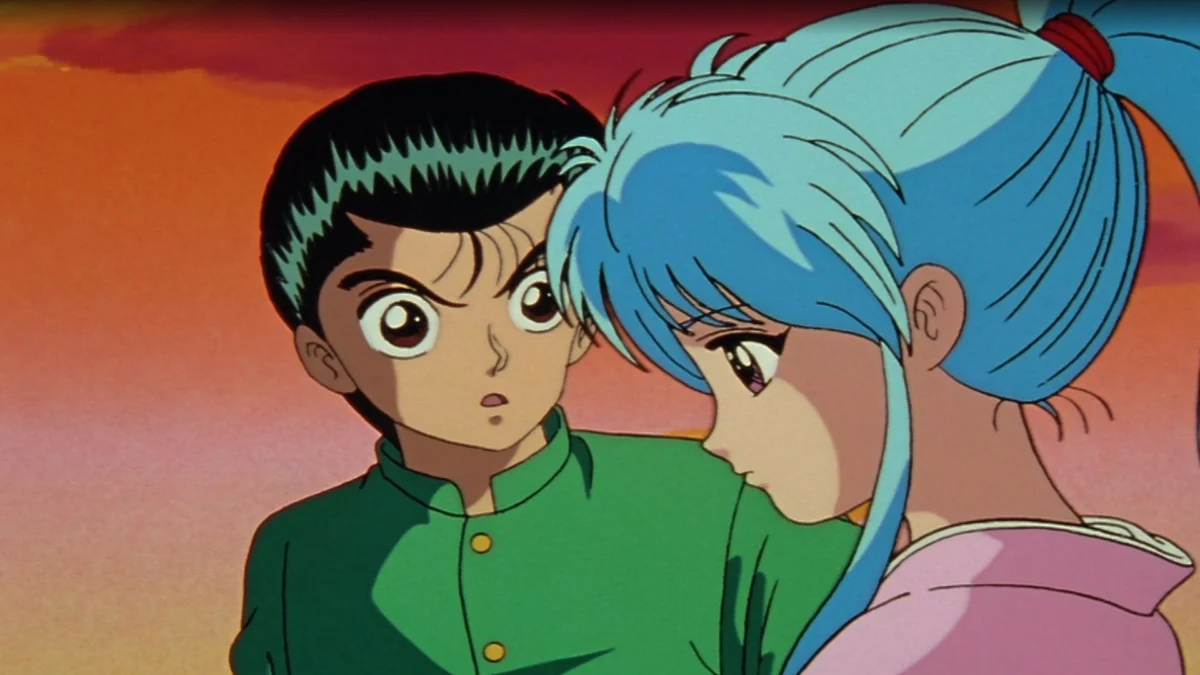
For millions of children and teenagers growing up in the late 1990s and early 2000s, the ritual was sacred. Once the final school bell rang, the television was tuned to Cartoon Network. At 4:00 PM, the familiar, synth-heavy, futuristic aesthetic of Toonami would pulse onto the screen, hosted by the enigmatic, chrome-plated robot, TOM. This wasn’t just a programming block; it was a cultural phenomenon that served as the primary gateway for Western audiences into the world of Japanese animation.
While tape-trading and underground fan clubs existed for those already initiated into the complexities of Trigun or the original Dragon Ball, Toonami brought the medium to the masses. It was an accidental revolution, one that transformed a niche import market into a multi-billion-dollar global industry.
The Chronology of a Cultural Shift
The evolution of Toonami is a study in precise, strategic programming that inadvertently cultivated a massive, hungry demographic.
- 1997: The launch of the block. Its first major success, Voltron: Defender of the Universe, set the tone for what the audience expected: high-stakes action, giant robots, and serialized storytelling that differed significantly from the episodic "reset" nature of American Saturday morning cartoons.
- 1998: The "big bang" of anime in the West. Dragon Ball Z began its historic run. The sheer scale of its 291-episode narrative demanded a level of investment from viewers that had never been seen before in children’s television.
- 1999–2001: The Golden Age of Toonami. The introduction of Outlaw Star and The Big O signaled that the block was willing to take risks on more mature, atmospheric, and character-driven narratives.
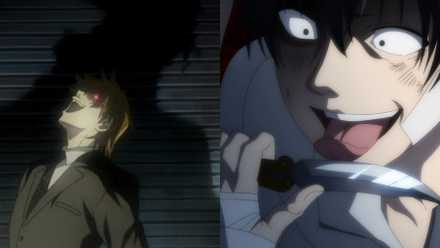
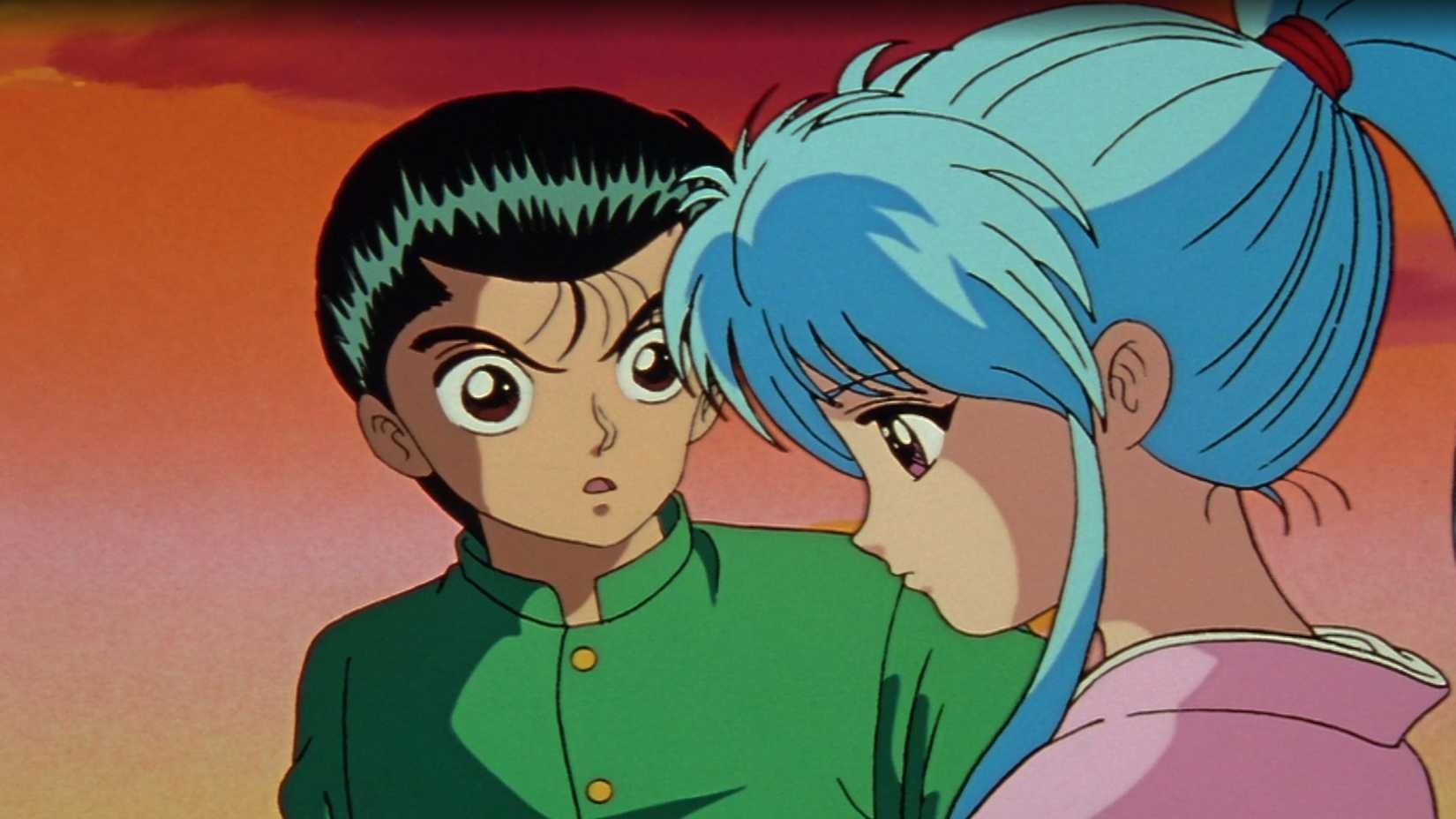
- 2003: The maturation of the audience. The debut of Yu Yu Hakusho proved that the demographic had grown alongside the content, demanding more complex fight choreography and deeper supernatural themes.
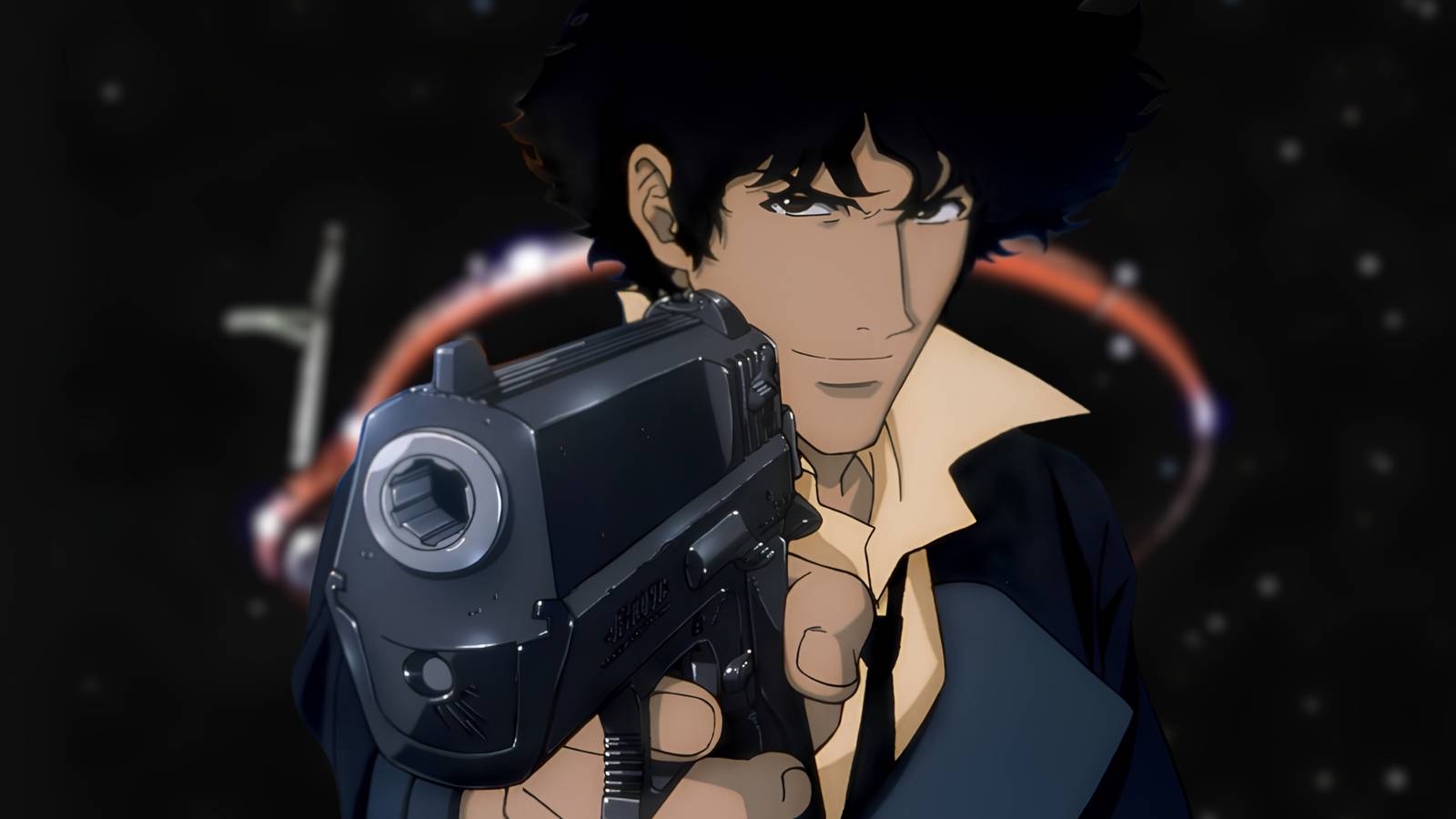
- 2001–2012: The transition to Adult Swim. As the Toonami generation grew into young adulthood, iconic series like Cowboy Bebop shifted into late-night slots, solidifying anime’s status as a medium for all ages, not just children.
Supporting Data: By the Numbers
The impact of these shows cannot be overstated. When analyzing the longevity of these series, we see a clear pattern of syndication success that paved the way for modern streaming services.

| Series | Original Run (Japan) | Episodes | Primary Studio |
|---|---|---|---|
| Dragon Ball Z | 1989–1996 | 291 | Toei Animation |
| Yu Yu Hakusho | 1992–1994 | 112 | Pierrot |
| Rurouni Kenshin | 1996–1998 | 95 | Studio Gallop/Deen |
| Outlaw Star | 1998 | 26 | Sunrise |
| Cowboy Bebop | 1998 | 26 | Sunrise |
The "Toonami effect" was not just about ratings; it was about retention. Unlike traditional shows that were aired in random order, Toonami emphasized continuity. Fans would skip extracurricular activities to ensure they didn’t miss a single episode of a transformation arc or a climactic duel. This consistency turned casual viewers into lifelong superfans.
The Pillars of the Toonami Era
Dragon Ball Z: The Gateway Drug
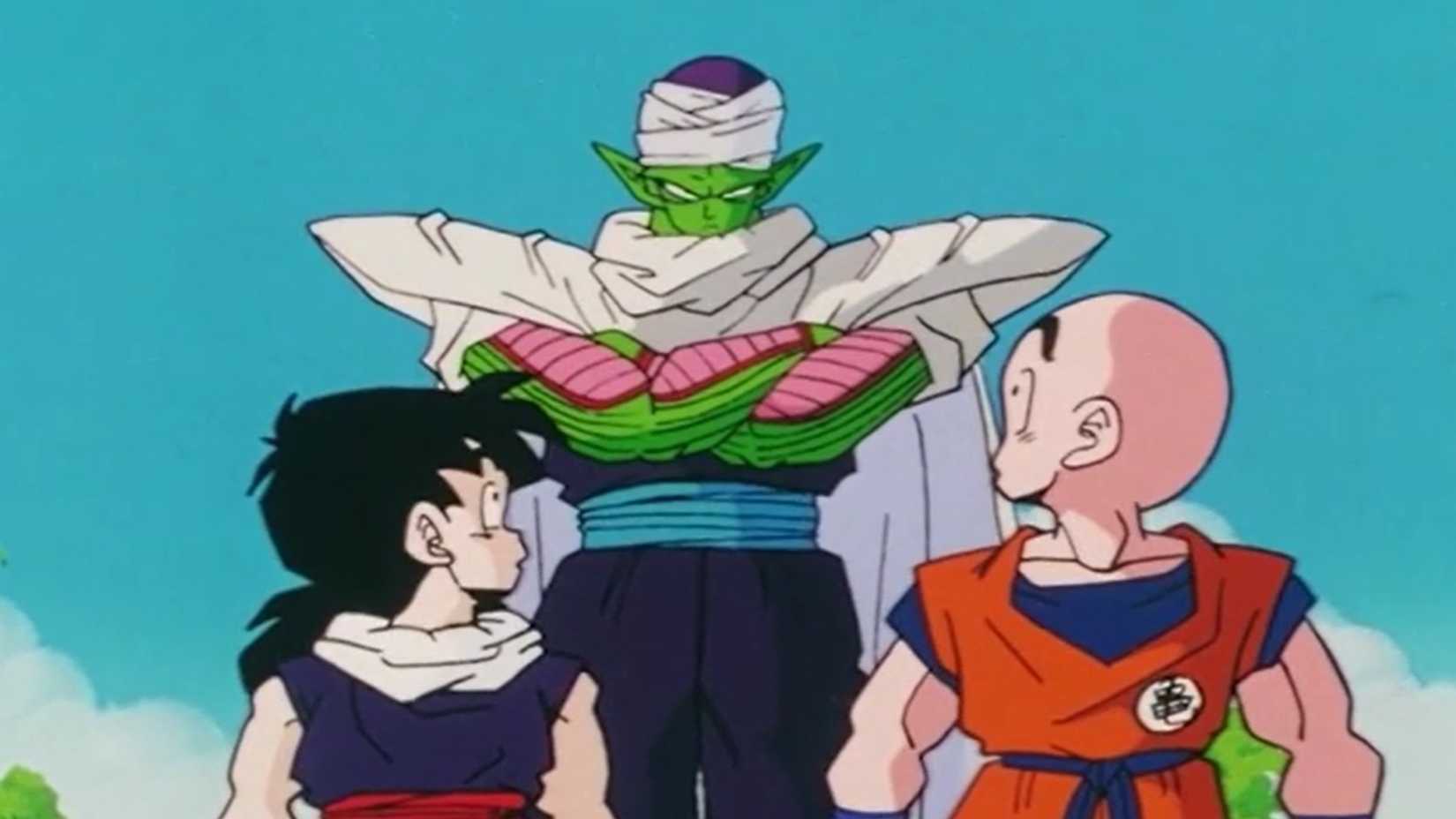
It is impossible to discuss the rise of anime in the West without acknowledging Dragon Ball Z. It was the anchor. By airing all 291 episodes over a multi-year period, Cartoon Network created a daily appointment for millions. It didn’t matter that the show was "old" by the time it reached American shores; the high-octane spectacle of the Super Saiyan transformation became the standard by which all other action media were measured.
Rurouni Kenshin: The Sword-Fighting Renaissance
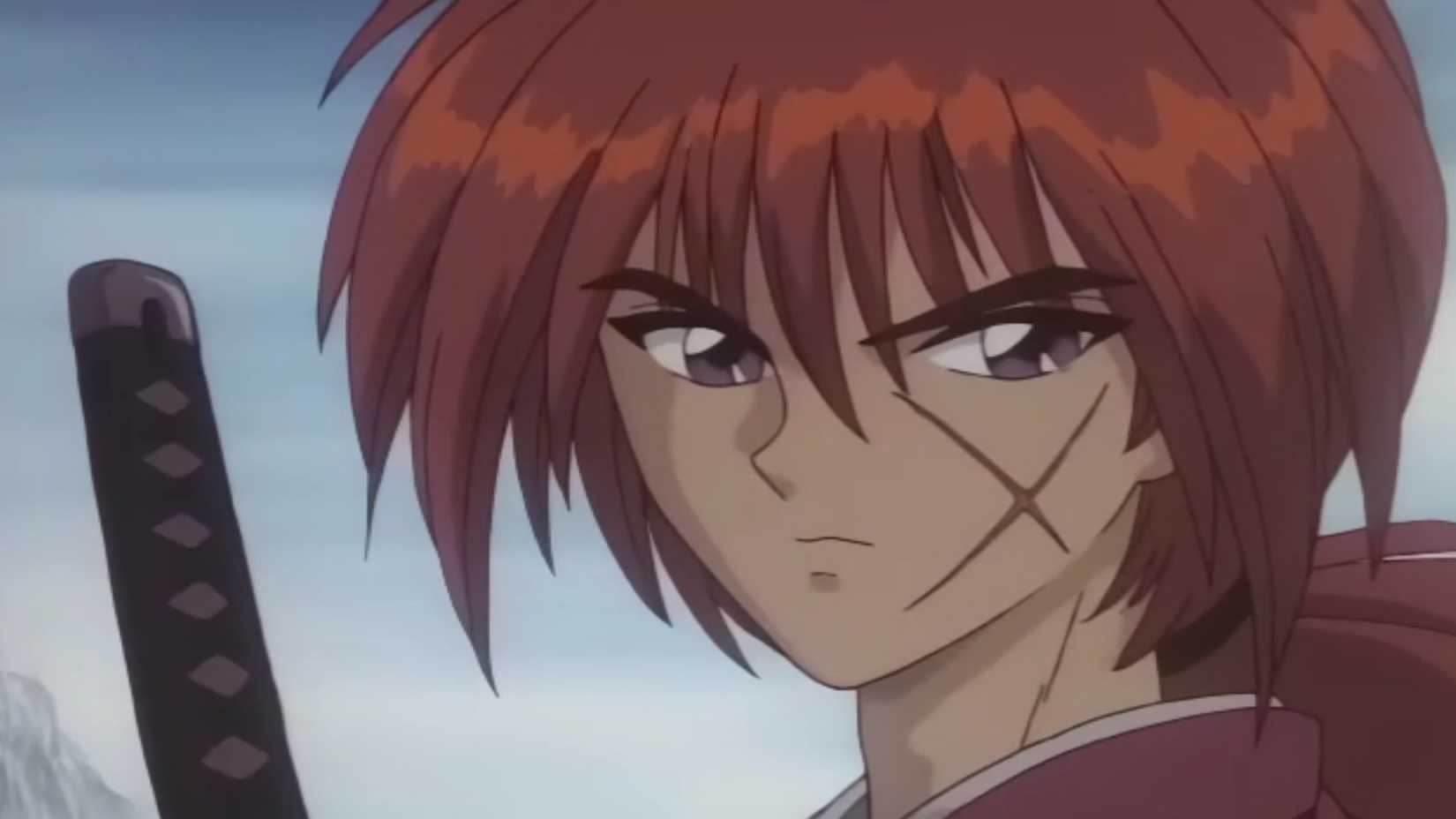
Often remembered as Samurai X, this series introduced Western fans to historical fiction blended with supernatural martial arts. Though the localization process saw only 62 episodes initially reach the block, the series left an indelible mark on the psyche of viewers who were just beginning to appreciate the nuances of "sword anime." It proved that anime could handle themes of redemption, regret, and post-war trauma alongside high-stakes combat.
Outlaw Star: The Space Western
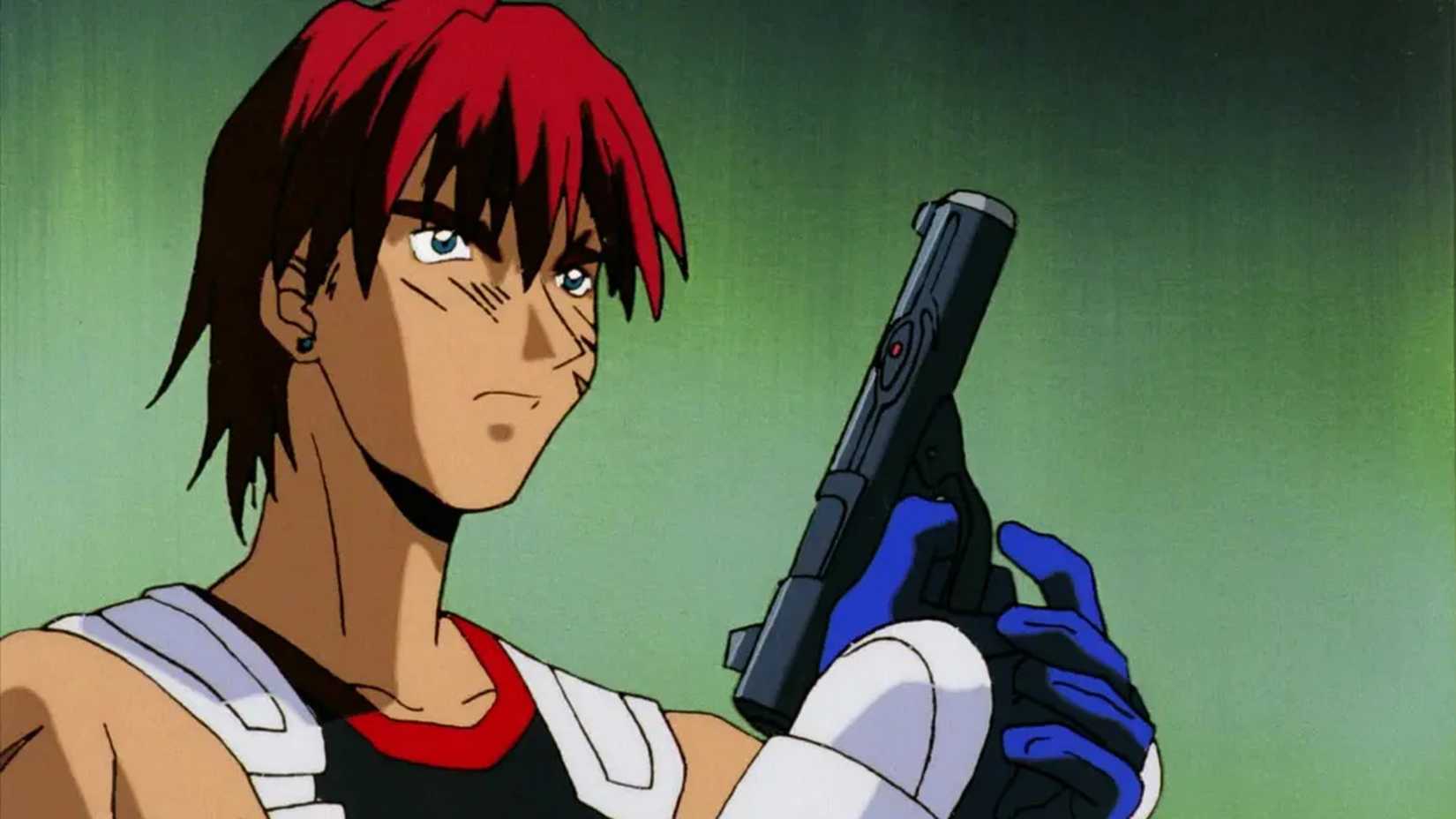
While Cowboy Bebop brought the style, Outlaw Star brought the adventure. It was a perfect blend of space exploration and gunplay. For many, it was the first show that felt truly "adult" in its character dynamics, featuring a ragtag crew of bounty hunters that felt grounded despite the fantastical setting.
The Big O: A Study in Mystery
The Big O remains a curiosity in the history of anime broadcasting. Its jazz-infused, noir-inspired aesthetic was miles away from the bright, loud colors of Dragon Ball Z. Its presence on Toonami showed that the network trusted its audience to handle ambiguity and philosophical questions, cementing the block as a hub for "prestige" animation.
Official Perspectives and Industry Implications
The success of these series did not go unnoticed by the industry. Executives at companies like Funimation and Viz Media saw the data pouring in from Toonami and realized that the market for licensed Japanese content was virtually untapped.
Industry analysts note that the "Toonami Generation" is the primary reason for the current boom in global anime consumption. Because that generation grew up and entered the workforce—becoming editors, developers, and media executives—they were able to advocate for the licensing and dubbing of more obscure, high-quality titles.
Furthermore, the "split decision" on projects like Dragon Ball GT highlights a fascinating aspect of the era: the birth of the "fandom war." Because GT was produced without the direct oversight of original creator Akira Toriyama, it created a massive, polarized debate. This level of discourse was a precursor to the modern online fan culture, where the minutiae of character arcs and canon are analyzed with the intensity of religious texts.
The Lasting Legacy: Why It Still Matters
The legacy of these 90s imports is found in the current state of modern media. Streaming platforms like Netflix, Crunchyroll, and Hulu now view anime as a core pillar of their content strategy. The "Toonami effect" proved that the barrier to entry for international media was significantly lower than Hollywood executives had previously assumed.
The emotional connection that fans have with these shows—the memory of watching Cowboy Bebop with a parent, or the frantic schoolyard debates over who would win in a fight between Yusuke Urameshi and Goku—is what sustains the industry today. These were not merely cartoons; they were complex, serialized stories that treated their audience with respect.
As we look at the current landscape of high-budget anime productions and global cinematic releases, it is clear that we are still living in the world that Toonami built. The shows of the 90s did more than just fill a time slot; they expanded the horizons of an entire generation, proving that animation knows no borders. Whether it was the raw power of the Z-Fighters or the melancholic, jazz-soaked streets of a futuristic Mars, these stories laid the foundation for the golden age of animation we are experiencing today.
The "Space Cowboy" may have signed off, and the "Last Time on Dragon Ball Z" narration may have ceased, but the impact of that era is etched into the cultural DNA of everyone who sat in front of a flickering television screen at 4:00 PM, waiting for the future to begin.


 Asro
Asro
 Muslim