

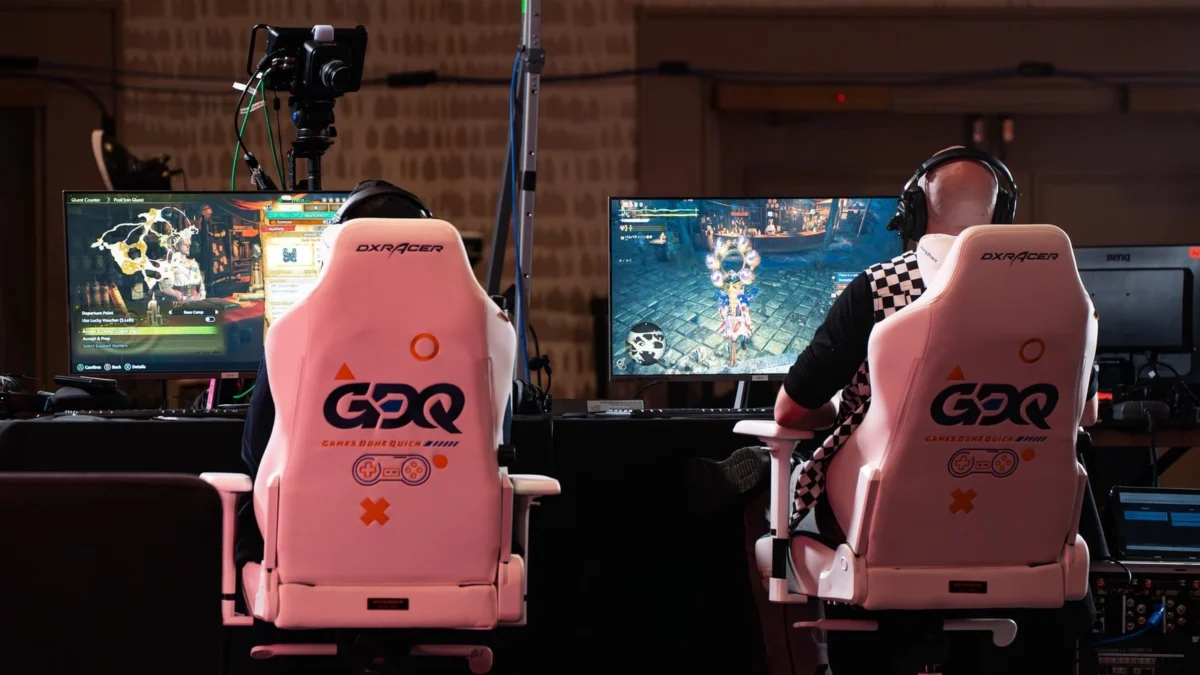
The gaming community’s most anticipated philanthropic event is once again upon us. On July 5, Summer Games Done Quick (SGDQ) will descend upon Minneapolis, transforming the city into the global epicenter of high-octane speedrunning. For one week, the world’s most elite players will converge to push gaming hardware and software to their absolute breaking points, all in a relentless, round-the-clock pursuit of record-shattering times and charitable excellence.
As the industry looks toward a future defined by increasingly complex titles, SGDQ serves as a vital reminder of the technical prowess and community spirit that lie at the heart of gaming. Whether you are a veteran of the marathon or a newcomer looking to witness gaming history in real-time, the event promises a spectacle that bridges the gap between competitive excellence and humanitarian impact.
The Main Facts: A Global Phenomenon
Summer Games Done Quick is more than just a series of gaming sessions; it is a meticulously organized logistical feat. The event operates as a non-stop, 24/7 broadcast, meaning that for seven straight days, there will be no downtime. From the moment the kickoff begins until the final credits roll on the last game, the stream serves as a continuous conduit for viewers to engage with experts in the field of speedrunning.
The event will be broadcast live via the Games Done Quick Twitch channel, ensuring global accessibility. For those whose time zones or personal commitments prevent them from catching the live action, the organization provides a robust archive of Video on Demand (VOD) content via their official YouTube channel.
The primary beneficiary remains Doctors Without Borders (Médecins Sans Frontières). This international medical humanitarian organization provides life-saving care to people in crisis, often in regions where healthcare systems have collapsed or are non-existent. By leveraging the vast reach of the gaming community, SGDQ transforms digital mastery into tangible, life-saving aid.
Chronology: A Week of High-Speed Action
The festivities commence on Sunday with a pre-show at 12:30 PM ET, designed to set the stage for the week ahead. The official gameplay kicks off at 1:00 PM with a highly anticipated 102% run of Donkey Kong Country 2: Diddy’s Kong-Quest. This title is widely regarded as a cornerstone of the speedrunning community, known for its unforgiving platforming and intricate secrets that require near-perfect execution.
The schedule for the remainder of the week is packed with a diverse array of titles, ranging from retro classics to modern technical showcases. Among the most anticipated segments are the debuts of several titles, marking a significant shift toward featuring cutting-edge releases. Notable additions to the lineup include:
- Modern Debuts: Pragmata, the long-awaited title from Capcom, will see its first major speedrunning showcase. Similarly, Resident Evil: Requiem—specifically its challenging "Leon Must Die Forever" mode—is expected to draw significant viewership for its high-stakes gameplay.
- Indie Sensations: The schedule highlights the indie scene with runs of Don’t Stop, Girlypop!, Super Meat Boy 3D, the rhythmic intensity of Unbeatable, the stylized Mouse: PI for Hire, and the highly anticipated Saros.
- Creative Challenges: A standout event for many will be the Gordon & Daxter run. This modded iteration of the classic Jak & Daxter replaces the protagonist with Gordon Freeman, complete with Half-Life weaponry and physics-defying movement mechanics.
- Niche Interests: The inclusion of a pinball showcase featuring Total Nuclear Annihilation highlights the event’s commitment to diverse gaming subcultures, while the perennial favorite—the Super Mario Maker 2 race—will return to pit top-tier builders and players against one another in a test of creative improvisation.
Supporting Data: The Power of the Crowd
The financial success of SGDQ is a testament to the generosity of the gaming community. Last year, the event raised over $2.4 million for Doctors Without Borders, setting a high bar for this year’s participants and donors.
The mechanism for these donations is deeply integrated into the streaming experience. Viewers can donate directly through the GDQ website, often attaching messages or "incentives" to their donations. These incentives can influence the event in real-time, such as forcing a runner to play with a specific handicap, choosing a character name, or triggering a specific, difficult-to-achieve sequence in a game. This interactive element creates a symbiotic relationship between the audience and the runner, turning the viewing experience into a collaborative effort.
Furthermore, the scale of the event is bolstered by a massive volunteer force. From technicians and moderators to the runners themselves, the event is sustained by individuals who dedicate their own time and resources to ensure the production quality remains at a professional broadcast standard.
Official Responses and Industry Impact
The rise of GDQ events has not gone unnoticed by major game developers and publishers. Over the years, what began as a grassroots gathering of hobbyists has evolved into a sanctioned industry event. Many studios now coordinate with the Games Done Quick team to provide keys, special builds, or even developer commentary for their titles.
In official statements, organizers have consistently emphasized that the goal of SGDQ is twofold: to celebrate the art of speedrunning and to leverage that celebration for social good. By providing a platform for developers to showcase their games and for players to demonstrate their dedication, the event fosters a culture of mutual respect.
"The connection between the player, the game, and the viewer is what makes this marathon possible," says a representative from the GDQ production team. "When you watch someone break a game, you aren’t just seeing a glitch; you are seeing thousands of hours of practice, a deep love for the source material, and a collective desire to help those who need it most."
The inclusion of newly released titles like Pragmata serves as an unofficial endorsement of the marathon’s relevance in the modern gaming landscape. Developers view a successful speedrun of their game as a mark of prestige, signaling that their title has the depth and technical complexity to withstand the scrutiny of the world’s most talented players.
Implications: The Evolution of Gaming Culture
The success of Summer Games Done Quick has profound implications for the gaming industry at large. It challenges the traditional narrative that gaming is a solitary, sedentary activity. Instead, it frames gaming as a communal, highly skilled endeavor that can mobilize millions of dollars for humanitarian causes.
1. Skill as a Spectacle
Speedrunning has evolved into a legitimate spectator sport. Much like traditional sports, the audience is attracted to the "edge of the possible." Watching a runner navigate a sequence that requires frame-perfect timing provides an adrenaline rush that rivals any physical sport. This has led to an increase in the professionalization of the hobby, with dedicated training regimes and community-driven research teams that analyze game code to find new shortcuts.
2. The Philanthropic Model
The "Games Done Quick" model has become the gold standard for charity streaming. It proves that a highly engaged, niche audience can be more effective at raising funds than traditional broadcast television. This has paved the way for other organizations to adopt similar methods, utilizing digital platforms to create direct lines of communication between charities and the public.
3. Preservation through Play
Finally, SGDQ plays an unintentional but crucial role in video game preservation. By digging into the code of both old and new games, speedrunners often uncover hidden developers’ notes, unused assets, and unintended mechanics that provide historians and fans with a deeper understanding of game development. The Gordon & Daxter mod is a prime example of how the community can breathe new life into older titles, ensuring that they remain culturally relevant long after their initial release.
Conclusion: Join the Marathon
As we look toward the start date of July 5, the excitement in the community is palpable. With a schedule that balances nostalgia with modern innovation, and a mission that remains as critical as ever, the upcoming edition of Summer Games Done Quick is poised to be another landmark moment in gaming history.
Whether you are tuning in to see if a world record will be broken in Donkey Kong Country 2, or you are simply there to support the essential work of Doctors Without Borders, your participation matters. The marathon is a testament to what can be achieved when a passionate community unites under a common purpose.
Mark your calendars, prepare your snacks, and get ready for a week of unparalleled skill, community spirit, and charitable impact. The marathon is about to begin.











