Laily UPN
The rapid expansion of artificial intelligence infrastructure has placed the technology sector at a critical crossroads. As AI models require exponentially more computational power, the physical facilities that house these digital brains—hyperscale data centers—are coming under intense scrutiny. The primary point of contention is not just electricity, but water. In the United States, a wave of bipartisan opposition is stalling, and in some cases blocking, billions of dollars in data center investments, as local communities and environmental advocates push back against the massive resource demands of the digital age.
The Magnitude of the Crisis: A Nationwide Standoff
The surge in data center development has been met with a surprisingly unified resistance. In the first four months of 2026 alone, over 75 proposed data center projects, with a combined valuation exceeding $130 billion, have been successfully blocked or delayed. These projects, often touted as engines of local economic growth and technological progress, are now being viewed by municipal leaders and residents through a lens of existential risk.
The core of the issue lies in the competition for local resources. Data centers, particularly those supporting generative AI, operate 24/7 and generate immense heat. Cooling these facilities requires vast quantities of water, often drawn from the same municipal supplies that support local agriculture, industry, and residential drinking water. When these facilities are sited in regions already struggling with drought or water table depletion, the tension reaches a breaking point.
Chronology of a Controversy: From Efficiency Claims to Community Backlash
To understand the current impasse, one must look at the evolution of the narrative surrounding data center sustainability.
- The Early Expansion (2015–2020): During this period, the primary concern for data center operators was "Power Usage Effectiveness" (PUE). Water was treated as a cheap and abundant commodity, used in large-scale evaporative cooling systems.
- The Drought Realization (2021–2023): As climate change exacerbated drought conditions across the Western and Southern United States, investigative reports began to highlight the "hidden" water footprint of Big Tech.
- The Regulatory Pushback (2024–2025): Local governments began instituting moratoriums on data center construction. Cases like the Georgia town where a Meta data center allegedly caused residential well-water contamination served as a flashpoint, turning abstract sustainability concerns into visceral, local realities.
- The Current Standoff (2026): We have entered an era where corporate promises of "water positivity" are being weighed against the immediate, tangible needs of local water tables. The "success" of blocking $130 billion in projects marks a major shift in the power dynamic between corporate giants and local municipalities.
Supporting Data: The Scale of Consumption vs. Industry Defense
Amazon, as one of the world’s largest cloud providers, has aggressively defended its environmental record. The company argues that it maintains the lowest water usage per kilowatt-hour (kWh) among major AI tech giants, including Microsoft, Google, and Meta.
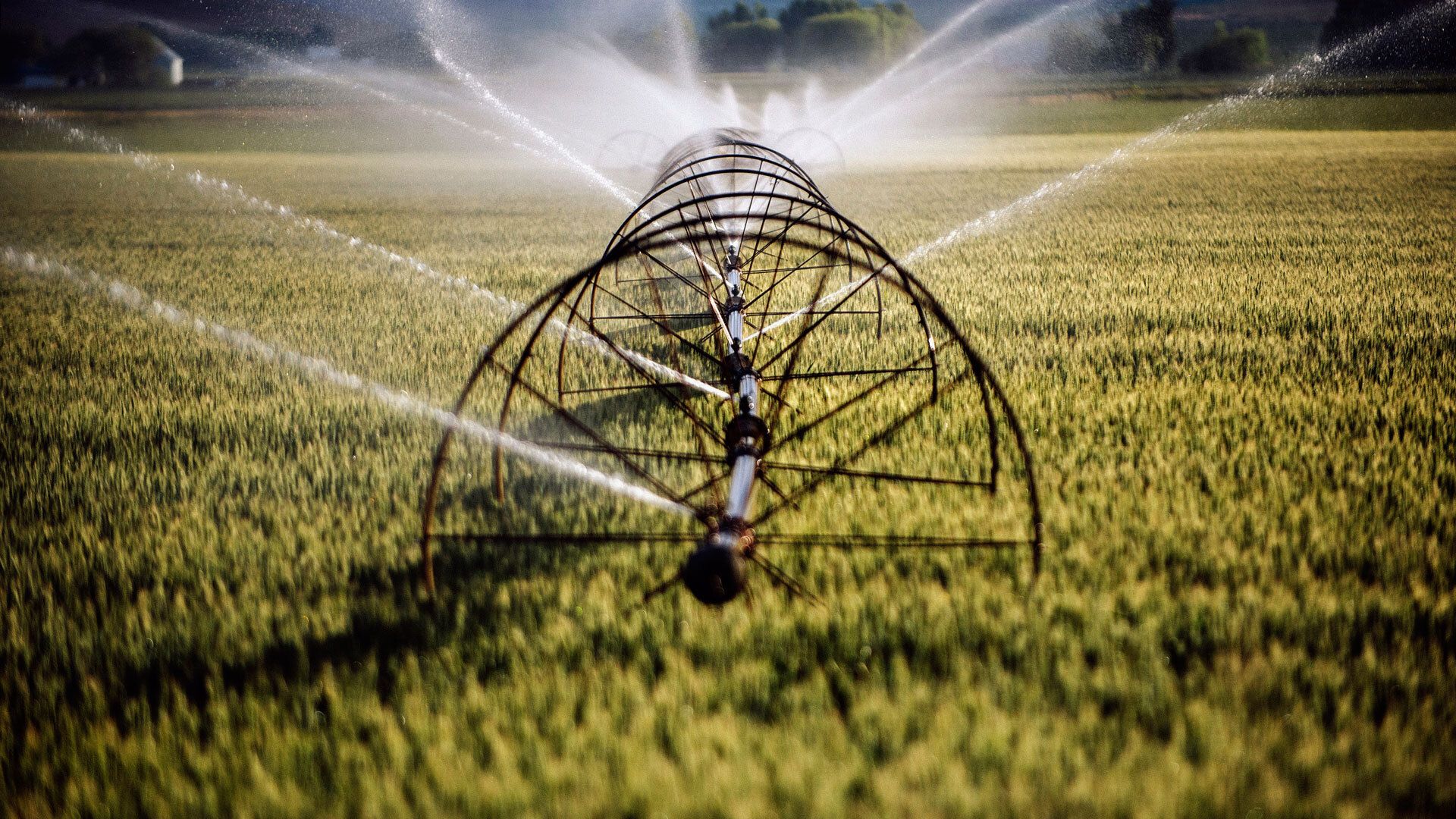
In its defense, Amazon has pointed to the staggering scale of national water usage to provide context for its own consumption. Citing 2017 EPA data, Amazon notes that Americans use approximately 9 billion gallons of water daily—roughly 3.3 trillion gallons annually—solely for landscape irrigation. By comparison, Amazon reports that its global data center operations consume approximately 2.5 billion gallons of water annually. Viewed through this lens, the company suggests its consumption is a "drop in the bucket," accounting for just 0.075% of the water used for residential and commercial landscaping.
However, critics argue that this comparison is fundamentally flawed. Landscape irrigation is decentralized and often utilizes greywater or local runoff, whereas data centers are concentrated, high-intensity users that can put localized, extreme stress on specific aquifers or municipal grids.
Official Responses and Technological Pivots
Facing a potential public relations and regulatory crisis, Amazon and its peers are scrambling to deploy new cooling technologies. Amazon, specifically, has emphasized its goal of becoming "water positive" by 2030—a commitment to return more water to the environment than it consumes.
The "Giant Sponge" Strategy
Amazon’s primary technical solution involves a tiered cooling approach. Under normal conditions, the company relies on air cooling. As temperatures climb, the system engages "Direct Evaporative Cooling." In this process, air is passed through a wet, absorbent medium—described by Amazon’s technical staff as a "sophisticated, giant sponge." The evaporation process lowers the air temperature by 5 to 10 degrees, which the company claims is 20% to 25% more energy-efficient than traditional, power-hungry mechanical chillers during peak summer heat.
Operational Adjustments
Beyond hardware, Amazon has adjusted the operational "climate" of its server rooms. By raising the temperature thresholds at which their cooling systems kick in, they have reduced their reliance on water. Their current protocol dictates that water-based cooling is only triggered when ambient temperatures exceed 85 degrees Fahrenheit (29 degrees Celsius). According to Beau Schilz, an Amazon water specialist, these optimizations have led to a 50% reduction in water use at participating facilities.
The Human Impact: When the Wells Run Dry
While the industry focuses on efficiency metrics and PUE ratios, the impact on the ground remains a potent driver of political opposition. The case in Georgia, where residents reported "muddy" water due to a drop in the local water table, has become a cautionary tale. When a data center draws millions of gallons of water, it does not just consume a resource; it alters the hydrology of the surrounding area.
When a facility "sucks" 29 million gallons of water over a 15-month period, as one Georgia facility was reported to have done, the result is often a measurable drop in water pressure for local residents. For a community, this is not a matter of "efficiency percentages"—it is a matter of basic utility service. These incidents have created a deep-seated distrust. Even as companies tout their "water positive" roadmaps, local planners are increasingly skeptical, fearing that the long-term impact on their local infrastructure will outweigh the short-term tax revenue promised by the tech giants.
Future Implications: Can AI and Sustainability Coexist?
The demand for AI compute is not going to abate. As global industries race to integrate artificial intelligence, the appetite for server capacity will continue to climb. However, the current "moratorium era" suggests that the "move fast and break things" philosophy of the software world is colliding with the physical realities of the natural world.
The future of the data center industry will likely be defined by three key factors:
- Strict Geographic Siting: Future permits will likely only be granted in regions with high water security, effectively moving the industry away from the drought-prone regions where it has traditionally thrived.
- Water Recycling Mandates: Expect future regulations to require data centers to treat and reuse 100% of their cooling water, shifting the industry from a "consumption" model to a "circular" model.
- Transparency and Trust: The era of opaque resource reporting is ending. To secure the permits required for the next generation of AI infrastructure, tech giants will need to do more than just report their own metrics; they will need to provide communities with ironclad guarantees—often involving investment in local water infrastructure—that their presence will not negatively impact the lifeblood of the town.
Ultimately, the burden of proof has shifted. The hyperscalers must now prove that their digital expansion does not come at the expense of the physical communities they inhabit. Until that trust is restored, the growth of the AI revolution will continue to face the very real, very physical wall of water scarcity.


 Ammar Sabilarrohman
 Reynand Wu