Ammar Sabilarrohman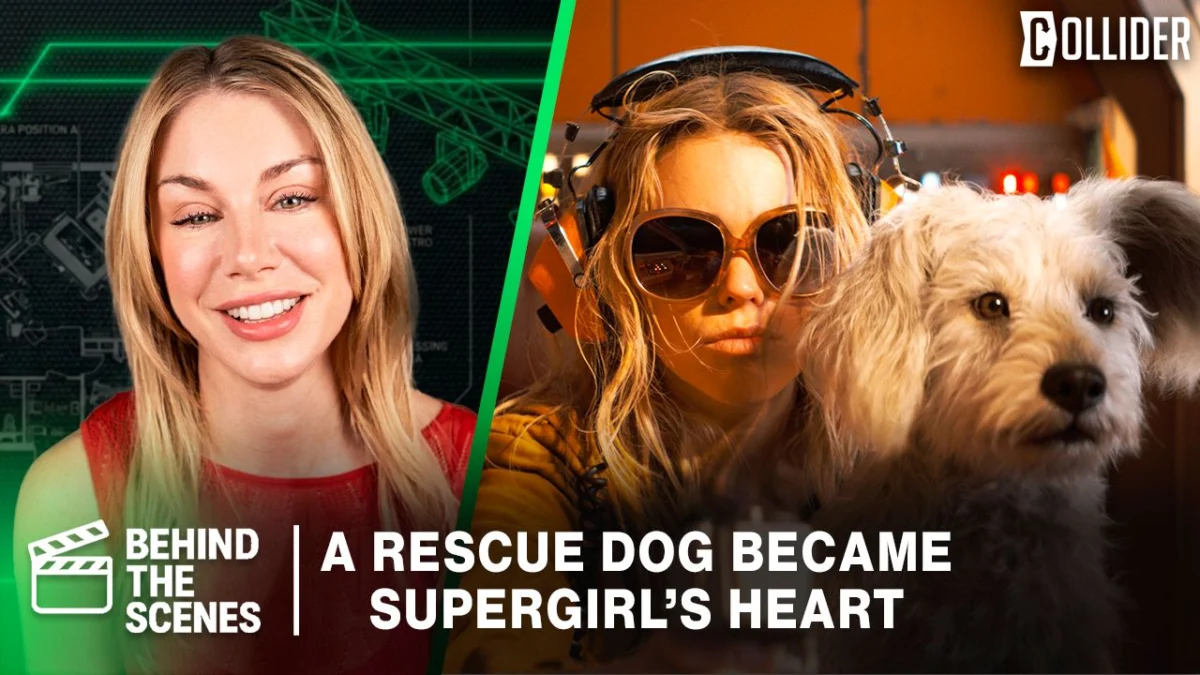
By [Your Name/Journalistic Staff]
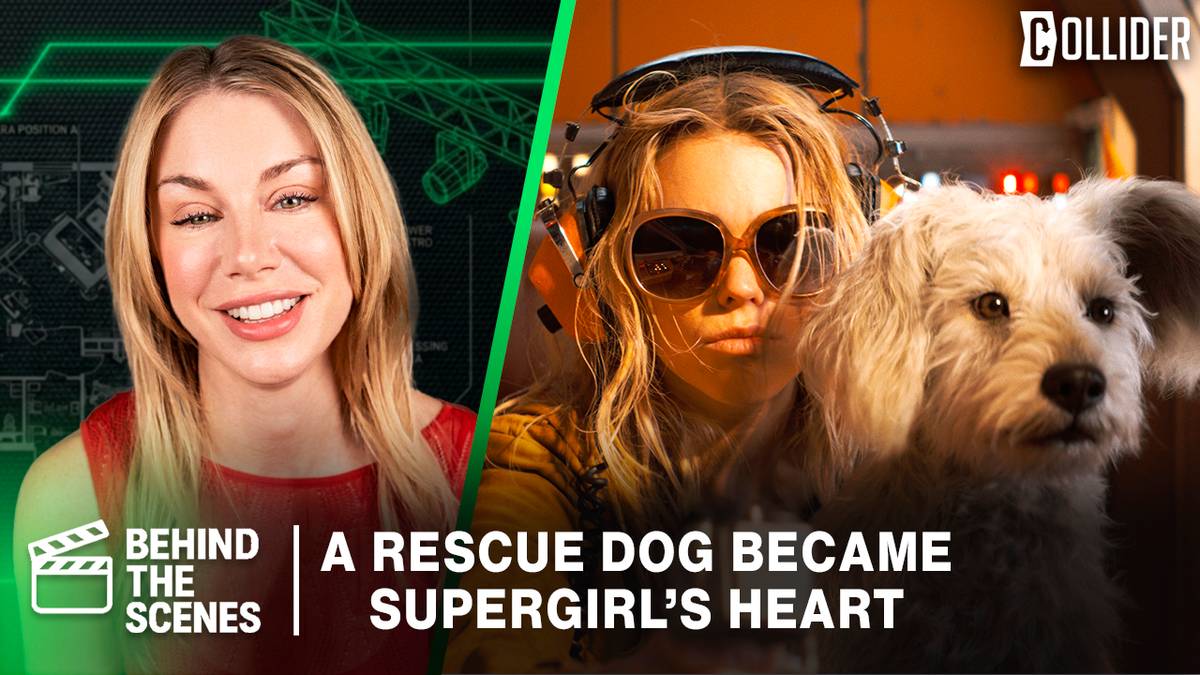
In the vast, interconnected tapestry of the new DC Universe (DCU) being meticulously woven by James Gunn and Peter Safran, few characters have generated as much curiosity—and emotional anticipation—as Krypto the Superdog. While comic book aficionados have long revered the Kryptonian canine, the iteration appearing in the upcoming Supergirl film promises a nuance that transcends the typical "super-pet" trope. In a recent revelation, actress and creative collaborator Jennifer Holland has pulled back the curtain on the character’s origin, unveiling a deeply personal story that bridges the gap between Hollywood blockbuster spectacle and intimate, real-world empathy.
The true secret behind the cinematic Krypto is not found in the pages of vintage DC comics, but in the life of a rescue dog named Ozu, whose journey from a shelter to a place of profound influence has fundamentally reshaped how Gunn approached the character’s personality, chaos, and eventual heroism.
The Genesis: From Shelter to Silver Screen
The development of Krypto for the DCU was always intended to be a grounded character study rather than a mere gimmick. When James Gunn began conceptualizing the canine companion for the Supergirl narrative, he sought to imbue the character with a sense of "lovable chaos"—a dog that felt authentic, fallible, and deeply tethered to the emotional stakes of the story.
The breakthrough occurred within the domestic sphere shared by Gunn and his wife, actress Jennifer Holland. As Holland recently detailed, the couple’s rescue dog, Ozu, became the unexpected muse for the project. Ozu, whose temperament and history mirrored the vulnerability often associated with rescue animals, exhibited a unique blend of high-energy unpredictability and unwavering loyalty.
According to Holland, Ozu’s presence in their household provided the perfect blueprint for Krypto. The goal was to move away from the traditional, perfectly trained "super-pet" aesthetic and instead embrace the messy, heartwarming reality of living with a dog that has had to overcome adversity.
Chronology of a Character’s Creation
The evolution of Krypto from a concept to a fully realized cinematic entity follows a specific trajectory of creative synergy:
- Early Development (2023): As James Gunn finalized the script for Supergirl, the character of Krypto was identified as a narrative anchor for Kara Zor-El. The challenge was defining how a super-powered dog would interact with a protagonist who is herself navigating an alien world.
- The Ozu Influence (Mid-2023): As Ozu settled into his new life with Holland and Gunn, his personality traits—specifically his "chaotic affection"—became the subject of daily observation. Gunn began integrating these behavioral observations into the script, noting how Ozu reacted to unfamiliar environments and the deep bonds formed through shared trauma.
- Refining the "Super-Dog" Persona (Late 2023 – Early 2024): The production team moved from abstract comic book lore to specific behavioral animatics. By utilizing Ozu’s movements and reactions as a reference point, the VFX team aimed to create a Krypto that felt tactile and emotionally present.
- Integration into Supergirl (2025): With the film moving through production, the emotional core of the Krypto-Supergirl dynamic was finalized, ensuring the character served as an emotional catalyst for the film’s broader themes of belonging and rescue.
Supporting Data: The Psychology of the "Rescue" Narrative
The choice to make Krypto a rescue animal—both in his fictional backstory and his real-world inspiration—is a strategic narrative pivot. Film historians and story consultants have long noted that animals in superhero films serve as a "humanizing" element. When a character possesses the power of a god, they often feel distant from the audience. By introducing a companion that requires care, empathy, and protection, the filmmakers bridge that divide.
In the case of Krypto, the "chaotic" nature described by Holland is a deliberate character choice. Data from animal behavioral studies suggest that rescue dogs often exhibit higher degrees of situational awareness and attachment to their owners, a trait that the DCU writers have leveraged. By modeling Krypto after Ozu, the film avoids the "perfect companion" cliché, opting instead for a character that requires patience—a trait that, in turn, reflects the growth of Supergirl herself.
Official Responses and Creative Vision
In her recent discussions, Jennifer Holland emphasized that the creative process was never intended to be a direct autobiography of Ozu, but rather an infusion of his spirit. "It’s about the resilience," Holland stated. "When you adopt a dog, you’re witnessing a form of recovery that is incredibly moving. We wanted Krypto to feel like he had a history, a life lived before he met Kara, and that history informs every decision he makes in the film."
James Gunn, known for his ability to make audiences care deeply about non-human characters—from Rocket Raccoon to Groot—has echoed these sentiments. For Gunn, the DCU is as much about the "underdogs" as it is about the icons. By utilizing the Ozu-inspired model, Gunn is signaling that this version of the DC Universe will prioritize the internal, lived experiences of its characters over their mere power sets.
Implications for the New DC Universe
The inclusion of a deeply characterized Krypto has significant implications for the broader DCU.
1. A Shift in Tone
The move toward character-driven animal companions suggests that the new DCU will be leaning into a more grounded, emotional tone. While the spectacle will remain, the stakes are being reframed: the survival of the world is only as important as the individuals (and animals) inhabiting it.
2. Narrative Cohesion
Krypto acts as a mirror for Supergirl. If Kara is a refugee from a lost world, Krypto is a refugee of a different kind. This thematic symmetry is expected to be a pillar of the film’s emotional resonance. By grounding this dynamic in the real-world experiences of a rescue dog, the creative team has ensured that the audience will have a tangible emotional hook.
3. Expanding the Audience
By highlighting the "rescue" aspect of Krypto, the marketing for Supergirl is uniquely positioned to tap into a wider demographic. Animal lovers and families who might otherwise be alienated by the high-concept science fiction of DC comics are being invited into the narrative through the universal language of human-animal bonds.
Conclusion: The Legacy of Ozu
As we look toward the premiere of Supergirl, the story of Krypto serves as a reminder that the best science fiction is often anchored in the most mundane, beautiful parts of our own reality. The influence of a rescue dog named Ozu has transformed Krypto from a mere comic book accessory into a character with genuine heart, capable of grounding a cosmic story in the warmth of a home.
In the end, Jennifer Holland’s revelation provides more than just a fun piece of trivia; it offers a window into the philosophy of the new DC Universe. It is a universe that values the small, the chaotic, and the rescued—proving that even in a world of gods and monsters, the most powerful thing one can have is a loyal friend by their side. As Krypto takes his place on the big screen, he carries with him the spirit of Ozu, ensuring that the bond between Supergirl and her dog will be the beating heart of the film.
Whether or not the audience realizes that the "chaotic" dog on screen is a tribute to a real-life rescue, the emotional impact will be undeniable. In the complex, often loud world of superhero cinema, it is the quiet, honest moments—the ones inspired by our own pets—that truly resonate, proving that sometimes, the greatest heroes are the ones who simply show up for us when we need them most.

 Asep Darmawan
 Layla Zulfa