

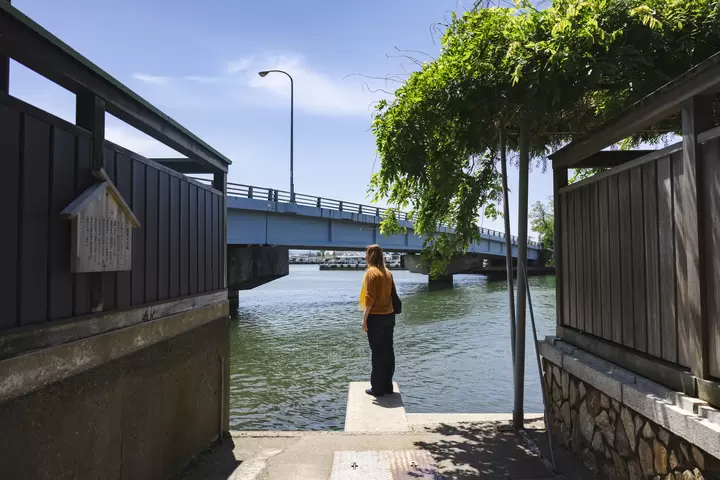
In the heart of Kanazawa’s historic Ohno district, a quiet revolution has been unfolding for over a century. It is not a revolution of noise or technology, but of biology—specifically, the cultivation of Aspergillus oryzae, or koji. This microscopic fungus, often referred to as Japan’s "national fungus" (kokkin), serves as the invisible architect behind the nation’s most iconic flavors: miso, soy sauce, sake, and mirin. At the center of this tradition stands Yamato Koji Park, a facility dedicated to demystifying the science and soul of fermentation for a new generation.
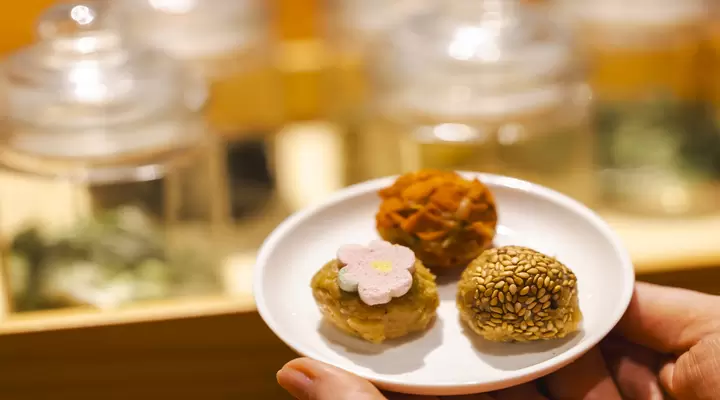
The Foundation of Flavor: Understanding Koji
To understand Japanese cuisine is to understand the enzymatic alchemy of koji. For centuries, this beneficial mold has been the bedrock of the Japanese pantry. By producing enzymes that break down complex proteins and starches into amino acids and simple sugars, koji creates the savory "umami" profile that defines traditional Japanese cooking.
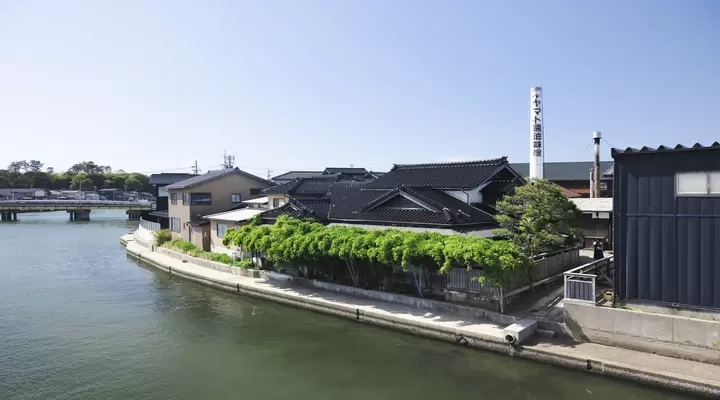
Yamato Koji Park, operated by Yamato Soy Sauce & Miso—a company with roots stretching back to 1911—serves as a living museum and laboratory. Visitors here do not just read about fermentation; they experience it. The facility provides an immersive look at how kome-koji (rice-based) and mugi-koji (barley-based) molds interact with ingredients to create diverse flavor profiles, from the light sweetness of sake to the deep, salty intensity of aged soy sauce.
A Chronology of Craft: From Edo-Era Ports to Modern Wellness
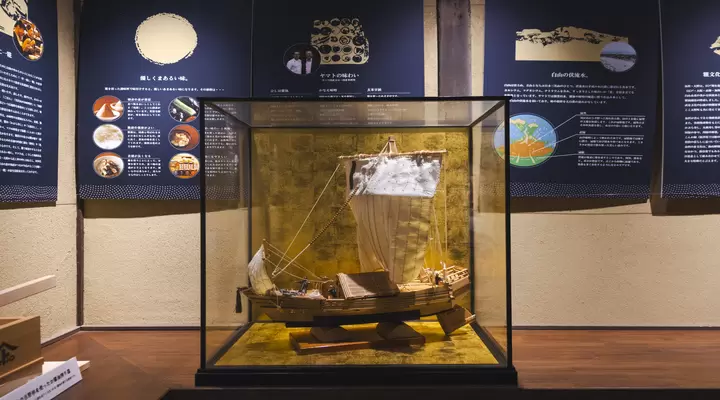
The location of Yamato Koji Park is no accident. The Ohno district has been a pivotal maritime hub since the Edo period (1603–1868). During this era, Kitamaebune cargo ships relied on the port of Ohno to export local soy sauce and miso to Hokkaido and other coastal regions, cementing Kanazawa’s reputation as a center of merchant wealth and artisan skill.
Historical Milestones:
- 1911: The founding of Yamato Soy Sauce & Miso, establishing a long-standing commitment to traditional barrel-aged fermentation techniques.
- The Edo/Meiji Legacy: The preservation of the Ohno port infrastructure, which allowed local producers to scale their output and distribute their goods across Japan.
- 2024: The launch of doburoku production at the site, marking a significant evolution in the company’s product line and a return to ancestral brewing methods.
- Present Day: The facility continues to bridge the gap between ancient agrarian techniques and modern nutritional science, advocating for the role of fermented foods in contemporary health.
The Immersive Experience: Tours and Hands-On Discovery
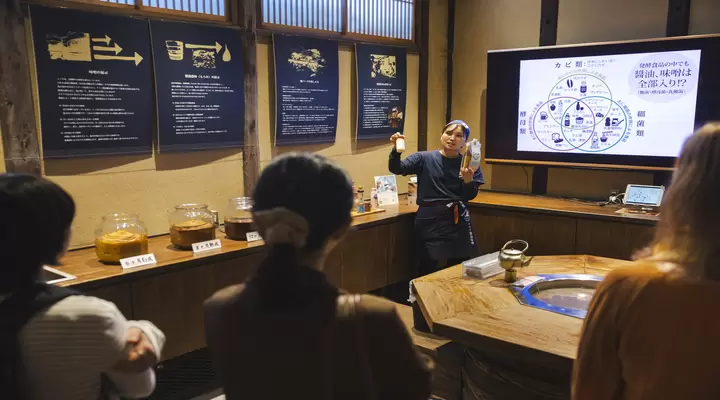
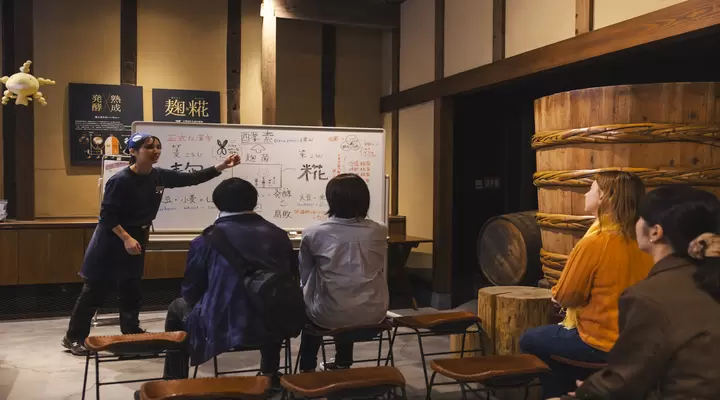
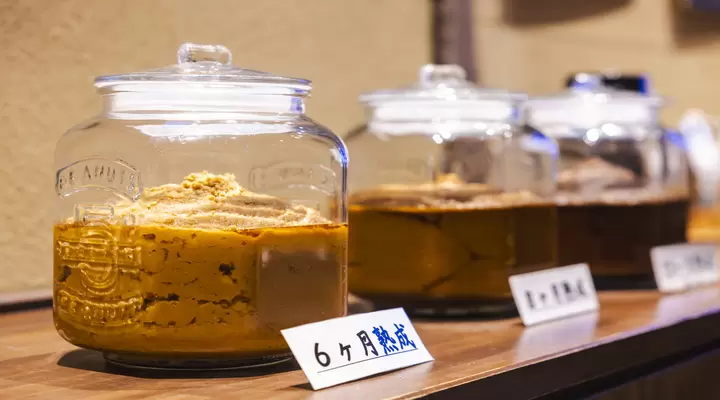
For those eager to peel back the layers of Japanese culinary history, Yamato Koji Park offers structured educational programs. Daily guided tours provide a 30-minute deep dive into the fermentation cycle, revealing the secrets of the brewery’s aging rooms, where miso is stored for six, eight, and twelve months.
Workshop Spotlight: Miso Ball Making
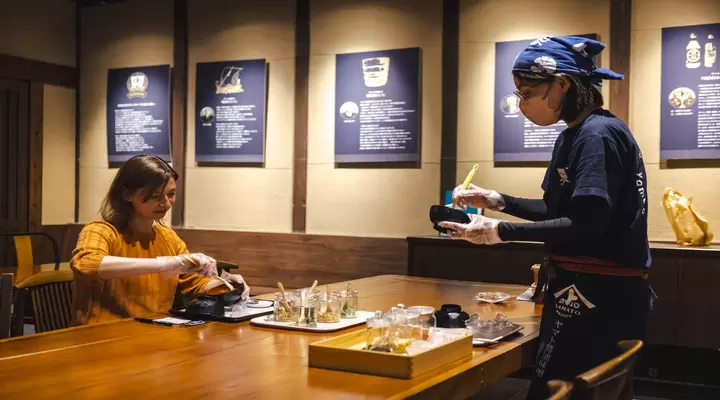
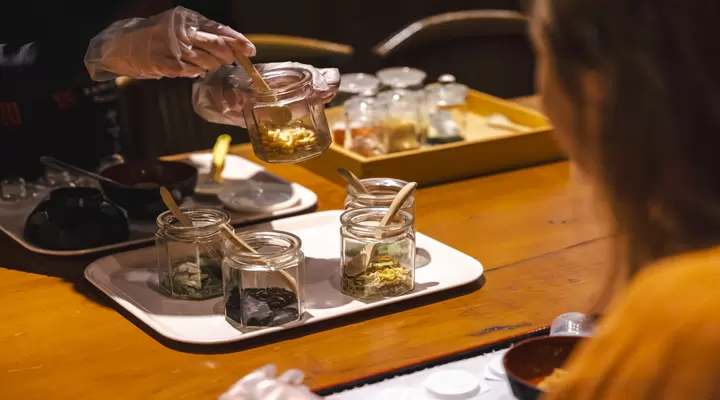
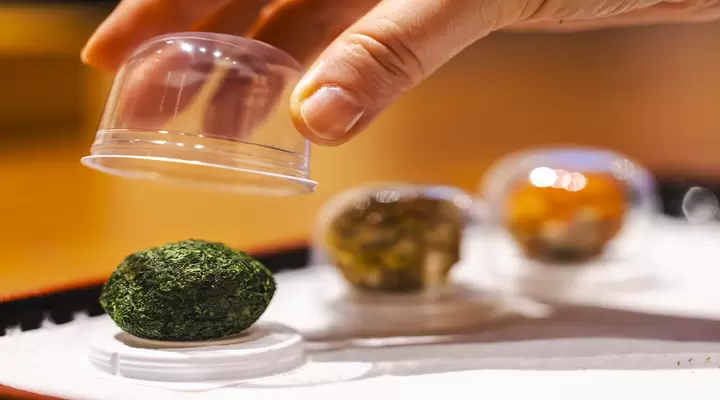
One of the most popular attractions at the park is the "Miso Ball Making Workshop." This 20-minute, hands-on session allows participants to blend signature miso paste with dashi powder and custom ingredients.
- The Process: Guests mix, shape, and decorate their own miso spheres.
- Practicality: Each 15-gram ball is designed to be a "ready-to-brew" packet; adding 160ml of hot water instantly creates a bowl of authentic, nutrient-dense miso soup.
- Educational Impact: The workshop demystifies the distinction between kome-miso (rice-based, common in Kanazawa) and mame-miso (bean-based, such as the famous Hatcho Miso of Nagoya), helping visitors appreciate the regional diversity of Japanese fermentation.
The Resurgence of Doburoku
Perhaps the most ambitious expansion at the park is the Kanazawa Appare Yamato Doburoku Research Center. Doburoku is an unfiltered, rustic sake that was, for decades, subject to strict government regulations. Recently, however, it has seen a resurgence as consumers look for products with high nutritional value and complex, probiotic-rich flavor profiles.
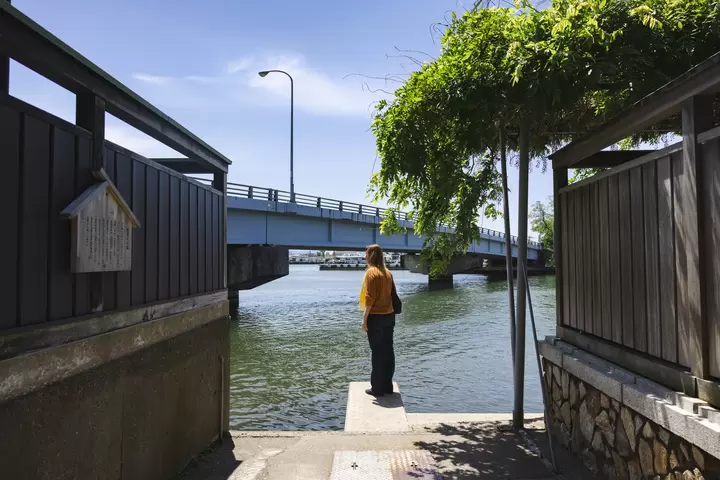
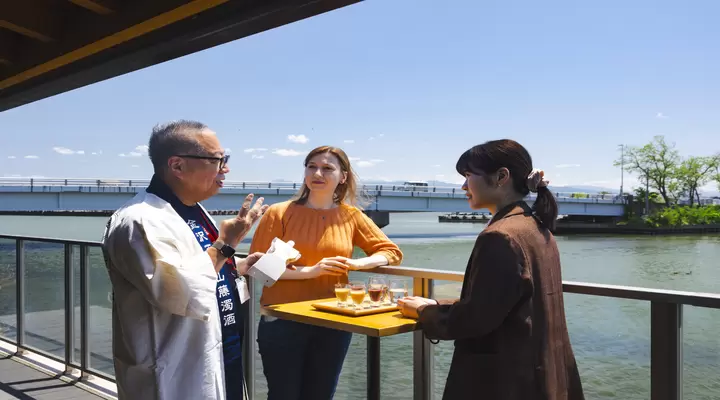
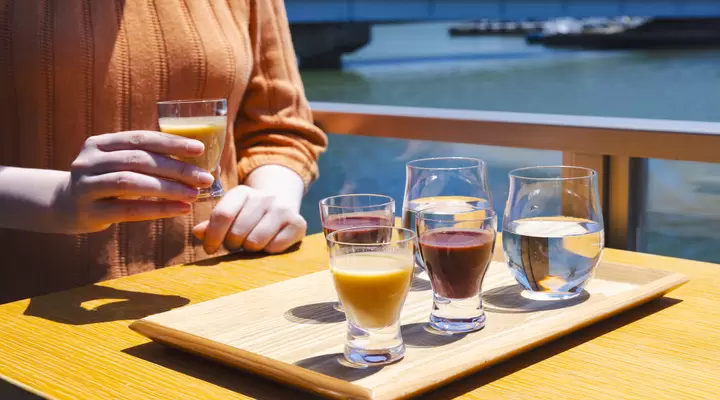
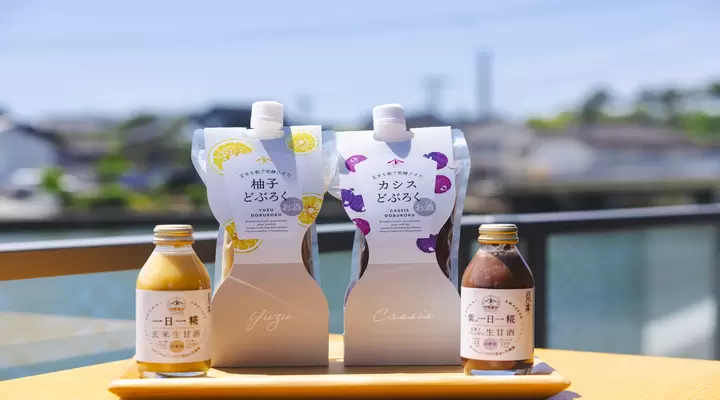
The Yamato team utilizes their proprietary brown rice amazake as a base for this drink. By keeping the rice unpolished, they retain essential nutrients, resulting in a sake that is not only fragrant but remarkably beneficial to gut health. During tasting sessions on the center’s terrace—which overlooks the river and the majestic Mount Hakusan—visitors can sample Yuzu and Cassis-infused varieties. These tastings illustrate the versatility of the koji mold, showing how it can be used to create beverages that satisfy both the palate and the body.
Culinary Integration: The Hakkoshoku Bijin Shokudo
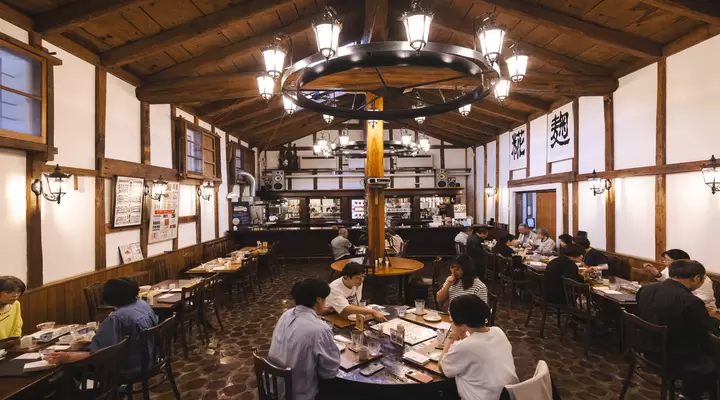
The educational journey culminates at Hakkoshoku Bijin Shokudo, the park’s restaurant. The menu serves as a practical application of the knowledge gained during the tours. Every dish, from the koji-marinated chicken to the citrusy Yuzu Ponzu salads, demonstrates how these fermented ingredients can tenderize proteins and elevate simple flavors.
The "Hakkoshoku Bijin Lunch" is the standout offering. It consistently features aged brown rice and rich miso soup, providing a blueprint for a balanced, gut-healthy diet. The restaurant’s transition from a lunch spot to a cozy cafe in the afternoon allows guests to sample fermented desserts, such as koji-infused cheesecakes, further proving that the applications for koji are limited only by the chef’s imagination.
Supporting Data and Nutritional Implications
The resurgence of interest in Yamato Koji Park is supported by a growing global body of evidence regarding the health benefits of fermented foods. Fermentation is a natural method of preservation that enhances the bioavailability of nutrients.
- Digestive Health: The presence of live koji mold, lactic acid bacteria, and yeast in products like doburoku and miso supports microbiome health.
- Nutritional Density: The use of unpolished brown rice in Yamato’s amazake and aged rice products ensures a higher intake of dietary fiber and vitamins compared to refined white rice.
- Sustainability: By using local groundwater from the Hakusan mountain range and traditional wooden barrels, the production process maintains a smaller environmental footprint compared to mass-produced, chemically-accelerated fermentation methods.
Implications for the Future of Food
Yamato Koji Park does more than sell soy sauce; it provides a roadmap for the future of food security and culinary preservation. By making fermentation accessible, the park empowers visitors to bring these techniques into their own kitchens.
Whether through the purchase of freeze-dried miso soup packets—a lightweight, shelf-stable way to export Japanese culture—or the adoption of koji-based dressings, the park is helping to integrate ancient wisdom into the modern, globalized lifestyle. The facility’s success serves as a model for regional revitalization, proving that when a community leans into its traditional strengths, it creates a product that is both economically viable and culturally irreplaceable.
For the international visitor, a trip to the Ohno district is a pilgrimage to the source of umami. As we look toward a future where "food as medicine" becomes an increasingly important mantra, the work being done at Yamato Koji Park becomes not just a hobbyist’s interest, but a vital piece of the global culinary puzzle.
Visitor Information
- Location: 170 I, 4-chome, Ohno-machi, Kanazawa City, Ishikawa Prefecture.
- Accessibility: Approximately 30 minutes by car from Kanazawa Station.
- Facility Highlights: Free guided brewery tours, hands-on miso ball workshops, doburoku research and tasting center, and the Hakkoshoku Bijin Shokudo restaurant.
- Membership Note: The restaurant requires simple membership registration via their app to facilitate reservations and ensure a personalized dining experience.
In conclusion, Yamato Koji Park is an essential stop for anyone seeking to understand the deep, structural influence of the koji mold on Japanese life. It is a place where history is not merely preserved behind glass, but is instead tasted, touched, and experienced in every fermented grain of rice and every drop of aged soy sauce.











