

By [Your Name/Journalist]
July 10, 2026
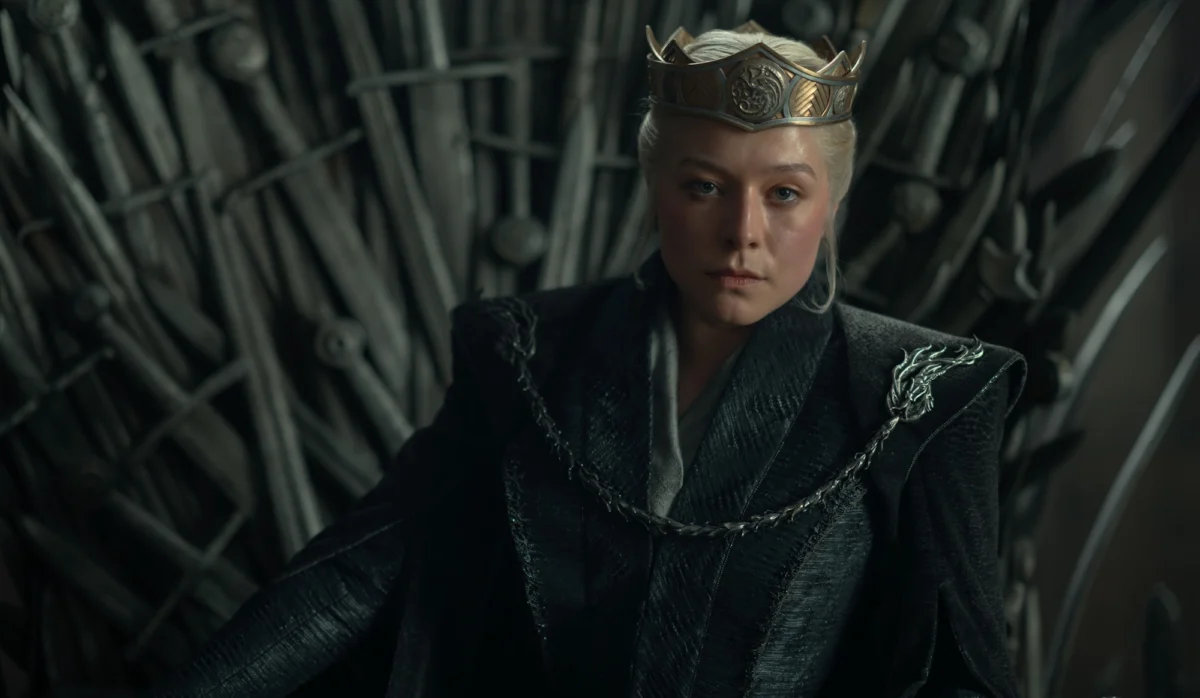
The wait is finally over. After years of political maneuvering, dragon-fire warfare, and the slow, agonizing erosion of the Targaryen dynasty, Rhaenyra Targaryen has done the unthinkable. In the second episode of House of the Dragon’s third season, the “Realm’s Delight” has ascended to the Iron Throne. For a fanbase that has spent over a decade haunted by the memory of a Targaryen restoration that never truly materialized in the original Game of Thrones, this moment serves as more than just a plot point—it is a therapeutic, long-overdue catharsis.
The Weight of the Crown: A Chronicle of the Claim
Rhaenyra’s journey to the seat of power has been defined by blood, betrayal, and the crushing weight of patriarchal tradition. Ever since the series premiere, which harkened back to the Great Council of Harrenhal, the narrative has been clear: the lords of Westeros were fundamentally opposed to a woman ruling from the Iron Throne.
King Viserys I, in a desperate attempt to secure his daughter’s legacy, spent his reign fighting the currents of a misogynistic court. However, his failure to fully neutralize the influence of his second wife, Alicent Hightower, and the machinations of Ser Otto Hightower, ensured that the transition of power would be anything but peaceful.
The chronology of this struggle is vital to understanding the gravity of the Season 3 shift:
- The Pre-Game Era (2010–2019): Daenerys Targaryen’s journey in Game of Thrones established the iconography of the Iron Throne. Her inability to sit upon it, followed by her tragic, rushed downfall, left a scar on the collective pop-culture consciousness.
- The Seeds of War (2022–2024): House of the Dragon introduced the Dance of the Dragons, chronicling the slow burn of the Green vs. Black conflict.
- The Breaking Point (2026): With the early episodes of Season 3, the tension reaches its boiling point. Rhaenyra’s decision to finally seize the seat of her ancestors—stepping over the literal blood of her enemies, including the formidable Otto Hightower—marks a definitive end to the “passive” phase of her reign.
The Shadow of the Mother of Dragons
To understand why this moment feels so seismic, one must look at the legacy of Daenerys Targaryen. In the 2010s, Daenerys was a cultural titan—a symbol of liberation, justice, and the restoration of a stolen birthright. When the original series concluded with her death mere inches from the Iron Throne, the audience was left with a sense of profound hollow.
Critics and fans alike have long argued that the final season of Game of Thrones failed to provide a satisfying conclusion to her arc, reducing a complex, multi-layered leader into a trope of the “mad queen.” In contrast, House of the Dragon is providing a more grounded, albeit equally brutal, exploration of power. Rhaenyra is not an accidental conqueror; she is a political figure fighting against a structural mandate that forbids her existence as a ruler. Seeing her occupy the throne is, for many, the healing of a 15-year-old cultural wound.
Supporting Data: The Anatomy of a Power Shift
The transition in Season 3 is not just a triumph for the character; it is a masterclass in narrative pacing. Unlike the rapid-fire storytelling that defined the latter seasons of Game of Thrones, House of the Dragon has opted for a granular approach to the costs of governance.
Recent episodes have highlighted several key factors:
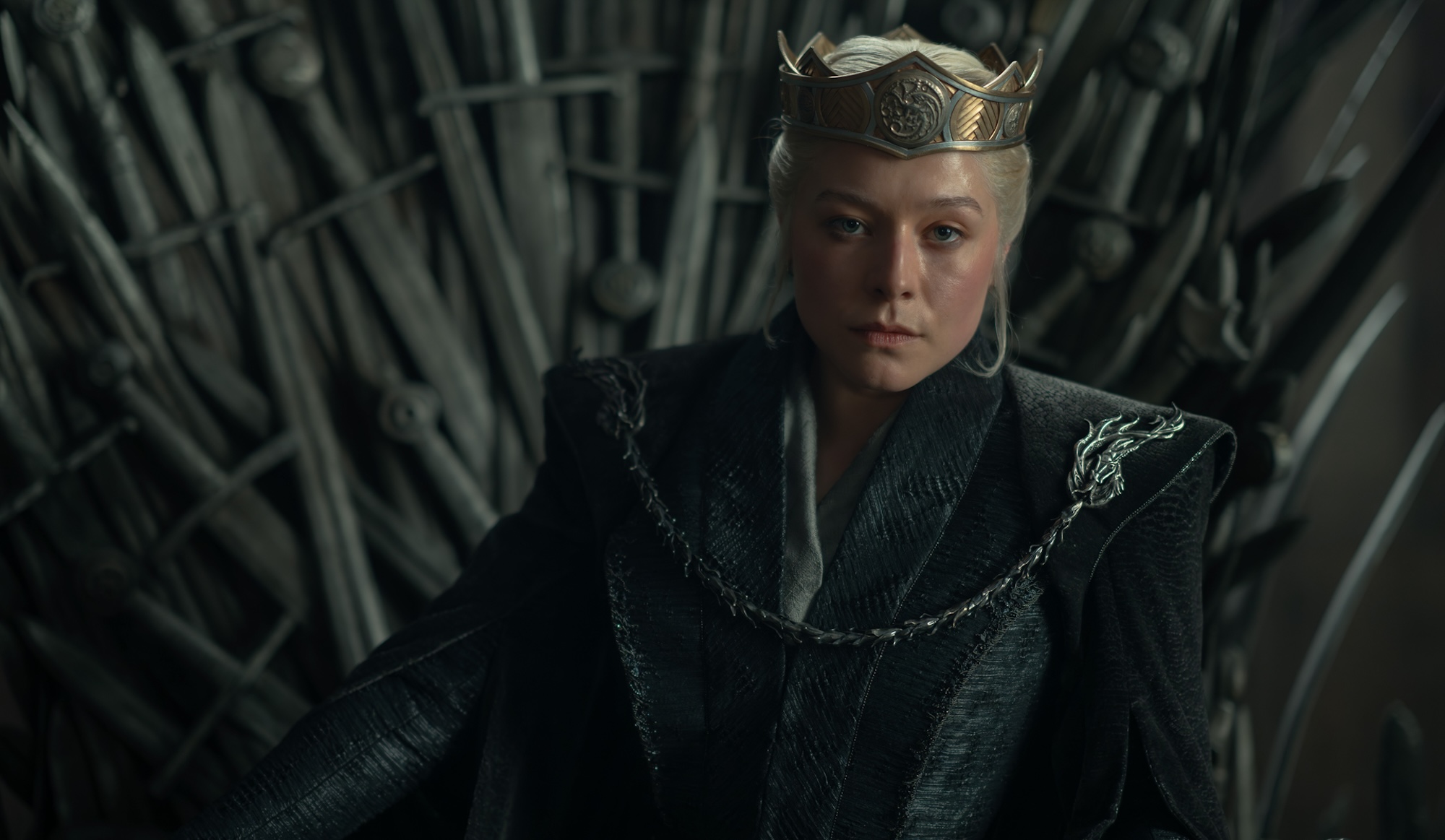
- The Cost of Legitimacy: Rhaenyra’s execution of dissenters, including the brutal beheading of her late father’s advisors, demonstrates the violent pragmatism required to hold the throne.
- The Fragility of Alliances: The friction between Rhaenyra and Corlys Velaryon, the Sea Snake, illustrates the dangers of alienating one’s most powerful naval ally. Her refusal to legitimize his bastard sons is a tactical blunder that could threaten her future security.
- The Economic Battlefield: By humiliating the elites of King’s Landing with symbolic gestures like the “rat dinner,” Rhaenyra has asserted her dominance, but at the cost of alienating the capital’s wealthy merchant and noble classes.
Official Perspectives and Behind-the-Scenes Vision
The creative team behind House of the Dragon has been vocal about their desire to move away from the binary “hero vs. villain” structure. Writer Sarah Hess has been instrumental in ensuring that Rhaenyra is not portrayed as a flawless saint. By highlighting her blindspots—her arrogance, her occasional shortsightedness, and the emotional volatility brought on by the loss of her children—the showrunners have crafted a character who feels remarkably human.
In recent interviews, the production team has emphasized that the goal was never to give the audience a “happy ending,” but rather a “consequential one.” George R.R. Martin’s source material has always focused on the unreliability of rulers, and this season leans heavily into the idea that the Iron Throne itself is a cursed object, regardless of who sits upon it.
The Implications for the Realm
What does Rhaenyra’s ascent mean for the remainder of the series? The implications are three-fold:
1. The Erosion of the “Just Ruler” Myth
The narrative is signaling that Rhaenyra’s survival will require her to shed the very compassion that made her sympathetic to the audience. As she navigates the treachery of the small council and the looming threat of the Hightower remnants, the audience is forced to confront the reality that to keep the throne, one must often become the thing they swore to destroy.
2. A New Political Landscape
The shift in power has fundamentally altered the geopolitical landscape of Westeros. With the seat of power occupied, the focus now shifts from getting the throne to holding it. This creates a new set of stakes: tax policy, diplomatic marriages, and the management of a starving, war-weary populace.
3. The Meta-Commentary on Power
By lingering on the satisfaction of Rhaenyra’s victory, the show allows the audience to revel in the moment before pulling the rug out from under them. It acts as a critique of how society views powerful women. In 2016, the world witnessed a real-world parallel where a female candidate for the highest office was subjected to intense scrutiny and ultimately denied the role. The fiction of Westeros continues to act as a mirror to our own reality, questioning why we cheer for the rise of a monarch, only to fear their eventual descent into tyranny.
Conclusion: A Delicate Victory
The ascent of Rhaenyra Targaryen is a landmark moment in modern television. It fulfills the promise of a Targaryen restoration while simultaneously subverting the viewer’s expectations of what that restoration should look like. It is therapeutic, yes, but it is also a warning.
As we move deeper into the third season, the question remains: is the Iron Throne a prize, or is it a funeral pyre? For Rhaenyra, the battle for the crown is won, but the war for her soul—and for the future of the Seven Kingdoms—has only just begun. The “Realm’s Delight” has finally taken her seat, but as history in Westeros has taught us, the higher the climb, the further the fall.
House of the Dragon continues its third season, airing exclusively on HBO and streaming on Max.










