Introduction: A Monumental Return to the Paranormal
In the vast landscape of independent comics, few titles have achieved the cultural ubiquity and sustained critical acclaim of Mike Mignola’s Hellboy. Since his debut, the cigar-chomping, stone-handed demon has transitioned from a cult-favorite protagonist into a modern pop-culture icon, spanning film, animation, and a sprawling literary universe. Now, Dark Horse Comics is inviting both long-time devotees and newcomers to witness the genesis of the phenomenon.
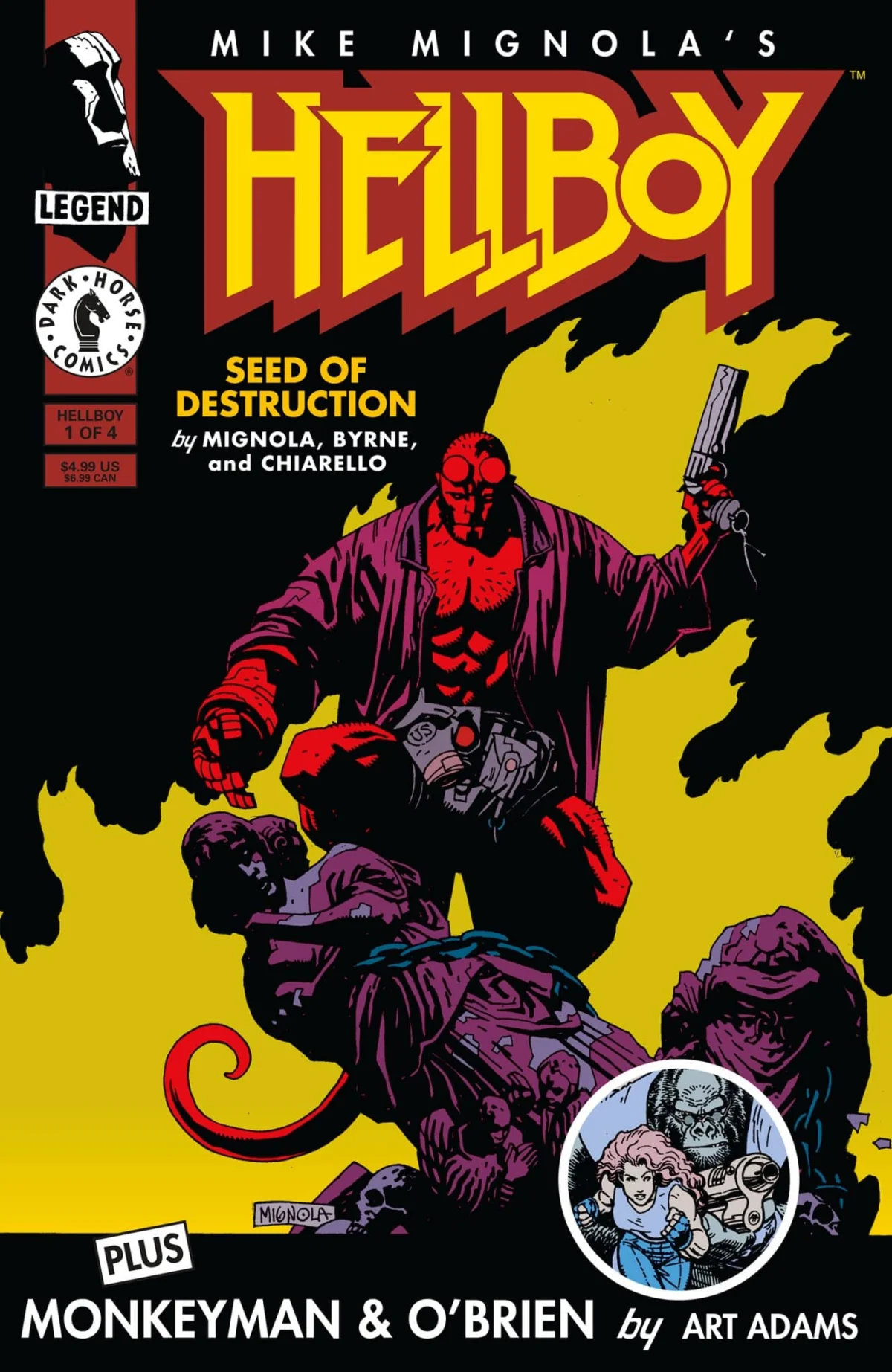
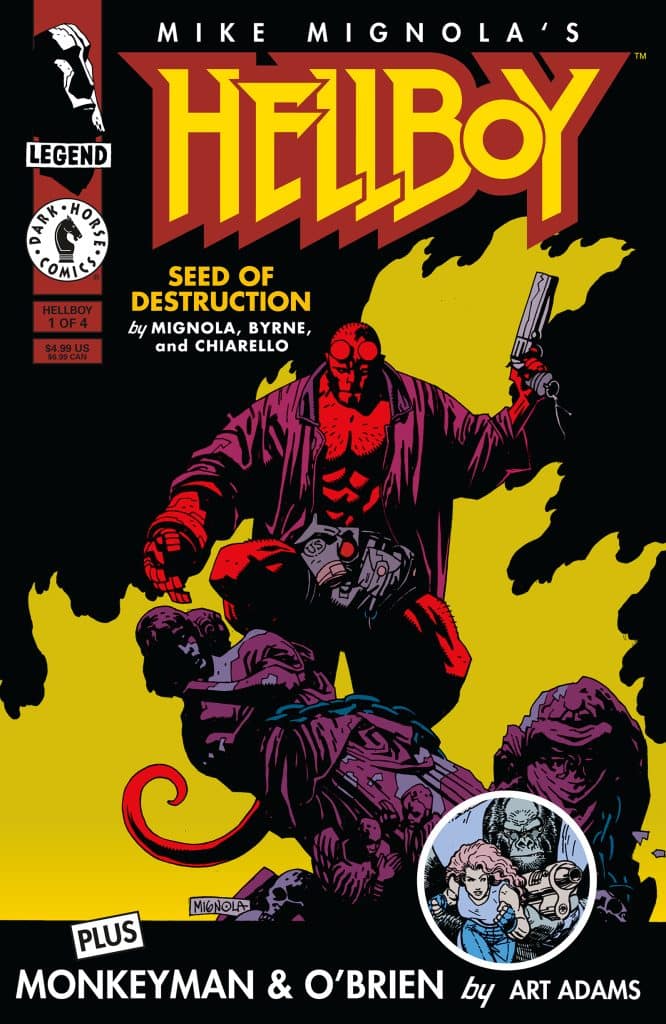
The publisher has officially announced the release of the Hellboy: Seed of Destruction #1 Facsimile Reprint. This is not merely a collection; it is a time capsule, designed to present the inaugural chapter of the B.P.R.D. (Bureau for Paranormal Research and Defense) exactly as it appeared on newsstands in 1994. From the original cover art to the vintage advertisements and the inclusion of Art Adams’ iconic “Monkeyman and O’Brien” backup feature, this edition promises a tactile, authentic experience that honors the history of the medium.
Main Facts: What to Expect
The Facsimile Reprint is a meticulous recreation of the groundbreaking first issue that introduced the world to Anung Un Rama, better known as Hellboy.

Core Details:
- Creative Team: Written by John Byrne with art by Mike Mignola, colors by Mark Chiarello, and lettering by Pat Brosseau.
- Content: The full 1994 debut issue, including original ads and editorial pages, alongside the “Monkeyman and O’Brien” backup story.
- Variant Coverage: For collectors, Dark Horse is offering a special 1:25 variant edition. This unique cover features brand-new artwork by Mike Mignola, accompanied by the signature modern-yet-atmospheric colors of Dave Stewart.
The narrative remains a masterclass in atmosphere, blending noir-inspired detective work with cosmic horror. The story follows the "World’s Greatest Paranormal Investigator" as he navigates a path from his apocalyptic origins in WWII-era England to a chilling, contemporary investigation involving the sole survivor of a doomed Arctic expedition. It is here that Hellboy first battles the sinister forces—including the dreaded vampire frog creatures—that would define the series for decades to come.
Chronology: The Evolution of a Comic Book Icon
To understand the significance of this facsimile, one must look at the timeline of Mignola’s creation.
The Pre-1994 Landscape
Before 1994, Mike Mignola was primarily known as a powerhouse artist for major publishers like Marvel and DC. His unique, heavy-shadowed style, heavily influenced by German Expressionism and pulp fiction, was beginning to attract a dedicated following. However, the creation of Hellboy marked a shift in industry power dynamics—a moment where a creator’s singular vision could define an entire publishing house.
The Launch: Seed of Destruction (1994)
When Seed of Destruction #1 hit the shelves, it was a revelation. It didn’t look like the bright, over-rendered superhero comics of the early 90s. It was moody, rhythmic, and steeped in folklore. John Byrne’s scripting provided a perfect scaffold for Mignola’s visual storytelling, grounding the supernatural elements in a gritty, procedural reality.
The Expansion (1995–Present)
Following the success of the first miniseries, the Hellboy universe exploded. It spawned countless spinoffs, including B.P.R.D., Abe Sapien, Lobster Johnson, and Witchfinder. The character became a bridge between the niche world of horror comics and the mainstream, leading to two feature films directed by Guillermo del Toro and a subsequent reboot.

Supporting Data: Why Facsimiles Matter
In the digital age, where high-resolution scans and digital storefronts are the norm, the "Facsimile" format has become a lucrative and culturally vital trend. By reprinting the original format—complete with the vintage advertisements and the specific paper stock feel—publishers are tapping into a desire for "archival legitimacy."
- Collector Value: While original 1994 copies of Seed of Destruction #1 can command significant prices in the secondary market depending on their condition, the facsimile provides a readable copy for fans who wish to experience the comic without risking damage to a rare vintage original.
- Historical Literacy: For younger readers who grew up with the collected trade paperbacks, this release offers an educational look at how the comic was originally paced. The inclusion of the "Monkeyman and O’Brien" backup story serves as a reminder of the industry’s former reliance on short-form backup features to build anthology-style value.
- The Mignola Aesthetic: The juxtaposition of the original Mark Chiarello colors with the new 1:25 variant featuring Dave Stewart’s coloring highlights the evolution of the Hellboy brand. It provides a visual dialogue between the 1994 debut and the contemporary aesthetic that has kept the franchise relevant for thirty years.
Official Responses and Industry Context
Industry analysts have noted that Dark Horse’s decision to revisit Seed of Destruction aligns with a broader strategy of celebrating legacy properties during significant milestones.
"The facsimile market is driven by nostalgia, but also by a genuine appreciation for the craft of the era," says an industry source close to the project. "When you reprint a book like this, you aren’t just printing a story; you are printing the environment that the story was born into. The ads, the letters pages, the specific color separations—they all contribute to the ‘vibe’ of the mid-90s comic shop experience."
While there hasn’t been a formal press conference, the anticipation on social media platforms and within comic book retail circles indicates that this is one of the most highly anticipated reprints of the current quarter. Retailers are particularly interested in the 1:25 variant, which is expected to be a primary target for "speculator" markets and die-hard Mignola completists.
Implications: The Enduring Legacy of the B.P.R.D.
What does the release of this reprint signify for the future of the Hellboy brand?
First, it reinforces the timelessness of Mike Mignola’s vision. Unlike many comics from the 1990s that suffer from dated tropes or overly complex continuity, Seed of Destruction remains a self-contained, accessible, and masterfully told story. It acts as a perfect "gateway" for new readers.

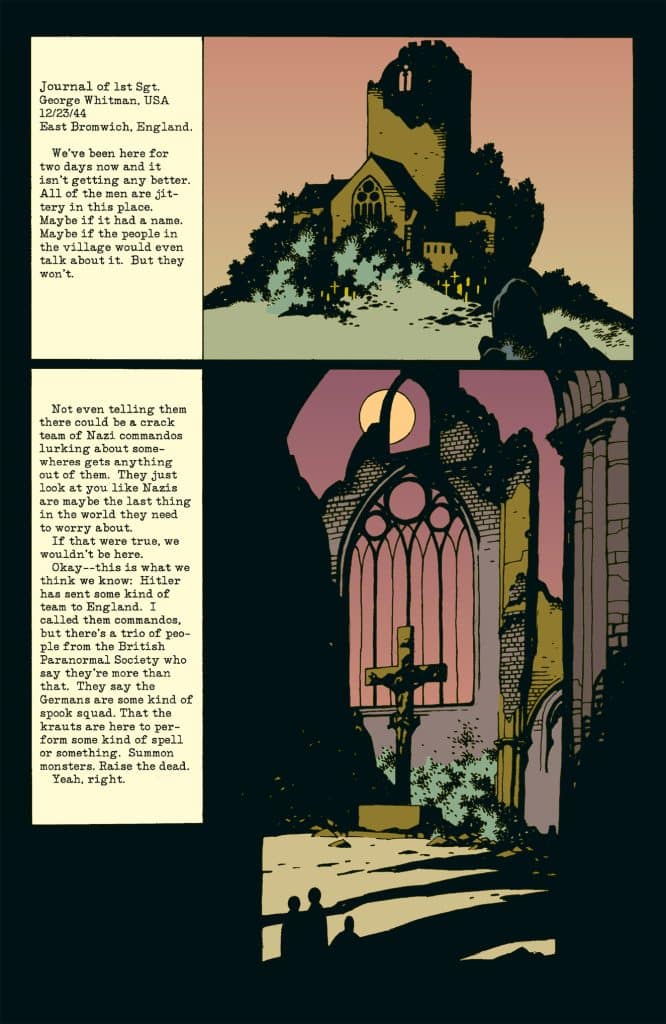
Second, it highlights the importance of the creator-owned model. The success of Hellboy was a foundational pillar for Dark Horse Comics, proving that an independent publisher could house a creative "universe" that rivaled the Big Two (Marvel and DC) in terms of depth, lore, and long-term viability. By returning to the source material, Dark Horse reminds both the industry and the fans that the heart of the Hellboy universe remains in that first issue, where a demon child was discovered in the ruins of a church, destined to trigger the apocalypse, but choosing instead to fight the monsters in the dark.
Final Thoughts for the Reader
As the Hellboy: Seed of Destruction #1 Facsimile Reprint prepares to hit shelves, collectors and readers should mark their calendars. Whether you are looking to frame the 1:25 variant, read the original story exactly as it was intended to be experienced, or simply pay homage to one of the most influential comic book debuts of the modern era, this release is a must-have. It stands as a testament to the fact that while heroes may come and go, the "World’s Greatest Paranormal Investigator" is here to stay.
Stay tuned to Graphic Policy for further updates on the release date and additional retail information as the launch window approaches.