

The intersection of Japanese creative intent and Western localization has once again become a flashpoint for controversy within the anime community. As the third season of the critically acclaimed series Oshi no Ko makes its debut, fans and industry observers have noted a significant shift in the English script provided by Sentai Filmworks. The core of the dispute lies in the decision to replace traditional Japanese metaphors and descriptive language with modern Western social media buzzwords, specifically "cancel culture" and "dogpiling."
This development occurs at a precarious time for the localization industry. With the looming shadow of Artificial Intelligence threatening to automate translation processes, human localizers are under increased scrutiny to prove their value. However, critics argue that by prioritizing "social media-friendly" vernacular over textual fidelity, localizers are risking the very creative integrity they are hired to preserve.

Main Facts: The Script Alterations in Season 3
The controversy centers on two specific instances in the early episodes of Oshi no Ko Season 3, produced by Doga Kobo and licensed for English distribution by Sentai Filmworks. The series, written by Aka Akasaka and illustrated by Mengo Yokoyari, is a psychological drama that explores the dark underbelly of the Japanese entertainment industry. Because the story itself critiques media manipulation and public perception, the choice of language in the translation carries extra weight.
The ‘Burned at the Stake’ Metaphor
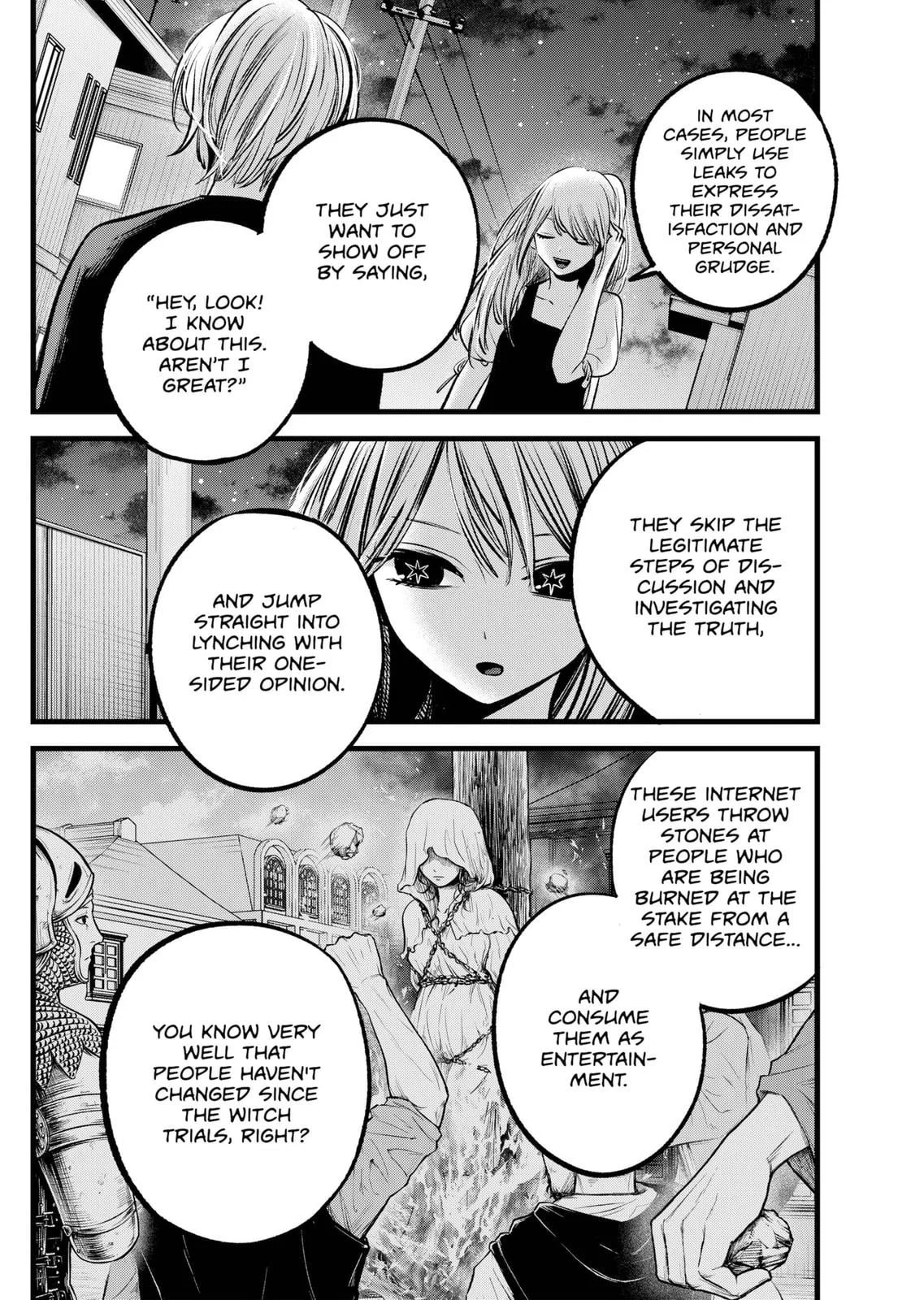
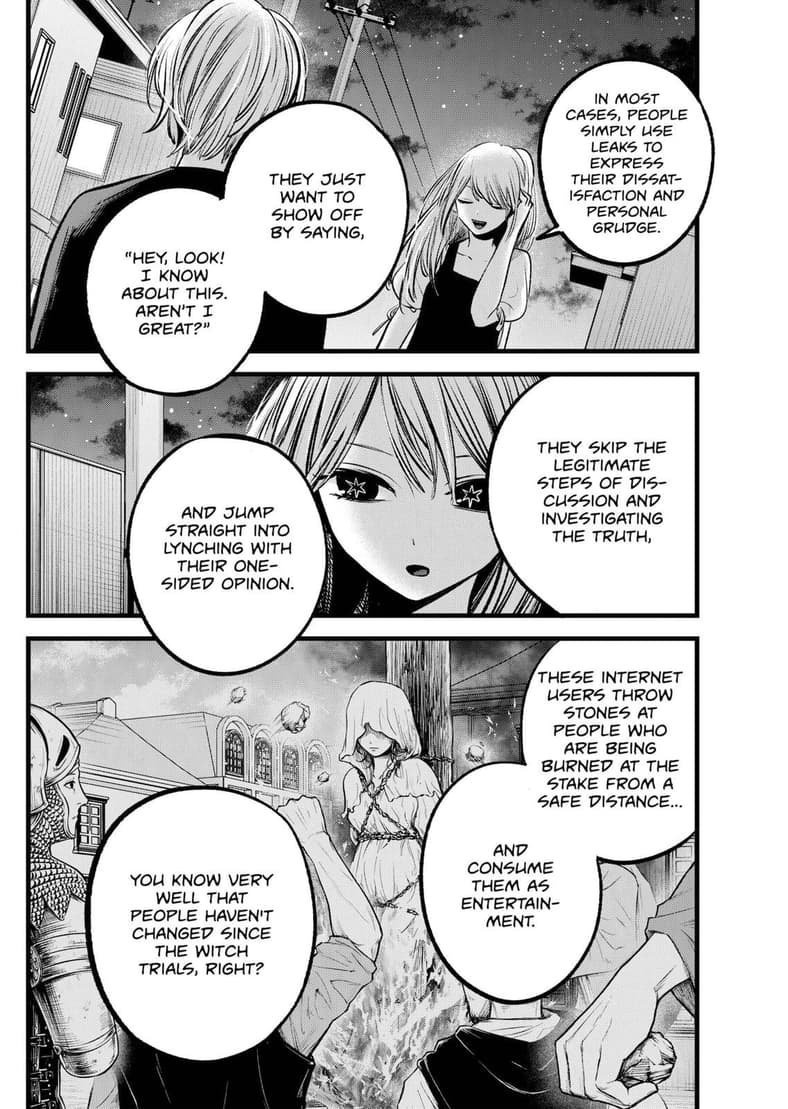
In Season 3, Episode 4, titled "Blind," the character Ruby Hoshino discusses the nature of online scandals following the "Dig Deep" incident—a plot point involving a television director’s career-ending sexual harassment controversy. In the original Japanese manga text, Ruby uses a visceral, timeless metaphor to describe the behavior of the online public. She describes them as people who "throw stones at those being burned at the stake from a safe distance," consuming the destruction as entertainment.

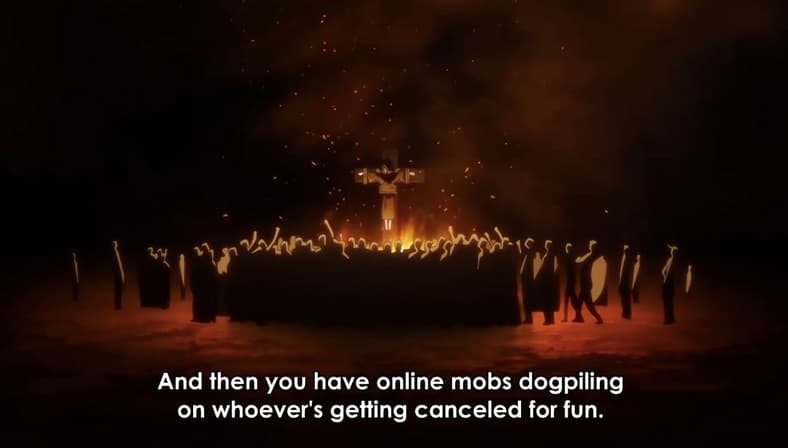
However, the Sentai Filmworks localization replaces this evocative imagery with contemporary slang. The English subtitle reads: "And then you have online mobs dogpiling on whoever’s getting canceled for fun."
The ‘Mega-Cancelled’ Scandal
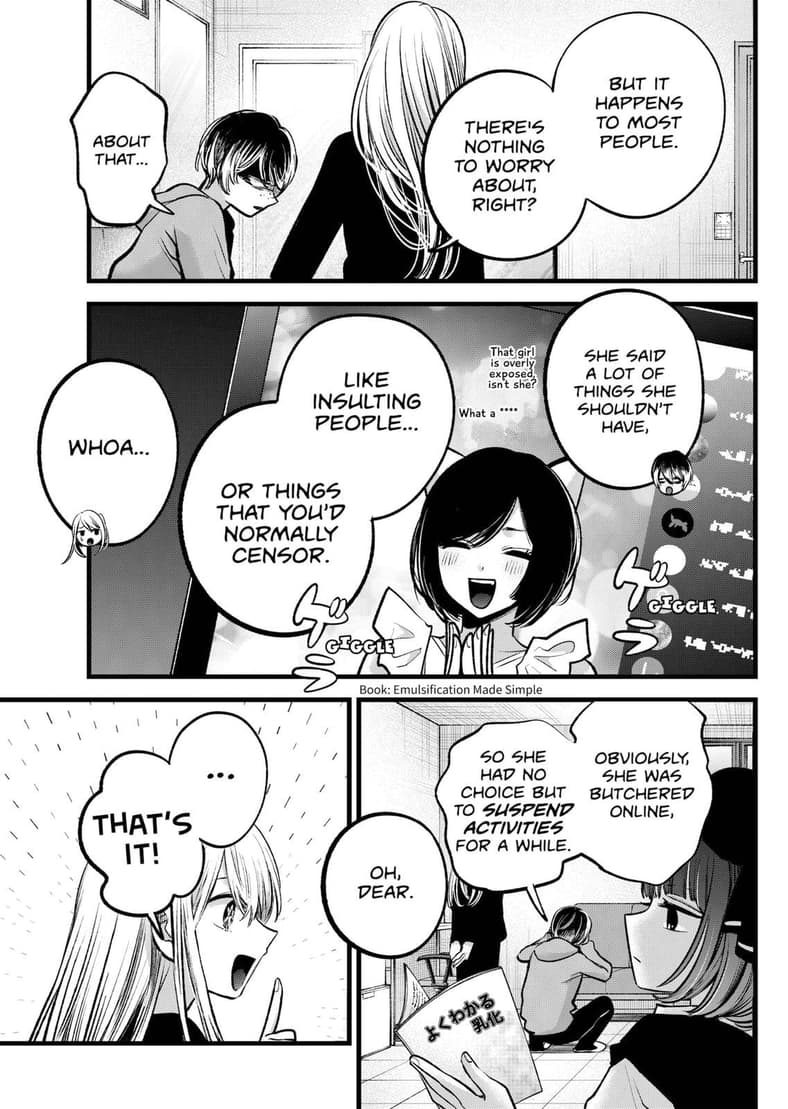
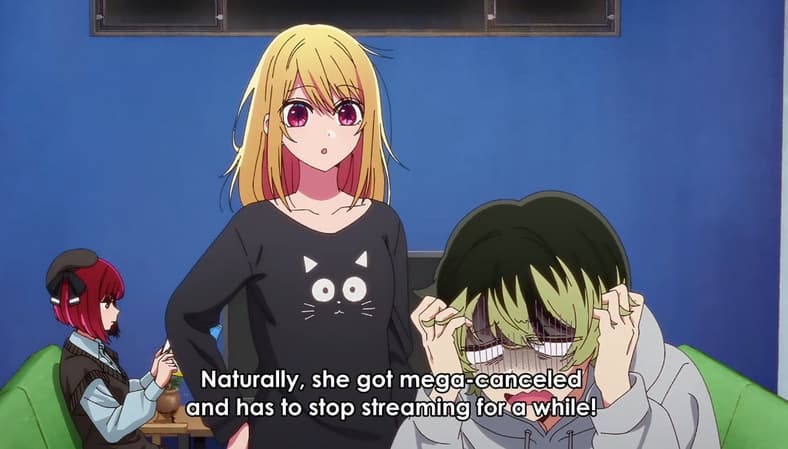
The trend continued in the following episode, "Casting" (or "Marketing" in some listings). The character Shun Yoshizumi discusses his sister Mimi, a V-tuber whose career is derailed after an unflattering video from her past surfaces. In the original manga, Shun states that his sister was "butchered online," necessitating her hiatus. The Sentai Filmworks script opts for a more colloquial approach: "Naturally, she got mega-cancelled and has to stop streaming for a while!"

Chronology of the Controversy
The friction between anime fans and localization teams is not a new phenomenon, but it has intensified over the last several years as "simulcasting" (releasing episodes simultaneously with the Japanese broadcast) has become the industry standard.
- Manga Serialization (2020–Present): Aka Akasaka’s manga established a reputation for its gritty, realistic portrayal of industry scandals. The fan translations and the official Shueisha English releases generally maintained the "burned at the stake" and "butchered" terminology, which resonated with the series’ dark themes.
- Season 1 and 2 Success (2023–2024): Oshi no Ko became a global phenomenon. During this time, discussions regarding localization remained relatively quiet, though fans began to keep a closer eye on how culturally specific terms (like "Idol," "Otaku," and "Oshi") were handled.
- The Rise of ‘Buzzword’ Localization (Early 2024): Prior to the Oshi no Ko Season 3 release, other series faced similar backlash. Notably, Netflix’s localization of Blue Box was criticized for changing a character’s compliment from "feminine" to "feminist," a move seen by many as an ideological insertion rather than a linguistic necessity.
- Season 3 Premiere (2024/2025 Production Cycle): As the "Dig Deep" arc began in the anime, viewers immediately noticed the shift toward "cancel culture" terminology. Social media platforms like X (formerly Twitter) and Reddit became hubs for side-by-side comparisons between the original Japanese dialogue, the manga translation, and the new anime subtitles.
Supporting Data: The Impact of Linguistic Shifts
To understand why these changes are controversial, one must look at the linguistic difference between "butchering/burning" and "canceling."
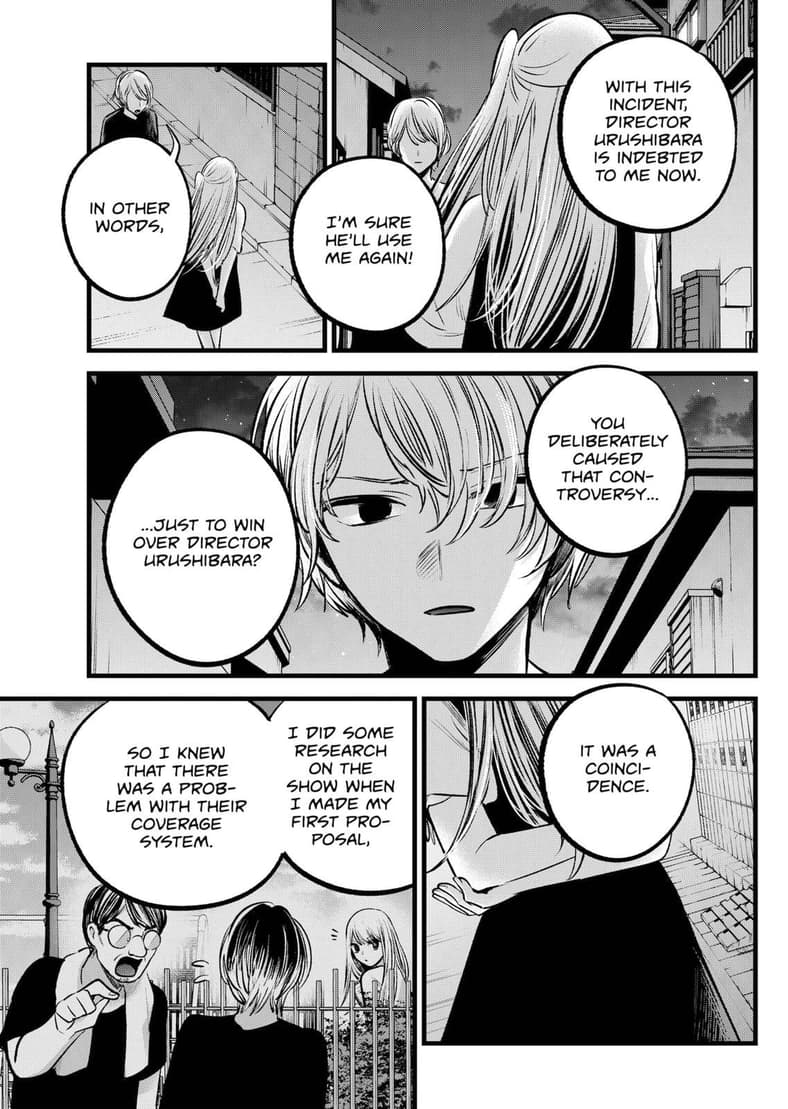
- Timelessness vs. Trend: The metaphor of "burning at the stake" is a historical and universal reference to mob justice and public execution. It implies a life-or-death severity and a primal human cruelty. "Cancel culture," by contrast, is a term coined within the last decade, primarily used in Western political discourse. Critics argue that using such terms "dates" the anime, making it feel like a product of a specific 2020s Western subculture rather than a reflection of the Japanese entertainment scene.
- Tone and Weight: Oshi no Ko is a drama that deals with suicide, exploitation, and trauma. "Butchered online" suggests a violent, irreversible destruction of a person’s spirit. "Mega-cancelled" carries a more flippant, almost comedic tone that some fans feel diminishes the tragedy of Mimi Yoshizumi’s situation.
- Localization Philosophy: There are two primary schools of thought in translation: Foreignization (keeping the cultural flavor of the original) and Domestication (making the text sound like it was originally written in the target language). The use of "dogpiling" and "canceled" represents extreme domestication, which can alienate viewers who watch anime specifically for its unique Japanese perspective.
Official Responses and Industry Context
As of this writing, Sentai Filmworks has not issued a formal statement regarding the specific dialogue choices in Oshi no Ko Season 3. This is typical for the industry; localization houses rarely address individual line-item criticisms unless they result in a massive public relations crisis or a request from the Japanese licensor.
However, the broader context of the localization industry provides a backdrop for why these choices are made. Localizers often argue that their goal is to convey the feeling of the dialogue to a modern audience. In their view, "cancel culture" is the closest equivalent to the Japanese concept of enjou (flaming or social media firestorms).
The controversy is further complicated by the "AI Threat." In early 2024, several Japanese publishers and production committees expressed interest in using AI for initial translation passes to reduce costs and increase speed. Human localizers have campaigned against this, citing the need for "cultural nuance" and "creative flair." Paradoxically, the insertion of Western political buzzwords has led some fans to argue that they would prefer a literal AI translation over a "biased" human localization.
Implications for the Future of Anime Distribution
The backlash against the Oshi no Ko localization highlights a growing divide between the producers of content and the consumers of that content. Several implications emerge from this ongoing friction:
1. The Risk of "Cultural Colonization"
Critics of the Sentai Filmworks script argue that by rewriting Japanese social issues through the lens of Western "cancel culture," localizers are practicing a form of cultural colonization. They contend that the audience is being deprived of the opportunity to understand how Japan uniquely handles online harassment, instead being fed a "Westernized" version of the narrative.
2. Fan-Subbing Renaissance
For decades, "fansubs" (amateur translations by fans) were the primary way to consume anime. With the rise of official streaming, fansubs largely disappeared. However, if official localizations continue to be perceived as inaccurate or ideologically driven, there is a strong possibility that fans will return to unofficial sources to find scripts that remain truer to the original Japanese intent.
3. Impact on the Creative Vision
Aka Akasaka is known for his meticulous research into the idol and acting industries. When a localizer changes a metaphor about "burning at the stake" to "dogpiling," they are effectively altering the author’s voice. For a series like Oshi no Ko, which is fundamentally about the truth behind the lies of the media, an "untruthful" translation is seen by the core fanbase as a betrayal of the series’ central premise.
4. Market Pressure on Localizers
As the "anti-localization" sentiment grows, streaming platforms may be forced to offer multiple subtitle tracks—one "literal" and one "localized"—to satisfy different segments of the audience. Alternatively, Japanese production committees may begin to exert more direct control over English scripts to ensure their creative vision is not diluted by regional distributors.
Conclusion
The case of Oshi no Ko Season 3 serves as a microcosm of the larger tensions within modern media translation. While the goal of localization is to make a foreign work accessible, the line between "translation" and "transformation" remains thin. For the fans of Ruby and Aqua Hoshino, the shift toward "cancel culture" terminology is more than just a change in words; it is a change in the very atmosphere of the story. As the series continues, the industry will be watching closely to see if Sentai Filmworks adjusts its approach or doubles down on its current localization strategy in the face of mounting viewer dissatisfaction.











No comments yet. Be the first to join the conversation!