

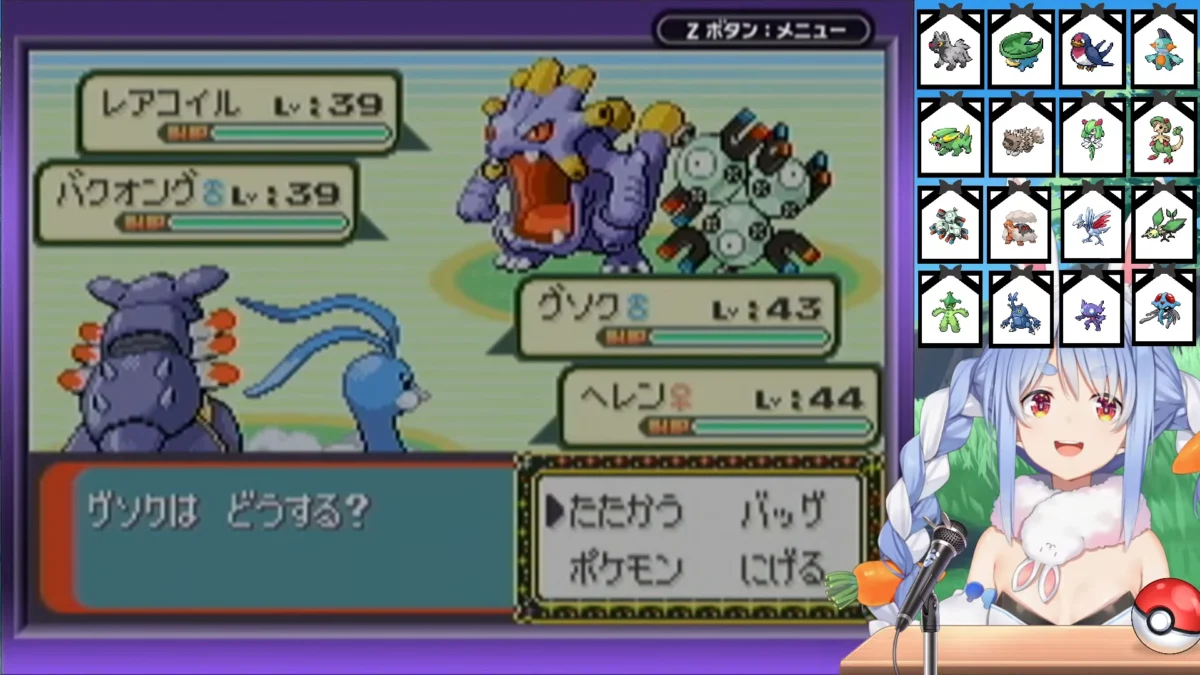
In the high-stakes world of VTubing, where content creators build empires on the foundation of fan engagement and spontaneous gameplay, the line between "harmless fun" and "corporate liability" is often thin. Recently, this boundary was tested when Usada Pekora, one of the most prominent talents under the Hololive production banner, found herself at the center of a controversy involving an official, yet suspected-hacked, copy of Pokémon Emerald.
The incident, which resulted in the removal of her stream archive and a formal public statement from her agency, Cover Corp, serves as a stark reminder of how strictly companies like Nintendo police their intellectual property in the digital age—and the risks creators face when they wander into the "grey zones" of retro gaming.
The Core Conflict: When Authenticity Meets Alteration
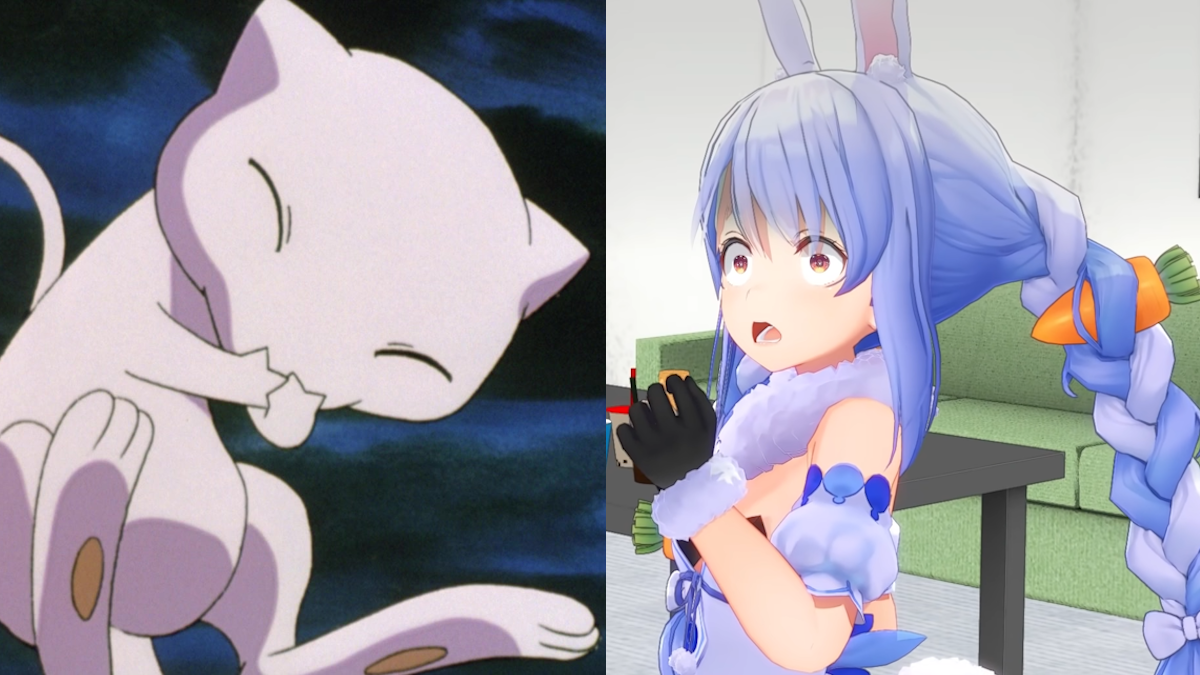
The controversy began with a simple, albeit ambitious, goal: Usada Pekora wanted to obtain a Mew in Pokémon Emerald. For seasoned players, this is a legendary challenge. Mew was never obtainable through normal gameplay in the third generation of Pokémon titles; it was exclusively distributed during limited-time, real-world events in the mid-2000s via the "Old Sea Map" item.
To secure this, Pekora went to significant lengths to acquire what she believed to be an authentic, legitimate copy of the game, even utilizing the Game Boy Advance Player on the Nintendo GameCube for her broadcast. However, the secondary market for retro games is notoriously flooded with "repro" or "bootleg" cartridges. These carts often feature modified ROMs that enable legacy event flags, allowing players to access content that should have been inaccessible for nearly two decades.

When Pekora discovered the Old Sea Map and the Mystic Ticket (required for Lugia and Ho-Oh) on her cartridge, she was initially delighted. What she didn’t realize was that by broadcasting a modified game—even one she purchased in good faith—she was walking into a legal and corporate minefield.
A Chronology of the Incident
The timeline of the event highlights how quickly a lighthearted stream can escalate into a serious corporate issue:

- The Stream: Pekora broadcast her playthrough, showcasing her acquisition of the rare event items. The excitement was palpable, but eagle-eyed viewers and critics quickly raised concerns regarding the legitimacy of the cartridge.
- The Backlash: As the stream gained traction, reports of the "hacked" nature of the cart spread across social media. Critics argued that the distribution of modified game data, even for a title no longer sold by the manufacturer, violated the spirit of Nintendo’s strict content guidelines.
- The Intervention: Following private consultations with Nintendo, Cover Corp (the parent company of Hololive) moved swiftly. The original stream archive was set to private.
- The Official Statement: Five days post-stream, Cover Corp issued a formal notice titled "Notice Concerning Response to Game Distribution Suspected of Violating Guidelines."
- The Resolution: Pekora addressed the situation in an April 3rd stream, expressing her confusion and frustration over the conflicting information regarding the cartridge’s authenticity, ultimately deciding to abandon the hunt for Mew to avoid further complications.
Supporting Data: The Rigor of Japanese Intellectual Property Law
The intensity of the response from both Nintendo and Cover Corp is rooted in Japan’s evolving legal landscape regarding digital assets. In 2019, the Japanese government amended the Unfair Competition Prevention Act. This legislation was designed to curb the sale of unauthorized software, modded consoles, and tools used to alter save data.
The law explicitly bans the distribution of programs that modify save data and the selling of unauthorized serial numbers or product keys. The consequences for violating these statutes are severe:

- Financial Penalties: Fines can reach up to ¥5 million JPY (approximately $34,870 USD).
- Criminal Charges: Offenders face up to five years in prison.
These laws are not merely academic. In recent years, Japanese authorities have made high-profile arrests of individuals selling modded Pokémon save files and modified Nintendo Switch consoles. For a company like Nintendo, which treats its intellectual property as a core business asset, allowing a high-profile streamer to showcase "hacked" content is perceived as a tacit endorsement of piracy or unauthorized game modification.
The Corporate Stance: Why Nintendo Intervened
Nintendo is arguably the most protective company in the gaming industry regarding its IPs. For them, there is no meaningful distinction between a "fan-made hack" and "piracy." When a VTuber uses an emulator or a modified cartridge to stream a game, they are technically broadcasting an unauthorized version of that software.

In the eyes of Nintendo and their investors, this sets a dangerous precedent. If the company does not take proactive steps to demand the removal of such content, they risk losing the ability to enforce their copyright claims in future, more egregious cases. Furthermore, as Japanese streamers are required to secure permission from publishers to monetize gameplay, they operate under strict "guidelines." By using a cartridge that arguably contained modified data, Pekora inadvertently breached these guidelines, putting both herself and her agency at risk of legal repercussions.
Implications for the VTuber Industry
The fallout from this incident has sent shockwaves through the VTubing community. For many, the "Pekora incident" highlighted the precarious nature of their profession.

1. The Burden of Compliance
VTuber agencies are now expected to implement much stricter "vetting" processes for the games their talents play. This means that if a talent wants to play a retro game, they cannot simply pull a copy off a shelf or buy one from a third-party seller; they must ensure that the hardware and software meet the stringent requirements set by the publisher.
2. The "Grey Zone" Perception
For fans, particularly those in Western markets, the intervention felt like an overreach. Many argued that since Nintendo does not currently sell Pokémon Emerald on the Switch or other modern platforms, playing a physical copy—even if modified—does not equate to lost sales. However, this Western perspective often clashes with the reality of Japanese corporate culture, where the integrity of the "official product" is paramount.

3. The Future of Retro Streaming
This incident will likely lead to a decline in retro-gaming content among major Japanese streamers. The risks associated with accidentally using a "repro" cartridge are simply too high. We may see a shift toward official re-releases and emulations provided directly by the publishers, as these are the only formats where the rules of engagement are clearly defined and legally protected.
Conclusion: A Lesson in Corporate Reality
Usada Pekora’s attempt to catch a Mew was a sincere effort to provide entertainment to her fans, but it ultimately collided with the uncompromising reality of modern intellectual property enforcement.
Her public apology and her decision to "stop catching Mew" illustrate the maturity that top-tier creators must possess when navigating the corporate world. While the incident may have caused a temporary stir and led to the "loss" of a stream, it also provided a necessary lesson to the industry: in the world of high-profile streaming, "authenticity" is not just about the game you play—it is about the legal framework that permits you to play it.
As the lines between digital entertainment and corporate regulation continue to blur, creators will have to become as adept at navigating copyright law as they are at navigating the virtual worlds they share with their audiences. For now, Pekora has moved on to Pokémon Fire Red, signaling a return to safer, more conventional content, and leaving the mystery of the "hacked" Emerald cartridge firmly in the past.









No comments yet. Be the first to join the conversation!