

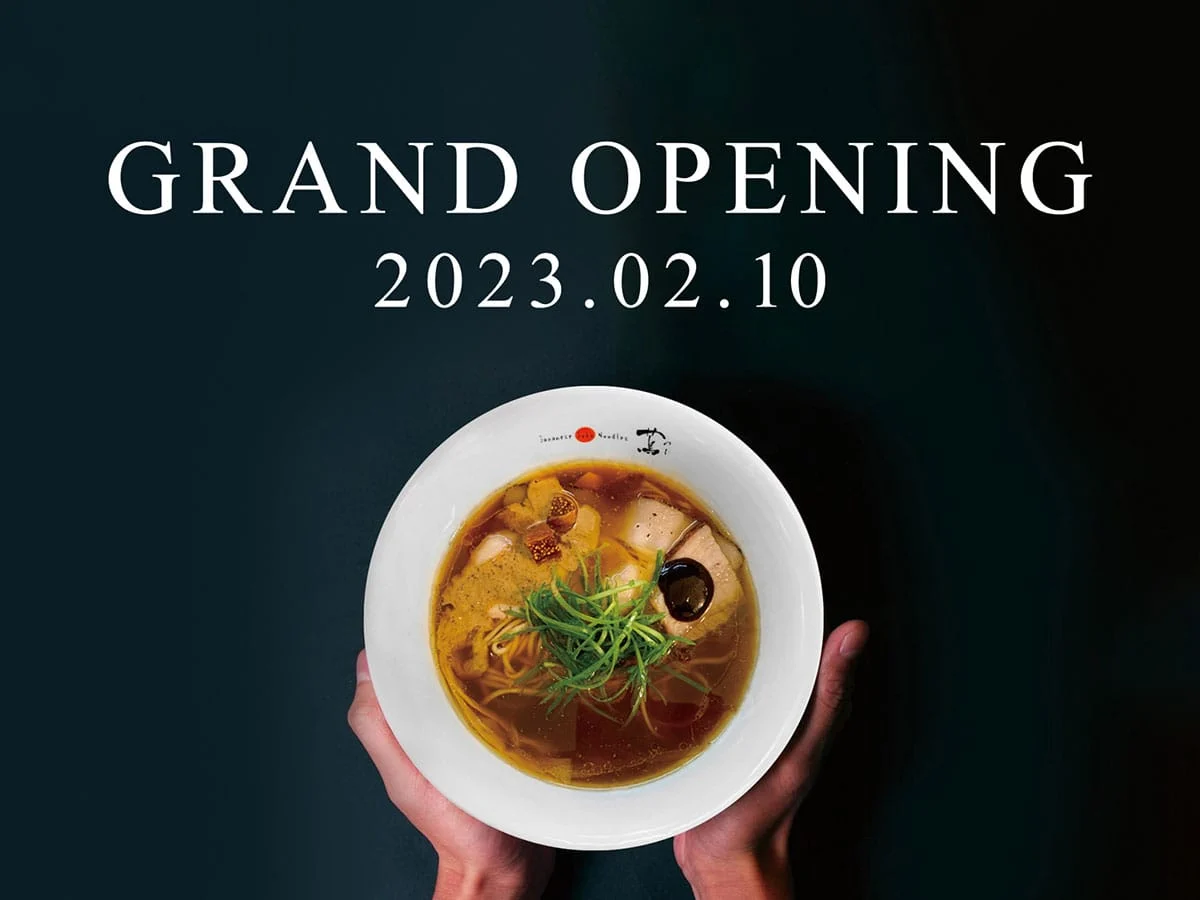
In the competitive, high-stakes landscape of Tokyo’s culinary scene, few names command as much reverence—and curiosity—as Japanese Soba Noodles Tsuta. For over a decade, the establishment has stood as a beacon of innovation, transforming the humble bowl of ramen into a fine-dining art form. Following a period of uncertainty that saw its doors shuttered in September 2022, the legendary ramen house has returned, setting up shop in the trendy, sophisticated enclave of Yoyogi-Uehara in Tokyo’s Shibuya Ward. The grand reopening on February 10, 2023, marks not merely a relocation, but a bold, ambitious evolution of the brand.
Main Facts: A New Chapter in Shibuya
The reopening of Tsuta represents a homecoming of sorts for fans who have followed the restaurant’s trajectory from its humble beginnings in Sugamo to its status as a global culinary icon. Under the stewardship of Tsutanote, Inc., the brand has sought to refine its identity while retaining the core values that catapulted it to stardom: a relentless pursuit of perfection, the rejection of chemical additives, and a philosophy that views the bowl of ramen as a canvas for global fusion.
The new location in Yoyogi-Uehara is strategically chosen to reflect the restaurant’s elevated status. Moving away from the high-density, traditional ramen corridors of Tokyo, the new venue offers a more intimate, curated experience. This space is designed to bridge the gap between traditional Japanese culinary heritage and the avant-garde sensibilities that have defined Tsuta’s reputation.
The Chronology of a Culinary Pioneer
To understand the magnitude of Tsuta’s reopening, one must look at the timeline that defined its rise and its recent hiatus.
- January 26, 2012: Tsuta opens its doors in Sugamo, Tokyo. Founded on the principle of elevating ramen, the shop immediately draws attention for its focus on premium, chemical-free ingredients.
- 2016: A watershed year. Tsuta makes history by becoming the very first ramen shop in the world to be awarded a Michelin star. This feat elevates ramen from a "quick meal" to a dish worthy of international gastronomic acclaim.
- 2019: The brand continues to expand its reach, navigating the challenges of global recognition and maintaining the high quality expected of a Michelin-starred establishment.
- September 2022: In a move that shocked the food world, Tsuta announces a temporary closure "for various reasons." Speculation runs rampant regarding the future of the brand, leaving thousands of loyal patrons wondering if the pioneer of refined ramen has served its final bowl.
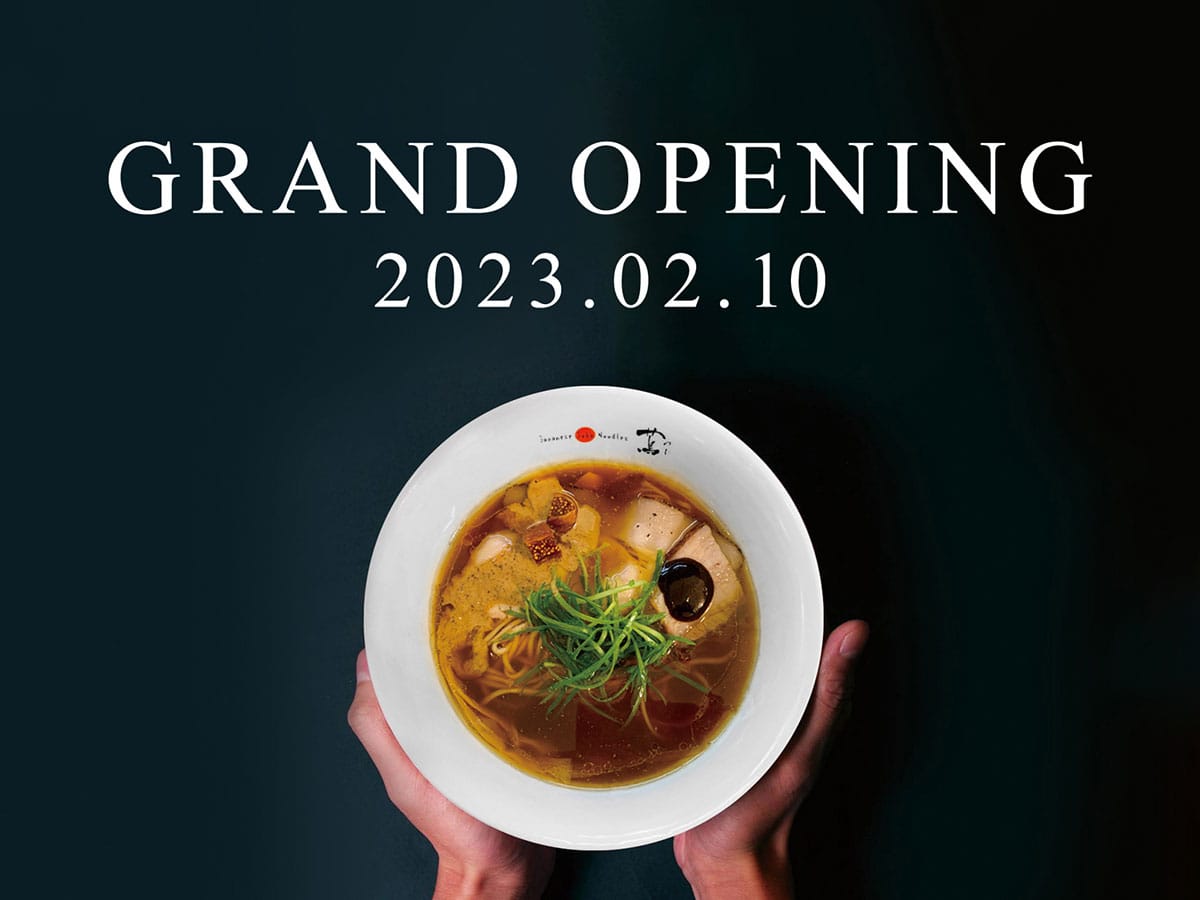
- February 10, 2023: After months of anticipation and behind-the-scenes preparation, Tsuta officially reopens in the Yoyogi-Uehara neighborhood, signaling a "fresh start" for the brand.
Supporting Data: The Philosophy of the Bowl
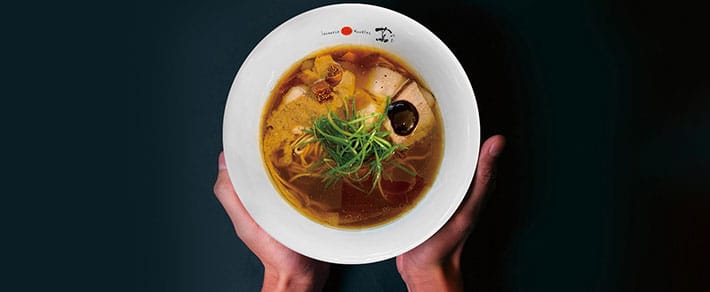
What separates a standard bowl of ramen from the experience provided by Tsuta? The answer lies in the technical rigor and the sourcing of materials. Tsuta’s commitment to "chemical-free" ingredients is not merely a marketing buzzword; it is the foundational pillar of their craft.
The Art of the Ingredient
Tsuta operates on the belief that the quality of a dish is dictated by the integrity of its components. By working directly with producers, the restaurant ensures that every element—from the flour used in their signature noodles to the salinity of their shoyu—is held to the highest standard. This farm-to-table approach is a rare commitment in an industry often reliant on pre-packaged stocks and MSG-laden seasonings.

The Name as a Statement
The choice of "Japanese Soba Noodles" in the restaurant’s title is a deliberate nod to history. The proprietor, recognizing that ramen is a relatively young addition to the Japanese culinary canon (roughly 100 years old compared to the centuries-old history of soba and udon), sought to position ramen as the rightful heir to the Japanese noodle tradition. By incorporating "Soba" into the title, the restaurant elevates ramen to a level of historical continuity and cultural respect.
Official Responses and Culinary Strategy
The transition to the Yoyogi-Uehara location is framed by the management as an evolution rather than a pivot. In official communications, Tsutanote, Inc. has emphasized that while the location and the menu have been refined, the "unlimited possibilities" of their ramen remain the guiding star.
Fusion and Innovation
The new menu is described as a fusion of Japanese umami culture with ingredients sourced from across the globe. This reflects a shift toward a more cosmopolitan style of ramen. By integrating global flavor profiles with the technical discipline of Japanese broth-making, Tsuta aims to remain relevant in a world where food borders are increasingly porous.
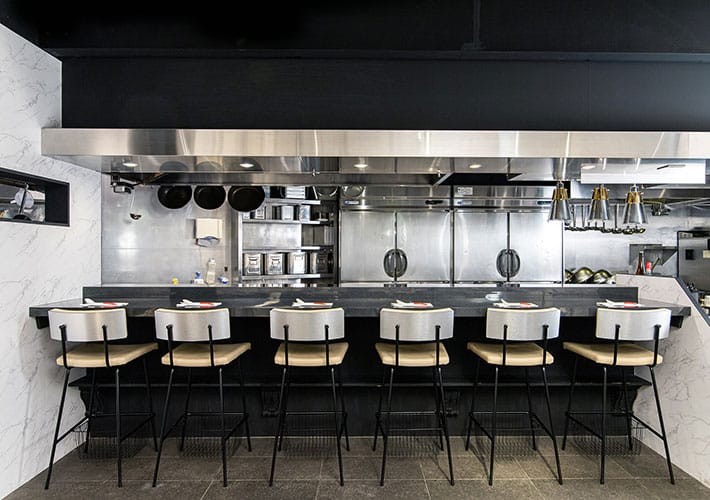
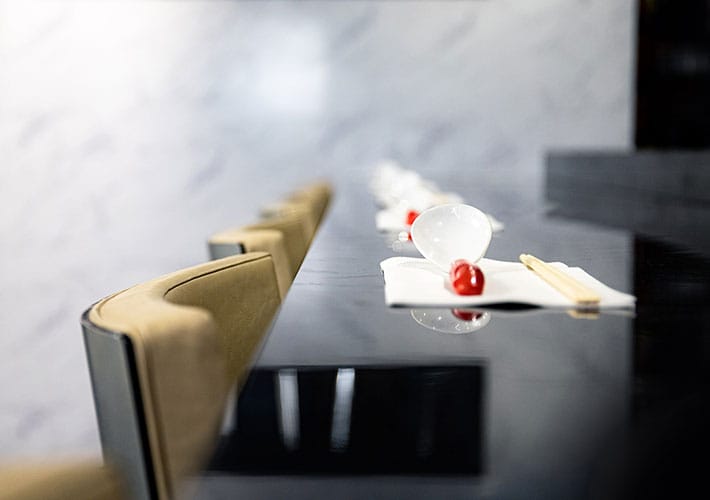
The restaurant’s service model has also undergone a transformation. The new space is designed to be "unconventional," moving away from the cramped, fast-paced atmosphere of traditional ramen shops. Instead, it invites guests to take their time, treating the ramen experience as a deliberate, thoughtful event. This change in service is reflective of the post-pandemic dining landscape, where diners increasingly prioritize the quality of the atmosphere as much as the quality of the meal.
Implications for the Ramen Industry
The return of Tsuta serves as a bellwether for the future of ramen on the international stage.
The Sustainability of Excellence
By reopening after a high-profile closure, Tsuta is demonstrating the resilience of the premium ramen business model. The industry has long grappled with the question of whether a ramen shop can maintain "Michelin-level" quality while scaling up or changing locations. Tsuta’s move to Yoyogi-Uehara suggests that the brand is prioritizing quality and atmosphere over raw volume, a trend that may influence other aspiring high-end ramen shops to rethink their own business structures.
The Influence of "Chemical-Free" Dining
Tsuta’s long-standing dedication to chemical-free ingredients has set a standard that other establishments are now scrambling to emulate. As health consciousness becomes a primary driver of consumer behavior in urban Japan, Tsuta’s success proves that diners are willing to pay a premium for transparency and safety in their food. This shift is likely to pressure other ramen shops to move away from artificial flavor enhancers, ultimately elevating the overall quality of the ramen market in Tokyo.
A New Standard for Space and Service
The move to an unconventional, more upscale space in a residential-adjacent neighborhood indicates a shift in how ramen is perceived. No longer confined to the bustle of train station alleys, Tsuta is helping to normalize the "neighborhood fine-dining ramen shop." This evolution potentially opens doors for more chefs to pursue creative, unconventional, and high-concept ramen projects that operate outside the traditional confines of the "slurp-and-go" ramen culture.
Conclusion: The Road Ahead
As the steam rises from the bowls in the new Yoyogi-Uehara kitchen, it is clear that Tsuta is not simply picking up where it left off. It is reinventing itself for a new era. The challenges of the past—including the pressures of the pandemic and the operational hurdles of maintaining a Michelin star—have clearly informed this new iteration of the brand.
For the ramen enthusiast, the return of Tsuta is more than just a shop reopening; it is a reassurance that the craft of the ramen master remains a living, breathing art form. Whether through their refined, global-fusion menu or their commitment to chemical-free, high-quality sourcing, Tsuta continues to prove that ramen is, and will always be, a dish of infinite potential. As they move forward in their new location, the world of gastronomy will undoubtedly be watching to see how the "Japanese Soba Noodles" pioneer continues to shape the future of one of Japan’s most beloved culinary exports.
The legacy of Tsuta is now firmly established in its new home, promising that while the history of ramen is only a century long, its future is wide open, limited only by the imagination of those behind the counter.












No comments yet. Be the first to join the conversation!