

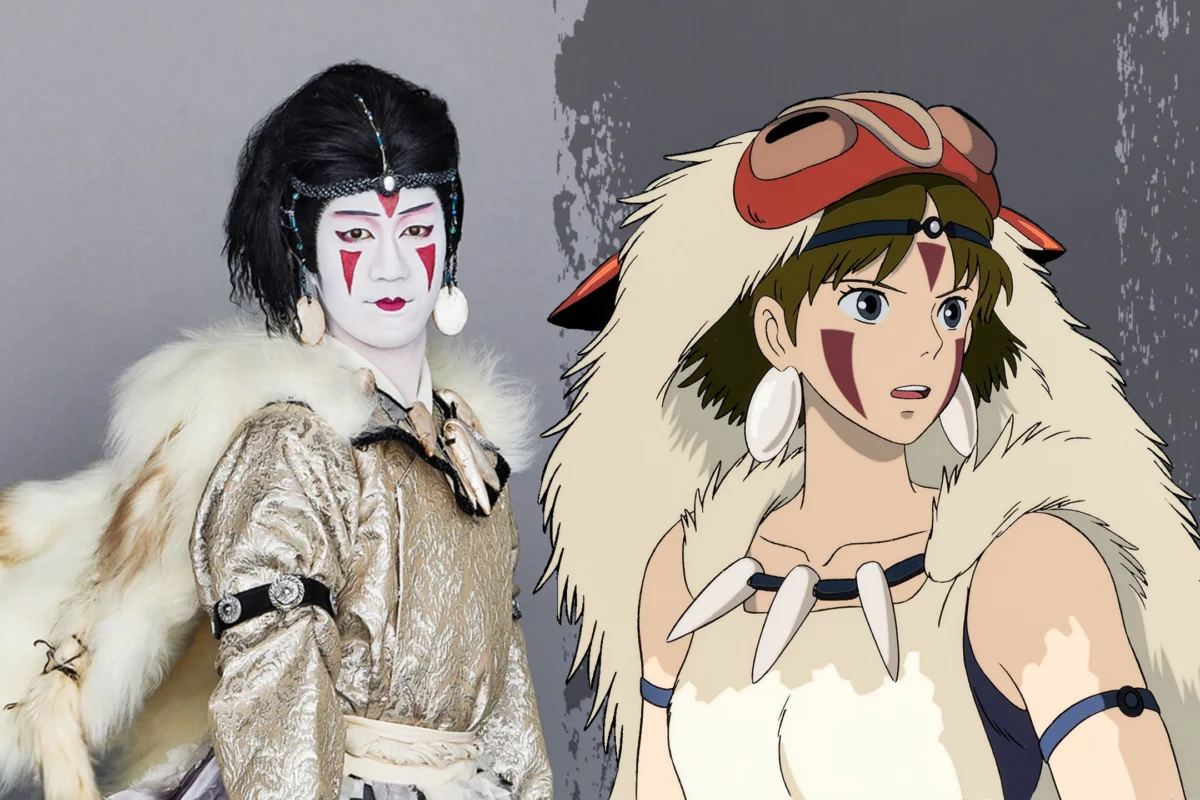
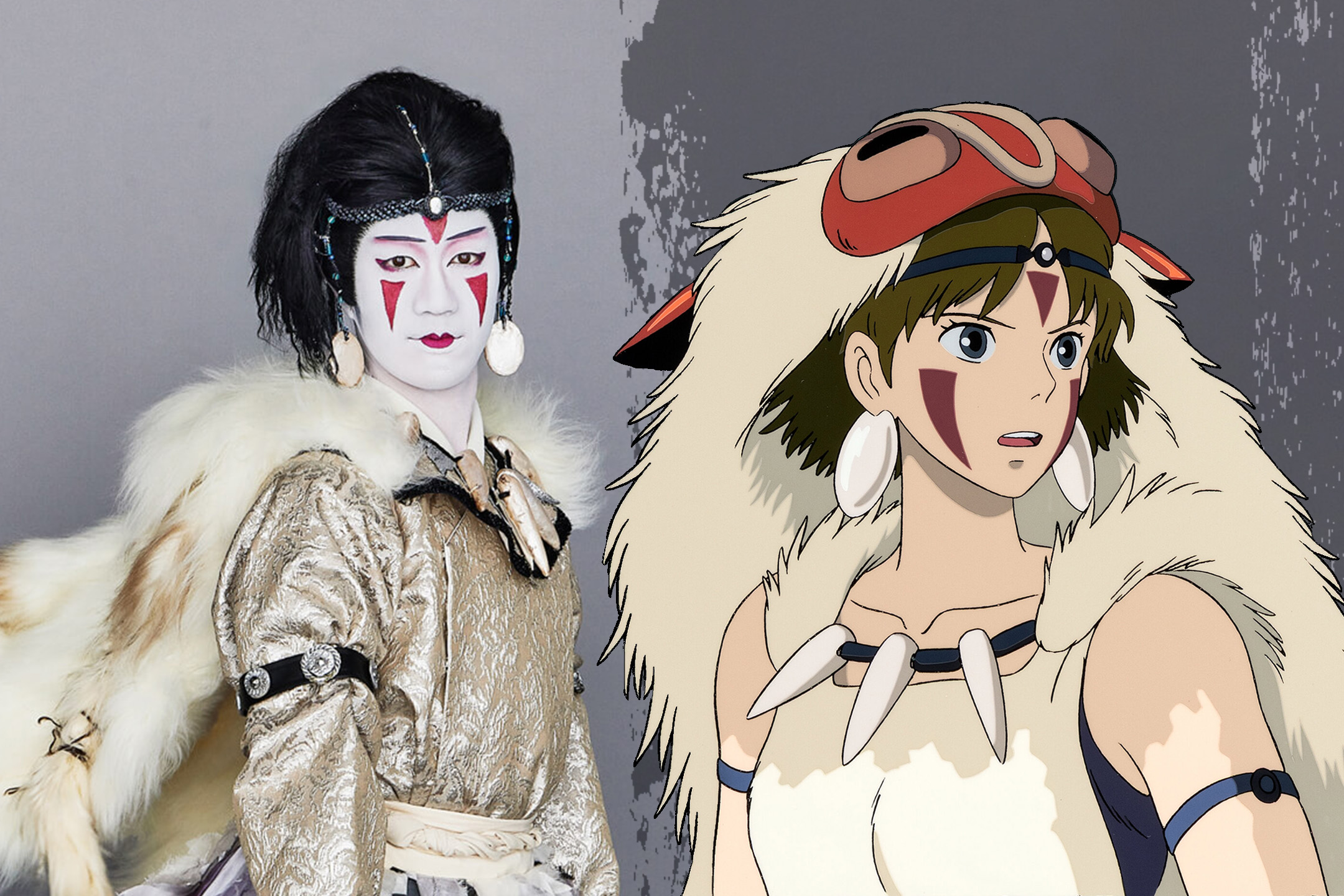
In a marriage of Japan’s most cherished modern animation and its most venerable theatrical tradition, Studio Ghibli’s 1997 masterpiece Princess Mononoke is set to make its grand debut on the kabuki stage. This July, the historic Shinbashi Enbujo theater in Tokyo will play host to a sweeping, multi-dimensional adaptation that promises to push the boundaries of "Super Kabuki."
For fans of Hayao Miyazaki’s environmental epic, the production represents more than a simple retelling; it is an ambitious cultural synthesis. By utilizing the dramatic, stylized techniques of kabuki—an art form dating back to the Edo period—to depict the clash between industrial modernity and the ancient spirits of the forest, the production seeks to honor the timeless themes of the original film while inviting a new generation into the theater.
The Evolution of Super Kabuki: Bridging Centuries
The production is spearheaded by Shochiku Kabuki, the primary purveyor of professional kabuki in Japan. This venture falls under the banner of "Super Kabuki," a revolutionary sub-genre pioneered by the late actor Ennosuke Ichikawa III.
Super Kabuki was born from a desire to revitalize a traditional art form that many feared was becoming inaccessible to younger audiences. By integrating contemporary narratives, high-octane stagecraft, and non-traditional musical elements, Super Kabuki acts as a bridge between the rigid, ceremonial past and the fast-paced, digital present. The company has previously seen massive success with this approach, most notably in their adaptation of the hit manga One Piece, which proved that the bombastic, expressive nature of kabuki is perfectly suited to the grandiosity of modern fantasy storytelling.
Princess Mononoke presents a unique challenge, however. Unlike the swashbuckling adventures of One Piece, Miyazaki’s work is deeply philosophical, steeped in Shinto animism, and marked by a somber, melancholic tone. The challenge for the production team lies in translating the ethereal nature of the Forest Spirit and the visceral, bloody violence of the Iron Town sequences into the codified, symbolic language of kabuki.
A Legacy of Talent: Meet the Cast
In adherence to the centuries-old tradition of the onnagata—male actors who specialize in female roles—the casting for this production has been a focal point of public interest.
Kazutaro Nakamura, a veteran of the stage who made his debut at the tender age of five in 1995, has been selected to portray San, the titular Princess Mononoke. Reflecting on his preparation for the role, Nakamura shared a poignant connection to the material. "Princess Mononoke was released when I was in elementary school," he remarked. "Although I only vaguely remember it at the time, when I watched it again as an adult, I remember feeling that the memorable lines, which were somehow very Kabuki-like, left a lasting impression on me."
The role of the heroic Prince Ashitaka, as well as the ethereal, shifting persona of the Forest Spirit, will be handled by Danko Ichikawa. As the grandson of the legendary Ennosuke Ichikawa III, the founder of the Super Kabuki movement, Danko’s casting feels heavy with historical significance. He shared a deeply personal story regarding his involvement: "The song I listened to when I received the news of my grandfather’s passing was ‘Ashitaka’s Diary.’ I still vividly remember receiving ‘hope’ in the midst of my grief. This was before I was offered this role, and I can’t help but feel it was somehow fateful."
Rounding out the principal cast is Tokizo Nakamura, who is tasked with the complex, antagonistic role of Lady Eboshi. Eboshi, a character defined by her ambition, compassion for the marginalized, and ruthless industrialism, serves as the perfect foil for the forest-dwelling San and the cursed Ashitaka.
Chronology: The Journey to the Stage
The road to this production has been marked by meticulous planning and a public-facing transparency rarely seen in traditional theater.
- Pre-Production (Late 2025): Creative teams at Shochiku began the arduous process of adapting the script. Miyazaki’s dense narrative required significant condensing while maintaining the core emotional arcs.
- Casting Announcements (Spring 2026): The principal cast members were revealed, drawing significant attention from both the traditional arts press and anime fandoms.
- The Documentary Series (June 2026): To build anticipation, Shochiku launched a serialized documentary on their YouTube channel. The series chronicles the rehearsals, the development of the elaborate costumes, and the deep-dive research into Miyazaki’s source material, providing viewers with an intimate look at the transformation of animation into stagecraft.
- Premiere (July 3, 2026): The curtains are scheduled to rise at the Shinbashi Enbujo, marking the official start of the run.
Supporting Data and Production Logistics
The production is slated for a nearly two-month run, spanning from July 3 to August 23, 2026. Given the complexity of the sets and the high-energy nature of Super Kabuki, performances are held twice daily, at 11 a.m. and 4 p.m., with select dark days scattered throughout the schedule to allow for cast recovery.
Ticket Tiers and Accessibility
Recognizing the need to attract a younger demographic—the primary consumers of the original Princess Mononoke—Shochiku has implemented a tiered pricing strategy:
- B-Tier Seats (3rd Floor): Starting at ¥3,000, these seats offer an affordable entry point for students and casual theater-goers.
- Premium Box Seats: Capped at ¥18,000, these provide the most immersive, up-close view of the stagecraft.
- Youth Discount: One of the most significant initiatives is the 50% discount for audience members aged 30 and under. Available on the day of the performance, this initiative requires proof of age and a special application form, underscoring the theater’s commitment to demographic diversification.
For those looking to elevate their experience, partnerships with platforms like Ticket Pia offer "Premium Packages." These bundles include perks such as exclusive souvenir programs and high-end bento boxes, reflecting the Japanese tradition of dining during the extended intermissions of long-form theater.
Official Responses and Creative Vision
Shochiku’s commitment to this project is a reflection of a larger industry trend: the "IP-ification" of the Japanese stage. By leaning into internationally recognized intellectual properties (IPs), traditional theaters are ensuring their survival in an era where digital entertainment dominates.
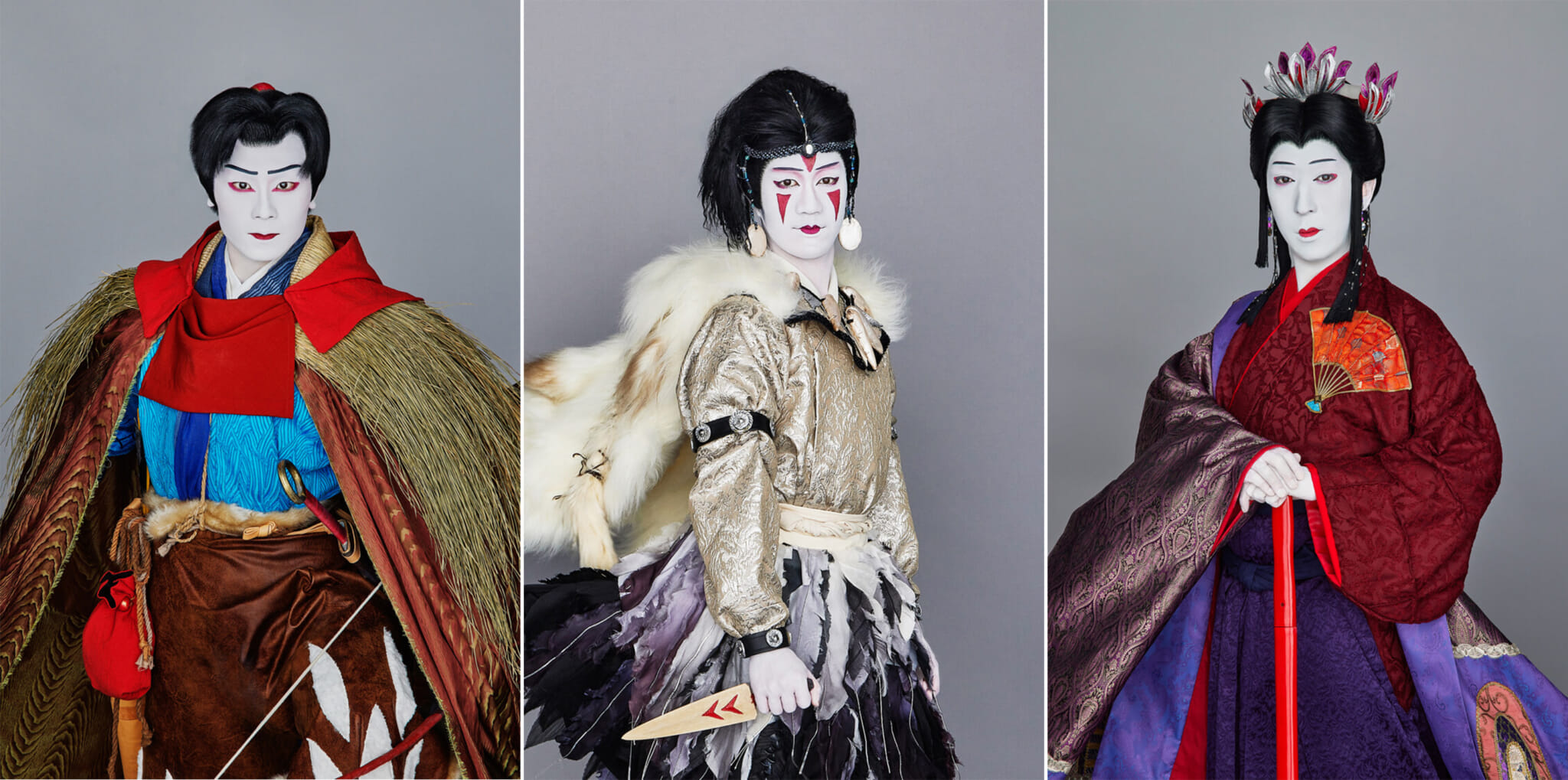
However, the creative team insists that this is not merely a "gimmick." The director and producers have emphasized that Princess Mononoke was chosen specifically for its resonance with Japanese mythology. In many ways, kabuki is the natural medium for the story; the exaggerated makeup, the mie poses (dramatic freezes), and the musical accompaniment of the nagauta ensemble are all designed to evoke the supernatural, making them perfect tools for representing the gods (kami) of the forest.
The Implications: A New Era for Kabuki
The success of this production could have lasting implications for the future of the performing arts in Japan. If Princess Mononoke attracts the massive, cross-generational audience anticipated, it will validate the Super Kabuki model as a sustainable blueprint for other classics.
Furthermore, this adaptation highlights the evolving perception of anime in Japanese society. Once relegated to a niche subculture, Studio Ghibli’s works are now being treated with the same reverence as the classical texts of Chikamatsu Monzaemon. This validation is a significant milestone in Japan’s cultural timeline, suggesting that the "classics" of the future are being written today.
As the Shinbashi Enbujo prepares for the July premiere, the air of anticipation is palpable. Whether the play succeeds in satisfying die-hard Ghibli purists or traditional kabuki enthusiasts remains to be seen. However, one thing is certain: by bringing the spirits of the Great Forest to the stage of the Shinbashi Enbujo, Shochiku has embarked on a bold endeavor that honors the past while fearlessly stepping into the future of Japanese storytelling.
Prospective attendees are encouraged to visit the official theater website to review the performance schedule and secure tickets before they are fully allocated. As the August 23 finale approaches, this production is poised to be not just a theatrical event, but a cultural phenomenon.












No comments yet. Be the first to join the conversation!