Nana Muazin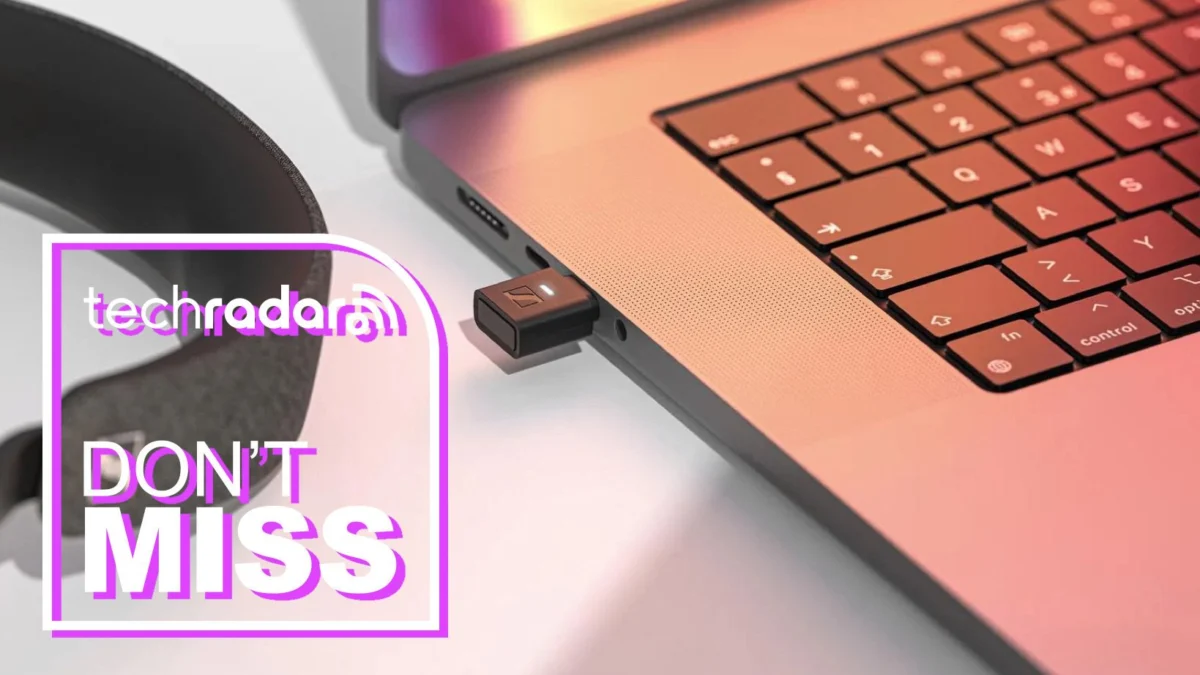
For all the iPhone’s engineering triumphs—its industry-leading processors, its sophisticated camera arrays, and its seamless software ecosystem—there remains a glaring, long-standing oversight that has plagued the device since its inception. While Apple has successfully positioned itself as a champion of high-fidelity music through Apple Music, the company has curiously failed to provide a wireless pathway for users to actually experience that quality.
Despite Apple offering millions of tracks in "Hi-Res Lossless" audio—a format that preserves the original studio recording’s nuance and depth—at no additional cost, no pair of Apple’s own headphones can wirelessly receive this data. The recent updates to the AirPods Max, which now feature USB-C, offer a reprieve via a wired connection, but for the millions of users who have cut the cord, the iPhone remains a bottleneck.
The Technical Paradox: Paying for Quality You Can’t Hear
The fundamental issue lies in the disparity between the streaming services we pay for and the transmission hardware we use. Services like Apple Music, Tidal, Qobuz, and recently Spotify, are aggressively pushing high-resolution streaming. In theory, listeners are paying for a premium, studio-grade experience. However, the iPhone utilizes the AAC (Advanced Audio Coding) codec for Bluetooth transmission. While efficient, AAC is a "lossy" format, meaning it discards data to maintain a stable wireless connection.
In contrast, many Android devices support superior codecs like aptX Adaptive, aptX Lossless, and LDAC. These protocols allow for higher bitrates, effectively bridging the gap between a digital file and the listener’s ear. The irony is palpable: you may be subscribed to a high-end lossless tier, but if you are using an iPhone paired with standard AirPods, you are hearing a compressed version of that file, effectively rendering the "Hi-Res" label on your streaming app a marketing ghost.
Chronology of a Sonic Oversight
The history of mobile audio is defined by the tension between convenience and fidelity. When Apple famously removed the headphone jack with the iPhone 7 in 2016, it signaled the end of the wired era for the mass market.
- 2016: The launch of the original AirPods and the removal of the 3.5mm jack forced users into the AAC-only ecosystem.
- 2021: Apple introduced "Lossless" and "Hi-Res Lossless" tiers to Apple Music, promising studio-quality sound. However, the company simultaneously admitted that these formats could not be transmitted wirelessly to any AirPods, including the flagship AirPods Max.
- 2023–2024: As the market for audiophile-grade wireless headphones grew, competitors began integrating Qualcomm’s Snapdragon Sound and aptX Lossless technology. Apple remained stationary, prioritizing proprietary connectivity over industry-standard high-fidelity codecs.
- The Current State: Today, while Apple’s hardware is more powerful than ever, the wireless transmission ceiling remains fixed at 2016-era limitations, creating a persistent gap between streaming potential and acoustic reality.
Breaking the Chain: The Sennheiser BTD 700 Solution
The frustration of the "Apple bottleneck" has led to a market for niche, high-performance adapters. The most compelling solution currently available is the Sennheiser BTD 700, a compact USB-C dongle that acts as an external bridge for your iPhone’s audio.
At a price point of approximately AU$59, the BTD 700 bypasses the iPhone’s native Bluetooth limitations. By plugging the transmitter into the USB-C port of your iPhone 15 or 16, the phone treats the device as an external audio interface. The dongle then handles the heavy lifting, transmitting audio to compatible headphones using the superior aptX Adaptive codec.
It is important to note that this is not a "plug-and-play" solution for every device. To reap the benefits, the user must possess a pair of headphones capable of decoding these high-resolution codecs. If you connect the BTD 700 to a pair of standard AirPods, the system will still revert to basic codecs. However, for users owning "Snapdragon Sound" certified headphones—such as those from Sennheiser, Bose, or select Sony models—the difference is not merely theoretical; it is audible.
Understanding the "Lossless" Debate
To understand why this matters, one must first demystify the terminology. "Lossless" audio refers to a file format that compresses data without removing any of the original information, essentially creating a perfect digital replica of the CD-quality master.
The Audiophile Perspective
Proponents of high-res audio argue that the added bit depth and sample rate provide a wider soundstage, better instrument separation, and a more "organic" texture to the music. In a quiet environment with high-quality open-back headphones, these details are often clear to the trained ear.
The Skeptic’s View
Conversely, many casual listeners argue that modern lossy compression (like AAC or 320kbps MP3) is "transparent"—meaning the human ear cannot distinguish it from the original. Critics of the lossless trend often point out that the noise floor of the outside world, combined with the limitations of Bluetooth transmission itself, makes the pursuit of "perfect" files a case of diminishing returns.
However, the consensus among audio engineers is that while the difference is subtle, it is cumulative. When you compress a file through a lossy codec, you lose micro-details in the high-frequency range and spatial imaging. By using a transmitter like the BTD 700, you are removing a layer of digital "smearing," allowing the hardware to perform as it was intended.
Implications for the Tech Ecosystem
Why does Apple continue to ignore high-res wireless? The answer likely lies in the "Walled Garden" strategy. Apple’s focus has always been on the seamless user experience—pairing in seconds, switching between devices, and maintaining rock-solid connectivity. Proprietary codecs and Apple’s H1/H2 chips are designed to optimize this ecosystem. Allowing high-res codecs might invite technical complexities that could interfere with the "it just works" philosophy that defines the AirPods brand.
Yet, this stance is becoming increasingly difficult to justify. As professional audio gear becomes more affordable and consumers become more educated on the nuances of sound, the demand for transparency in audio hardware will only increase. By ignoring this, Apple is effectively forcing its most loyal, audiophile-leaning customers to look elsewhere for their listening solutions.
How to Optimize Your Current Setup
If you are determined to unlock the full potential of your music library, follow this checklist:
- Check Your Source: Ensure your streaming service (Apple Music, Tidal, etc.) is set to "High-Res Lossless" in your app settings. Note that these files consume significantly more data.
- Verify Your Headphones: Check if your current pair supports aptX Adaptive or aptX Lossless. If they only list "AAC" or "SBC," they are the bottleneck, not the iPhone.
- The Dongle Factor: For iPhone users, the BTD 700 or similar high-fidelity USB-C transmitters are the only way to bypass the internal Bluetooth limitations.
- Environmental Awareness: Remember that Bluetooth is a radio signal. Even with high-res codecs, heavy interference from Wi-Fi routers or dense urban environments can cause audio dropouts. For the absolute best experience, stay within range of your transmitter.
The Future of Mobile Audio
The persistent gap between Apple’s streaming ambitions and its hardware limitations presents a unique opportunity for third-party manufacturers. As long as Apple prioritizes the convenience of its proprietary ecosystem over the high-fidelity demands of the market, the market for "audiophile dongles" will continue to flourish.
For the average listener, this might feel like a niche concern. But for those who view music as an immersive, high-fidelity experience, the ability to finally bypass the iPhone’s codec limitations is a long-overdue victory. The technology to experience your music as the artist intended is here; it just requires a little extra hardware to bridge the gap. As this sector evolves, we can only hope that major tech giants eventually move toward an open standard for high-resolution wireless, finally ending the era of the forced bottleneck.

 Neng Nana
 Iffa Jayyana