

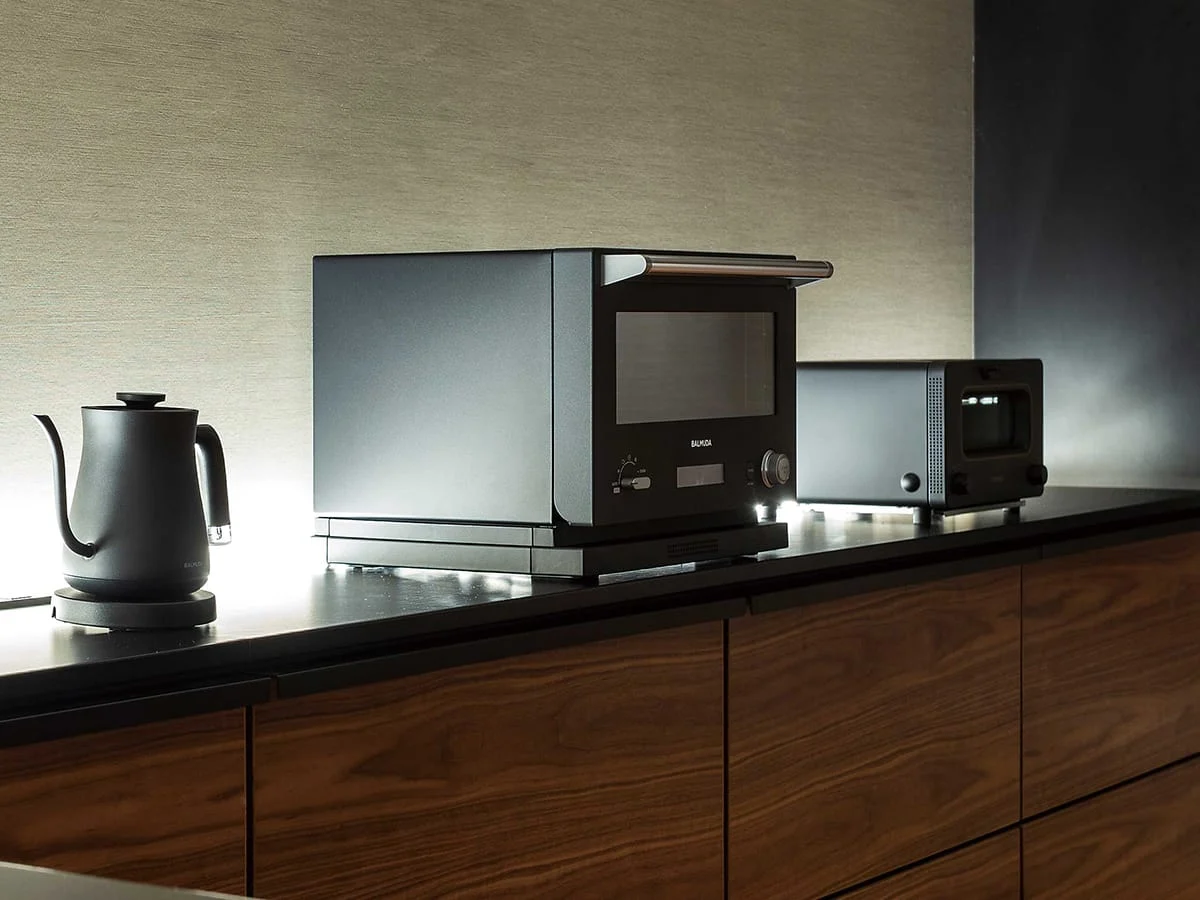
For travelers navigating the neon-lit, fast-paced streets of Shibuya, Tokyo, the experience is often defined by sensory overload. From the iconic scramble crossing to the endless labyrinth of high-end boutiques and underground izakayas, Shibuya is a hub of perpetual motion. Yet, amid the grandeur of Japan’s most famous district, the practicalities of daily life—specifically dining—can become a logistical challenge. While Tokyo is a culinary paradise, the reality of budget constraints, dietary restrictions, and the occasional need for a quiet night in means that the humble microwave oven has become the unsung hero of modern Japanese travel.
Choosing a hotel equipped with a microwave isn’t just about saving a few yen; it is about reclaiming autonomy over your itinerary. Whether you are a parent traveling with an infant, a budget-conscious backpacker, or a foodie eager to curate a private tasting menu from local convenience stores, access to a microwave transforms your hotel room from a mere place to sleep into a functional base of operations.
The Evolution of the "Conbini" Culture
To understand the necessity of a microwave, one must first appreciate the culinary powerhouse that is the Japanese conbini (convenience store). Chains like 7-Eleven, Lawson, and FamilyMart are not the corner shops one might find in the West; they are high-quality, high-frequency kitchens.
Main Facts: The Conbini Advantage
- Diverse Menus: Shelves are stocked with everything from authentic ramen and soba noodles to complex Japanese curries and katsu sandwiches.
- Freshness: High-turnover stock ensures that food is remarkably fresh, often rotated multiple times throughout the day.
- The Reheat Dilemma: While staff will happily heat your meal upon purchase, the "expiration" of that heat is often measured in minutes. If your plans change, or if you prefer to dine at a slower pace in your hotel room after a long day of sightseeing, having a microwave allows you to purchase these meals in advance, essentially "time-shifting" your dining experience.
Chronology of Convenience: From Street Stalls to Room Service
The journey of Japanese food consumption has shifted significantly over the last decade. Historically, travelers were bound by the hours of local restaurants. However, with the rise of high-quality frozen delicacies, the traditional dining timeline has been disrupted.
- Morning: Breakfast on the go. Grab a pre-packaged rice ball (onigiri) or a warm pastry.
- Midday: Exploring the city. Stop for a quick restaurant meal, but be mindful of portion sizes.
- Evening: The "Leftover Strategy." If you visit a tonkatsu (breaded pork cutlet) shop and find yourself defeated by the generous portion, you can request a take-home container. A microwave allows you to reheat this high-quality meal the next morning or late at night without sacrificing texture.
- Night: The Frozen Frontier. For those who missed the street stalls, the freezer section offers high-quality frozen okonomiyaki (savory pancakes) or takoyaki (octopus fritters) that, when microwaved, offer a taste nearly indistinguishable from the original vendor experience.
Supporting Data: Why Travelers Prioritize In-Room Amenities
Data gathered from hospitality surveys in Tokyo indicates a growing trend: travelers are increasingly filtering their hotel searches by "room amenities" rather than just "location."
- Dietary Restrictions: For those with allergies or strict dietary needs (halal, gluten-free, vegan), restaurants in Japan can sometimes be difficult to navigate. A microwave allows travelers to bring their own pre-prepared or specially sourced meals, providing a safety net that dining out cannot always offer.
- Infant Care: For parents, the ability to sterilize bottles or heat formula quickly and at any hour of the night is a significant stress-reducer.
- Budgeting: Eating out for every meal in Shibuya can quickly deplete a travel budget. By replacing one or two meals a day with high-quality convenience store or grocery store options, travelers can save significantly, reallocating those funds toward experiences like tours or shopping.
Implications for the Modern Traveler
The shift toward self-contained hotel experiences has not gone unnoticed by the hospitality industry. Hotels in Shibuya are increasingly modifying their common areas to include "communal kitchens" or microwave stations, recognizing that the modern traveler values flexibility over the rigid service models of the past.
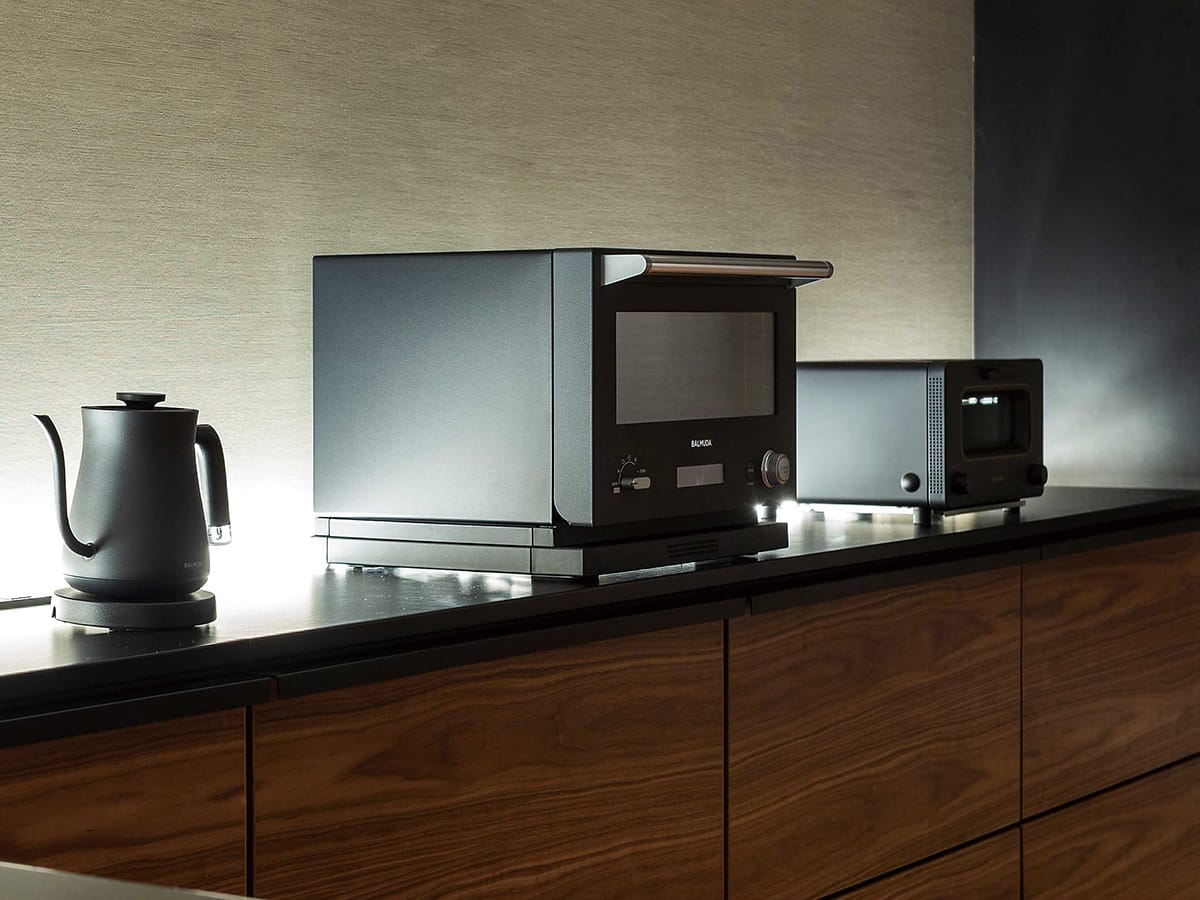
For the hotelier, providing a microwave is an investment in guest satisfaction. For the traveler, it is a strategic advantage. It allows you to visit a specialty shop like Picard—the renowned French frozen food retailer located in the trendy Daikanyama area, just a 15-minute walk from Shibuya Station—and bring back gourmet French cuisine to your room. It turns a standard trip into a curated, personalized experience.
Hotels with Microwave Access in Shibuya: A Curated Selection
When booking your accommodation, consider the following options which provide either in-room microwave access or reliable common-area facilities.
Hotels with In-Room Microwaves
- Tokyu Stay Shibuya Shin Minamiguchi: A leader in the long-stay segment. These rooms are designed for independence, featuring not only microwaves but also kitchenettes and laundry facilities.
- Tokyu Stay Shibuya: Offering the same high standard of "living" versus just "staying," this location is ideal for those who want a true home-away-from-home feel in the heart of the district.
Hotels with Microwaves in Common Areas
For those who do not require a full kitchenette but still need the occasional reheat, several premium hotels offer communal microwave stations:
- APA Hotel Shibuya Dogenzakaue: Known for its strategic location, this hotel offers efficient access to amenities for guests on the move.
- Shibuya Stream Excel Hotel Tokyu: A sophisticated choice where communal facilities are maintained to a high standard, catering to both business and leisure travelers.
- JR-East Hotel Mets Shibuya: Situated near the station, this hotel provides a practical solution for travelers who prioritize proximity to transit.
- Hotel Wing International Premium: A reliable choice that balances comfort with guest-focused amenities.
- all day place Shibuya: Embracing a modern, minimalist aesthetic, this hotel integrates its communal facilities into a sleek, functional layout.
- Mustard Hotel Shibuya: A trendy, lifestyle-focused hotel that understands the needs of the modern, creative traveler.
Conclusion: Making the Informed Choice
As you plan your journey to the heart of Tokyo, do not underestimate the power of the microwave. While it may seem like a mundane appliance, in the context of the Shibuya dining scene, it is a tool of convenience, budget management, and comfort. By choosing a hotel that aligns with these practical needs, you ensure that your stay is defined by ease rather than the frustration of cold food or restricted options.
Before finalizing your reservation, always check the latest room descriptions, as amenities can be subject to change. By utilizing the maps provided and cross-referencing your accommodation with the proximity to local convenience stores and frozen food retailers, you are setting the stage for a more relaxed, authentic, and enjoyable Shibuya experience. Whether you are a solo traveler or exploring with family, a little bit of planning goes a long way in ensuring your time in Japan is spent exactly how you want it—one warm, convenient meal at a time.












No comments yet. Be the first to join the conversation!