Suro Senen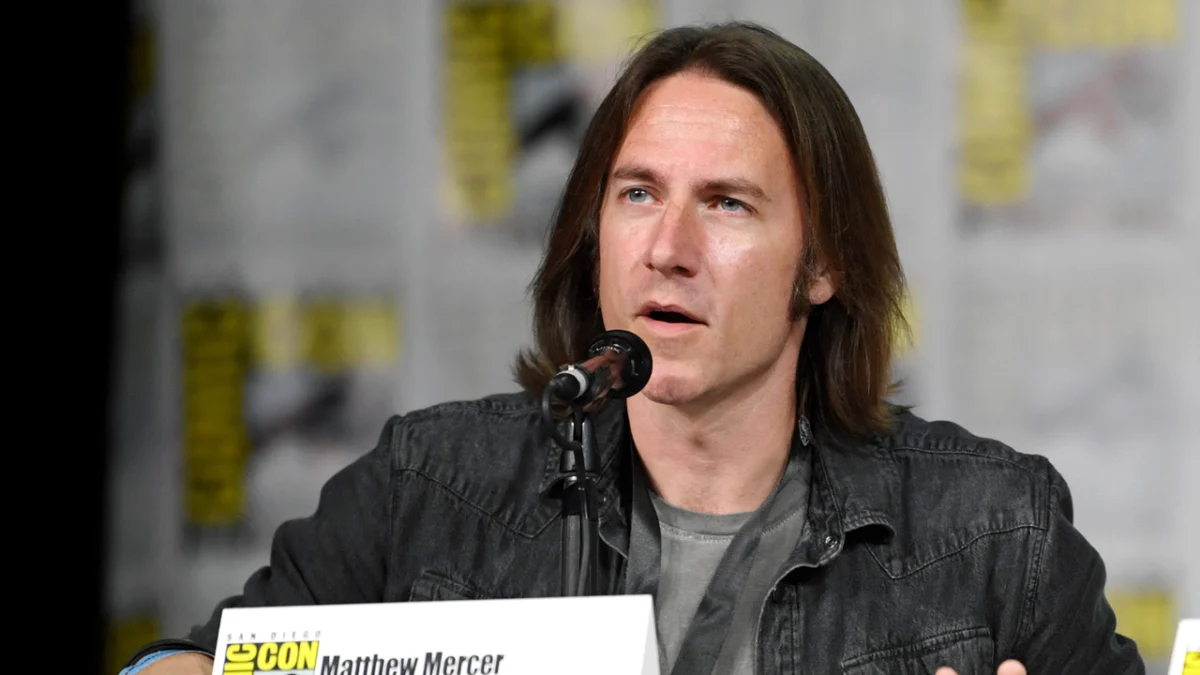
For decades, the standard entry point into the world of tabletop roleplaying games (TTRPGs) was a solitary, often confusing, and occasionally dry experience. A newcomer would crack open a thick rulebook—likely Dungeons & Dragons—only to be greeted by an "example of play." These sections typically featured characters with names like "Arthur" and "Samantha," acting out a stilted, scripted scene in a dungeon, designed to demonstrate the mechanical loop of rolling dice and interpreting results. For those without an existing social circle of gamers, this was the only window into the hobby.
Today, the landscape is unrecognizable. The rise of "actual-play" series—programs where professional voice actors and entertainers play TTRPGs—has transformed the medium from a niche pastime into a global cultural phenomenon. Shows like Critical Role, Dimension 20, The Adventure Zone, and Acquisitions Incorporated have introduced millions to the joys of the hobby. Yet, this accessibility has birthed a contentious discourse within the community: the so-called "Mercer Effect."
What is the "Mercer Effect"?
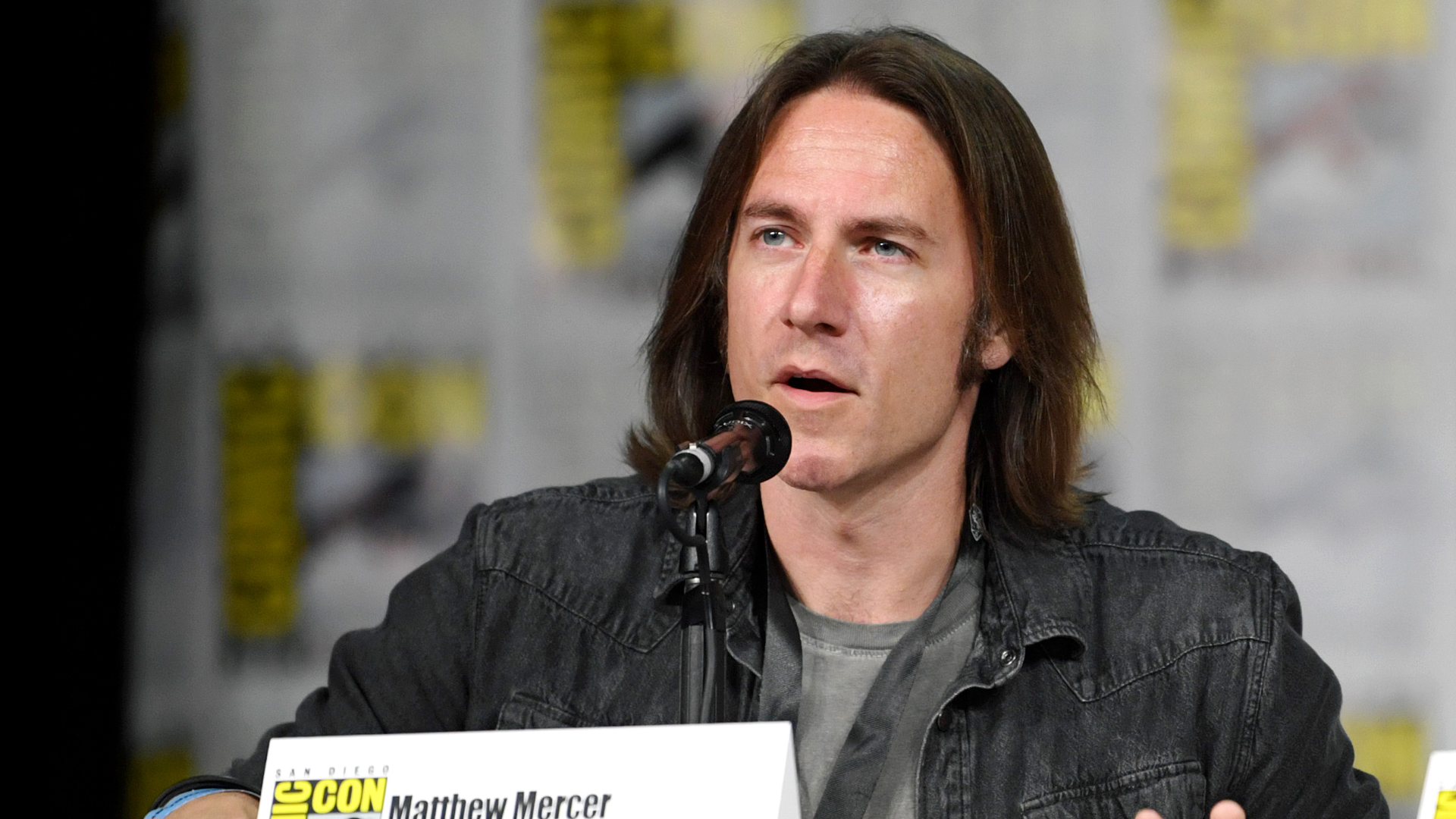
The "Mercer Effect" is a term that has become a staple of Reddit threads and YouTube video essays. Named after Matthew Mercer, the Dungeon Master (DM) of the wildly popular Critical Role, the term describes a perceived phenomenon where the high production values and expert storytelling of professional shows create unrealistic, and often toxic, expectations for the average "at-home" game.
The argument is simple: A generation of new players, accustomed to the cinematic quality of Critical Role, enters their local game store expecting their DM to be a professional voice actor capable of seamless improvisation, complex character voices, and immersive world-building. When the reality of a standard home game—run by an ordinary person with limited time and resources—clashes with this curated image, the theory suggests that players become disappointed, disengaged, or even disparaging of their DM.
However, the reality is far more nuanced. While the "Mercer Effect" is frequently cited as a threat to the health of the hobby, it is largely a misdiagnosis of a much older problem: the misalignment of expectations and the lack of social infrastructure in pickup games.
A Chronology of Expectations: From Rulebooks to Streaming
To understand the current tension, one must look at how the barrier to entry for TTRPGs has shifted over the last forty years.
The Era of Isolation (1980s–2000s)
In the pre-internet era, roleplaying was a decentralized hobby. Without the benefit of visual aids or video demonstrations, prospective players relied entirely on the written word. If you lived in a rural town without a local game shop, you were on your own. Your understanding of "how to play" was limited to the examples provided in the core rulebooks. Disappointment was rampant, but it was usually localized; if a game wasn’t fun, you simply blamed the rules or your own lack of imagination.
The Dawn of the Actual-Play Boom (2010s)
The launch of Critical Role in 2015 changed the trajectory of the industry. Suddenly, TTRPGs were not just games; they were a form of performance art. The success of these shows helped Dungeons & Dragons achieve unprecedented mainstream popularity. This was a net positive for the industry, but it fundamentally changed the "onboarding" process. Players were now coming to the table having watched hundreds of hours of high-level play before ever rolling a d20.
The Modern Critique (2020s–Present)
As the audience for actual-play grew, so did the backlash. The term "Mercer Effect" gained traction as a shorthand for the frustrations of amateur DMs who felt they were being measured against a professional standard. The discourse suggests a generational divide: those who learned the "old way" versus those who learned by "watching the professionals."
The Real Culprit: The Absence of Session Zero
If the "Mercer Effect" is a misnomer, what is actually causing the friction at the gaming table? The answer lies in the fundamental breakdown of social contracts, specifically the absence of a "Session Zero."
A Session Zero is a pre-game meeting where the DM and players establish the tone, boundaries, and expectations of the campaign. It is the forum where participants discuss themes (horror, political intrigue, high fantasy), mechanical preferences (how much combat versus roleplay), and personal comfort levels.
In a professional actual-play setting, these boundaries are often established behind the scenes. However, in the chaotic environment of a local game store or a random online pickup game, these conversations are frequently skipped. The "Mercer Effect" is often cited by DMs who have essentially been "thrown into the fire"—running a game for strangers without ever establishing what those strangers actually want out of the session.
When a player expresses dissatisfaction with a game, it is rarely because the DM isn’t Matt Mercer; it is because the player expected a high-stakes, narrative-driven drama, while the DM was preparing a "hack-and-slash" dungeon crawl. Without a Session Zero, this gap remains unbridged, leading to the friction that many incorrectly attribute to the influence of celebrity streamers.
Supporting Data: The Anatomy of a Bad Game
The "Creepiest Person You Ever Gamed With" threads on forums like RPGNet, which have spanned thousands of posts, provide a grim look at why games go wrong. While the "Mercer Effect" focuses on the quality of the DM, these accounts highlight a deeper issue: the behavior of the participants.
The vast majority of negative gaming experiences stem from:
- Misaligned Playstyles: Players who want deep character immersion vs. players who want a tactical combat game.
- Social Incompatibility: A lack of basic respect or understanding of social boundaries.
- The "Stranger" Dynamic: Running games for individuals who have no existing social relationship or trust.
In the past, roleplaying was almost exclusively a trust exercise performed among friends. Today, the ubiquity of "pickup games" at hobby stores invites people to the table who have never met. This shifts the dynamic from a collaborative social activity to a service-based transaction. When the game becomes a "service," the player assumes the role of a "customer," and the DM becomes an "employee"—a dynamic that is inherently antithetical to the collaborative nature of tabletop gaming.
Implications for the Future of the Hobby
The proliferation of actual-play content has undoubtedly made the hobby more inclusive and accessible, but it has also brought growing pains. The industry is currently at a crossroads.
Professionalization vs. Recreation
The success of Critical Role has created a professional tier of Dungeon Masters. This is a positive development for the industry, but it creates a bifurcation. There is the "pro-game," where players pay for a high-quality, curated experience, and the "home game," where friends play for fun. The friction occurs when individuals expect a "home game" to perform with the polish of a "pro-game."
The Responsibility of Media
Media outlets and creators within the TTRPG space are beginning to recognize the need for better onboarding. By highlighting the necessity of Session Zeros, safety tools, and open communication, the community is moving toward a more mature understanding of the hobby. The goal is to move away from viewing actual-play as an "instruction manual" and toward viewing it as an "inspiration."
Embracing the "Ordinary" GM
Ultimately, the "Mercer Effect" is a gatekeeping myth. It suggests that one must be a talented voice actor to be a "good" DM. This is a reductive view that ignores the core appeal of the hobby: the collaborative storytelling between friends. The most successful games are not the ones with the best accents or the most elaborate props; they are the ones where the players feel safe, heard, and engaged.
Conclusion
Matt Mercer and his peers have done an incredible service to the tabletop community by bringing millions into the fold. To blame them for the inevitable friction that occurs when people with different expectations come together to play a game is both unfair and shortsighted.
The "Mercer Effect" is not a phenomenon of toxic expectations; it is a symptom of a growing, diversifying community that is still learning how to effectively communicate its needs. By prioritizing the social contract—the conversation that happens before the dice are even rolled—players and DMs can ensure that their games remain what they have always been: a space for creativity, connection, and, most importantly, fun. Whether your DM can do a perfect Cockney accent or simply describes a creaky door, the value of the experience lies in the shared story, not in the production value of the delivery.


 Asro
Asro
 Muslim