Nila Kartika Wati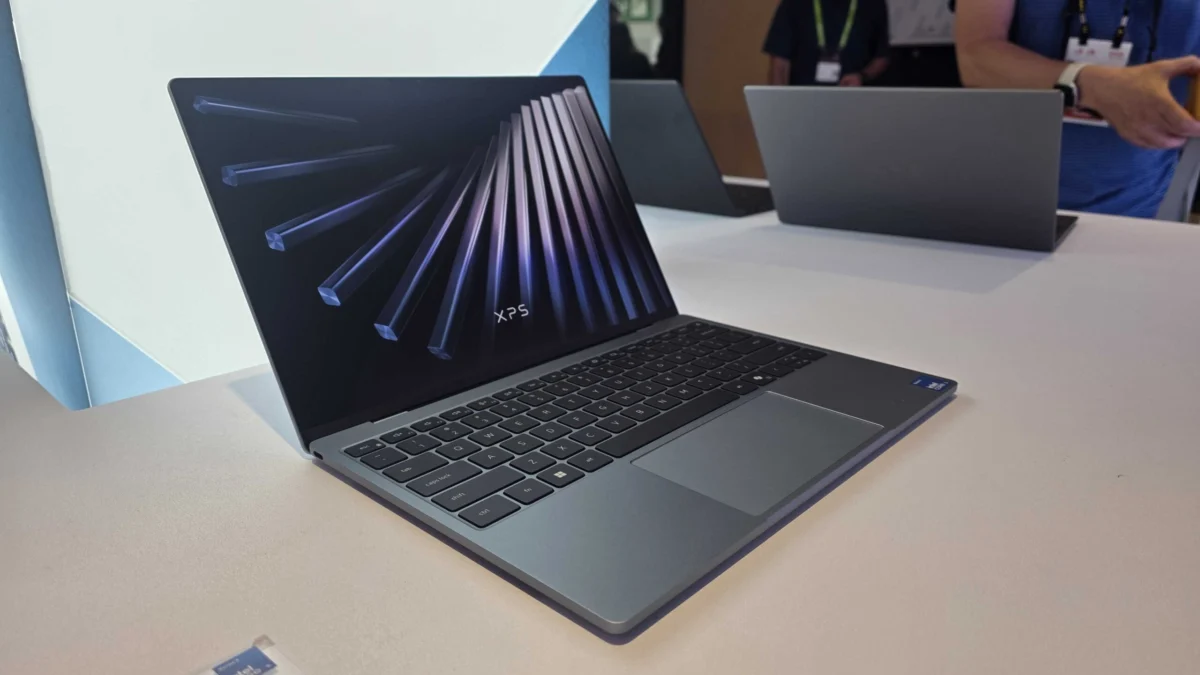
Dell has officially pulled back the curtain on its latest iteration of the XPS 13, a device that marks a strategic departure for the company’s flagship ultrabook line. By positioning the new model as a direct challenger to the “MacBook Neo” segment—laptops that prioritize a premium aesthetic and build quality for a sub-$700 price point—Dell is attempting to redefine what an entry-level professional laptop looks like.
With a starting price of $599 for students and $699 for the general public, the new XPS 13 represents a significant accessibility milestone for the brand. In a market currently grappling with volatile DRAM and NAND flash pricing, Dell’s move to deliver a high-end chassis with balanced, entry-level specifications is a calculated bet that consumers are hungry for style and durability, even when they don’t require the raw, unbridled power of a workstation-class processor.
Main Facts: What You Need to Know
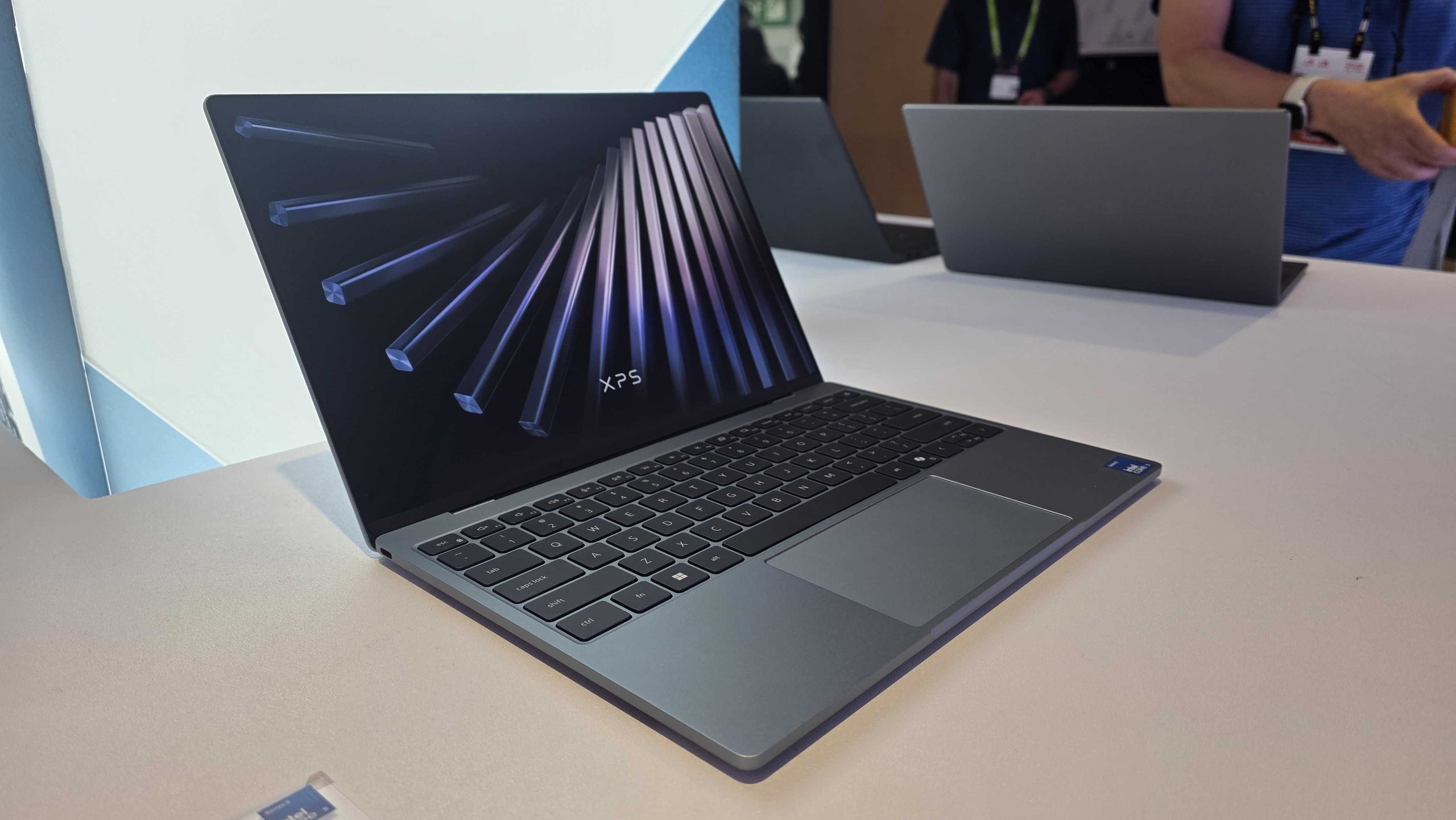
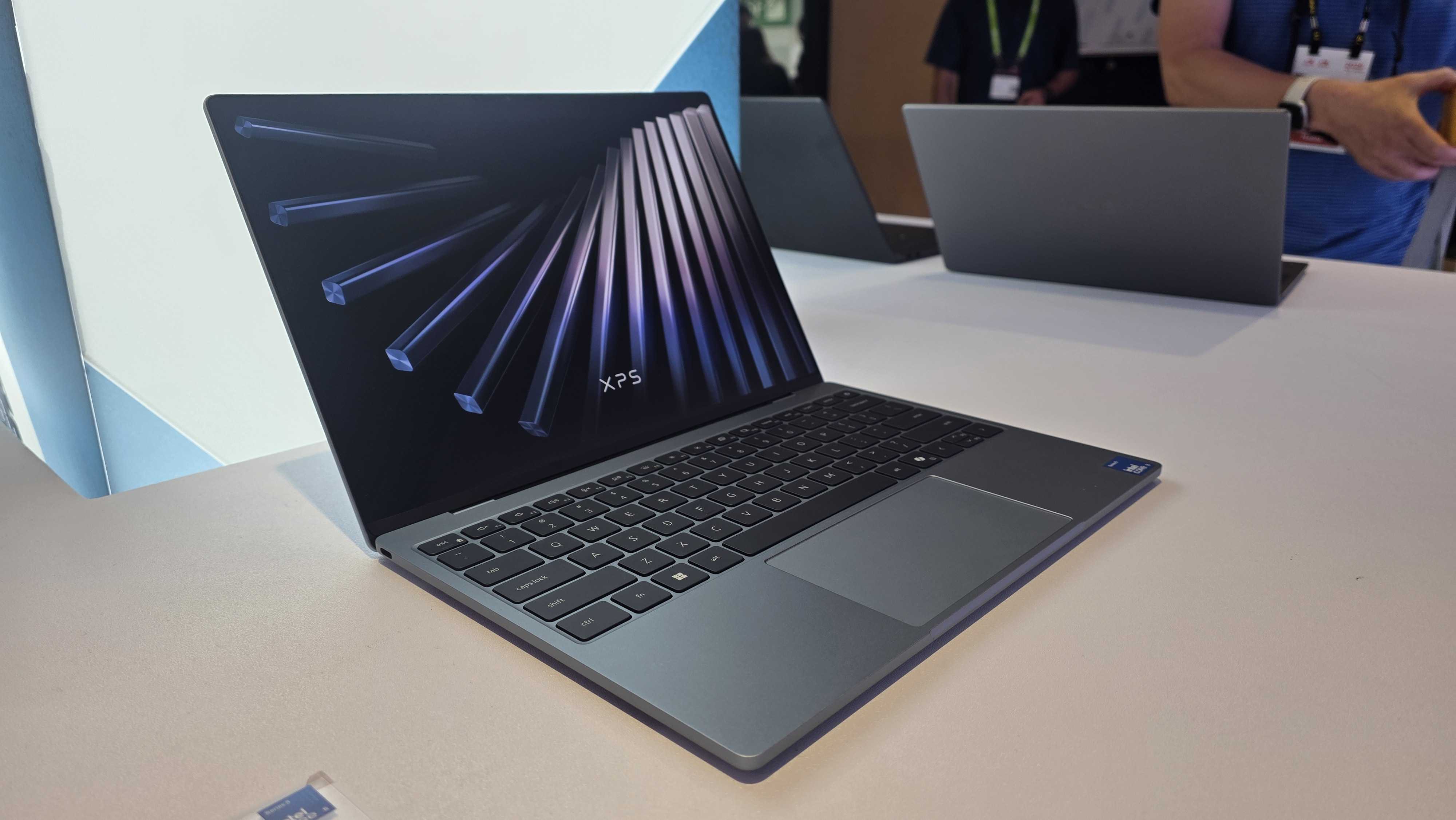
The new XPS 13 is a study in contrasts. Externally, it maintains the storied DNA of the XPS series: an all-aluminum, unibody construction that feels dense and expensive, measuring a mere 0.5 inches in thickness and weighing just 2.2 pounds. It is, by all definitions, a premium ultra-portable.
Internally, however, the machine is powered by Intel’s "Wildcat Lake" architecture. While Wildcat Lake chips have been largely absent from the broader U.S. retail market, their inclusion here signals a specific intent. Built on the same 18A process node as Intel’s high-performance Panther Lake SoCs, Wildcat Lake is a stripped-back, efficient silicon solution designed for longevity and thermal management rather than peak-load benchmarking.
Key Specifications:
- Processor: Intel Core 5 320 (6-core, 2 Cougar Cove P-cores, 4 Darkmont LPE cores).
- Graphics: Integrated Intel Graphics with 2 Xe3 cores.
- Memory: 8GB LPDDR5X-7467 (Single-Channel).
- Display: 13.4-inch, touch-enabled, 120Hz, 2560 x 1600 resolution, 500 nits brightness.
- Connectivity: Wi-Fi 7 and dual USB 3.2 Gen 2 Type-C ports.
- Battery: 52 Whr.
Chronology of the Release
The journey to this launch began last month when rumors of an Intel-powered "MacBook competitor" began circulating. Industry analysts speculated that Dell was looking to capitalize on the widening gap between cheap, plastic-clad budget laptops and the high-end, premium machines that now cost upwards of $1,500.
Following the initial reveal of the Wildcat Lake chip integration, consumer anticipation centered on how Dell would handle the thermal constraints of the new hardware. By mid-month, internal leaks confirmed that the machine would indeed launch with a 15W base power draw, peaking at 35W.
The product went live for sale this week, accompanied by a tiered pricing strategy. Dell opted for a aggressive $599 entry point for students, aiming to capture the back-to-school and institutional market, while the $699 MSRP for the general public remains one of the most competitive entry points for an XPS-branded device in recent history.
Technical Deep Dive and Supporting Data
At the heart of the debate regarding this laptop is the decision to utilize single-channel memory. While enthusiasts often decry single-channel configurations for their impact on gaming performance and heavy multitasking, Dell’s engineering team has clearly prioritized cost and efficiency.
The Intel Core 5 320 is a specialized chip. With its two high-performance P-cores and four low-power LPE cores, it is designed for the modern knowledge worker: someone who lives in a web browser, manages multiple office applications, and engages in frequent video conferencing. The 7,467 MT/s speed of the LPDDR5X memory helps mitigate some of the latency issues inherent in single-channel designs, ensuring that the interface remains snappy and responsive.
The Display Advantage
Perhaps the most surprising aspect of this $699 price point is the screen. Dell has opted to include a 13.4-inch, 2560 x 1600 (2.5K) touch display as standard. In an industry where competitors at this price point frequently offer 1080p panels with poor color accuracy, the inclusion of a high-resolution, 120Hz, 500-nit panel is a massive competitive advantage. It elevates the machine from a "budget laptop" to a "premium experience" that happens to have entry-level internals.
Official Responses and Strategic Vision
Dell’s representatives have been clear about their vision for the XPS 13: "We want to remove the ‘penalty box’ feeling of budget computing."
In interviews, Dell engineers noted that the current market environment—marked by fluctuating memory prices—often forces consumers into laptops that feel fragile or slow. By standardizing the chassis across its lineup, Dell achieves economies of scale that allow them to sell the "premium" experience at a "mainstream" price.
Furthermore, the company has confirmed that this is just the beginning. The current Wildcat Lake rollout is a precursor to a more robust launch later this year, which will include configurations featuring the more powerful Panther Lake architecture. These future models will introduce support for true dual-channel memory and higher core counts, providing a natural upgrade path for those who find they need more horsepower than the current Core 5 320 provides.
Implications for the Industry
The release of this XPS 13 has three major implications for the laptop market:
1. The Death of the "Cheap-Feeling" Budget Laptop
Dell is effectively forcing competitors to reconsider their build materials. If a consumer can purchase a machined-aluminum Dell for $699, the incentive to buy a plastic-chassis laptop from a rival becomes significantly lower. This could trigger a "race to the top" in terms of build quality for the sub-$800 market.
2. The Normalization of ARM-Like Efficiency in Windows
By using the Wildcat Lake chips, Dell is leaning into the efficiency trends pioneered by Apple’s M-series chips. While Intel isn’t yet reaching the same level of performance-per-watt as Apple, this iteration of the XPS 13 shows that x86 hardware is becoming leaner, cooler, and quieter. This is vital for the continued relevance of the Windows ecosystem in the ultra-portable space.
3. A Shift in Memory Standards
The use of LPDDR5X at such high speeds in an entry-level machine is a signal to the rest of the industry. As memory costs stabilize, we expect to see 8GB or 16GB of high-speed, soldered-down RAM become the absolute floor for all modern laptops. The "4GB era" is effectively being pushed to the history books by moves like this from Dell.
Conclusion: Should You Buy It?
If you are a student, a writer, a light developer, or a business professional who values portability and a high-quality screen above all else, the new Dell XPS 13 is a compelling argument for your wallet. It avoids the bloatware and compromises that usually plague laptops in this price range, instead offering a focused, refined experience.
While power users might find the single-channel memory and the entry-level core count limiting for video rendering or heavy simulation work, that is clearly not the target audience for this specific device. Dell has succeeded in creating a "halo" product that is accessible to the masses. By stripping away the high-end silicon that most users never fully utilize and keeping the premium build quality that everyone appreciates, Dell has crafted one of the most balanced Windows machines of the year.
As we look toward the future releases of Panther Lake-based configurations, it is clear that the XPS 13 will remain a central pillar in Dell’s strategy to maintain its dominance in the ultra-thin laptop market. For now, the $699 model is arguably the best "bang for your buck" in the current catalog—a rare instance where the entry-level option feels anything but entry-level.

 Jia Lissa
 Lina Hope