Pevita Pearce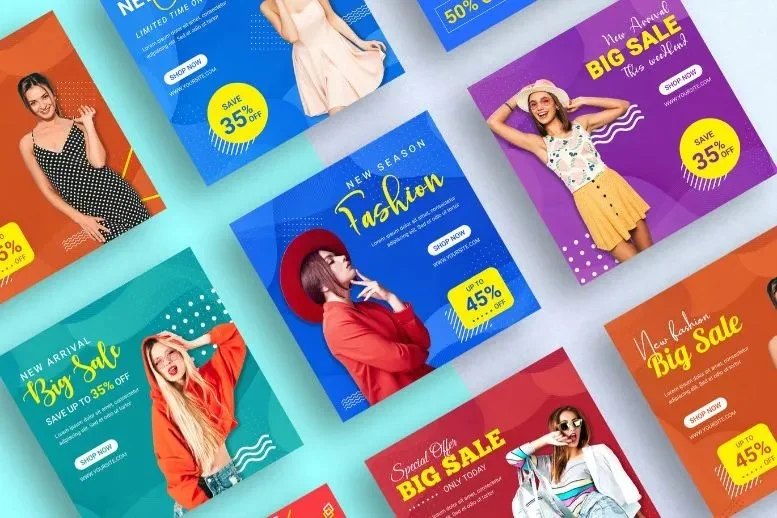
In the hyper-competitive landscape of digital marketing, the ability to maintain a consistent, visually arresting brand identity is no longer optional—it is a prerequisite for survival. As social media platforms continue to evolve into the primary storefronts for businesses and the portfolios for personal brands, the demand for high-quality, professional-grade graphics has skyrocketed. This article explores the transformative power of social media templates, examining why they have become an indispensable asset for agencies, influencers, and enterprises alike.

The Evolution of Social Media Content Creation
Historically, crafting a cohesive social media aesthetic required either a significant financial investment in a dedicated graphic design team or advanced proficiency in complex software like Adobe Photoshop or Illustrator. For small businesses, startups, and independent creators, this created a formidable barrier to entry.

However, the rise of the "template economy" has democratized high-end design. Today, social media templates serve as the backbone of modern content strategies. These ready-made, professionally crafted layouts provide a structural framework that allows users to populate their own content—be it photography, copy, or brand logos—without the need to build from the ground up. Whether it is a carousel post for Instagram, a dynamic banner for a product launch, or a cohesive story set, these assets bridge the gap between amateur effort and professional output.

Chronology of the Template Revolution
The shift toward template-based design began in earnest as platforms like Instagram transitioned from simple photo-sharing apps to multi-faceted marketing engines.

- 2015–2017: The early days of platform-specific design, where users relied heavily on manual creation. The lack of standard sizing led to fragmented, often blurry, or poorly cropped content.
- 2018–2020: The rise of user-friendly design platforms and the emergence of "grid aesthetics." Brands began to realize that a unified visual language—color palettes, typography, and layout consistency—directly correlated with increased follower retention.
- 2021–Present: The maturation of the market. We have seen the introduction of sophisticated, layered PSD (Photoshop) files and vector-based assets that allow for infinite scalability. The current focus is on "smart" design—files that use smart objects for instant image replacement, making the design process a matter of seconds rather than hours.
Supporting Data: The Impact of Consistent Design
Data from various marketing studies suggests that brands that present a consistent visual identity across all platforms see a revenue increase of up to 23%. This is largely attributed to "brand recognition," a psychological phenomenon where users are more likely to engage with and purchase from a brand they recognize instantly in their feed.

Social media templates contribute to this by:

- Reducing Cognitive Load: When a follower sees a familiar layout, they immediately recognize the source, increasing the likelihood of engagement.
- Accelerating Time-to-Market: In a 24-hour news cycle, speed is critical. Templates allow brands to capitalize on trends, announce sales, or respond to events in real-time.
- Standardizing Quality: By utilizing pre-vetted, high-quality layouts, brands ensure that every piece of content meets a minimum aesthetic threshold, protecting their reputation.
The Versatility of Modern Asset Packs
The current market for social media templates is vast, catering to virtually every niche imaginable. From the clean, minimalist lines required for luxury fashion brands to the vibrant, high-contrast layouts favored by tech startups and fitness influencers, there is a template for every voice.

Key Categories of Templates
- Business and Corporate: Designed to communicate trust and authority. These often feature grid-based layouts, plenty of negative space, and professional typography.
- Fashion and Beauty: These templates focus on visual impact, utilizing large image placeholders and elegant font pairings to showcase products.
- Promotional and Sale: High-energy designs intended to grab attention. These often incorporate bold colors and clear calls-to-action (CTAs).
- Educational and Informative: Specifically crafted to handle long-form text or step-by-step guides, such as the popular "skincare routine" or "how-to" carousel formats.
Navigating the Technical Requirements
For the modern creator, selecting the right template requires a basic understanding of file formats. Most professional templates come in one of three formats:

- PSD (Photoshop): The industry standard. These files are typically layered, allowing for granular control over every aspect of the design. They are best for users who want full creative autonomy.
- Vector Files (AI/EPS): Essential for those who need to scale their designs. Because vectors are math-based, they can be resized from a small story icon to a massive billboard without any loss in resolution.
- Online-Compatible Templates: These are designed for ease of use and are often compatible with drag-and-drop editors. They are perfect for beginners or team members without a design background.
Implications for Agencies and Freelancers
For creative agencies, the use of templates is not a shortcut; it is a scalability strategy. By maintaining a library of "brand-approved" templates, agencies can deliver high-quality work to multiple clients simultaneously, ensuring that even under tight deadlines, the final output remains polished and professional.

For freelancers, templates allow for a wider breadth of services. A social media manager can now offer "graphic design services" as part of a retainer package, essentially doubling their value to the client without needing to hire an additional staff member.

The Future of Social Media Design
As we look toward 2026 and beyond, the integration of artificial intelligence and automated design tools will continue to refine the template experience. We are already seeing the emergence of "generative templates" that adapt their color schemes based on the dominant colors of the photos uploaded by the user.

However, the human element remains paramount. A template is merely a vessel; the soul of the brand comes from the content that fills it. The most successful brands are those that treat templates as a base layer, customizing them with their own unique imagery, brand voice, and creative flair to ensure they stand out in an increasingly crowded digital space.

Conclusion: Why You Should Start Today
Whether you are a solopreneur looking to launch your first product or a seasoned agency manager overseeing dozens of accounts, the evidence is clear: professional social media templates are the most efficient path to a cohesive, high-performing digital presence.

By leveraging existing design assets, you free up your most valuable resource—your time—allowing you to focus on what truly matters: connecting with your audience, building your community, and growing your business. As the digital landscape continues to evolve, those who embrace these tools will be the ones who define the future of online engagement.

Frequently Asked Questions (FAQ)
Q: Are free social media templates as effective as paid ones?
A: Both have their place. Free templates are excellent for those starting out or those with limited budgets. However, paid templates often offer more unique, trend-forward designs and better, more organized file structures, which can save time in the long run.

Q: Do I need professional software to use these templates?
A: Many templates are built for Adobe Photoshop, but there is an increasing number of resources available for users of Canva, Sketch, and other accessible design tools. Always check the file requirements before purchasing or downloading.

Q: Can I edit these templates if I am not a designer?
A: Yes. Most modern templates are designed with the end-user in mind. They use "smart objects" or intuitive drag-and-drop interfaces that make swapping images and editing text a simple process, even for beginners.

Q: Will using templates make my brand look generic?
A: Only if you use them exactly as they come. The secret to a successful template strategy is customization. By changing the typography, color palette, and imagery to match your specific brand guidelines, you can ensure that your content remains distinct and recognizable.


 Asep Darmawan
 Nana Muazin