In the landscape of 1990s young adult literature, romance was not merely a subplot—it was the atmospheric pressure under which the entire genre operated. From the hallways of suburban high schools to the sequestered campuses of fictional universities, the teenage experience was defined by the high-stakes dance of hooking up, breaking up, and the desperate yearning for unattainable partners. However, beneath the surface of these adolescent dramas lay a darker, more treacherous undercurrent: the "double life."
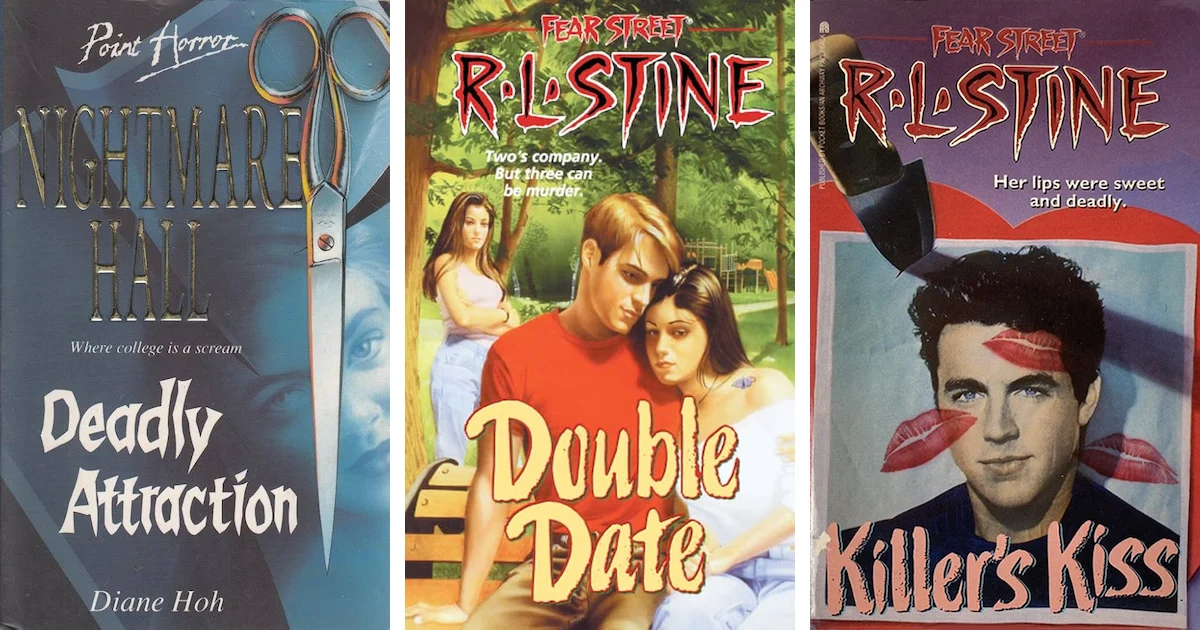
As explored in Diane Hoh’s Deadly Attraction (1993) and R.L. Stine’s Double Date (1994) and Killer’s Kiss (1997), the act of secretly juggling multiple romantic interests became a catalyst for psychological unraveling and, frequently, mortal danger. These novels serve as cautionary tales, illustrating that when the "truth" is treated as an optional commodity in relationships, the resulting complications are rarely limited to hurt feelings—they often escalate into violence.
The Anatomy of Deception: A Chronological Look at Romantic Betrayal
The mechanics of betrayal in these novels share a consistent DNA: a male protagonist, driven by ego or a sense of entitlement, attempts to maintain concurrent relationships with multiple women, often viewing them as interchangeable assets rather than autonomous individuals.
The Disposable Partner: Deadly Attraction (1993)
In Diane Hoh’s Deadly Attraction, the narrative centers on the insular, class-divided world of Salem University. The protagonist, Robert Q. Parker III, views the local town residents—whom the students refer to as "townies"—as fundamentally beneath his social circle. His pursuit of Darlene, a local diner waitress, is purely recreational. He maintains this facade only until his former girlfriend, Gerrie, re-enters his life. The dehumanization is stark; Robert Q. explicitly refers to Darlene as a "moveable game piece," offering his friend twenty dollars to simply drop her off at home, effectively disposing of her the moment she loses her utility. This cold calculation sets the stage for a series of retaliatory acts that spiral into arson and murder.
The Ego-Driven Gamble: Double Date (1994)
R.L. Stine’s Double Date takes a more overtly farcical yet equally malicious approach. The protagonist, Bobby Newkirk, is defined by an unchecked narcissism. To him, the act of dating identical twins, Bree and Samantha Wade, is a game of skill. When a friend questions if he can distinguish between the two, Bobby’s response is telling: "What difference does it make? They’re both totally hot!" By viewing the twins as identical commodities, Bobby blinds himself to the reality that the women are far more intelligent than he is. His failure to treat them as individuals ultimately leads to his public humiliation and a terrifying psychological trap set by the very women he sought to deceive.
The Zero-Sum Game: Killer’s Kiss (1997)
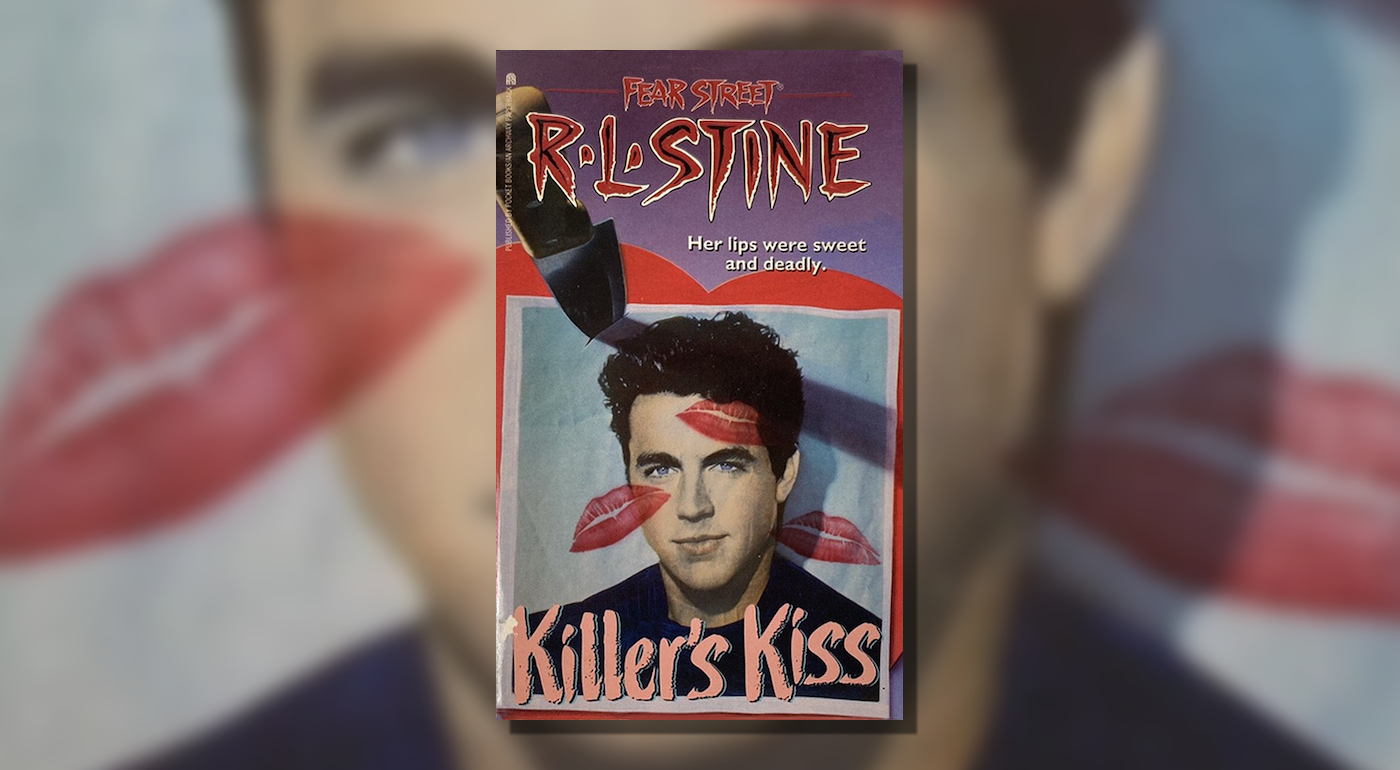
In Killer’s Kiss, the deception is more complex, fueled by a pre-existing rivalry between two young women, Delia and Karina. Vincent Milano, the object of their competition, feeds their mutual animosity by playing both sides, promising each that she is his "one and only." Here, the deception is not just about the boy; it is about the girls’ desperation to win a prestigious scholarship and social standing. The narrative demonstrates how toxic male behavior can weaponize existing insecurities, leading to sabotage, physical assault, and eventually, homicide.
Supporting Data: The Cost of the "Double Life"
While these narratives are works of fiction, they reflect a broader cultural anxiety regarding the lack of agency afforded to young women in the ’90s. The common denominator across these texts is the systematic dehumanization of the female partners by the male leads.
| Novel | Protagonist | Deception Strategy | Outcome |
|---|---|---|---|
| Deadly Attraction | Robert Q. Parker III | Socio-economic exploitation | Murder & Arson |
| Double Date | Bobby Newkirk | Narcissistic objectification | Public humiliation |
| Killer’s Kiss | Vincent Milano | Triangulation of rivals | Murder of the protagonist |
The "Supporting Data" of these narratives is the recurring theme of the "disposable girl." In Deadly Attraction, the divide between the university "gown" and the local "town" serves as a metaphor for how power dynamics permit the exploitation of the less fortunate. Similarly, in Double Date, Bobby’s refusal to see the twins as anything other than a "double" experience highlights the entitlement that often leads to the destruction of the deceiver.
Official Responses and Literary Analysis
Critics of the era often dismissed these books as mere pulp, but modern analysis suggests they served as vital, albeit violent, mirrors for the teenage experience. The "official" consensus—if one can be found in the archives of genre studies—is that these books functioned as "morality plays."
In each instance, the protagonist’s downfall is directly proportional to their level of deceit. When Robert Q. is confronted, his world collapses. When Bobby Newkirk is trapped in a cabin, covered in honey and biting ants, the narrative provides a grotesque form of poetic justice. When Vincent Milano is found dead with a lipstick print on his cheek, the genre fulfills its duty to punish the transgressor. These novels suggest that the "double life" is unsustainable and that the truth, when suppressed, eventually exerts its own pressure until it breaks the surface.
Psychological and Sociological Implications
The primary implication of these works is the danger of the "prize" mentality. By viewing romantic partners as trophies to be won or game pieces to be moved, the male protagonists of these books stripped away the humanity necessary for a functional relationship.
- The Erosion of Empathy: The protagonists in these stories suffer from a profound lack of empathy. They are unable to foresee the pain their actions cause, or worse, they recognize it and decide the pain is worth the personal gain.
- The Solidarity Factor: A recurring, and perhaps most interesting, theme is the way the women—even when initially pitted against one another—eventually find a form of solidarity. In Double Date, the twins realize their power lies in their collective identity. In Killer’s Kiss, the tragedy lies in the fact that Delia and Karina were so consumed by their competition that they only realized their mutual victimization too late.
- The Role of the "Other": In Deadly Attraction, the character of Hailey serves as the moral compass. Her ability to see past the class barriers and recognize Darlene’s humanity is what ultimately solves the mystery, emphasizing that the remedy for deception is the restoration of individual respect.
Conclusion: Lessons from the Dark Side of Romance
The "Nightmare Hall" and "Fear Street" books of the 1990s were more than just spooky stories designed to be consumed under a blanket with a flashlight. They were sophisticated, if blunt, explorations of the dangers inherent in dishonest relationships.
The lesson left for the reader is clear: dating multiple people is not inherently evil, but the deception used to facilitate it—the lies, the manipulation, and the objectification of one’s partners—is a recipe for catastrophe. Whether it results in a literal murder on Fear Street or the figurative death of one’s reputation, the double life demands a high price. These novels continue to serve as a reminder that integrity is not just a moral virtue, but a necessary component for the safety and sanity of everyone involved in the volatile, exhilarating world of teenage romance. In the end, as these authors consistently demonstrated, the truth is not just "out there"—it is a force that will always, eventually, come home to roost.