

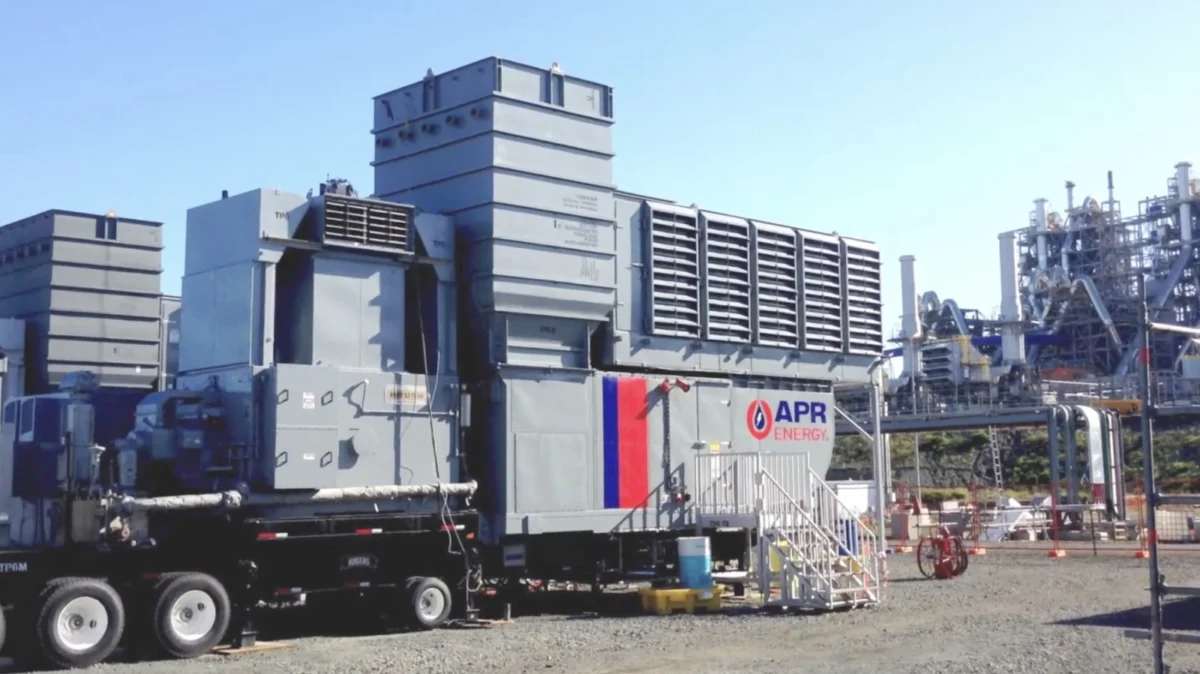
In a move that has sparked widespread debate regarding the intersection of artificial intelligence, environmental policy, and corporate strategy, Elon Musk has quietly acquired APR Energy, a leading provider of mobile gas and diesel power generation. The transaction, which took place in May 2026, was not publicized by Musk’s companies, but was eventually unearthed through federal regulatory filings. The acquisition, estimated at approximately $1 billion, signals a significant pivot for the billionaire who once famously labeled the reliance on fossil fuels as "the dumbest experiment in history."
The Acquisition: A Quiet Entry into Fossil Fuel Power
The acquisition of APR Energy—a company specializing in rapidly deployable, trailer-mounted turbine systems—represents a departure from Musk’s long-standing public branding as a champion of sustainable energy. While Tesla’s mission remains the transition to renewable transport and energy storage, the infrastructure requirements for Musk’s artificial intelligence venture, xAI, have necessitated a more pragmatic, and controversial, approach to power.
According to documents filed with the Federal Trade Commission (FTC), the deal reached completion in the second quarter of 2026. The silence surrounding the purchase is notable, particularly given the high-profile nature of Musk’s other ventures, such as SpaceX and Tesla. Analysts suggest that the low-profile nature of the acquisition was likely intended to avoid immediate backlash from climate advocates and environmental groups who have closely monitored Musk’s recent energy consumption patterns at his Memphis-based data centers.
Chronology of an Energy Pivot
The timeline of this acquisition aligns with a period of intense pressure on xAI to scale its computational capacity.
- Early 2026: xAI begins an aggressive expansion of its supercomputing facilities, leading to an immediate strain on local power grids.
- March 2026: Reports emerge regarding the intensive use of mobile, trailer-mounted turbines at xAI’s data center in Southaven, Mississippi.
- May 2026: Elon Musk completes the acquisition of APR Energy for an estimated $1 billion.
- June 2026: Public scrutiny intensifies as reports link the increased density of mobile turbines in Mississippi to potential violations of the Clean Air Act.
- July 2026: Investigative reports from Electrek and other outlets reveal the existence of the acquisition via FTC filings, confirming the transition from a consumer of mobile power to an owner of the manufacturer.
The Infrastructure Demands of Modern AI
To understand the necessity of this acquisition, one must look at the gargantuan energy requirements of modern Large Language Models (LLMs). Training and running advanced AI systems like Grok require thousands of GPUs (Graphics Processing Units) running in tandem. These clusters generate immense heat and require consistent, high-wattage electricity that existing municipal grids are often ill-equipped to provide on short notice.
The Mississippi Controversy
The Southaven facility has become a focal point for this tension. When xAI began utilizing mobile turbines to bypass grid constraints, the installation quickly drew the ire of local regulators and environmental agencies. The site was the subject of a lawsuit alleging that the deployment of these fossil-fuel-burning engines violated the Clean Air Act.
Interestingly, since the lawsuit was filed, the number of mobile turbines at the site has not decreased; rather, it has increased. This suggests that for Musk, the immediate, unhindered operation of his AI infrastructure takes precedence over the environmental compliance hurdles that might slow down construction or commissioning.
The Role of the US Military
Adding a layer of complexity to the situation is the Department of Justice’s intervention in the lawsuit. Reports indicate that the federal government is moving to have the litigation dismissed. The justification is rooted in national security: the US military has begun integrating xAI’s Grok into its classified operational systems. By securing an uninterrupted power supply through the acquisition of a turbine manufacturer, Musk is effectively ensuring that his infrastructure can support both commercial AI products and critical government defense applications.
Supporting Data: The Efficiency Gap
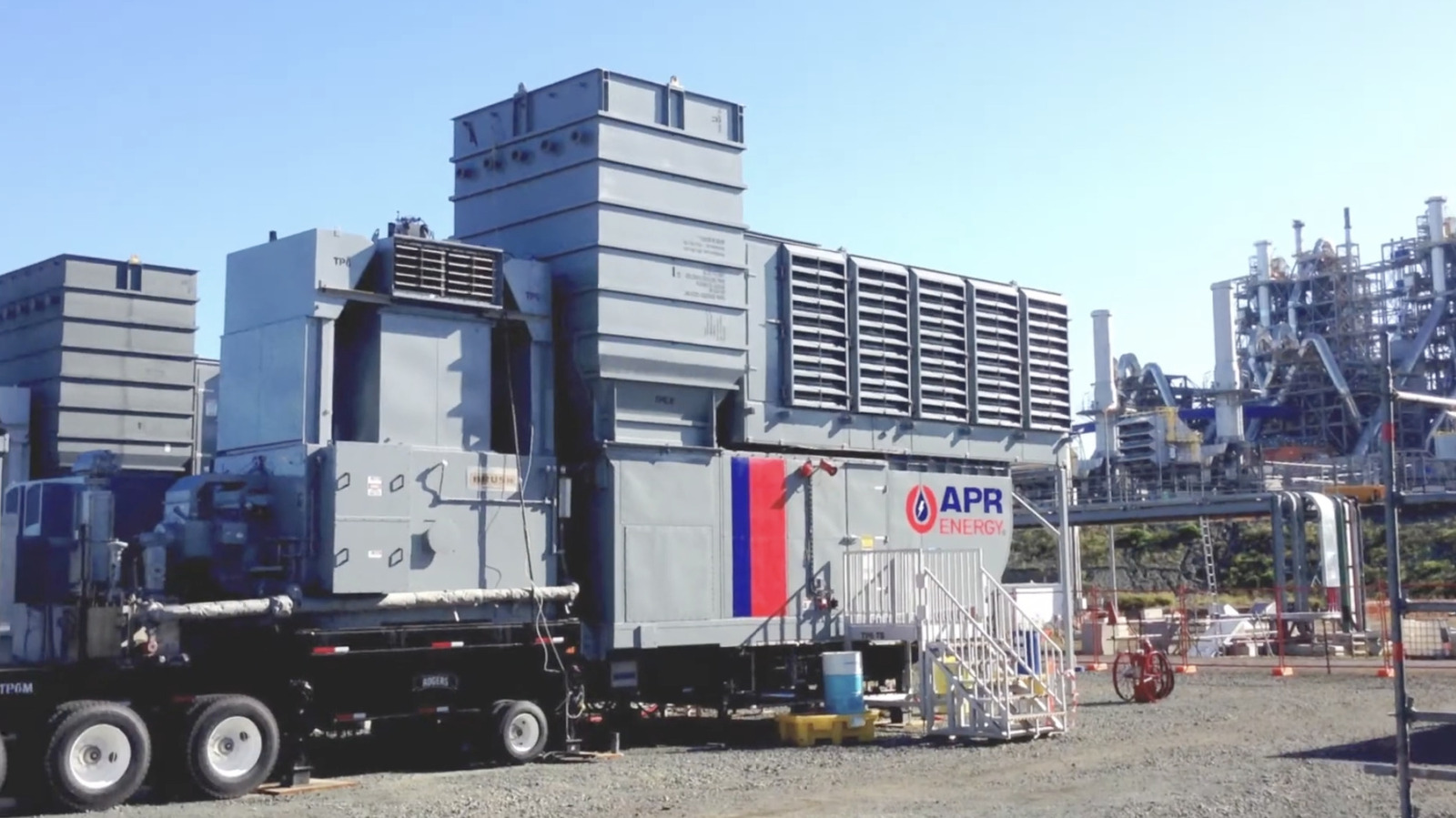
The move to acquire APR Energy suggests that Musk is no longer relying on third-party vendors for his emergency power needs. APR Energy’s fleet is designed for "fast-track" power, which is typically used in disaster recovery or grid stabilization.
| Metric | Traditional Grid Power | APR Mobile Turbine Power |
|---|---|---|
| Deployment Time | Years (Permitting/Build) | Weeks/Days |
| Control | External Utility | Internal (xAI) |
| Carbon Intensity | Variable (Grid Mix) | High (Gas/Diesel) |
| Reliability | Moderate | High (Isolated) |
The reliance on these turbines is, by definition, a retreat from the "green" goals Musk championed a decade ago. While he continues to advocate for solar and battery storage in other segments of his business, the reality of the "AI Gold Rush" has forced a pragmatic compromise. The energy density required for high-performance computing simply cannot be satisfied by current renewable storage technology at the scale and speed that Musk demands.
Implications for the Future of Energy and AI
The acquisition of a gas turbine company by a self-proclaimed sustainable energy advocate creates a profound paradox.
The Regulatory Landscape
Environmental groups are likely to view this as a litmus test for government oversight. If the Department of Justice succeeds in shielding xAI from environmental lawsuits under the guise of "national security," it could set a dangerous precedent. It would effectively grant large-scale AI operators the ability to bypass environmental regulations, provided their technology is deemed essential to the state.
The Natural Gas Pipeline Trend
The implications extend beyond just mobile turbines. Recent reports indicate that SpaceX is exploring the development of its own natural gas pipeline infrastructure in Texas. If Musk succeeds in controlling the power source (gas/diesel), the distribution (pipelines/turbines), and the final application (AI data centers), he will have created a vertically integrated energy-compute monopoly. This would make him one of the largest independent power producers in the country, operating almost entirely outside the traditional utility framework.
The Reputational Shift
For investors and fans of Musk’s work, the pivot represents a shift from "mission-driven" to "results-driven." When Musk called fossil fuels the "dumbest experiment in history," he was speaking as an evangelist for a post-carbon future. Today, he is speaking as a competitor in an arms race where the weapon is compute power. The transition suggests that while Musk may still desire a clean energy future, he is not willing to let that goal impede the current expansion of his digital empire.
Conclusion: A Pragmatic Bet
Elon Musk’s acquisition of APR Energy is a masterclass in vertical integration. By owning the power source, he mitigates the risks associated with grid instability and regulatory delays. However, this move comes at a significant reputational cost. As the world watches the "AI-Energy Nexus" evolve, the irony of using diesel turbines to power the next generation of intelligence will not be lost on the public.
Whether this strategy is a temporary stop-gap while fusion or advanced battery technology matures, or a permanent shift toward a "power-at-all-costs" philosophy, remains to be seen. What is clear is that the energy requirements of the artificial intelligence age are forcing even the most ardent environmentalists into uncomfortable alliances with the very fossil fuel industries they once sought to dismantle. For Musk, the mission to build the world’s most powerful AI has officially outweighed his past commitments to a purely sustainable energy grid.











