Dwi Wanna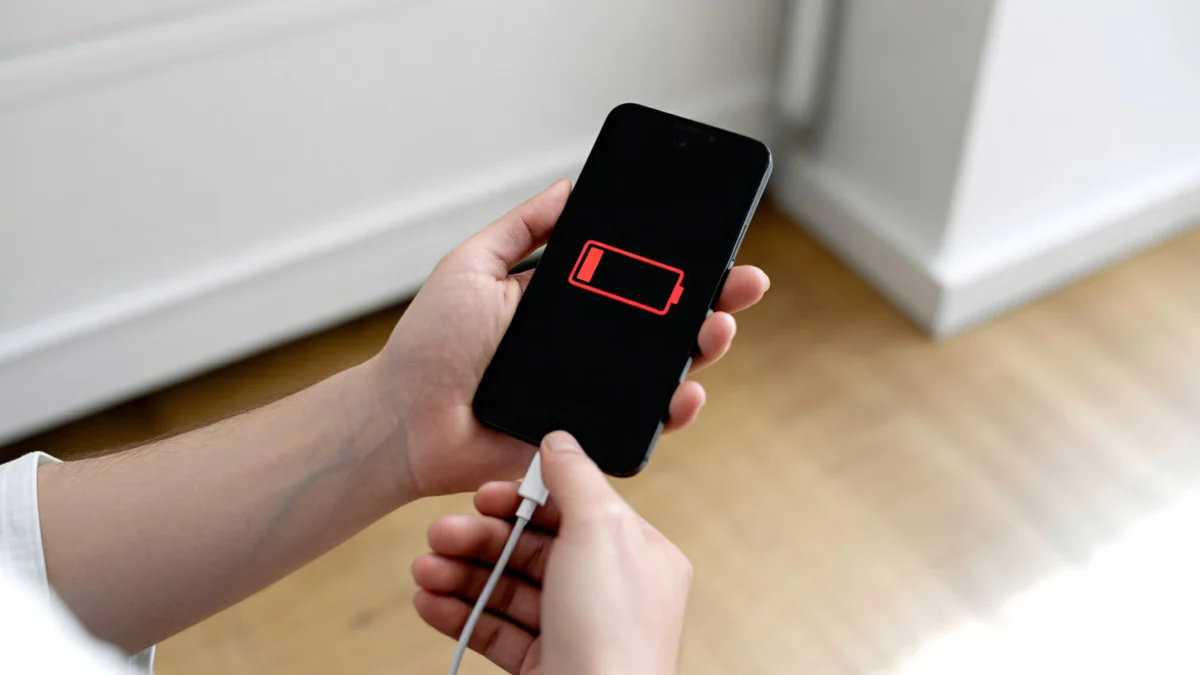
In the modern household, the convenience of ubiquitous power is often taken for granted. We live in an era of hyper-connectivity, where smartphones, tablets, wearables, and smart home devices require near-constant access to energy. Consequently, it has become standard practice to leave charging bricks plugged into wall outlets indefinitely, ready to provide a quick boost to our devices at a moment’s notice. While this habit offers seamless utility, it masks a subtle but persistent phenomenon known as "vampire power" or "phantom load."
While a single charger may seem harmless, the collective energy consumption of these idle devices is a growing area of interest for energy experts, environmentalists, and budget-conscious homeowners alike. As global energy costs fluctuate and the push for sustainability intensifies, understanding the true impact of idle electronics is no longer just a matter of trivial curiosity—it is a critical component of household efficiency.
The Reality of Standby Consumption: Main Facts
At its core, the question of whether a charger draws electricity when not in use is a matter of basic electrical engineering. The short answer is yes. Even when no device is connected to the other end of a charging cable, the transformer and internal circuitry of the charging brick remain active.
This occurs because modern chargers are essentially "switched-mode power supplies." They are designed to convert the high-voltage alternating current (AC) from your wall outlet into the low-voltage direct current (DC) required by your lithium-ion battery. To maintain this capability, the internal components must stay energized to detect when a device is plugged in, facilitating an immediate handshake between the charger and the battery. This "standby power" is the energy consumed solely to maintain that state of readiness.
While the individual draw of a standard smartphone charger is remarkably small—typically ranging from 0.1 to 0.5 watts—it is not zero. In an age where the average household may have dozens of such devices scattered throughout the home, the aggregate effect of these "vampire" appliances begins to manifest in monthly utility statements and, on a macro level, contributes to a significant portion of residential energy waste.
The Chronology of Power Efficiency
To understand why this is a concern today, one must look at the evolution of electronic power management. In the early days of consumer electronics, power bricks were bulky, inefficient, and often generated significant heat even when idle. Throughout the 1990s and early 2000s, as the volume of household gadgets exploded, researchers began to quantify the "standby power" phenomenon.
In 1998, the International Energy Agency (IEA) launched an initiative to address this issue, famously advocating for the "1-watt program." The goal was to pressure manufacturers into designing devices that consumed no more than one watt of power in standby mode. This campaign was largely successful, leading to a global shift in engineering standards.
However, even as individual chargers became more efficient, the total number of chargers per household surged. By the 2010s, the introduction of the smartphone, the tablet, and the subsequent "Internet of Things" (IoT) ecosystem meant that the average home went from having one or two charging points to having twenty or more. Today, we are in a phase where "smart" charging—which involves active communication between the charger and the device to manage temperature and charge speed—requires even more sophisticated, always-on circuitry, keeping the conversation about phantom power relevant well into the 2020s.
Supporting Data: By the Numbers
Quantifying the impact of phantom power requires a look at both the microscopic and macroscopic levels. As noted, a single charger draws roughly 0.1 to 0.5 watts. While that figure seems negligible, let’s extrapolate the data:
- Daily consumption: A charger drawing 0.5 watts consistently for 24 hours consumes 12 watt-hours (Wh) per day.
- Annual consumption: This amounts to approximately 4.38 kilowatt-hours (kWh) per year.
- The Multiplier Effect: If a household keeps 10 such chargers plugged in continuously, the annual consumption rises to nearly 44 kWh. Depending on local utility rates, this could add anywhere from $5 to $40 to an annual electricity bill, depending on the region’s energy pricing.
More importantly, chargers are just the tip of the iceberg. According to data provided by the Canadian government and various international energy ministries, standby power accounts for 5 to 10 percent of a typical home’s total electricity consumption. This includes:
- Televisions: Modern smart TVs are never truly "off"; they are in a deep standby mode to listen for remote signals or update background software.
- Gaming Consoles: These devices are notorious for high standby draws, particularly when configured for "instant-on" features that allow for rapid game resuming.
- Kitchen Appliances: Microwaves and coffee makers with digital displays and clocks are constant, low-level power consumers.
When combined, these "vampire" devices represent a non-trivial amount of wasted energy that costs the average consumer a significant sum annually and contributes to unnecessary carbon emissions from power plants.
Official Responses and Industry Standards
Regulatory bodies worldwide have taken note of this energy leakage. In the European Union, the Ecodesign Directive has established strict limits on standby power consumption for all electronics. Similarly, in the United States, the Department of Energy (DOE) has updated its efficiency standards for external power supplies, mandating that chargers meet specific "level VI" efficiency requirements.
These standards have forced manufacturers to improve the quality of the components used in power bricks. High-quality chargers today are significantly more efficient than their counterparts from a decade ago. However, industry experts caution that low-quality, "knock-off" chargers—often purchased from third-party marketplaces—frequently bypass these regulations. These inferior products often lack the sophisticated circuitry required to throttle power consumption when idle, leading to higher standby draws and, more concerningly, potential fire hazards due to poor heat dissipation.
Implications: The Environmental and Economic Impact
The implications of leaving devices plugged in extend beyond the individual’s wallet. On a national scale, the cumulative demand from millions of homes creates a consistent "baseload" requirement for power plants. If phantom power were eliminated, the reduction in energy demand would be equivalent to taking millions of cars off the road in terms of carbon footprint reduction.
For the consumer, the implications are twofold: economic and safety-related.
- Economic: While the individual cost is low, it represents a "leaky bucket" of household finances. Over a decade, a household that manages its standby power effectively could save hundreds of dollars.
- Safety: Perhaps more importantly, leaving chargers plugged in indefinitely—especially in areas with poor ventilation or in older homes—increases the risk of electrical faults. Cheaply made chargers can overheat if they remain energized for years, potentially leading to fires. Regularly unplugging these devices is not just an energy-saving measure; it is a best practice for home safety.
Strategies for Mitigation
Reducing your "phantom load" does not require living in the dark. It simply requires a more conscious approach to power management:
- Audit Your Outlets: Walk through your home and identify chargers that are plugged in but not connected to a device. If you haven’t used that charger in a week, unplug it.
- Invest in Smart Power Strips: These strips can automatically cut power to peripheral devices when the primary device (like a TV or computer) is turned off.
- Use Smart Plugs: For those who want high-tech convenience, smart outlets allow you to schedule power or disable outlets remotely via smartphone apps. This is particularly useful for hard-to-reach outlets behind furniture.
- Consolidate: Instead of having five different chargers for five different devices, invest in a single, high-quality, multi-port USB-C charger that is GaN (Gallium Nitride) enabled. These chargers are highly efficient and can handle multiple devices simultaneously, reducing the total number of plugs required.
- Quality Over Quantity: Always purchase chargers from reputable manufacturers. They are designed to meet modern efficiency standards and include safety mechanisms that cheaper alternatives often lack.
In conclusion, while a single phone charger may seem like a microscopic factor in the broader scope of energy consumption, it serves as a powerful symbol of our modern relationship with technology. By acknowledging the hidden costs of our convenience-driven habits, we can take small, manageable steps toward a more efficient and sustainable household. Whether driven by environmental stewardship or simple fiscal responsibility, managing "vampire power" is a practice that yields tangible benefits for everyone.

 Lina Hope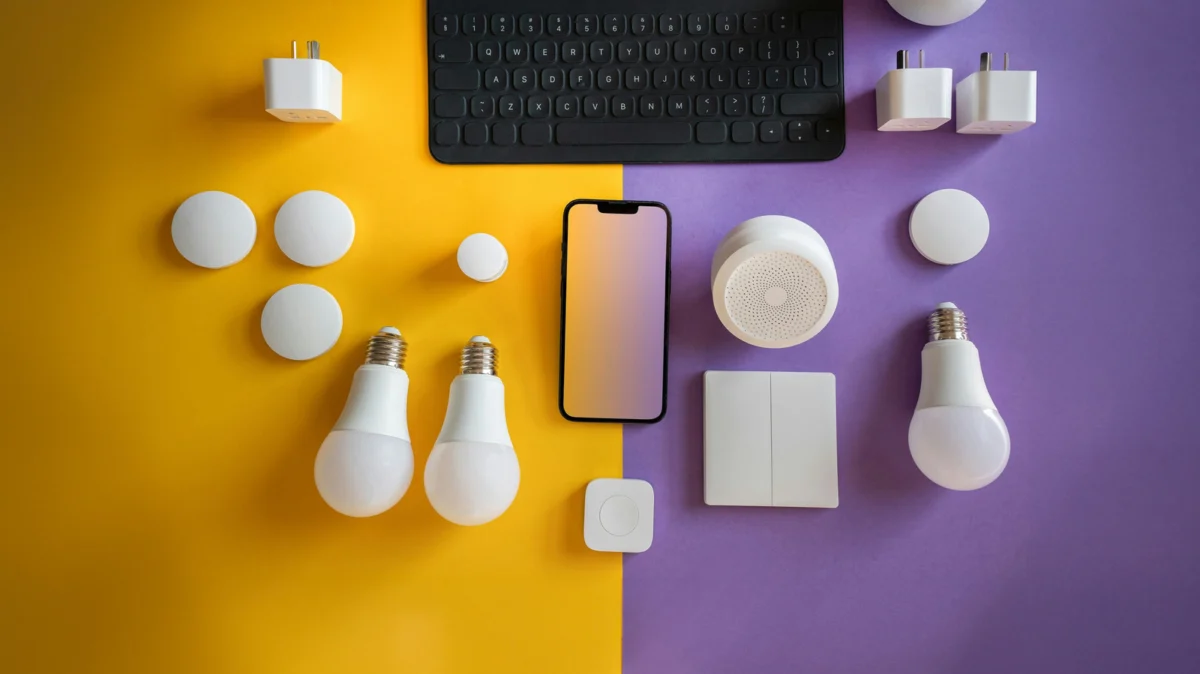
 Nana Muazin