

In the southern reaches of Tochigi Prefecture, hidden behind the well-trodden paths of Ashikaga’s famous temples and floral parks, lies a modest, four-kilometre waterway that defies both geography and the expectations of modern tourism. Known as the Sakasagawa—literally translated as the "backward-flowing river"—this tributary stream is a study in tranquility. While the Watarase River system, which drains the region, follows the standard southward gravitational pull of the Kanto plain, the Sakasagawa persists in a northward trajectory, carving a quiet, meandering path through the residential and agricultural heart of the city.
For the intrepid traveler seeking to peel back the layers of "everyday" Japan, the Sakasagawa offers a rare, unvarnished experience. It is not a place of spectacle, but rather a place of atmosphere, where the rhythms of local life—school children on bicycles, elderly neighbors walking their dogs, and the changing colors of the seasons—take precedence over the souvenir shops and tour buses that dominate central Ashikaga.
Main Facts: The Anatomy of the Sakasagawa
The Sakasagawa is a minor flood-control waterway, yet it serves as the backbone for the city’s informal "Flower Walking Course." Spanning approximately four kilometres from its northern origins in the Ishibashi-cho district to its confluence with the Watarase River, the path is maintained by the Ashikaga municipal works department.
- Geographic Anomaly: Its northern flow against the Watarase’s southern current provides the river with its storied name.
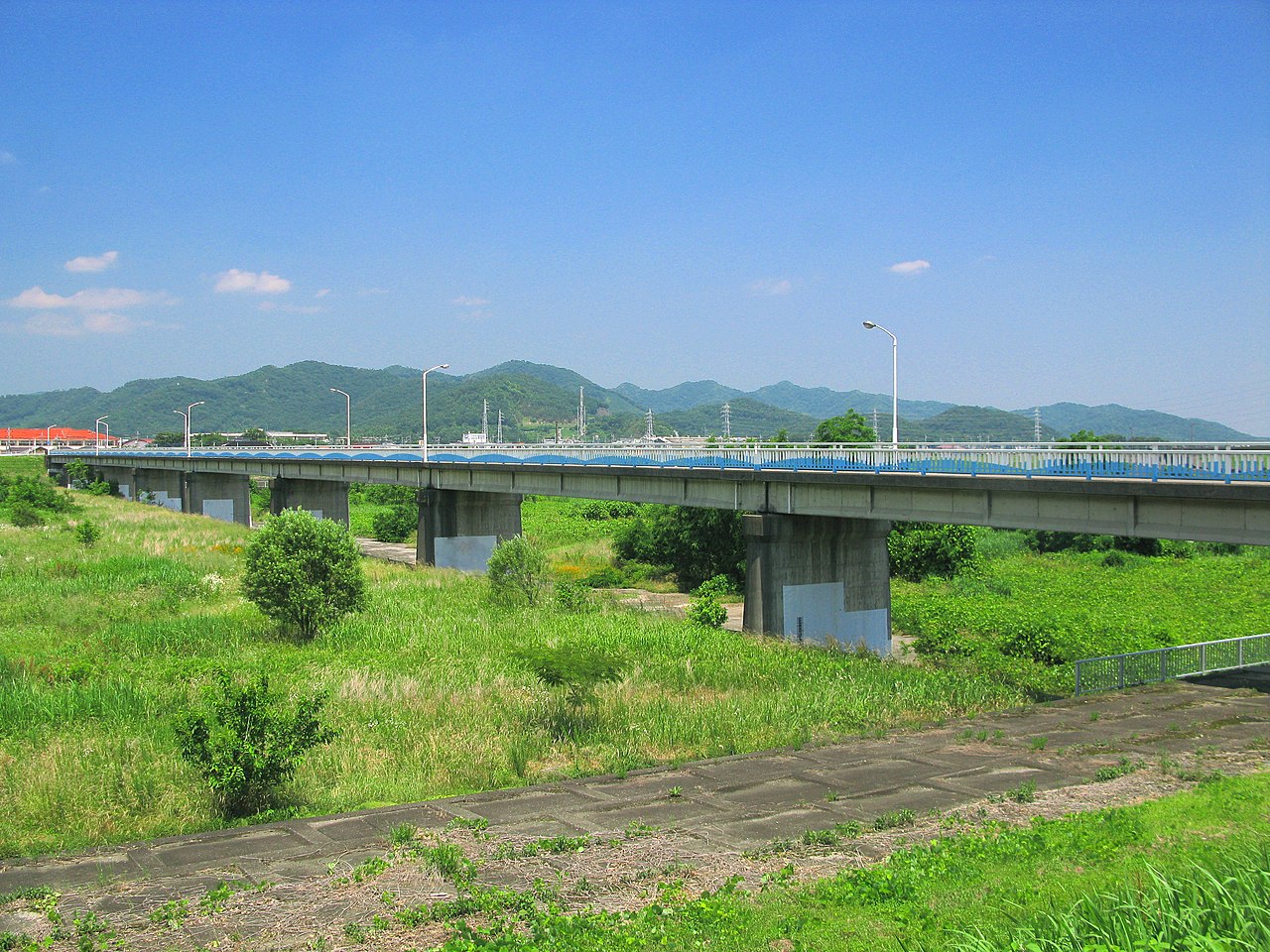
- Path Composition: An unpaved or semi-paved levee path that sits roughly two to three metres above the stream, offering an elevated perspective of the surrounding suburbs.
- Accessibility: The route is flat and requires no specialized equipment. However, visitors should note the lack of modern infrastructure: there are no vending machines, public restrooms, or cafes along the four-kilometre stretch.
- Connectivity: It serves as a vital artery in the larger 10-kilometre "Hana no Walking Course" (Flower Walking Course), which links multiple parks and historical markers.
Chronology of a Season: The Lifecycle of the Path
The character of the Sakasagawa changes with the strict, predictable beauty of the Japanese calendar. To walk it in April is a vastly different experience than to walk it in the height of the humid Tochigi summer or the biting, crystalline air of winter.
Spring (Late March – Early April)
The Sakasagawa is at its most resplendent when the somei-yoshino cherry trees, planted as a municipal beautification initiative in the 1960s, reach their zenith. With roughly 200 mature trees lining the levee, the path becomes a vaulted canopy of pale pink. Unlike the frantic, crowded viewing spots in Tokyo, the Sakasagawa remains a local secret. Families gather with picnic mats, and the silence is broken only by the rustle of petals in the wind.
Summer (June – August)
Summer is a season of lush, aggressive green. The banks, overgrown with tall grasses, teem with life. While the path offers little shade from the sweltering 35°C heat, it provides a glimpse into the local ecosystem. In mid-June, the upper reaches of the river become a sanctuary for fireflies, a fleeting two-week phenomenon that draws nocturnal visitors from the immediate neighborhood.
Autumn (October – November)
As the heat dissipates, the Sakasagawa transforms into a gallery of autumn colors. The zelkova and maple trees replace the cherry blossoms as the focal point, providing a rich, earthy palette of oranges and deep reds. During the work week, this is arguably the loneliest and most meditative time to walk the route.
Winter (December – February)
The winter months strip the landscape bare, revealing the stark lines of the levee and the geometric precision of the nearby farm plots. While the Watarase River stays broad and imposing, the Sakasagawa remains a quiet, shallow stream. It is a time for the contemplative walker, offering clear views of the distant mountains and a silence that is difficult to find in the bustling city centers.
Supporting Data: Infrastructure and Logistics
The Ashikaga municipal government classifies the Sakasagawa as a "leisure-integrated flood prevention zone." This status explains the path’s simplicity: it is functional first and scenic second.
- The 60/40 Split: Roughly 60% of the path is cycle-friendly, allowing local commuters to traverse the city away from the noise of the main thoroughfares. The remaining 40% consists of narrow, pedestrian-only segments that ensure the safety of elderly residents and school children.
- The Walking Loop: The broader "Flower Walking Course" is a 10-kilometre loop that takes approximately 2.5 to 3 hours for the average walker. While it connects to significant sites like the Ashikaga Textile Tradition House, the signage remains predominantly in Japanese, making a digital map an essential accessory for international visitors.
- Economic Impact: While the river itself does not generate direct revenue through ticketed entry, its role in the city’s broader tourism strategy is to extend the length of stay for visitors. By providing a "quiet space" between the visits to the Flower Park and the historical temples, it encourages travelers to linger in the city rather than treating Ashikaga as a mere stopover.
Official Responses: Municipal Tourism Philosophy
The Ashikaga City tourism board has historically maintained a "light touch" approach to the Sakasagawa. In official municipal reports, the area is categorized as a "local heritage site" rather than a "commercial tourist attraction."
"Our goal is not to manufacture a destination," one municipal planning representative noted in a local circular. "The Sakasagawa is successful precisely because it is an authentic residential corridor. We maintain the path to ensure it remains a safe space for our residents, and we welcome visitors who are interested in the rhythm of our daily life, provided they respect the tranquility of these neighborhoods."
This philosophy is reflected in the lack of commercial development along the river. There is an explicit desire to keep the stream free of the "theme park" aesthetic, favoring instead the preservation of the landscape for those who truly seek it out.
Implications: The Future of "Quiet Tourism"
The Sakasagawa serves as a case study for the shifting trends in Japanese domestic tourism. As the "over-tourism" narrative continues to dominate headlines in Kyoto and Osaka, smaller cities like Ashikaga are seeing a surge in interest from travelers looking for the "unglamorous" reality of the country.
The Rise of the "Everyday" Traveler
The appeal of the Sakasagawa lies in its defiance of the "set-piece" travel model. It does not promise a life-changing epiphany; it promises a walk, a breeze, and a view of a Japanese elementary school student on a bike. For the solo traveler, the writer, or the photographer, this is a premium experience. It is the Japan that exists when the camera is turned off—a Japan of working vegetable gardens, laundry drying in the sun, and the hum of suburban life.
The Integration of Historical and Modern
By connecting the river walk to the ancient Banna-ji temple and the centuries-old Ashikaga School, the city has successfully created a route that spans nearly a millennium of history. The implication for future urban planning is clear: cities that preserve their "in-between" spaces—the alleys, the small streams, and the quiet levees—are better positioned to retain their character in an era of rapid modernization.
Recommendation for Visitors
For those planning a trip to Tochigi, the Sakasagawa is not a replacement for the Ashikaga Flower Park or the Orihime Shrine; it is the glue that holds those experiences together. It provides the necessary "cool down" period for a day spent absorbing the heavier cultural weight of the historical districts.
If you are an "Ashikaga completionist," a walk along this backward-flowing river is essential. It is a reminder that in Japan, as in life, the most meaningful discoveries are often found in the quietest corners, away from the signage, the crowds, and the carefully curated maps.
To walk the Sakasagawa is to step out of the tourist stream and into the local current. It is a slow, steady, and ultimately rewarding experience for anyone willing to trade a headline attraction for a genuine moment of peace.












No comments yet. Be the first to join the conversation!