Siti Muinah
In the volatile landscape of modern game development, few things are as difficult as acknowledging when a vision has reached its expiration date. For PlayerUnknown Productions—the studio spearheaded by Brendan “PlayerUnknown” Greene, the visionary behind the genre-defining PUBG: Battlegrounds—that moment has arrived. Prologue: Go Wayback!, an ambitious open-world survival project, has officially exited early access today, not as a finished masterpiece, but as a finalized experiment.
The transition from early access to a “final” state comes with a heavy caveat: the game is unfinished, and there are no plans for future development. This move marks the end of a brief, turbulent journey for a title that aimed to push the boundaries of procedural generation but ultimately succumbed to the harsh economic realities currently plaguing the gaming industry.
The Chronology of an Ambitions Project
The narrative of Prologue: Go Wayback! is one of high-concept technical ambition that struggled to find its footing in a crowded market.
- Early 2025: The game launches into Steam Early Access, garnering attention for its grounded, methodical approach to survival mechanics. Unlike many high-octane survival titles, Prologue focused on the visceral weight of existence—where building a simple campfire felt like a hard-won victory rather than a rote menu selection.
- Late 2025: Economic pressures and shifting studio priorities lead to significant staff layoffs at PlayerUnknown Productions. The studio announces that development on the title is being halted.
- Today: The studio releases its final update for the title. The game is moved out of the “Early Access” tag and transitioned to a free-to-play model, effectively closing the book on the project’s active development cycle.
Understanding the "Final Version"
Despite the abrupt cessation of development, the team at PlayerUnknown Productions did not simply pull the plug without a final gesture of goodwill. The last update, which went live alongside the announcement, introduces several refinements that suggest what could have been.
Players will find new environmental elements, such as intricate path and trail systems, designed to enhance the sense of traversal in the game’s vast, procedurally generated landscape. Additionally, the final build includes new utility items like mobile weather monitors, alongside technical polish to cooking systems, volumetric lighting, cloud rendering, and fog atmospheric effects. While these additions do not constitute a "complete" game in the traditional sense, they represent a final polish pass by a team clearly dedicated to the project until the very last moment.
The Economic Implications: Refunds and Ownership
For the players who supported the project during its early access phase, the studio has implemented an unusually generous refund policy. Recognizing that the game failed to meet the trajectory promised at its initial launch, the developers are offering "self-refunds" to all purchasers.
Crucially, this policy removes the standard Steam barriers:
- No Playtime Restrictions: Whether a user played for five minutes or five hundred hours, they are eligible for a full refund.
- No Purchase-Date Limit: Even those who bought the game at the very beginning of its early access run are eligible.
- The 60-Day Window: The refund window remains open until August 17, 2026.
The studio has provided a unique solution for those who wish to keep the game: players can request a refund, effectively receiving their money back, and then immediately "re-purchase" the game for free, as it is now listed on Steam at no cost. This ensures that the game remains accessible to the community without leaving players feeling financially tethered to a product that is no longer receiving support.
Official Stance: Transparency in Hard Times
The studio’s communication regarding the closure has been characterized by a somber transparency. In a statement released on their Steam store page, the team addressed the elephant in the room: why leave early access at all if the game is unfinished?
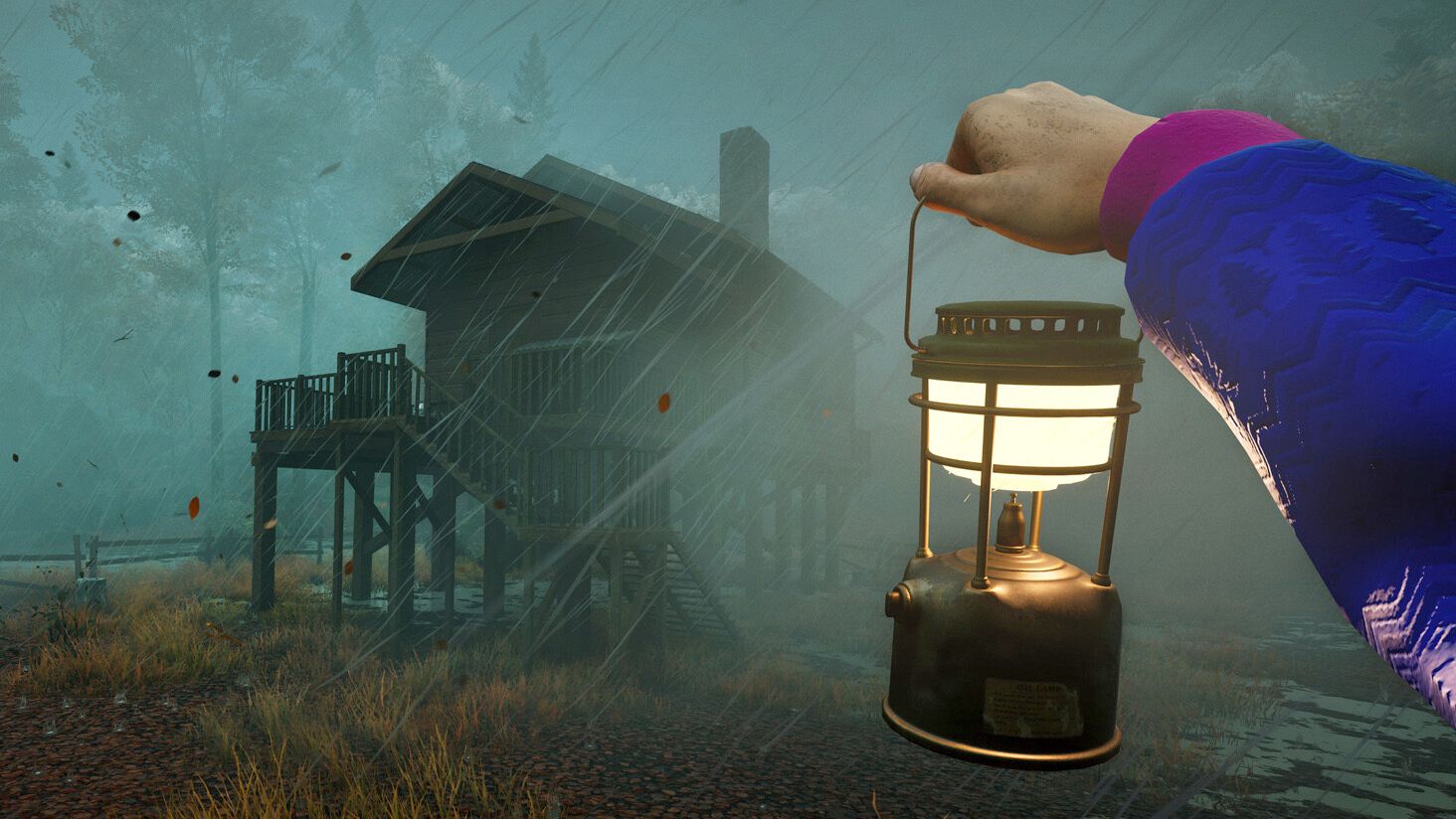
"This wasn’t the plan we had for a full release when we started," the statement reads. "However, we felt it was inappropriate to keep the game in Early Access when we are no longer able to continue developing it. We believe this is the best way to keep the game available to the public without setting the wrong expectations for future visitors."
This decision highlights a growing trend in the industry where studios, when faced with closure or project cancellation, choose to "sunset" their products rather than leave them in a state of purgatory. By exiting early access and making the title free, PlayerUnknown Productions is attempting to preserve their work as a digital artifact rather than a commercial disappointment.
Melba and the Future of Procedural Worlds
While Prologue: Go Wayback! is effectively finished, it is important to note that the engine powering it—codenamed "Melba"—remains a focal point for the studio. The primary ambition of PlayerUnknown Productions was never just to create a single survival game; it was to build a technological framework capable of generating earth-scale, photorealistic, and procedurally consistent worlds.
This technical mission continues, albeit with a significantly smaller team. For those interested in the underlying tech, the studio has kept their tech demo, Preface: Undiscovered World, available on Steam for free. It serves as a window into the engine’s capabilities—a testament to the "earth-scale" ambitions that defined the company’s original roadmap. The survival game may have ended, but the R&D arm of the studio persists, hoping to apply the lessons learned from Prologue to future, perhaps more specialized, projects.
The Lessons of the "Campfire"
Reflecting on the experience, it is clear that Prologue offered something unique in a genre often saturated with "crafting-for-the-sake-of-crafting" mechanics. By focusing on the struggle of the individual against an indifferent, massive landscape, the game managed to turn mundane survival chores into meaningful gameplay loops.
The fact that the community praised the game’s ability to make the act of starting a fire feel like an accomplishment speaks to the strength of the original design philosophy. It is a poignant reminder that even projects that fail to reach a commercial "finish line" can leave behind a blueprint for how to handle immersion and pacing in survival gaming.
Conclusion: A Dignified Exit
The shuttering of Prologue: Go Wayback! is undeniably a loss for the survival gaming community, but it is also a masterclass in how to handle a project’s end with dignity. By providing unconditional refunds, maintaining the game’s availability for free, and keeping the core engine technology alive, PlayerUnknown Productions has avoided the "scam" accusations that often plague abandoned early access titles.
As the industry continues to navigate a difficult period of contraction, the story of Prologue serves as a sobering reminder: even with the pedigree of a creator like Brendan Greene and the backing of a dedicated production house, the gap between a grand vision and a commercially viable product is vast. Today, Prologue moves from the list of "active" games to the list of "historical" ones—a final, free-to-play souvenir of an ambitious, unfinished dream.


 Asro
Asro
 Muslim