

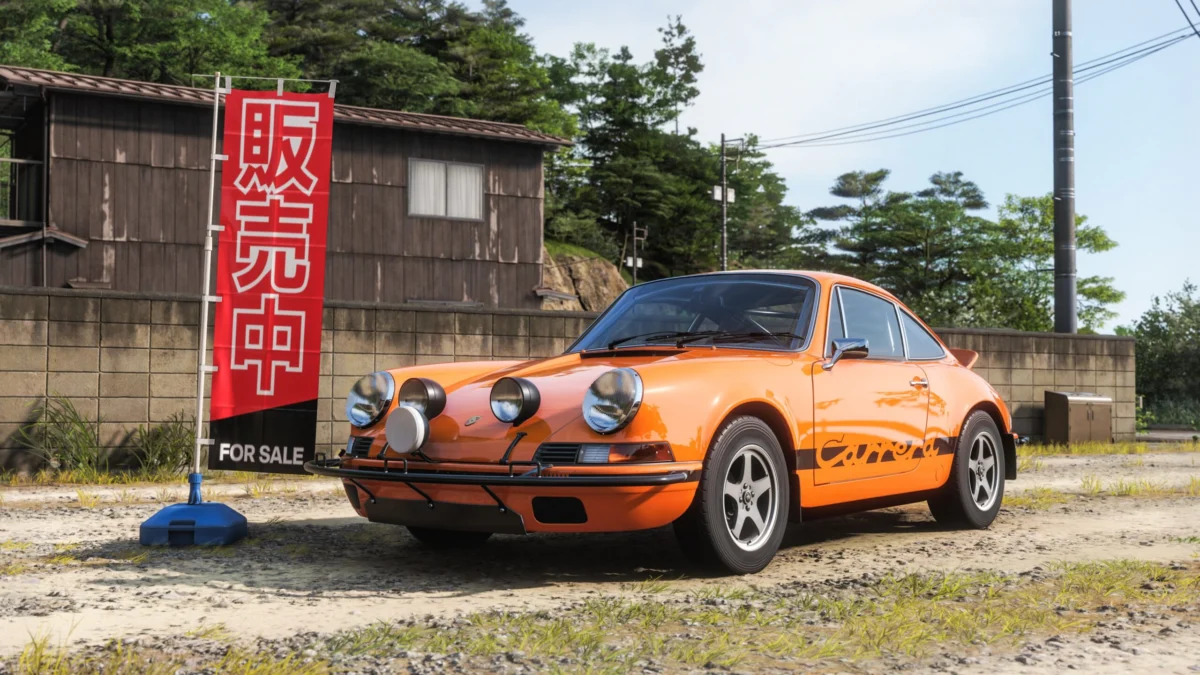
No matter how tight the turns, how twisty the mountain passes, or how scenic the coastal highways, Forza Horizon 6 remains steadfastly committed to its established trajectory. It is a game that knows exactly what it is, who it is for, and—perhaps most importantly—what its players expect. In an era where open-world games are constantly pressured to reinvent their mechanics to stay relevant, Forza Horizon 6 chooses the comfort of consistency over the risk of radical innovation.
The Evolution of the Festival: Staying the Course
There is a prevailing industry sentiment that for a long-running series to maintain its massive popularity, it must periodically diminish its complexity, shedding its "edge" to cater to the widest possible audience. Upon booting up Forza Horizon 6, I harbored a faint hope that Playground Games might buck this trend, perhaps crafting a high-octane experience that wasn’t afraid to alienate the casual observer in favor of a deeper, more punishing simulation.
After spending over 30 hours with the near-final build of the game, it has become abundantly clear that such an expectation was naive. Forza Horizon 6 is not interested in being a hardcore racing simulator, nor is it interested in being a challenging, gritty street-racing drama. It is, unequivocally, a "car-collecting driving game"—a distinction that separates it from the high-stakes, high-friction world of titles like Need for Speed Unbound.
The game’s opening is a masterclass in tone-setting. The choice of the opening track, the slow-motion pans of pristine vehicles, and the stylish, albeit slightly detached, festival-goers—it is all iconic. It is a formula that feels like coming home. The moment you press "Play," you are thrust into a high-production-value drive across a segment of the new map: a vibrant, sprawling recreation of Japan. It is a mix of neon-drenched downtown Tokyo and the winding, misty rural areas that surround it. Within minutes, you are handed your first set of keys, and the cycle begins anew.
A Structural Deep Dive: Progression and the Wristband System
The world of Forza Horizon 6 feels familiar from the outset, though its sheer scale is undeniable. While 95% of the map is accessible almost immediately, the game employs a "gatekeeper" in the form of the new Wristband system. This is, in essence, a progress bar that forces engagement with the festival’s structured events.
To progress, players must accumulate points by participating in Qualifiers. Winning is the most efficient path to the next tier, but the game is forgiving; even a podium finish often suffices in the early stages. For those who tire of track racing, the game offers a litany of PR Stunts—smashing XP boards, triggering speed cameras, or perfecting drift zones. It is a reliable, predictable loop that rewards curiosity with progression.
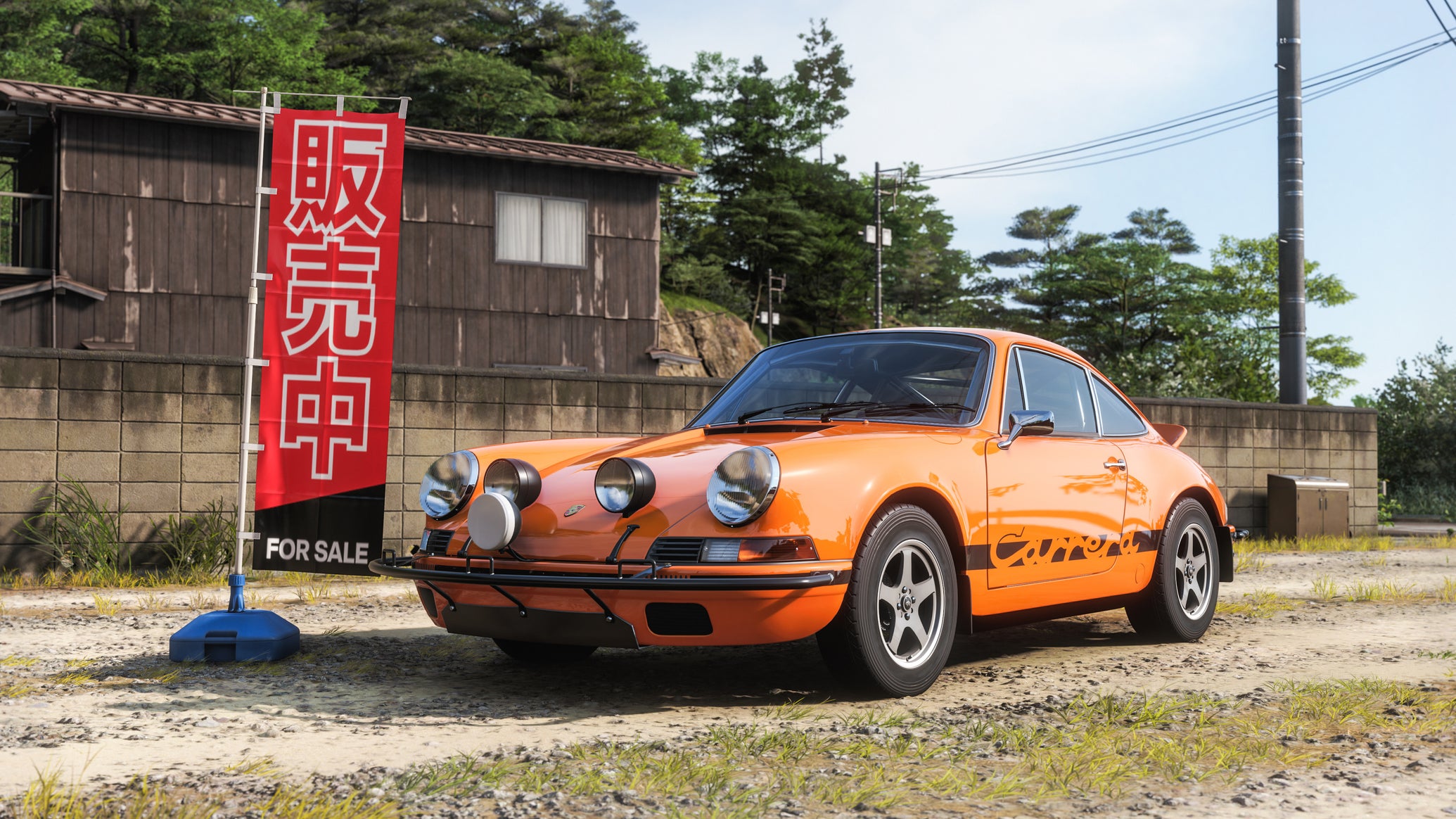
Running parallel to the Festival is "Discover Japan," a narrative-lite campaign that serves as the game’s sightseeing engine. While the Festival focuses on the competition, Discover Japan focuses on the culture. It is here that the game finds its soul, offering tasks ranging from food delivery runs to testing the mechanical limits of vintage, restored classics. These moments—convoy tours through cherry-blossom-lined roads at dusk—are where the Forza fantasy truly hits its stride. It isn’t about shaving milliseconds off a lap time; it’s about the sheer, unadulterated joy of driving a multi-million-dollar machine through a postcard-perfect landscape.
Technical Marvels: Ray Tracing and Visual Fidelity
One cannot discuss Forza Horizon 6 without addressing the visual spectacle. The implementation of ray tracing is nothing short of transformative. In the dense, verdant regions of the Japanese countryside, the lighting effects are so precise that, when viewed in motion, it is easy to mistake the game for a high-budget travel documentary. The way sunlight filters through the canopy and reflects off the metallic paint of your vehicle is a benchmark for the current generation of hardware.

The game also introduces subtle, yet helpful, quality-of-life features. The new proximity radar, for instance, provides a 360-degree view of surrounding traffic. While it is an accessibility tool, it has become a tactical necessity for those who enjoy the "less-than-sportsmanlike" act of blocking AI opponents during high-speed chases. It is a small addition, but one that highlights how Playground Games is thinking about the granular experience of the player.
The "Rush" Factor: Introducing High-Precision Challenges
If the game suffers from a lack of mechanical evolution, the new "Horizon Rush" events are the exception. These are not your standard circuit races; they are obstacle courses designed to test vehicle handling and driver precision.
Unlike the rest of the game, where you can often "throw money at the problem" by purchasing a better car or downloading a community-made tune to bypass difficulty spikes, Horizon Rush events often lock you into a specific vehicle. These races force the player to actually understand the weight, braking points, and torque of the car they are driving. It is a refreshing injection of tension in an otherwise relaxed experience.
Official Perspectives and Development Strategy
While Playground Games has been tight-lipped about the "why" behind the game’s iterative nature, the industry implications are clear. Forza Horizon has become a platform—a service that provides a consistent, high-quality, and stress-free digital escape. By maintaining the same structure, the developers ensure that every new player, regardless of their experience with the series, can pick up the controller and immediately understand how to play.

Critics have often pointed out the "rubbery" nature of the AI—how opponents sometimes seem to rubber-band back to your position or suddenly perform with superhuman accuracy. In Horizon 6, this remains an issue. One race you might dominate; the next, you are fighting for your life against a rival that never misses an apex. This unpredictability, while arguably flawed, serves as the primary source of difficulty in a game that otherwise hands you the keys to the kingdom.
Implications for the Future of the Genre
The success of Forza Horizon 6 presents a question for the wider racing genre: Is there still room for innovation, or has the "open-world car sandbox" reached its final form?
By refusing to break the mold, Playground Games has secured its position as the king of the casual racer. However, this commitment to a formula means that those seeking "rewarding friction"—the feeling of truly conquering a machine or mastering a difficult track—may find themselves wanting more. The game provides the fantasy of owning the world’s best cars, but it rarely demands the discipline required to drive them to their limits.
Conclusion: A Beautiful, Safe Haven
Forza Horizon 6 is a technical triumph and a masterclass in polish. It delivers exactly what it promises: a breathtaking, expansive, and relaxing driving experience set against the stunning backdrop of Japan. It does not reinvent the wheel, nor does it try to. For the millions who simply want to lose themselves in a virtual world of speed and scenery, it is the best game on the market. But for those hoping for a shift in direction or a new, challenging mechanical hook, the road ahead looks very much like the road behind.

Forza Horizon 6 is content to stay the course, and for most, that will be enough.












No comments yet. Be the first to join the conversation!