Muslim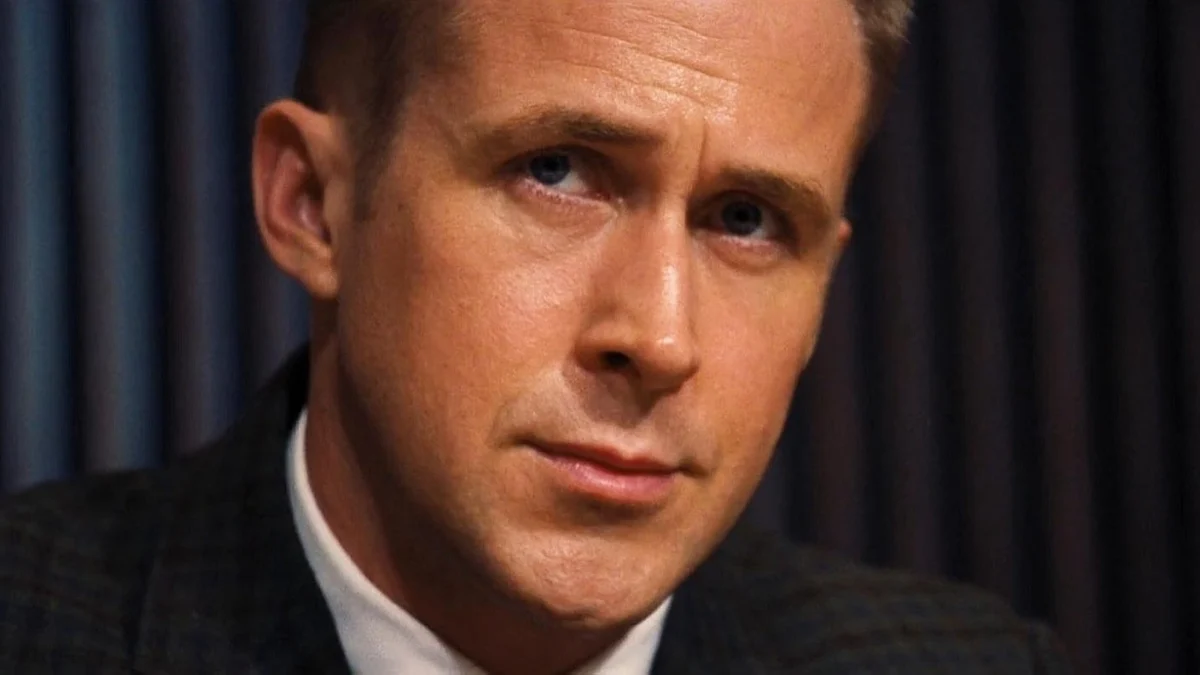
In the landscape of modern cinema, space exploration is typically framed through the lens of triumph—a soaring, orchestral celebration of human ingenuity, punctuated by the roar of rocket boosters and the triumphant planting of flags. However, in 2018, director Damien Chazelle offered a starkly different vision with First Man. Adapted from James R. Hansen’s definitive biography of Neil Armstrong, the film sought to strip away the mythic varnish of the Apollo 11 mission to reveal the bruised, grieving, and profoundly human man underneath.
Despite critical acclaim and technical brilliance, the film struggled to find a foothold at the box office, grossing only slightly over its $59 million production budget. While some critics and audiences were left cold by its melancholic tone, others—including The Martian and Project Hail Mary author Andy Weir—heralded it as a profound cinematic achievement. To understand why First Man serves as both a masterpiece and a cautionary tale in modern blockbuster filmmaking, one must look past the box office receipts and into the heart of its creative intent.
The Anatomy of an Intimate Epic
To approach First Man expecting the swashbuckling optimism of Project Hail Mary or the high-octane spectacle of Apollo 13 is to fundamentally misunderstand the film’s purpose. Damien Chazelle, working from a screenplay by Josh Singer, deliberately pivoted away from the "Great Man" theory of history.
Ryan Gosling’s portrayal of Neil Armstrong is defined by a glacial, almost impenetrable stoicism. He is a man who compartmentalizes trauma with terrifying efficiency. The narrative engine of the film is not the space race itself, but the death of Armstrong’s two-year-old daughter, Karen. By framing the lunar mission as a desperate, internal flight from domestic grief, Chazelle transforms a national triumph into a personal penance.
This choice created a jarring experience for audiences accustomed to the "Right Stuff" archetype. Where viewers expected the swagger of test pilots, they were met with the claustrophobia of a cockpit that felt more like a coffin. The film’s sound design—a cacophony of groaning metal, hissing oxygen, and heartbeat-rhythms—underscored the reality that these men were sitting on top of controlled explosions in vehicles that were, by modern standards, little more than tin cans.
A Chronology of Artistic Ambition and Public Reception
The development of First Man was a long, meticulous journey that began in the early 2000s, shortly after the publication of Hansen’s book. For years, the project languished in development hell before Chazelle, fresh off the success of La La Land, brought his singular, kinetic visual style to the table.
- 2005: James R. Hansen publishes First Man: The Life of Neil A. Armstrong.
- 2015: Universal Pictures acquires the rights; Damien Chazelle is attached to direct.
- 2017: Principal photography begins, utilizing a blend of practical effects and IMAX cameras to ground the space flight sequences in visceral reality.
- October 2018: The film premieres at the Venice Film Festival to glowing reviews, but soon encounters a localized firestorm of controversy regarding its historical depictions.
- Late 2018: Despite critical adoration, the film fails to ignite at the global box office, ultimately becoming a footnote in the year’s commercial landscape.
The disconnect between the film’s critical reception (holding an 87% score on Rotten Tomatoes) and its commercial performance highlights a growing divide between prestige cinema and the expectations of the modern multiplex audience.
Supporting Data: The Weight of the "Flop"
When analyzing the box office failure of First Man, one must consider the shifting tides of the mid-2010s. The film cost approximately $59 million to produce, a modest budget by contemporary standards, yet it struggled to recoup its investment globally.
Several factors contributed to this:
- Genre Fatigue: Audiences were saturated with "space race" narratives, often preferring the lighter, more heroic tone of films like Hidden Figures.
- The "Sadness" Factor: As Andy Weir noted, the film was an "intimate look" at a subdued man. For casual viewers looking for escapism, the heavy emotional toll of the film—which spends considerable time exploring the strain on Janet Armstrong (played with piercing intensity by Claire Foy)—was perhaps too demanding.
- The Flag Controversy: A manufactured political controversy erupted during the film’s marketing cycle regarding Chazelle’s choice not to show the planting of the American flag on the lunar surface. While Chazelle explained that the moment was omitted to maintain the internal perspective of the character, the narrative quickly spiraled into a debate about patriotism that overshadowed the film’s actual content.
The Voice of the Author: Andy Weir’s Perspective
Andy Weir, perhaps the most vocal modern proponent of "hard sci-fi" in film, took to social media shortly after the film’s release to defend it against the detractors. His assessment was succinct: the film achieved a "perfect balance of introspection and action."
For Weir, whose own work relies on the celebration of scientific problem-solving, First Man represented the antithesis of his usual style, yet he recognized its artistic value. He saw that the film wasn’t trying to be a history textbook; it was trying to capture the psychic cost of exploration. When Armstrong walks on the moon, he doesn’t give a speech or wave a flag; he drops his daughter’s bracelet into a crater. That single moment of closure is, in Weir’s view, far more powerful than any nationalist symbol.
The Implications: What Does This Mean for Hollywood?
The "flop" of First Man serves as a sobering reminder of the risks associated with intellectual, character-driven blockbusters. When high-budget films choose to prioritize psychological complexity over crowd-pleasing spectacle, they often find themselves in a precarious position.
The Cost of Creative Integrity
If studios continue to use box office returns as the sole arbiter of a film’s value, we risk losing the ability to tell "quiet" stories on a grand scale. First Man proves that even with an A-list star like Ryan Gosling and an Oscar-winning director like Chazelle, the audience is not always willing to follow a narrative that demands such high emotional labor.
The Legacy of the "Anti-Biopic"
Conversely, the film has found a second life on home media and streaming platforms, where its meditative pacing is better suited to a home environment. It is slowly being re-evaluated as a classic of the genre—a film that didn’t just tell us how we got to the moon, but what it felt like to leave everything else behind.
The legacy of First Man is not defined by its failure to top the box office charts in 2018. Instead, it is defined by its refusal to compromise its vision for the sake of mass appeal. It remains a stark, beautiful, and deeply human work that reminds us that beneath the cold, hard science of space travel, there is always a human heart, often breaking, reaching for the stars.
Ultimately, history may prove that First Man was never a flop at all—it was simply a film that arrived at the wrong time, asking the right questions.


 Ammar Sabilarrohman
 Neng Nana