Iffa Jayyana
For decades, the publishing industry has operated under a rigid, often arbitrary hierarchy: the short story was a stepping stone, the novella was an awkward "in-between" orphan, and the novel was the only product that truly mattered. However, a significant shift is currently underway. Driven by the agility of independent authors and the rise of grassroots literary competitions like the Speculative Fiction Indie Novella Championship (SFINCS), the novella is finally enjoying a well-deserved renaissance.
The Birth of SFINCS: From Twitter Discourse to Literary Pillar
The history of indie publishing is often punctuated by community-led initiatives that fill gaps left by traditional gatekeepers. Perhaps the most famous of these is the Self-Published Fantasy Blog-Off (SPFBO), founded by Mark Lawrence. Following in those illustrious footsteps, SFINCS—pronounced "sphinx"—emerged in 2023.
The competition was born from a simple, frustrated conversation on Twitter. Indie authors and reviewers lamented that while the full-length novel had its dedicated awards and spotlights, the novella remained relegated to the shadows. It did not take long for that digital discourse to coalesce into tangible action. By establishing a dedicated space for speculative fiction novellas, SFINCS provided a platform that had been absent for years, creating a rigorous, meritocratic environment where short-form works could finally compete for prestige and visibility.
The Chronology of the "Awkward Middle Child"
To understand why SFINCS is so transformative, one must first look at the historical struggle of the novella. In the pre-digital era, the novella occupied a "no man’s land." It was too expansive for the constraints of literary magazines, yet often deemed too slight for the profit-focused printing requirements of major traditional publishing houses.
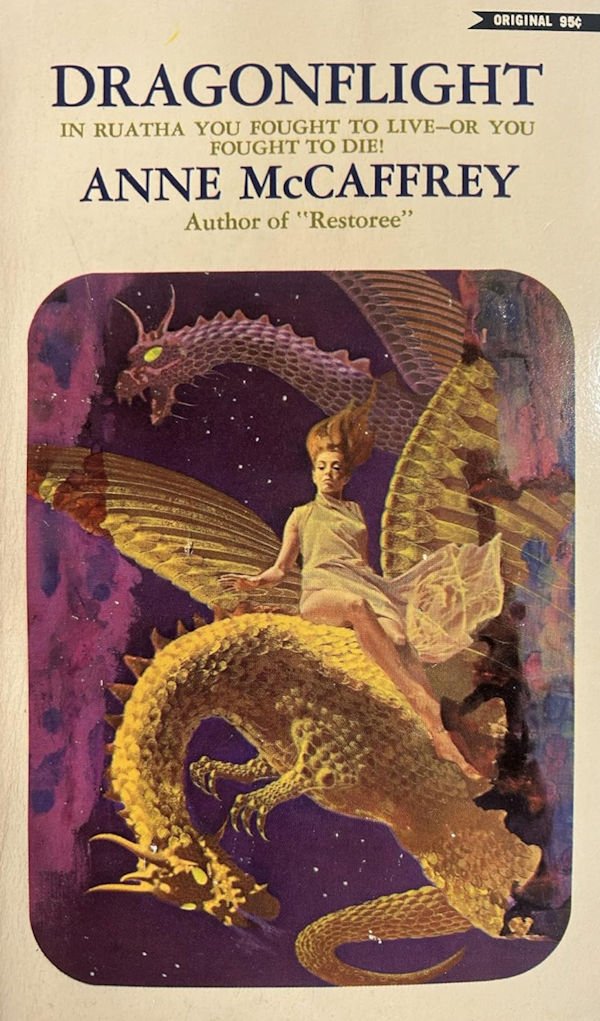
- The Mid-20th Century: The Hugo Award for Best Novella was established in 1968, acknowledging the format’s artistic merit. Yet, for the average aspiring author in the early 2000s, the path to success was narrow. Conventional wisdom dictated that writers should focus on short stories as a "warm-up" before committing to the 80,000-word novel. Novellas were viewed as the domain of established masters—writers who had already "earned" the right to break the standard word-count rules.
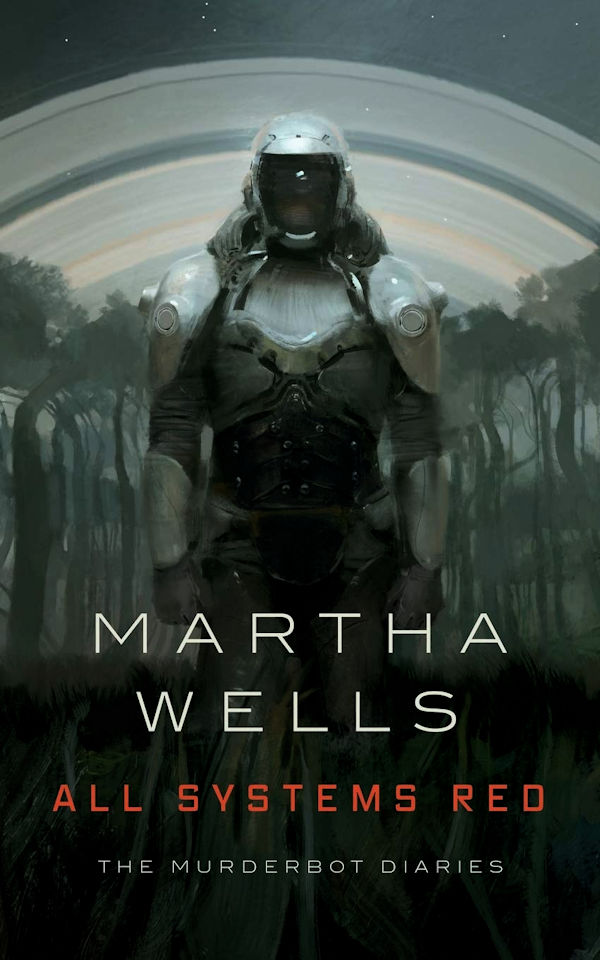
- The Digital Shift (2008–2015): The rise of epublishing began to erode the physical constraints that kept novellas out of bookstores. Tor.com began publishing shorter fiction online as early as 2008, eventually launching a dedicated imprint in 2015. This was a watershed moment, proving that a market existed for shorter, punchier narratives.
- The Indie Explosion (2020–Present): With the barrier to entry lowered by platforms like Amazon KDP, independent authors began to treat the novella not as a "lesser" work, but as a strategic tool for world-building, character exploration, and rapid release schedules.
Defining the Novella: Beyond the Word Count
One of the most persistent debates in literary circles is the definition of the novella. While authors often obsess over word counts, the reality is fluid. According to industry standards, a novella typically falls between 17,500 and 40,000 words. However, these metrics are often ignored by readers.

In practice, the novella is defined by its intensity. While a novel might sprawl, a novella demands a laser-like focus on its central conflict. Because modern readers—accustomed to fragmented media and high-speed content—have shorter attention spans, the novella offers a "bingeable" experience that fits perfectly into a commute or a single weekend. Whether a story is 20,000 words or 40,000, the reader’s experience is fundamentally about the immersion of a complete, self-contained narrative.
Supporting Data: The Impact of SFINCS and the Indie Market
The success of SFINCS offers compelling data on the health of the novella market. In just three years, the competition has evaluated over 300 entries from indie authors and small presses. This volume is a mere fraction of the total output, yet it proves that the novella has become a core product for independent writers.
The current market trend suggests a move away from the 200,000-word "tome" toward more efficient storytelling. For indie authors, the novella is an ideal vehicle for:
- Side Quests: Exploring the backstory of a minor character from a main series.
- Experimental Fiction: Trying out a new sub-genre or tone without the massive time investment of a novel.
- Newsletter Bonuses: Rewarding loyal readers with exclusive, shorter content that builds brand equity.
Official Perspectives: The Value of the "Weird"
The primary strength of the indie movement, and by extension the SFINCS competition, is the lack of editorial gatekeeping. Traditional publishers are often risk-averse; they prefer works that fit neatly into established marketing boxes. Indies, however, have the freedom to embrace the "weird."
"There is nothing stopping an indie from writing a story that sits at an in-between length or explores a super-niche subject," notes one veteran judge. By removing the traditional constraints of "marketability," indie authors have normalized the novella as a legitimate, integral part of the speculative fiction ecosystem. The success of the most recent SFINCS champion—Jessica A. McMinn’s noir gaslamp fantasy Parasitic Omens—is a testament to this. It is a work that might have been rejected by traditional editors as "too niche," yet it found a passionate audience through the championship.
Implications for the Future of Publishing
The implications of this shift are profound for both the industry and the reader.
For the Reader
The novella is the antidote to the "TBR (To Be Read) Pile Anxiety." In an era of content saturation, the ability to finish a high-quality book in one or two sittings is a significant value proposition. It allows readers to explore diverse voices and genres without the intimidation factor of an epic trilogy.
For the Author
The novella allows for a more sustainable pace of creation. While writing a novel can take years, a novella can be crafted with a singular intensity that keeps an author’s momentum high. It also creates a "gateway" for new readers; if a fan enjoys a novella, they are significantly more likely to invest in the author’s full-length backlist.
For the Industry
The rise of SFINCS and the continued success of imprints like Tor.com indicate that the "big book" bias is waning. Traditional publishers are beginning to see that in a digital-first economy, the novella is a high-impact, low-cost asset that can drive digital sales and cultivate a loyal following.
Conclusion: Join the Movement
The novella is no longer the "awkward child" of the publishing world. It has grown into a sophisticated, flexible, and vital form of storytelling. As we look toward the future, the success of SFINCS serves as a blueprint for how communities can nurture talent and elevate overlooked formats.
If you are a reader struggling to find time to dive into a 500-page epic, or an aspiring writer with a "weird" idea that doesn’t fit the traditional mold, the novella is your sanctuary. As the indie community continues to push the boundaries of what is possible, one thing is clear: the most interesting stories are often the ones that don’t need a thousand pages to change your life.
Explore the SFINCS roster, pick up a novella this weekend, and support the authors who are rewriting the rules of the game. Your next favorite book might just be a little shorter than you expect.


 Reynand Wu
 Asep Darmawan