Lina Irawan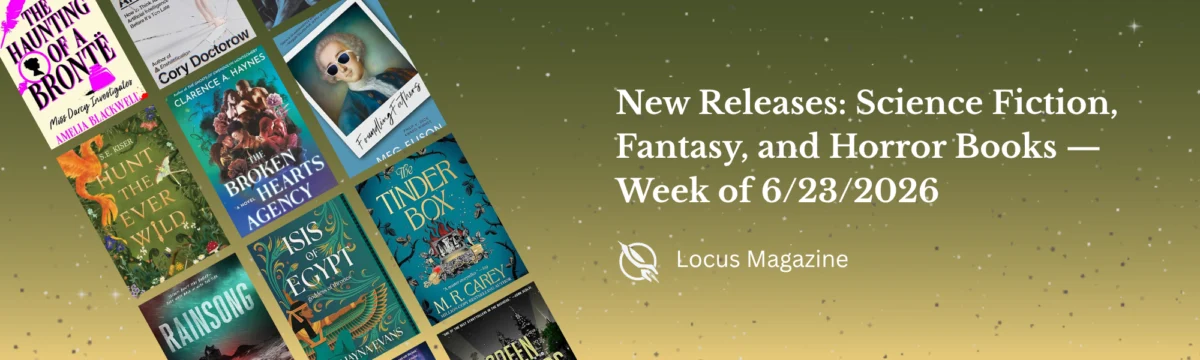
The landscape of speculative fiction, horror, and narrative non-fiction continues to expand with vigor as we approach the midpoint of 2026. This week’s arrivals—spanning the week of June 23, 2026—offer a diverse array of storytelling, from verse-based horror and noir-infused science fiction to incisive social commentary on the rise of artificial intelligence. As readers look to refresh their bookshelves, these latest releases highlight a trend toward blurring genre boundaries and re-examining historical narratives through a speculative lens.

The State of the Market: Key Releases for Late June
The week of June 23, 2026, brings an eclectic mix of titles that cater to both the escapist reader and the critical thinker. Publishers, including heavy hitters like Penguin Random House, Orbit, and Tor, have curated a slate that emphasizes emotional depth alongside high-concept world-building.

Horror and Dark Fantasy
Leading the horror category is Rebecca Barrow’s Doe (Nancy Paulsen), a chilling novel in verse that explores the isolation of a high school cheerleader grappling with family abandonment and a crumbling relationship. The story takes a surreal turn when the protagonist, Maris, encounters a decaying, deer-like entity during her sleepwalking episodes—a narrative device that forces the reader to question the boundaries of reality.

In the realm of dark fantasy, M.R. Carey returns with The Tinder Box (Orbit US). Following a former soldier named Mag Tresti, the narrative unfolds in a world where demons descend from the sky. The discovery of a wish-granting tinderbox introduces a classic trope twisted by the grim, high-stakes atmosphere characteristic of Carey’s work. Meanwhile, Lila Riesen’s Rainsong (Knopf) leans into classic gothic horror, centering on a town with a dark past and a haunted island off the coast of Mendocino, tapping into the perennial appeal of atmospheric, location-based dread.

Speculative Fiction and Sci-Fi Noir
Historical speculative fiction takes a creative turn with Amelia Blackwell’s The Haunting of a Brontë (Macmillan UK). The plot, which involves a time-traveling protagonist attempting to save the Brontë siblings from a mysterious killer in 1845, serves as both a love letter to the literary classics and a tense speculative thriller.

For fans of world-building and high-stakes fantasy, Lauren Dedroog’s A Dance of Serpents (Gollancz) offers an epic journey. As the princess of hell seeks justice for her kin, the novel navigates the treacherous moral gray area between retribution and malice. In a more grounded, yet equally creative vein, Adrian Tchaikovsky’s Green City Wars (Tor) brings a noir sensibility to science fiction. Featuring a raccoon private investigator named Skotch, this novel explores a complex urban landscape through a unique non-human lens, demonstrating Tchaikovsky’s versatility.

Chronology: The Week of June 23, 2026
The release schedule for this week is packed with high-profile titles, ensuring a steady stream of content for the avid reader:

- June 23, 2026:
- Doe by Rebecca Barrow (Horror in Verse)
- The Tinder Box by M.R. Carey (Dark Fantasy)
- The Reverse Centaur’s Guide to Life After AI by Cory Doctorow (Non-fiction)
- Foundling Fathers by Meg Elison (Satirical SF)
- The Isis of Egypt by Malayna Evans (Historical Fantasy)
- The Romance Rewind by Sarah Everett (YA Time-loop Romance)
- The Broken Hearts Agency by Clarence A. Haynes (Urban Fantasy)
- The Ocean Would Paint Me Blue by Zoulfa Katouh (YA Magical Realism)
- Under the Oak Tree, Volume 3 by Suji Kim (Tie-in Fantasy)
- Hunt the Ever Wild by S.E. Kiser (Fantasy)
- Rainsong by Lila Riesen (Horror)
- Green City Wars by Adrian Tchaikovsky (SF Noir)
- Lavender Spike by Rachel Tremblay (Dystopian SF)
- Queer Tastes: Unconventional Representation in Horror Film by Cat Voleur (Non-fiction)
- June 25, 2026:
- The Haunting of a Brontë by Amelia Blackwell (Speculative)
- A Dance of Serpents by Lauren Dedroog (Fantasy)
Supporting Data and Societal Commentary
This week’s releases are not limited to fiction; the inclusion of significant non-fiction titles signals a shift toward addressing the technological and social challenges of our era.

Cory Doctorow’s The Reverse Centaur’s Guide to Life After AI (Farrar, Straus, Giroux/MCD) is perhaps the most timely release of the week. Doctorow provides a critical analysis of the $16 trillion AI valuation, arguing that such numbers are only attainable through the massive displacement of the human workforce. His work serves as a necessary, sobering companion to the week’s more fantastical offerings.

Complementing this is Cat Voleur’s Queer Tastes: Unconventional Representation in Horror Film (From Beyond). This book provides an 80-year retrospective on queer representation within the horror genre, blending academic film criticism with personal lived experience. It is an essential read for those looking to understand how the horror genre has historically functioned as a site for marginalized identities to find expression.

Implications for the Publishing Industry
The surge of titles this week—ranging from YA time-loop romances like Sarah Everett’s The Romance Rewind to dystopian commentaries like Rachel Tremblay’s Lavender Spike—indicates a healthy, if competitive, market.

Several key implications emerge from this release cycle:

- Cross-Pollination of Genres: The success of books like The Haunting of a Brontë and Green City Wars suggests that readers are increasingly seeking "hybrid" stories that combine historical or noir elements with traditional fantasy and science fiction structures.
- The Rise of the "Personal" Non-Fiction: As seen in the work of Voleur and Doctorow, there is a clear demand for non-fiction that feels urgent, personal, and deeply researched. Readers are looking for books that help them navigate the complexities of the modern world.
- The Importance of Local Support: As highlighted by the ongoing efforts of organizations like Locus, the survival of these stories relies heavily on the health of local bookstores. With the industry facing economic shifts, the symbiotic relationship between readers, indie bookstores, and literary magazines has never been more vital.
A Call to Action for the Literary Community
The diversity and quality of the works published in late June 2026 are a testament to the resilience of the speculative fiction community. From the lyrical horror of Rebecca Barrow to the sharp socio-economic critiques of Cory Doctorow, these authors are not merely writing for entertainment; they are documenting the anxieties, hopes, and curiosities of the current zeitgeist.

However, the continued availability of such high-quality literature requires ongoing support. As the literary landscape evolves, the role of independent journalism—represented by publications like Locus—remains critical. By choosing to purchase through local bookstores or by contributing to the platforms that track and review these works, readers play an active role in sustaining the ecosystem that brings these stories to life.

As we look ahead to the second half of 2026, the books released this week provide a compelling blueprint for where the genre is headed: toward deeper, more inclusive, and more technologically self-aware narratives. Whether you are looking for a haunting verse novel or a guide to the future of artificial intelligence, this week’s collection offers a profound reflection of the world as it stands today.



 Ammar Sabilarrohman