Iffa Jayyana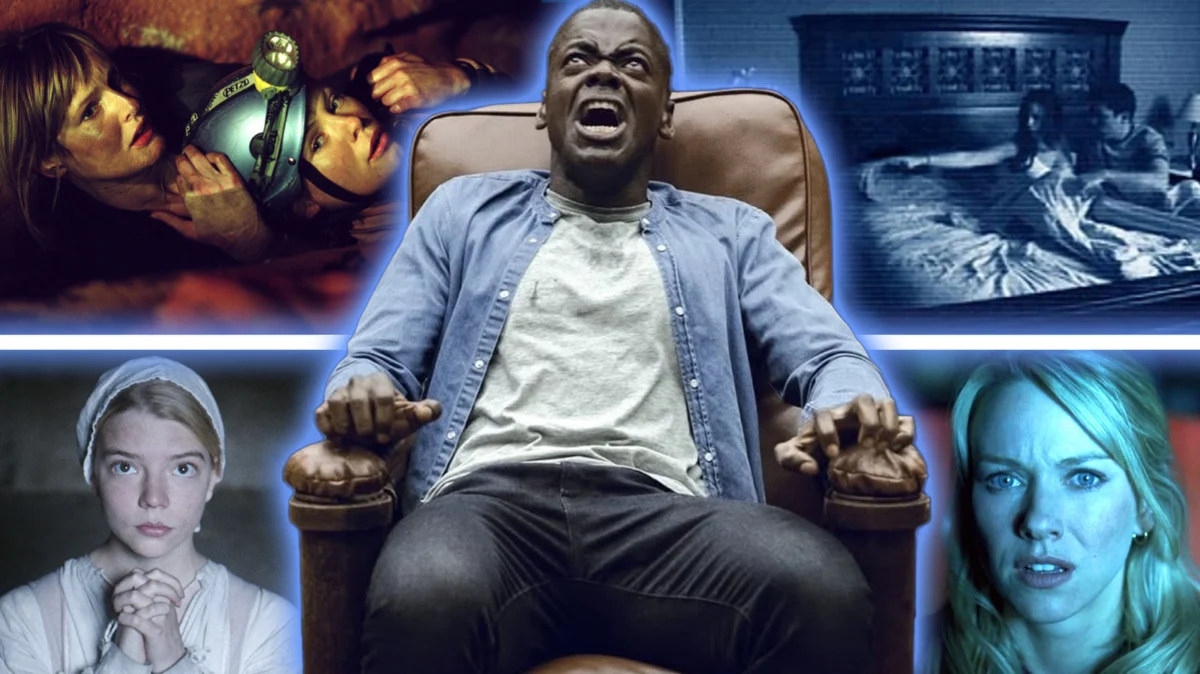
The horror genre has undergone a seismic transformation over the last 25 years. As we crossed the threshold into the new millennium, the cinematic landscape was still reeling from the cultural phenomenon of The Blair Witch Project (1999). That low-budget, found-footage masterpiece served as both the final, thunderous closing note of the 1990s and a blueprint for the chaotic, unpredictable decade that followed.
Since 2000, horror has evolved from a cycle of repetitive slasher sequels and derivative J-horror remakes into a sophisticated pillar of modern cinema. Today, the genre is characterized by a duality: the sleek, high-concept thrill rides produced by industry giants like Blumhouse, and the slow-burn, metaphor-heavy "elevated" horror championed by arthouse labels like A24 and Neon. To define the best of the 21st century is to trace the evolution of our collective fears. Here is a definitive look at the 15 horror films that have defined, challenged, and reshaped the genre since the year 2000.
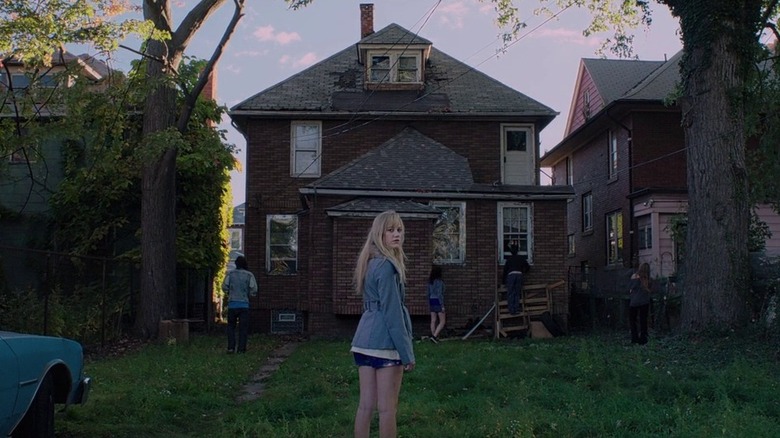
15. It Follows (2014)
David Robert Mitchell’s breakout feature successfully bridged the gap between nostalgic homage and modern dread. By blending the observational tension of John Carpenter’s Halloween with a unique, nightmarish conceit—a relentless, shape-shifting entity transmitted through sexual intimacy—It Follows became an instant classic. It forced audiences to scan the background of every frame, fostering a pervasive sense of paranoia that remains unmatched.
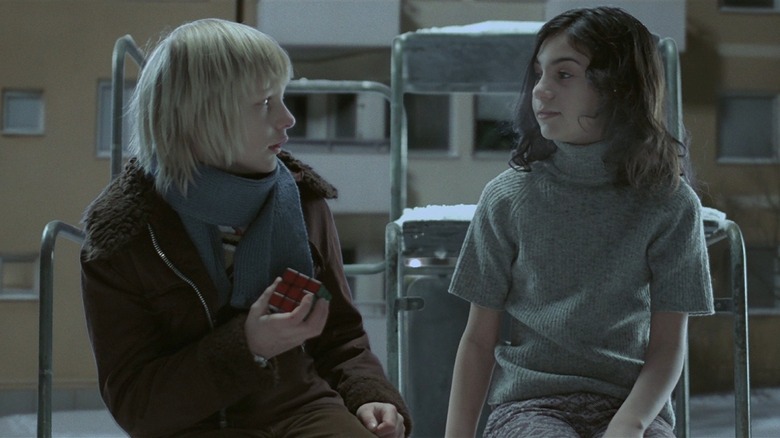
14. Let the Right One In (2008)
Swedish director Tomas Alfredson delivered a masterclass in atmospheric storytelling with this reimagining of the vampire mythos. Set against the frigid, isolated backdrop of a Stockholm suburb, the film treats the supernatural not as a spectacle of violence, but as an aching, lonely bond between two outcasts. It is a haunting, melancholic love story that serves as a stark reminder that the most terrifying monsters are often those we empathize with most.
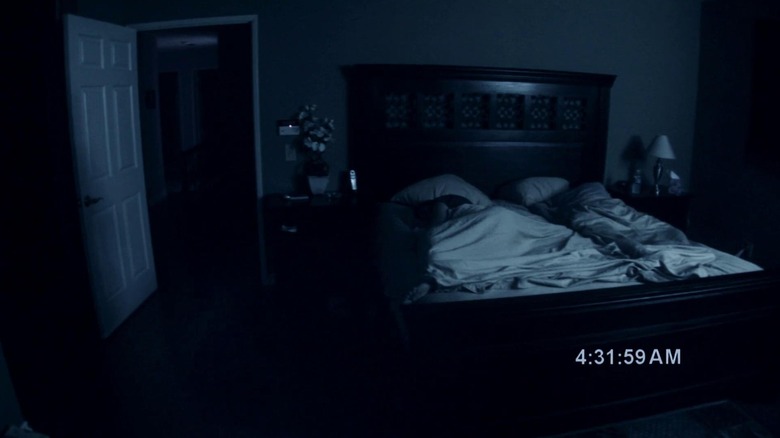
13. Paranormal Activity (2007)
Few films have had a more profound impact on the economics of Hollywood. Produced on a shoestring budget of just $15,000, this found-footage experiment became one of the most profitable films in history. By stripping horror down to its most primal element—the fear of what happens in your own bedroom while you sleep—it captured a cultural moment that no amount of CGI could replicate.
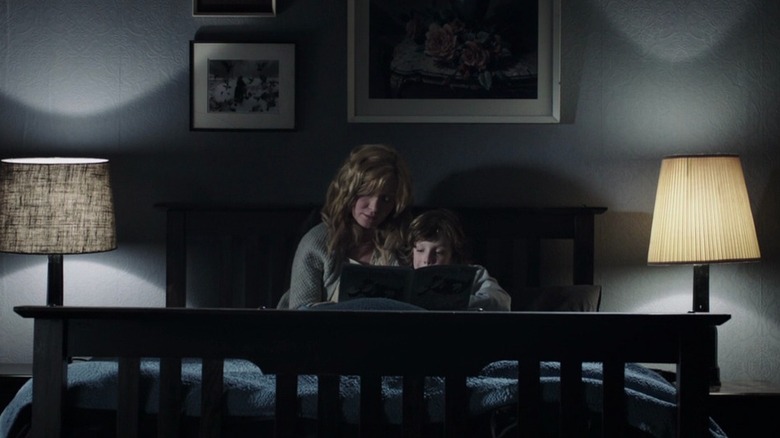
12. The Babadook (2014)
Jennifer Kent’s Australian chiller established the current gold standard for horror as an allegory for grief. By focusing on a single mother battling both a literal monster and the crushing weight of her own trauma, The Babadook demonstrated that practical effects and character-driven stakes could produce deeper, more lasting terror than traditional jump-scare tactics.
11. [REC] (2007)
Spanish directors Jaume Balagueró and Paco Plaza proved that the found-footage format still had life when handled with surgical precision. By trapping a camera crew in a quarantined apartment building in Barcelona, the film creates a claustrophobic pressure cooker. Its relentless pace and terrifying final sequence remain a benchmark for the genre.
The Chronology of Modern Terror
The 21st-century horror boom did not happen in a vacuum. It was a reaction to the digital revolution and a changing sociopolitical climate.
The Early 2000s: Remakes and Realism
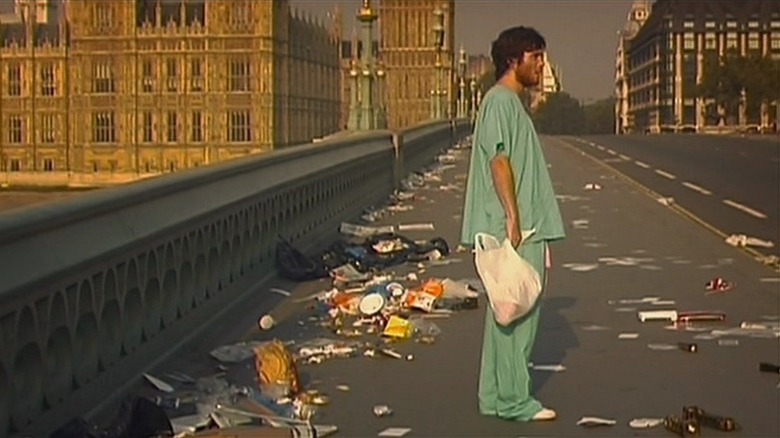
Following the turn of the century, Hollywood leaned heavily into remakes of international hits, most notably Gore Verbinski’s The Ring (2002). While many remakes failed, The Ring succeeded by stripping away the frantic pacing of the era and focusing on slow, dread-inducing imagery. Simultaneously, Danny Boyle’s 28 Days Later (2002) revolutionized the zombie subgenre by introducing the "fast zombie"—a creature defined by raw, animalistic aggression that mirrored the existential anxieties of a post-9/11 world.
The 2010s: The Arthouse Revolution
As the decade progressed, the rise of specialized distribution houses signaled a shift toward prestige horror. Films like The Witch (2015) and Hereditary (2018) prioritized historical accuracy, intricate cinematography, and intense psychological exploration. This era marked a departure from the "slasher" identity, moving instead toward stories that explored the darker corners of human history and family dynamics.
Supporting Data: The Commercial and Critical Shift
The success of these films is not merely anecdotal; the data highlights a clear trend. Get Out (2017) became a watershed moment for the industry, earning an Academy Award for Best Original Screenplay and proving that horror could be both a commercial juggernaut and a critical darling.
Furthermore, the "A24 Effect" has demonstrated that audience appetites are shifting. Data shows that films with "elevated" marketing strategies—emphasizing themes over scares—consistently perform better with the 18–34 demographic. Studios have taken note, with production houses like Blumhouse balancing high-profit franchises like The Conjuring universe alongside experimental indie projects.
Official Responses and Cultural Impact
The impact of these films extends far beyond the box office. Directors like Jordan Peele, Ari Aster, and Robert Eggers have become household names, signaling a shift in how studios view horror directors. No longer sidelined as B-movie craftsmen, these filmmakers are now treated as auteurs.
Critics have often debated the "elevated horror" label, with many creators, including Jordan Peele, arguing that the term is reductive. However, the cultural dialogue generated by these films—ranging from the discussions on racial politics in Get Out to the exploration of toxic grief in Hereditary—proves that the genre has successfully reclaimed its place at the center of the cultural conversation.
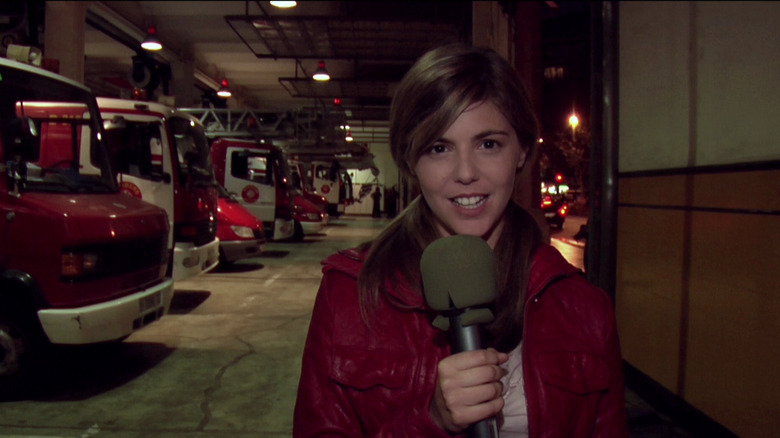
10. Lake Mungo (2008)
This Australian faux-documentary is perhaps the most subtle entry on this list. It is a haunting meditation on the secrets we keep from our families and the tragedy of loss. Its impact is slow-moving, culminating in an ending that is as emotionally devastating as it is terrifying.
9. Sinister (2012)
Scott Derrickson’s film is often cited in scientific studies as the "scariest" movie ever made based on heart-rate analysis. It succeeds because of its focus on the banality of evil, utilizing grainy, Super 8 home movies to create a sense of genuine, corrupted history.
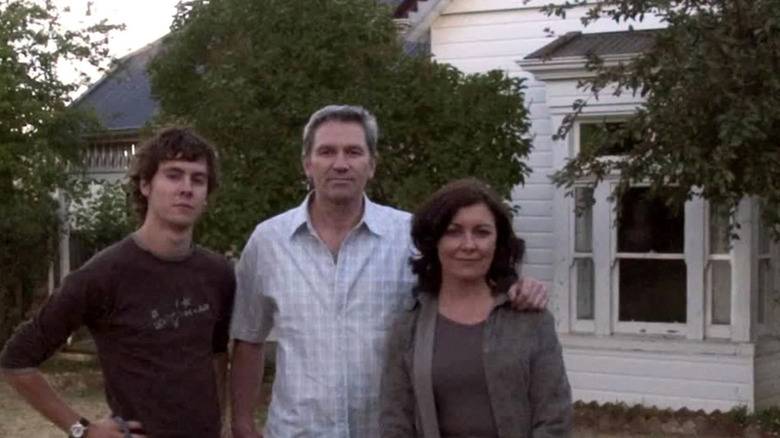
8. The Ring (2002)
Gore Verbinski’s adaptation is a masterclass in atmosphere. It defined a generation’s fear of technology and is widely considered the rare American remake that stands toe-to-toe with its source material.
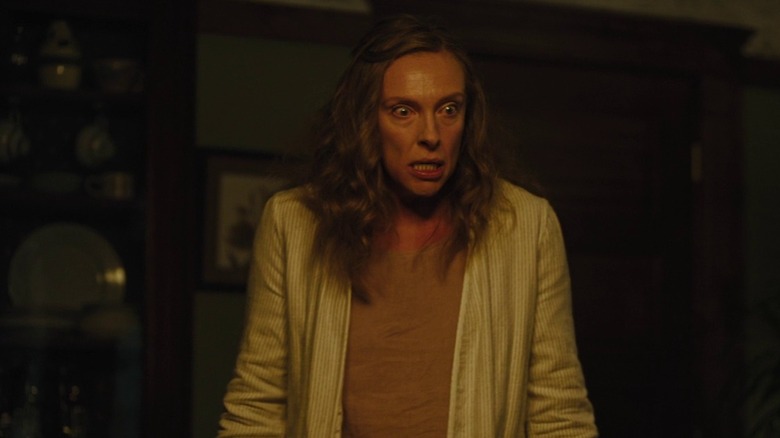
7. Hereditary (2018)
Ari Aster’s debut is an emotionally punishing experience. By intertwining occult horror with the disintegration of a family, it created a new template for the genre that balances dread, humor, and absolute tragedy.
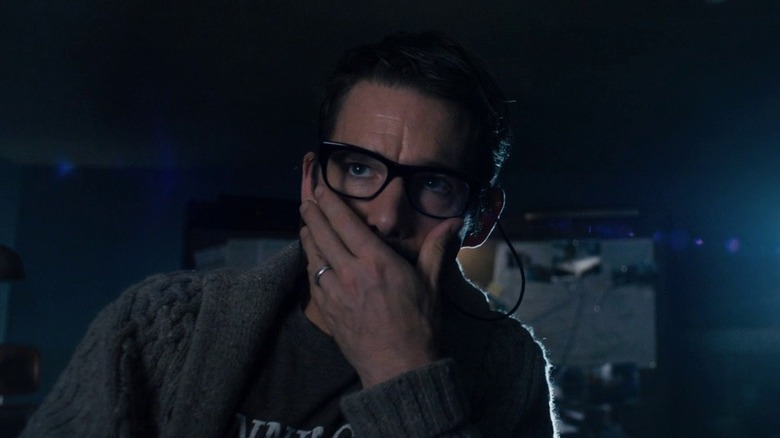
6. 28 Days Later (2002)
This film did for zombies what Scream did for slashers: it deconstructed and rebuilt the mythos. Its gritty, digital-video aesthetic remains one of the most iconic looks of the early 2000s.
5. The Conjuring (2013)
James Wan’s film is the ultimate "haunted house" movie. It succeeds by respecting the traditions of the genre while executing them with a level of craftsmanship that makes even the most tired tropes feel fresh and terrifying.
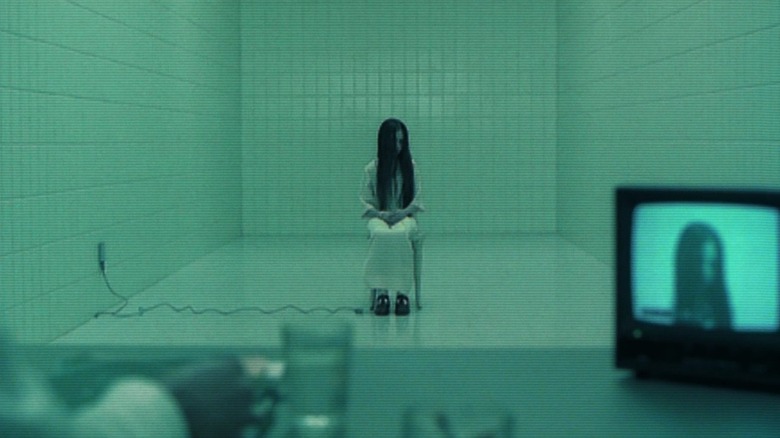
4. The Descent (2005)
A claustrophobic nightmare, The Descent is a testament to the power of environment. By trapping characters in a confined, lightless space, Neil Marshall tapped into the most primal of human fears.
3. The Witch (2015)
Robert Eggers’ period-accurate folk tale is a triumph of world-building. It is a film that refuses to hold the audience’s hand, instead immersing them in a 17th-century landscape where religious paranoia is the ultimate antagonist.
2. Under the Skin (2013)
Jonathan Glazer’s sci-fi horror hybrid is a singular achievement. It is a film that functions on a dreamlike, sub-narrative level, using imagery and tone to explore the alienation of the human experience. It is, quite simply, unlike anything else in the genre.
1. Get Out (2017)
Jordan Peele’s Get Out is the defining horror film of the 21st century. It managed to perfectly capture the zeitgeist of its time, utilizing the structure of a thriller to dissect complex social issues. With its perfect balance of humor, suspense, and satire, it elevated the horror genre to a level of prestige that will be felt for decades to come.
Implications for the Future
As we look toward the future of horror, the legacy of these 15 films is clear. The genre has proven its resilience and its ability to act as a mirror for the anxieties of the era. Whether through the rise of digital-first distribution, the focus on psychological realism, or the integration of social commentary, the horror genre is no longer a peripheral entertainment. It is the pulse of modern cinema, and as long as humanity has fears to confront, horror will be there to show us exactly what is waiting in the dark.

 Nana
Nana
 Jia Lissa