Lina Irawan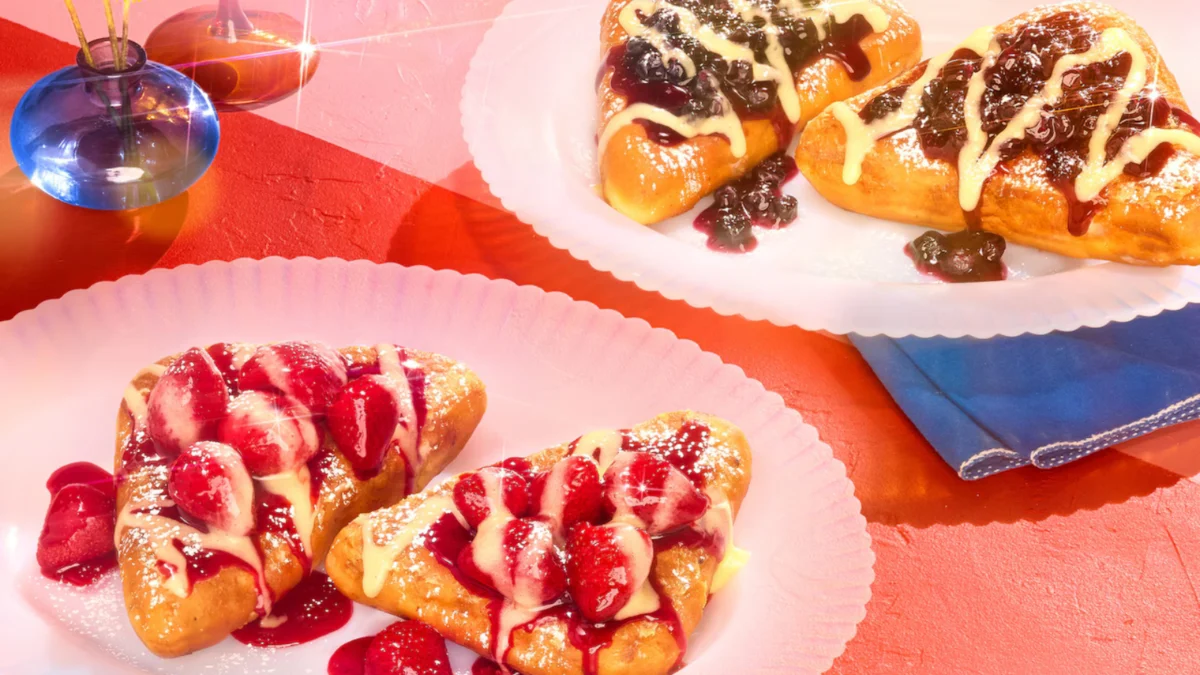
In the high-stakes world of fast-casual dining, few things are as difficult to gauge as the shifting tides of consumer nostalgia. For six long years, the breakfast giant IHOP has faced a relentless tide of social media petitions, direct customer feedback, and internal pressure to resurrect one of its most beloved culinary staples. On September 14, the wait finally ended. IHOP officially brought back its legendary Stuffed French Toast, signaling a strategic pivot toward catering to the passionate demands of its most loyal patrons.
However, this is not merely a carbon copy of the dish that disappeared from menus in 2020. Recognizing that modern palates—and vocal superfans—expect more, IHOP has engineered a "bigger and better" version of the classic. By leveraging advanced culinary technology to solve the "explosion" problem of overfilled pastries, the chain has managed to deliver a product that balances nostalgia with modern expectations of indulgence.
The Chronology of a Discontinued Favorite
To understand the weight of this return, one must look back at the dish’s origins. Stuffed French Toast first made its debut as a limited-time offering in 2003. It was an instant hit, quickly transitioning from a seasonal curiosity to a permanent fixture on the IHOP menu. For nearly two decades, it served as the anchor for the chain’s dessert-for-breakfast offerings.
The turning point occurred in 2020. As the restaurant industry faced unprecedented operational constraints, IHOP, like many of its competitors, moved to streamline its menu. The objective was to simplify kitchen operations and reduce waste, which unfortunately meant cutting several complex, labor-intensive items. Stuffed French Toast was one of the casualties of this efficiency-driven purge, replaced by alternatives like the Thick ’N Fluffy French Toast.
While the Thick ’N Fluffy line gained its own following, it failed to fill the void left by the stuffed variety. For six years, the absence of the dish became a running topic of conversation across social media platforms like X (formerly Twitter) and TikTok. IHOP’s leadership began to notice that while other discontinued items were occasionally lamented, the Stuffed French Toast was the subject of an incessant, organized campaign for its revival. It had achieved "cult classic" status, a rare feat for a chain restaurant menu item.
Engineering the Perfect Bite: The "More Filling" Mandate
The decision to bring back the item was not made lightly. According to Lawrence Kim, President of IHOP, the feedback was unanimous. During his site visits, Kim made it a habit to ask both staff and guests a simple question: "What is the one product you would want to bring back?"
"Resoundingly, the answer is always Stuffed French Toast," Kim told Nation’s Restaurant News.
However, simply returning to the old recipe was deemed insufficient. The company listened to the loudest complaint regarding the original version: there wasn’t enough of the sweet cream filling. Fans wanted a more decadent experience, a request that created a technical hurdle for the kitchen. Filling a slice of French toast with enough cream to satisfy modern cravings often led to the bread losing its structural integrity, causing the filling to leak out or, as the internal development team put it, "explode" during the cooking process.
To resolve this, IHOP’s culinary team developed a new injection process. This proprietary method allows for a significantly higher volume of sweet cream to be distributed throughout the bread without compromising the integrity of the crust or the internal texture. The result is a product that remains structurally sound while delivering on the promise of a more generous, cream-heavy bite.
Menu Architecture: Two Flavors for the Modern Diner
The return of the Stuffed French Toast is so significant that it has been granted its own dedicated category on the IHOP menu, reflecting the chain’s commitment to highlighting the item as a flagship breakfast option.
At launch, the chain is offering two distinct variations, both grounded in the classic sweet cream base:
- Strawberry Vanilla: This iteration features the signature sweet cream-filled French toast triangles, dipped in a vanilla-cinnamon batter, and cooked to a golden brown. It is then topped with a generous portion of glazed strawberries and finished with a drizzle of vanilla sauce.
- Blueberry Vanilla: Mirroring the structure of the strawberry version, this option replaces the strawberry topping with a rich, vibrant blueberry compote, offering a slightly more tart counterpoint to the sweetness of the cream.
The flexibility of the offering is key to its market appeal. IHOP is allowing customers to customize their experience, whether they want the toast as a standalone plate, part of a breakfast combo, or paired with a larger, heartier meal. This modularity is essential for a chain that operates across diverse demographics, from families seeking a treat to solo diners looking for a satisfying morning start.

Supporting Data: Why "Bring Back" Campaigns Matter
The success of the Stuffed French Toast return underscores a growing trend in the restaurant industry: the power of the "bring back" movement. In an era of infinite digital connectivity, brands no longer guess what customers want; they are told directly.
When IHOP removed the item in 2020, they were optimizing for profit margins and speed. When they brought it back in 2024, they were optimizing for brand loyalty. The "Stuffed French Toast" phenomenon serves as a case study in how large corporations can use customer sentiment to drive marketing and product development. By framing the return as a direct response to customer advocacy, IHOP isn’t just selling a breakfast item—they are selling a partnership. They are showing their guests that the brand is listening.
This strategy coincides with a broader effort by IHOP to recapture the excitement of their core audience. The company has recently leaned into high-engagement promotions, such as the return of their "All-You-Can-Eat" pancake deals and the massive, annual, free-pancake giveaway held on National Pancake Day. These campaigns are designed to drive foot traffic, but they also serve to reinforce the brand’s identity as a value-driven, guest-focused establishment.
Competitive Landscape: How Other Chains Compare
While IHOP is leaning into customer feedback to dictate its menu, other competitors are taking different, sometimes more unconventional, approaches to reintroducing discontinued favorites.
The industry is currently witnessing a trend of "gamified" menu returns. For instance, Taco Bell recently made headlines by announcing that it would allow the winners of a professional golf tournament to influence the return of a discontinued menu item. This approach shifts the power dynamic; instead of the brand simply listening to the masses, they are creating an event around the return, effectively turning a menu launch into a marketing spectacle.
Compared to these "stunt-based" returns, IHOP’s approach is more traditional and relationship-based. It relies on the longevity of a product that stood the test of time, rather than the temporary hype of a promotional gimmick. By spending six years listening to feedback and months refining the manufacturing process, IHOP is betting that the quality of the product will sustain its popularity long after the initial "launch" buzz wears off.
Implications for the Future of Breakfast
The return of the Stuffed French Toast has significant implications for the future of the breakfast sector. First, it demonstrates that menu simplification, while beneficial for efficiency, has a ceiling. Once a brand cuts too deeply into its "heritage" items, it risks losing the emotional connection with its customer base.
Second, the technical evolution of the dish—the new injection process—suggests that IHOP is moving toward a model where "classic" dishes are constantly being iterated upon rather than left in their original state. As consumers become more food-literate and demanding, the expectation for a "better" version of a nostalgic favorite is becoming the standard.
Finally, the success of this initiative will likely embolden IHOP to continue scouring its history for other candidates to return to the menu. With the "most-requested" item now successfully back in rotation, the question becomes: what is next? If the positive reception to the Stuffed French Toast continues, it is highly probable that the brand will use this as a blueprint for future menu refreshes.
Conclusion: A Breakfast Legacy Reclaimed
The reintroduction of the Stuffed French Toast is more than a simple menu update; it is a tactical victory for the brand and a long-awaited reward for the customer. By successfully navigating the complexities of modern food manufacturing to improve upon a classic, IHOP has managed to turn a discontinued product into a revitalized engine for growth.
As diners across the country sit down to enjoy their Strawberry or Blueberry Vanilla French Toast, they are participating in a conversation that has lasted half a decade. The dish serves as a testament to the fact that, in the restaurant business, the most powerful marketing tool is not a viral social media campaign or a flashy golf tournament—it is simply listening to the customer, perfecting the product, and delivering on a promise of consistency and quality.
For IHOP, the return of the Stuffed French Toast marks the end of a six-year chapter of absence and the beginning of a new, potentially more prosperous, era. For the guests who spent years asking for it, the wait is finally over—and it tastes, by all accounts, exactly how they remembered it, only better.

 Azzam Bilal Chamdy
 Evan Lee Salim