Dwi Wanna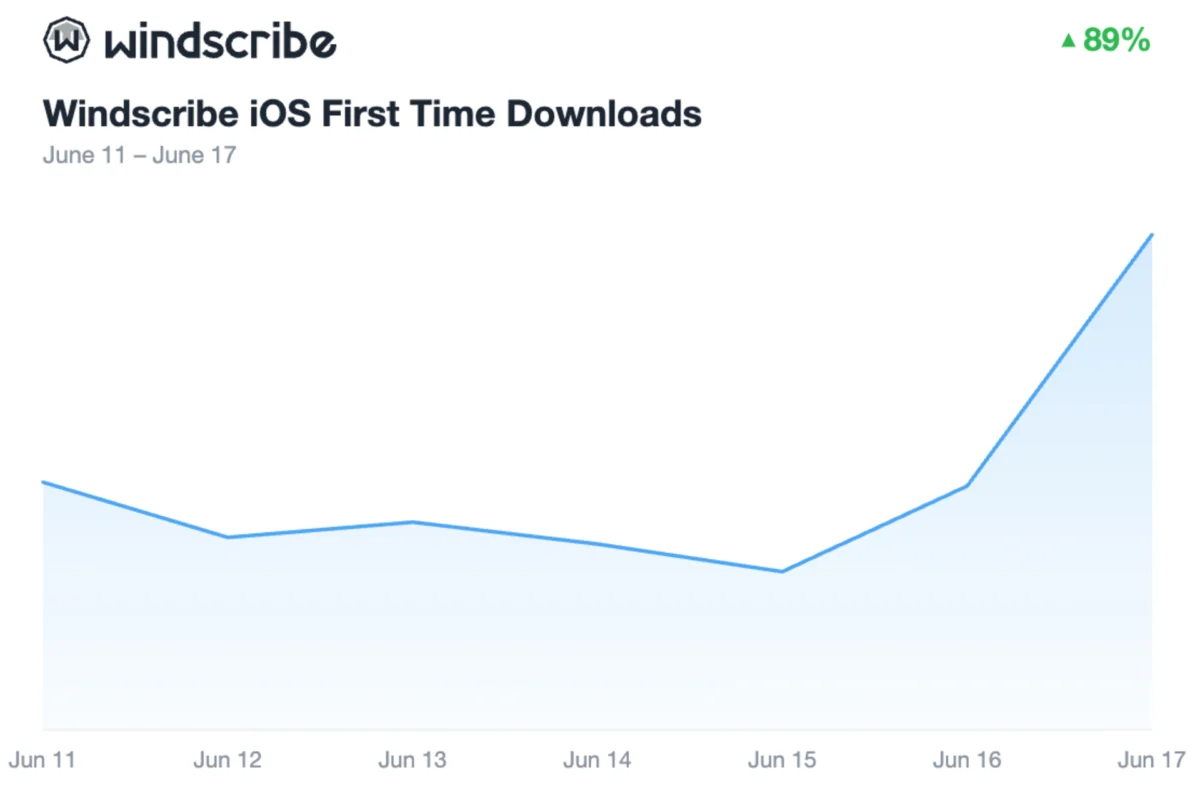
In a dramatic illustration of the "Streisand effect" in the digital age, the Indian government’s decision to impose a week-long block on the messaging platform Telegram has backfired, fueling an unprecedented surge in demand for circumvention tools. As authorities sought to clamp down on the spread of fraudulent exam materials, millions of Indian users responded by turning to Virtual Private Networks (VPNs) and alternative messaging platforms, effectively bypassing the government-mandated firewall.
The restriction, enacted to protect the integrity of the National Eligibility cum Entrance Test (NEET-UG)—the country’s largest medical entrance examination—has ignited a fierce debate regarding the balance between national security and the digital rights of over 150 million Indian users.
The Chronology of a Digital Blockade
The controversy began on June 16, when the Indian government moved to temporarily restrict access to Telegram until June 22. The objective, according to official statements, was to prevent the circulation of leaked question papers and fraudulent content that could compromise the integrity of the high-stakes NEET-UG re-test.
Telegram, a platform known for its end-to-end encrypted chats and large-scale channels, quickly became the focal point of government scrutiny. By June 17, the impact of the block was already being felt across the nation’s digital infrastructure. Users, unable to access their messages, flooded app stores in a frantic bid to find workarounds.
The situation escalated to the legal arena almost immediately. Telegram challenged the government’s sweeping order in the Delhi High Court, arguing that the restriction was disproportionate. The company contended that the authorities should have targeted specific malicious actors or channels rather than imposing a blanket ban on a platform with a massive, legitimate user base. However, on Friday, the Delhi High Court upheld the government’s directive, ruling that the state had followed necessary legal procedures in light of the emergency nature of the examination security concerns.
A Surge in Circumvention: The Data Speaks
The scale of the user reaction was immediate and measurable. App intelligence firm Appfigures reported that Tuesday, June 16, marked the single largest day for VPN app downloads in India since at least the beginning of 2025.
The VPN Explosion
The numbers paint a clear picture of user defiance. Daily downloads of major VPN applications in India spiked by 49%, rising from a recent daily average of 139,000 to over 208,000 in a single day.

Specific service providers saw even more staggering growth:
- Proton VPN: Downloads surged by 113% on Apple’s App Store and 64% on the Google Play Store.
- Turbo VPN: Recorded an 85% increase on iOS and a 35% jump on Android.
- Market Positioning: Proton VPN’s visibility in app stores climbed dramatically, moving from 18th to 5th in Apple’s Utilities category and from 8th to 2nd in the Google Play "Tools" category within just 48 hours.
Other major players, including NordVPN and ExpressVPN, also saw double-digit growth, confirming that the trend was not limited to a niche segment of the market but represented a widespread consumer reaction.
The Search for Alternatives
Beyond VPNs, users began diversifying their communication tools. Appfigures noted that the privacy-focused messaging app Signal saw a 72% increase in iOS downloads and a massive 322% jump on the Google Play Store. Meanwhile, Viber experienced a 216% surge in its App Store downloads. Perhaps most notably, the Telegram-linked messaging client iMe saw its daily downloads on Google Play skyrocket from an average of 827 to over 50,000 on the day the ban was announced.
Technical Anomalies and User Resilience
Perhaps the most ironic finding of the week was that the block did not immediately decrease the usage of the targeted platform. According to data from Sensor Tower, Telegram’s daily active users in India actually rose by 17% on the day the restriction was announced—the largest single-day increase for the app in the country since 2021.
This counterintuitive data is supported by network traffic observations. Cloudflare Radar Lead Lai Yi Ohlsen noted that DNS requests for Telegram domains in India increased sharply in the 48 hours following the announcement. While Cloudflare cautioned that high DNS traffic can sometimes signify failed connection attempts, it also suggests that millions of users were actively and repeatedly attempting to reach the platform, likely aided by the very VPNs that saw such high adoption rates.
Official Responses and Legal Justifications
The conflict between Telegram and the Indian government highlights the growing friction between global technology platforms and local sovereignty.
During the Delhi High Court hearings, Telegram’s legal counsel emphasized that the company had proactively complied with previous government requests to remove specific channels identified as hosting illicit exam content. The company argued that a "platform-wide" ban was an extreme measure that punished millions of innocent users who rely on the app for business, education, and personal communication.

Government lawyers, however, framed the move as a precise, surgical strike. Solicitor General Tushar Mehta argued that the restriction was temporary and directly linked to the objective of maintaining the sanctity of the NEET-UG exam. He noted that while a permanent, broad-scale ban would indeed raise significant proportionality concerns, the current, limited-time measure had a "logical nexus" to the immediate public interest of ensuring a fair examination process.
Broader Implications: A Pattern of Control
The situation in India is not an isolated event. It is part of a global trend where governments increasingly rely on internet shutdowns or platform restrictions to exert control during times of civil unrest, public examinations, or perceived security threats.
Rebecca Rosenberg, growth operations manager at the VPN provider Windscribe, noted that the spike in India follows a well-documented global pattern. "The surge in India follows the same general trend we see in areas that ban specific apps, introduce age bans, or otherwise restrict internet access," she observed.
This sentiment is echoed by analysts who point to similar events in the United States, where VPN usage spiked following the 2025 attempts to restrict TikTok, and in countries like Iran and Russia, where internet censorship has long been a tool of state policy.
The Future of Digital Sovereignty
The India-Telegram incident serves as a bellwether for the future of digital governance. As more nations develop the technical capability to filter traffic at the ISP level, the "cat and mouse" game between governments and privacy-conscious users is likely to intensify.
For the Indian authorities, the success of this measure will likely be measured by the number of exam-related scams prevented. For the digital rights community, however, the primary concern remains the precedent set by the court’s ruling. By upholding the block, the judiciary has affirmed that, in emergency situations, the state’s interest in controlling the flow of information can override the accessibility of a mass-market communication tool.
As the June 22 deadline approaches, the long-term impact on Telegram’s user base in India remains to be seen. However, one thing is certain: the incident has accelerated the digital literacy of millions of Indians, many of whom have now integrated VPNs into their daily internet routine, ensuring they are better equipped to circumvent future digital barriers. The "Telegram Ban of 2026" may ultimately be remembered not for the content it blocked, but for the newfound resilience of the digital users it attempted to silence.


 Suro Senen
 Ali Ikhwan