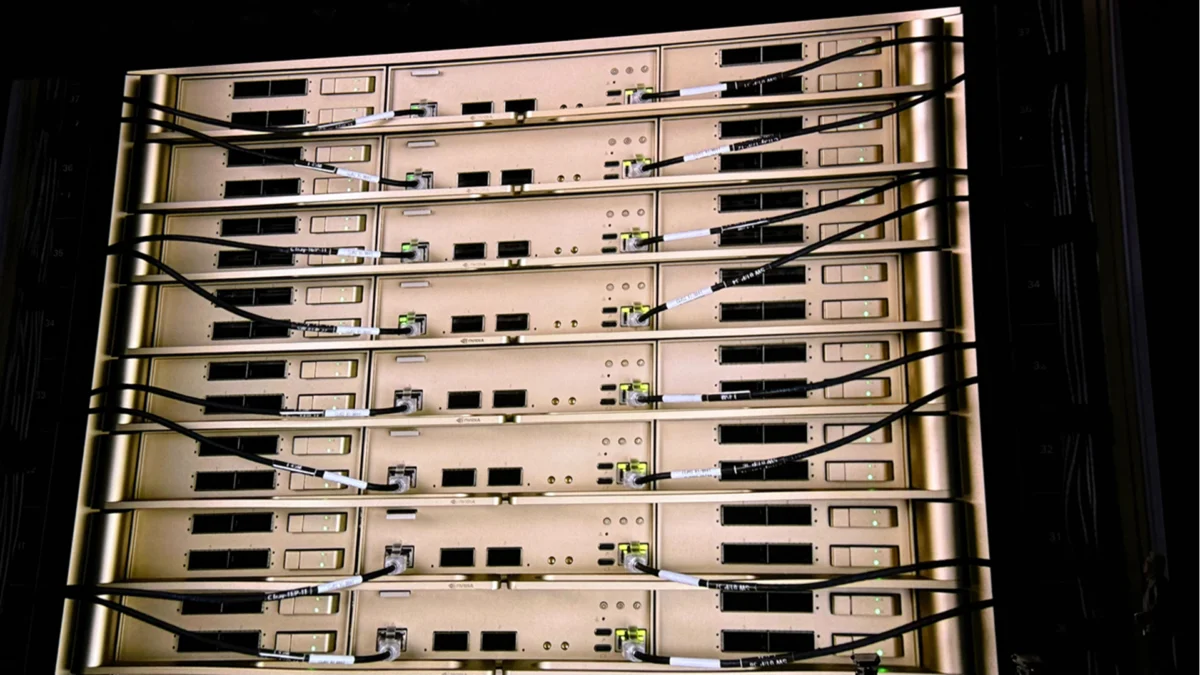
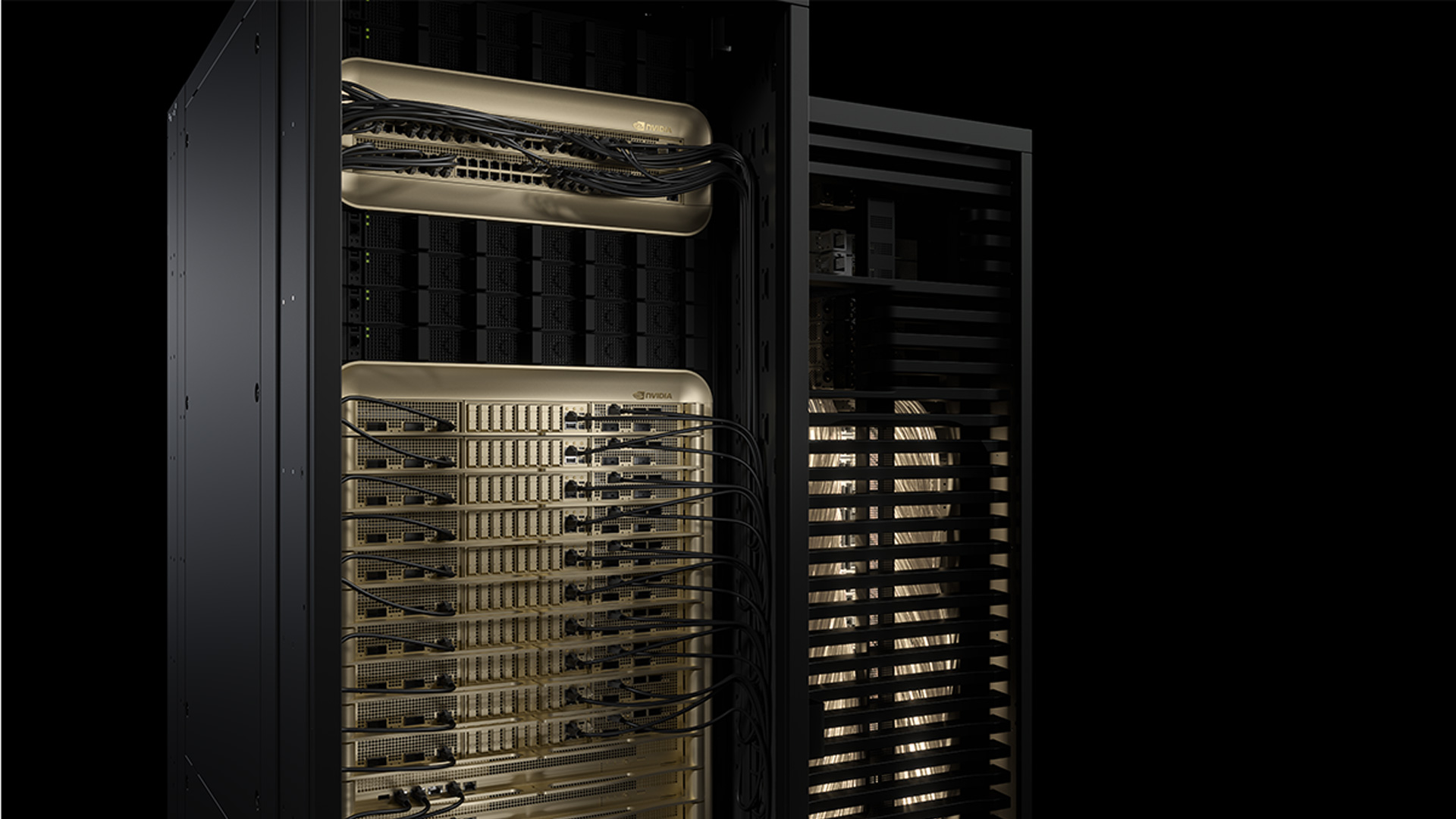
In a move that sends shockwaves through the global data center ecosystem, Nvidia has reportedly notified its largest enterprise customers of impending price hikes exceeding 15% for its most advanced AI server systems. As the artificial intelligence arms race intensifies, the cost of the hardware powering the next generation of large language models (LLMs) is ballooning, with the latest surge specifically targeting the upcoming Grace Blackwell and Vera Rubin product lines.
This price escalation is not merely a localized event but the latest manifestation of a profound supply-chain crisis—often dubbed "RAMageddon"—that has gripped the semiconductor industry for much of 2026. As tech giants like Microsoft, Google, and Oracle race to build out massive compute clusters, they are now facing a reality where the "cost of entry" to the AI frontier is becoming prohibitively expensive.
The Anatomy of the Price Hike
According to reports originating from industry insiders and corroborated by Bloomberg, the forthcoming price adjustments are tiered, depending heavily on the specific chip architecture and the memory configuration of the server units. These increases are expected to take effect for systems shipping early next year, impacting the rollout of the high-performance Grace Blackwell (GB300) superchips and the highly anticipated Vera Rubin GPU architectures.
For hyperscalers—the massive cloud providers that form the backbone of the internet—this is a significant financial blow. These organizations purchase server racks by the thousands, often spending billions of dollars annually on infrastructure. A 15% increase on a system that already costs several million dollars translates to an additional capital expenditure of hundreds of thousands of dollars per rack, potentially adding hundreds of millions of dollars to the total cost of ownership for massive data centers.
Chronology of a Crisis: How We Got Here
The current inflationary environment is the result of a "perfect storm" that began brewing in late 2025.
- Q4 2025: As AI demand hit an inflection point, major memory manufacturers—specifically SK hynix and Samsung—began aggressively reallocating production capacity from traditional commodity DRAM to High Bandwidth Memory (HBM). This move was intended to satisfy the insatiable hunger of AI accelerators.
- Q1 2026: The market saw a massive supply crunch in conventional DRAM. Analysts reported contract price surges of 90% to 95% in the first quarter alone.
- October 2025–Present: Suppliers confirmed that their 2026 production capacity was essentially sold out. Both Samsung and SK hynix raised HBM3E supply prices by approximately 20% before the start of the year to offset the immense cost of pivoting manufacturing nodes.
- August 2026: The crisis reached the consumer and enterprise retail markets. Nvidia, likely seeking to protect its own high gross margins (hovering around 75%), began passing these inflationary costs downstream, starting with a significant price hike for the GeForce RTX 50-series graphics cards and culminating in the current announcement regarding enterprise-grade server systems.
Supporting Data: The Memory Bottleneck
The core of this economic strain lies in the "memory loadout" required by modern AI architectures. Modern AI accelerators are not just processors; they are memory-hungry beasts.
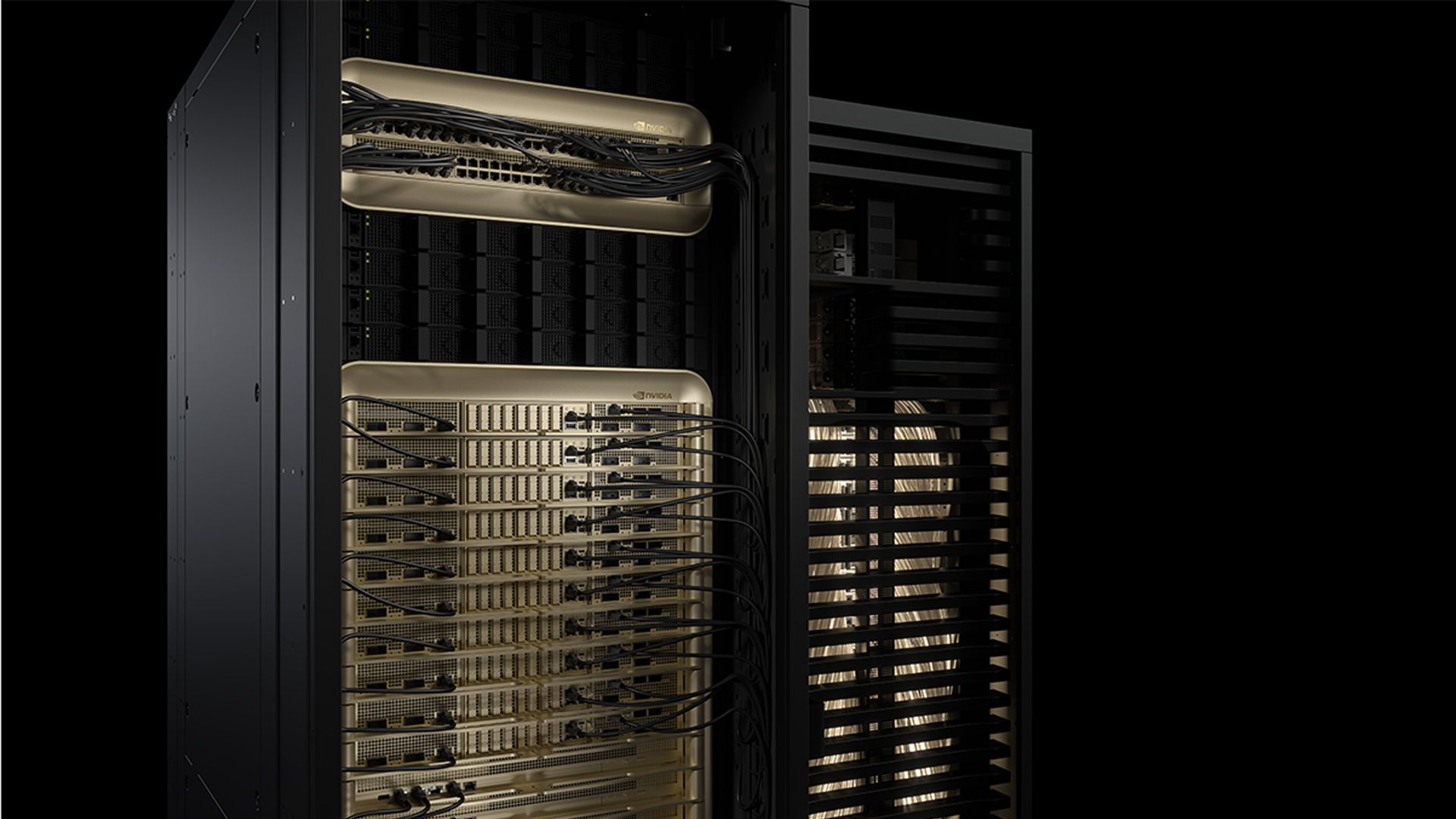
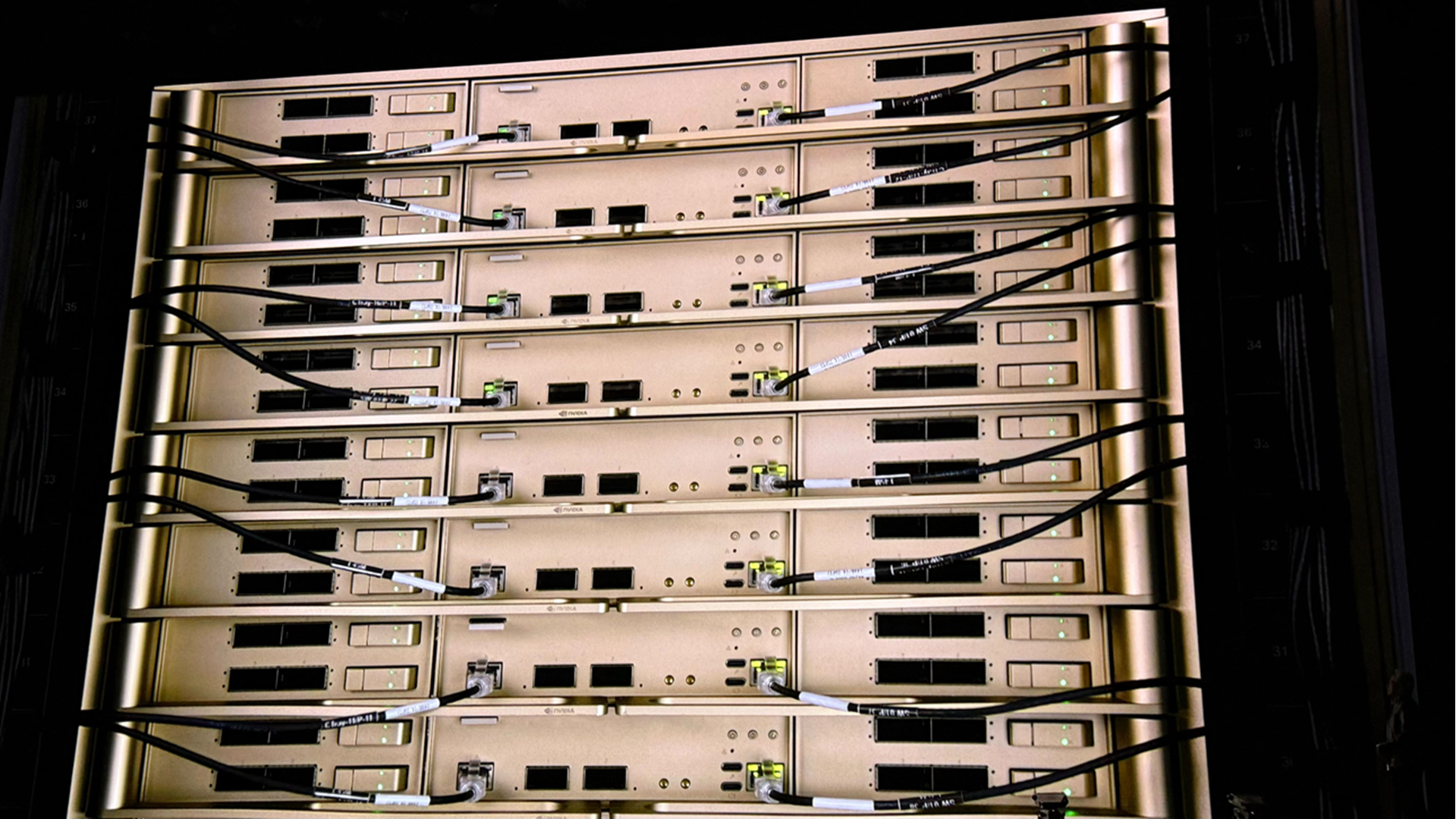
For instance, the upcoming Rubin GPU features up to 288GB of HBM4 memory per package. When one considers that a single NVL72 rack-scale system integrates 72 of these GPUs, the resulting architecture holds over 20TB of HBM in a single rack, excluding the additional LPDDR attached to the Vera CPUs.
The manufacturing reality is equally daunting: HBM production consumes roughly four times the wafer area of standard conventional DRAM. Because the semiconductor industry is operating near full capacity at TSMC—which handles the manufacturing for these chips—every square millimeter of wafer space is a precious commodity. By prioritizing the high-margin, high-complexity HBM required by Nvidia, memory makers have starved the commodity market. As a result, consumer-grade DDR5 memory kits have seen their prices double, with 32GB kits now retailing at nearly $400 compared to roughly $120 just one year ago.
Official Stance and Market Reaction
Nvidia has maintained a relatively tight-lipped approach regarding the specific pricing strategy, preferring to focus on the performance-per-watt and the "total compute value" its new architectures provide. However, the company’s non-GAAP gross margin of 75%—the envy of the tech world—suggests that it has the leverage to pass on these costs without absorbing the impact itself.
Industry analysts suggest that Nvidia is banking on the fact that demand for its GPUs remains inelastic. Because its accelerators are the industry standard for training models like GPT-5 or its equivalents, hyperscalers have little choice but to pay the premium.
TSMC, the primary foundry for Nvidia’s silicon, has also hinted at the necessity of price hikes. With wafer costs potentially rising by 10% as the foundry faces its own supply constraints and increased operational expenses, the cost-push inflation is being passed up the entire value chain, eventually landing at the feet of the companies providing AI services.
The Implications: A Strategic Pivot?
The looming question is whether these persistent, double-digit price hikes will fundamentally change the competitive landscape of the AI industry. There are three potential paths forward:
1. A Shift Toward Competitors
Hyperscalers are not sitting idle. Companies like Google (with its TPUs), Amazon (with Trainium), and Microsoft (with Maia) have been investing heavily in custom silicon to reduce their reliance on Nvidia. If Nvidia’s pricing becomes too aggressive, it may provide the economic justification these firms need to accelerate the adoption of their in-house solutions, even if those solutions are currently less performant than the Blackwell or Rubin stacks.
2. The Rise of AMD
AMD remains the most viable alternative for high-end AI acceleration. While AMD also relies on the same three major memory suppliers for HBM, it may use its current position as the "value alternative" to gain market share among mid-sized cloud providers who are feeling the squeeze of the Nvidia price hikes most acutely.
3. Structural Market Cooling
There is a growing concern among economists that the "AI bubble" may face a correction if the cost of infrastructure begins to outpace the revenue generated by AI applications. If the hardware required to train a model costs 15% to 20% more, but the revenue from the resulting AI services grows at a slower rate, corporations may be forced to scale back their capital expenditure in 2027.
Conclusion: The New Normal
The report of a 15% price hike on Nvidia’s flagship systems serves as a stark reminder that the AI revolution is not immune to the laws of supply and demand. As long as HBM remains a scarce resource and demand for high-compute power continues to double annually, the cost of building the "brains" of the future will remain on an upward trajectory.
For now, the major players have little choice but to pay. However, as the industry moves into 2027, the focus will likely shift from pure performance to cost-efficiency, potentially giving rise to a new era of custom hardware and optimized architecture designed to break the reliance on the current high-priced, high-demand silicon cycle. Whether this leads to a more diverse hardware ecosystem or a further consolidation of power remains to be seen. What is certain is that the era of cheap, readily available AI compute has officially come to an end.