Dwi Wanna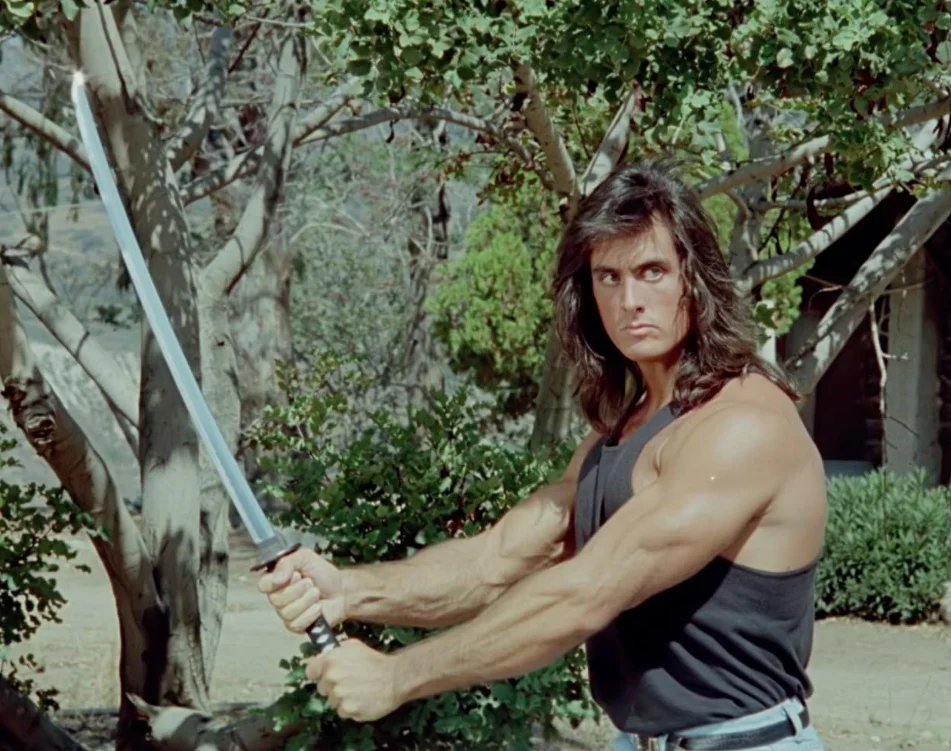
By Alfredo Federico Robelo | May 29, 2026
Film criticism has long been governed by the pursuit of quality: technical proficiency, narrative coherence, and emotional resonance. Yet, there exists a persistent, paradoxical corner of cinema that defies these metrics. These are the films that fail so spectacularly at their intended goals that they transcend their own incompetence, landing in a category commonly referred to as "so bad it’s good."

While taste is inherently subjective, these films occupy a unique space in pop culture. They are not secret masterpieces hidden in plain sight; rather, they are "objectively" flawed pieces of media that audiences celebrate precisely because of their cracks, blunders, and utter lack of logic.
The Psychology of the Cinematic Train Wreck
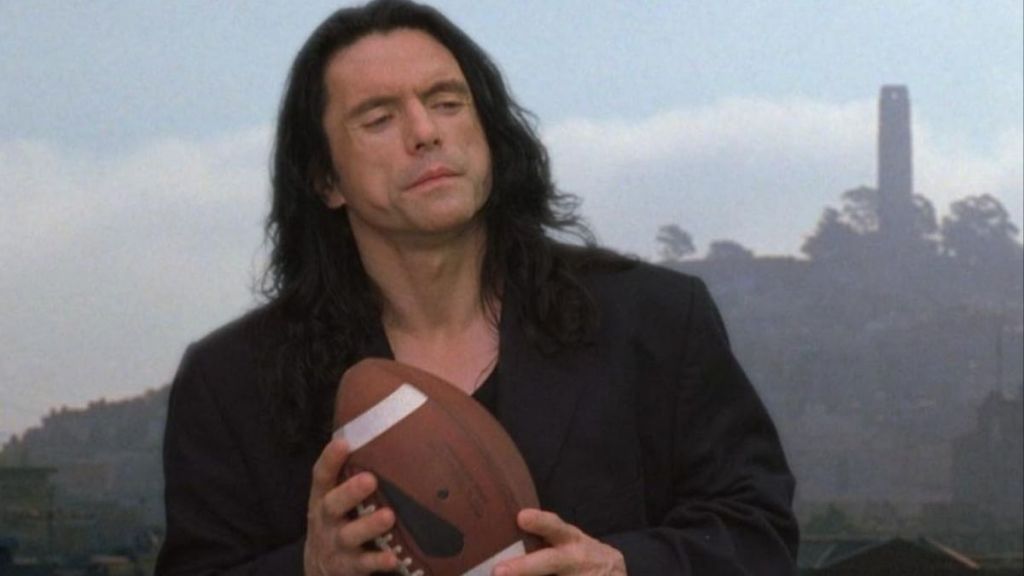
Why do audiences flock to films that the critical establishment deems irredeemable? The answer lies in the human appreciation for sincerity. In an era of polished, focus-grouped blockbusters, a film like Tommy Wiseau’s The Room feels profoundly authentic. It is the result of a singular, albeit confused, vision.

When a director fails to grasp the basic rules of filmmaking—continuity, dialogue, or physics—the audience is invited into a shared experience of disbelief. This communal laughter, often cultivated at midnight screenings or through viral internet clips, transforms the viewing experience from a passive consumption of art into an interactive, participatory sport.
A Chronology of Chaos: From Ed Wood to the Digital Age
The history of the "bad movie" is as long as cinema itself. To understand why we watch these films, we must look at the evolution of the genre.
The Pioneers: Ed Wood and the Mid-Century Aesthetic
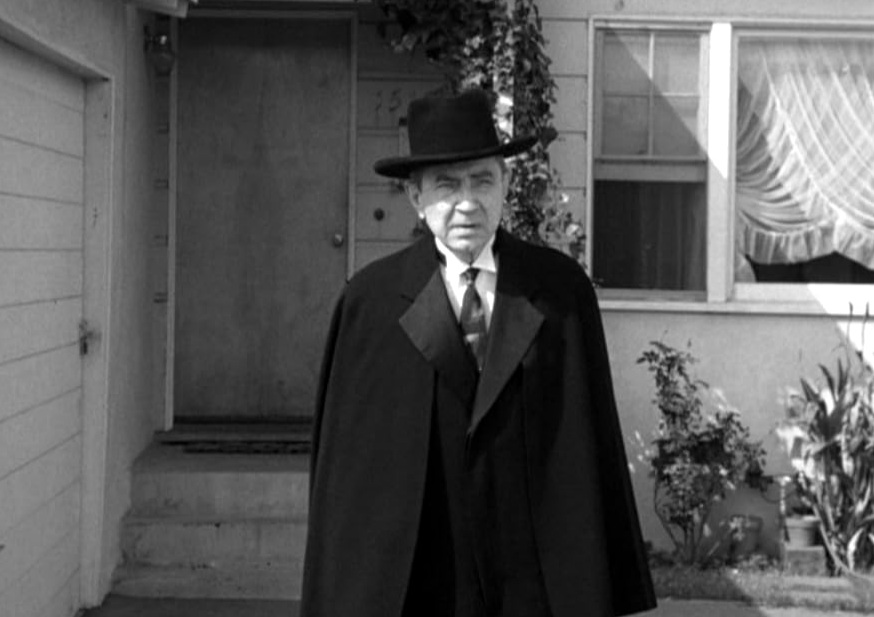
In the 1950s, Ed Wood’s Plan 9 from Outer Space set the gold standard for the "so bad it’s good" phenomenon. With its cardboard sets, visible wires, and stock footage that never matches the scene, Plan 9 showcased the limits of a shoestring budget. Yet, it is exactly this lack of resources that gives the film its enduring charm; it is a monument to pure, unadulterated passion.
The VHS/Midnight Movie Explosion
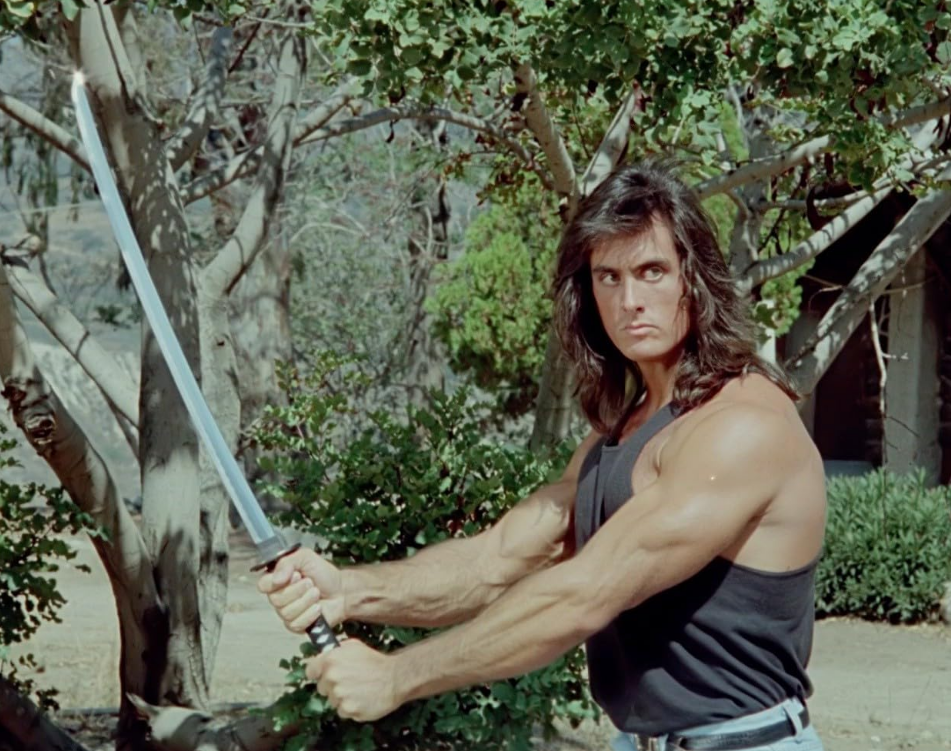
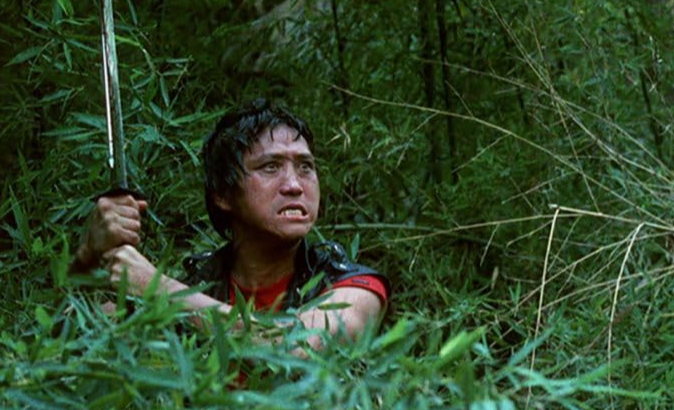
The 1980s and 90s brought us Troll 2 and Samurai Cop. These films benefited from the burgeoning home video market, which allowed low-budget, bizarre projects to find their way into living rooms across the globe. Troll 2—a film famously devoid of actual trolls—became a cult sensation for its wooden acting and surreal line deliveries, such as the now-iconic, "They’re eating her! And then they’re going to eat me! Oh my GOOOOOOD!"

The Digital Era: The Rise of Internet Infamy
With the advent of the internet, these films found a permanent home. Birdemic: Shock and Terror (2010) became an early viral sensation due to its laughably amateurish CGI birds. The digital age allowed these films to be deconstructed in real-time, with GIFs and memes cementing their place in the cultural lexicon.
Supporting Data: Why These Films Persist
According to fan-curated databases like IMDb and Letterboxd, the popularity of these "disasters" is not waning. In fact, many of these titles boast higher engagement rates among cult audiences than critically acclaimed dramas.
| Film | Primary "Flaw" | Cultural Impact Factor |
|---|---|---|
| The Room | Bizarre dialogue/acting | High (The "Citizen Kane" of bad movies) |
| Battlefield Earth | Tilted camera angles | Moderate (Memetic status) |
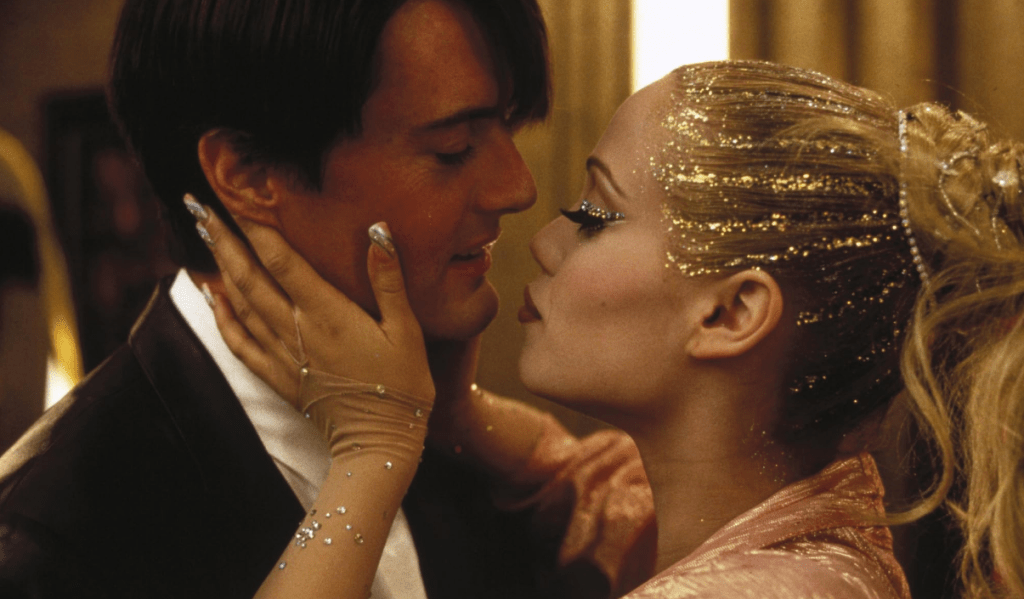
| Cats (2019) | Unsettling digital fur | High (Surreal/Horror curiosity) |
| Miami Connection | Absurdist plot collision | High (Musical cult following) |
The data suggests that the "badness" of these films acts as a hook. Unlike a mediocre film—which is simply boring—a "bad" film is usually overflowing with aggressive, misguided energy. It is this energy that keeps audiences returning.
Official Responses and Creator Intent
Interestingly, the reception from the creators of these films varies wildly.
Some, like Tommy Wiseau, have leaned into the cult status of their work, eventually embracing the "so bad it’s good" label as a badge of honor. Others, like the creators of Velocipastor, are fully aware of the trend. Velocipastor, which features a priest who transforms into a dinosaur to fight ninjas, is a self-aware entry in the genre. It represents a shift where modern filmmakers are intentionally creating "bad" content to cater to the cult audience, creating a feedback loop of intentional absurdity.
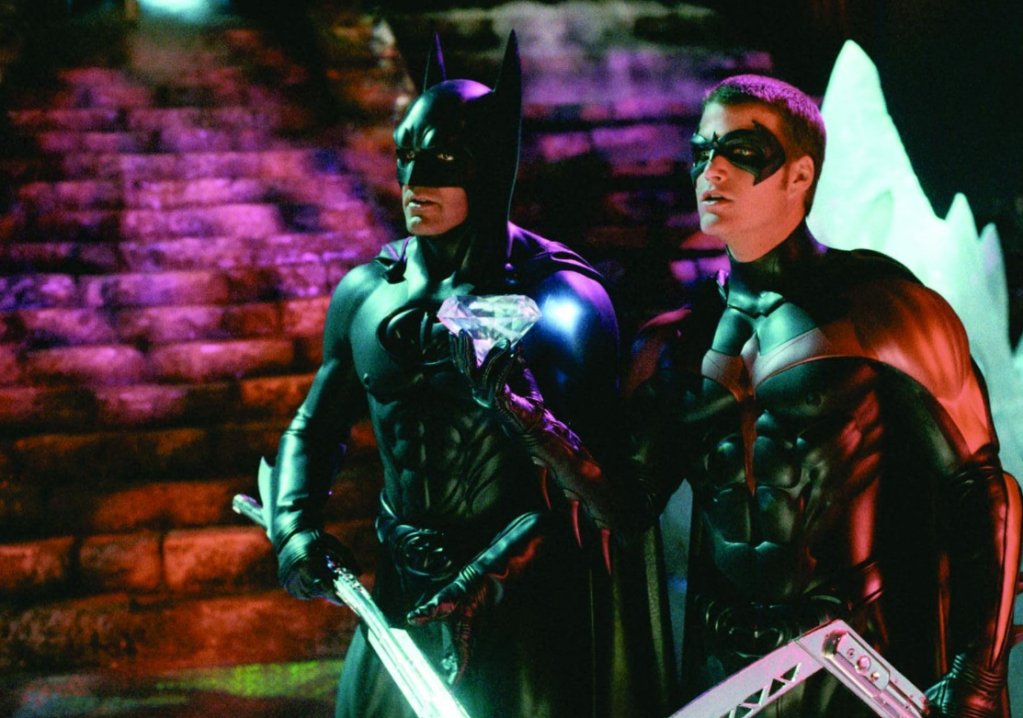
Conversely, films like The Happening or Batman & Robin represent the "failed blockbuster." These were not meant to be bad; they were massive studio projects that suffered from creative overreach. Their "so bad it’s good" status is an accidental byproduct of a studio trying too hard to be campy or experimental and missing the mark entirely.
Implications for Modern Cinema
The endurance of these films has significant implications for how we view the film industry.
The Democratization of Critique
The internet has effectively taken the power of film criticism away from the gatekeepers. When a film like Cats is released, the collective internet response—focusing on the "digital fur technology"—often shapes the public perception more than the reviews of the New York Times or Variety.
The Commercialization of "Bad"
As we see with Velocipastor, the "bad movie" aesthetic is becoming a genre in its own right. Production companies are beginning to realize that if they lean into the tropes of low-budget, high-concept chaos, they can guarantee a cult following, even if they fail to secure a traditional box office hit.
The Human Element
Ultimately, we watch these movies because they are human. They represent the failure of the machine. In a world of AI-generated content and highly sanitized blockbusters, seeing a human being—or a group of them—try and fail to make a film is a deeply relatable experience. It reminds us that art is difficult, that perfection is rare, and that sometimes, a disaster is much more interesting than a masterpiece.
Conclusion
Whether it is the neon-soaked excess of Batman & Robin, the bewildering editing of Neil Breen’s Fateful Findings, or the sheer, unhinged energy of Maximum Overdrive, these fifteen films prove that quality is not the only metric of success. By celebrating the bizarre, the inept, and the truly strange, we find a unique kind of cinematic joy. We don’t watch them because they are good; we watch them because they make us feel, laugh, and question exactly how, in the history of human endeavor, such things were allowed to be made. And perhaps, that is the most important lesson of all.


 Nana Wu
 Jia Lissa