Dwi Wanna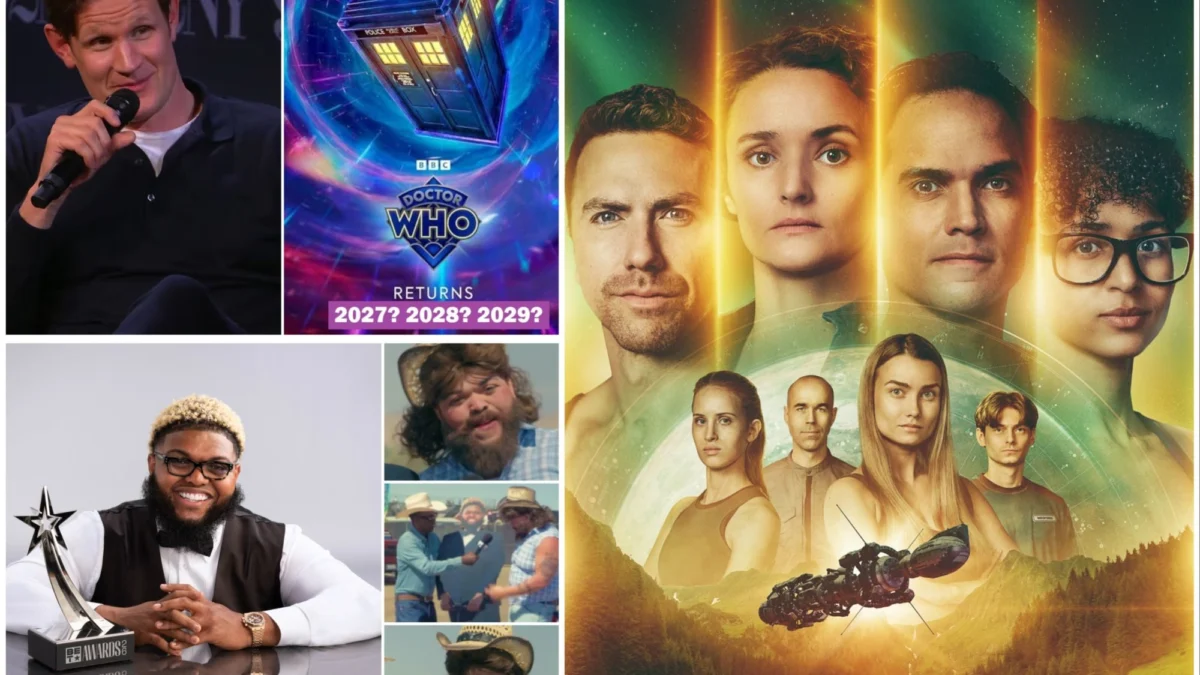
The television landscape is in a state of constant, rapid evolution. As streaming platforms, cable networks, and social media cross-pollinate to create a new form of entertainment consumption, keeping track of the industry’s pulse requires a keen eye. On Friday, June 19th, 2026, the industry saw a flurry of activity ranging from high-profile awards season marketing to the return of beloved genre staples.
This edition of the BCTV Daily Dispatch serves as a critical checkpoint for the latest developments in scripted series, reality competition, and cultural crossovers. From the high-stakes production of American Horror Story to the intersection of professional sports and prestige drama, the following report breaks down the most significant news items impacting the medium today.
Main Facts: A Diverse Slate of Industry Updates
The primary headlines from this week illustrate the industry’s focus on legacy franchise expansion and bold, personality-driven marketing. The most notable updates include:
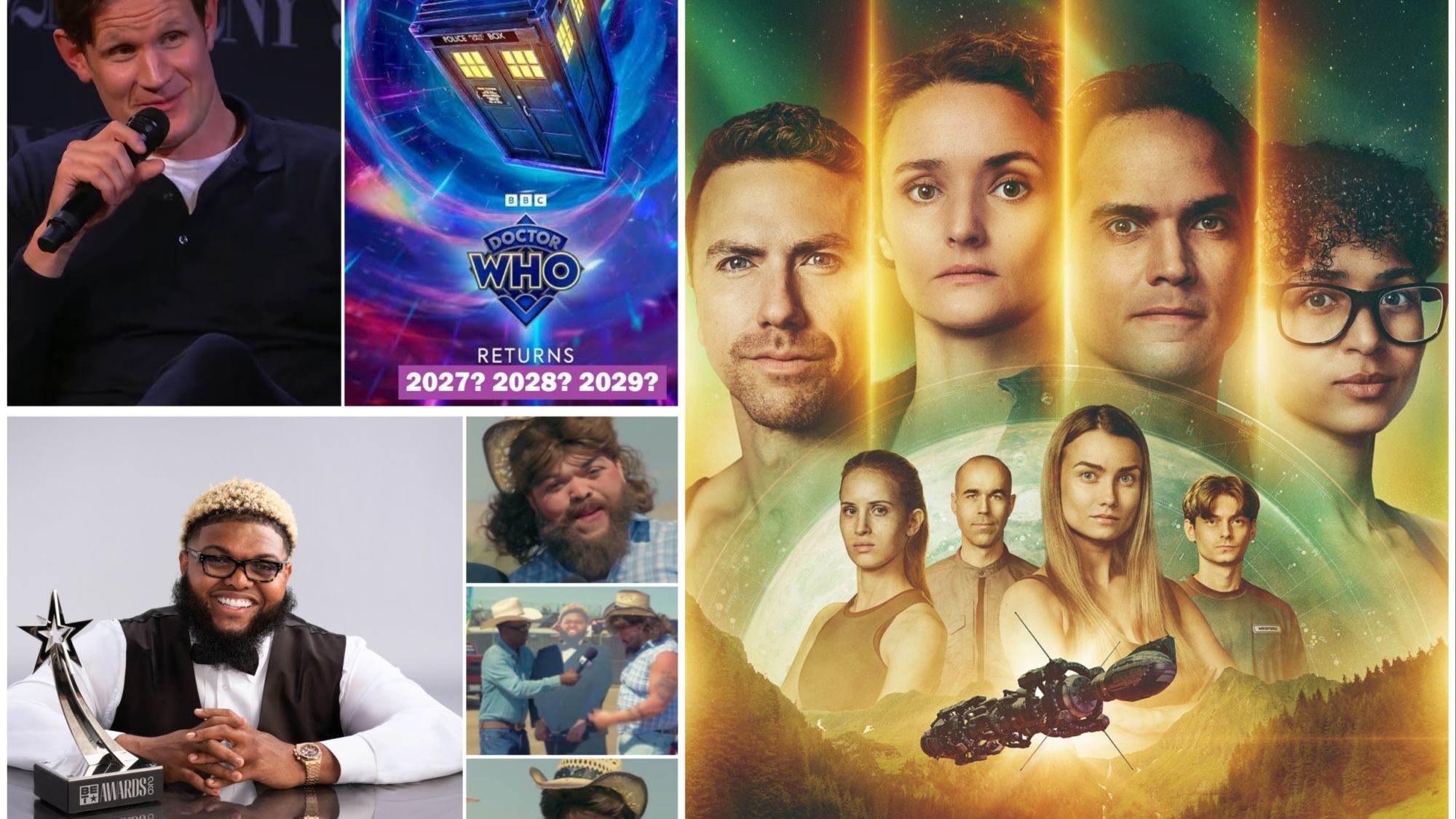
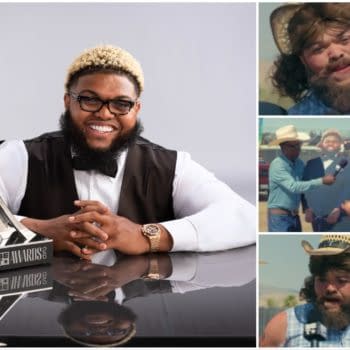
- Awards Season Hype: Comedian Druski and industry icon Chris Rock have sparked significant online chatter with their latest promotional material for the 2026 BET Awards.
- Genre Television Returns: Fans of science fiction and horror received significant updates, with The Ark Season 3 releasing an official trailer and American Horror Story star Kathy Bates providing a rare, candid look into the production of the show’s 13th season.
- Pop Culture Crossovers: The New York Knicks’ recent championship success led to a viral moment involving the cast of Law & Order: SVU, specifically Mariska Hargitay, highlighting how live event marketing continues to dominate social media discourse.
- Franchise Sustainability: The conversation surrounding Doctor Who remains heated, with veteran actors and new production team members weighing in on the show’s future and the necessity of fan engagement.
Chronology of Key Industry Developments
To understand the flow of information over the last 24 hours, one must look at how these announcements hit the public consciousness:
Early Morning: The Genre Shift
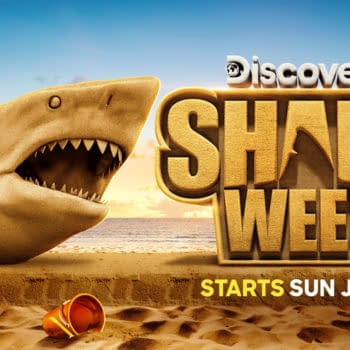
The day began with the announcement of the Shark Week 2026 schedule, which made waves by pivoting toward a K-Pop-infused aesthetic featuring Ken Jeong and REI AMI. This strategic pivot highlights the Discovery network’s intent to reach younger, more diverse demographics by blending nature programming with high-energy musical spectacle.
Mid-Day: The Marketing Blitz
By midday, the focus shifted to late-night and awards show promotion. The collaborative promo between Druski and Chris Rock for the BET Awards began to dominate the social media cycle, drawing polarized reactions that guarantee high viewership for the event. Simultaneously, AMC’s The Walking Dead: Dead City dropped its Season 3 promotional poster, leaning heavily into a grit-heavy, urban aesthetic that reinforces the franchise’s post-apocalyptic identity.
Afternoon: Production Insights
The late afternoon saw a wave of behind-the-scenes reporting. Kathy Bates’ commentary on the set of American Horror Story Season 13 offered a humanizing look at the long-running anthology series. Her remarks regarding the collaborative environment with Jessica Lange provided insight into why the series has maintained its cultural relevance for over a decade.
Evening: The Crossover Phenomenon
The evening was dominated by the intersection of reality and fiction. The visual of Mariska Hargitay on the Knicks’ championship float confirmed that the "crossover" concept isn’t just limited to the writers’ room—it has become a staple of real-world brand visibility.

Supporting Data: Franchise Longevity and Engagement
The data coming out of the past 24 hours suggests that established intellectual property (IP) remains the most valuable asset in the current streaming-heavy market.
- The Power of the Anthology: American Horror Story is currently filming its 13th season. Very few scripted series reach this milestone. The continued involvement of legacy talent like Kathy Bates and Jessica Lange serves as a anchor for the audience, proving that star power remains the primary driver of retention for long-running series.
- The "Event" Model: Doctor Who and The Walking Dead spin-offs continue to thrive not just through linear ratings, but through a constant stream of "mini-trailers," "teasers," and "character profiles." The X-Men ’97 profile teasers are a perfect example of this, where the production team releases bite-sized character content to keep the fan base engaged during the long waits between seasons.
- Music as Marketing: The use of music, such as The Vampire Lestat releasing "Long Face" and the "Toledo" playlist, indicates that networks are treating shows as multimedia brands rather than static episodes.
Official Responses and Creative Commentary
One of the most critical elements of today’s discourse was the dialogue between industry veterans and current production teams.
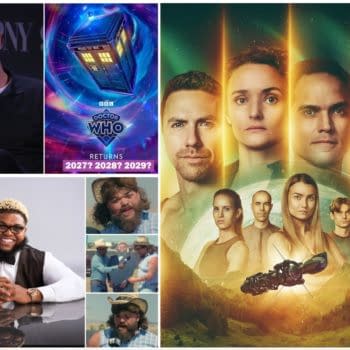
Regarding Doctor Who, Jo Martin’s recent comments about the importance of the production team "talking to the fans more" suggest a growing tension between legacy creators and new leadership. This is a recurring theme in modern television: how do you modernize a show while keeping the core fan base feeling heard?
Similarly, Felicia Day’s reflections on her work with The Guild and the evolution of autonomy in digital series highlight a shift toward creator-led projects. As traditional networks look for the next "big hit," many are turning to creators who have already built their own audiences online. This "autonomy" is becoming the gold standard for showrunners who want to avoid the creative interference that has historically plagued broadcast television.
Implications for the Future of TV
The trends identified in this report point to three major implications for the remainder of 2026:
- The Death of the "Off-Season": With the constant stream of teasers, posters, and cast interviews, there is no longer an "off-season" for popular television. Shows are now in a perpetual state of marketing, ensuring they remain part of the daily conversation even when episodes aren’t airing.
- Hyper-Niche Target Marketing: The Shark Week 2026 K-Pop pivot is a clear indicator that networks are no longer relying on broad, one-size-fits-all programming. They are now layering disparate cultural interests to capture specific audience segments.
- The Rise of the "Living" Brand: Shows like The Walking Dead: Dead City and House of the Dragon are no longer just television programs; they are expansive universes. The focus is shifting toward world-building that survives the conclusion of a single season, with promotional material—like the street-art-themed poster for Dead City—designed to look like artifacts from within the show’s own world.
Conclusion
As we move toward the final quarter of 2026, the television industry is showing incredible resilience. The BCTV Daily Dispatch confirms that while the method of delivery is changing, the hunger for high-quality storytelling and larger-than-life characters is higher than ever.
Whether it is the gritty streets of Dead City, the high-concept sci-fi of The Ark, or the chaotic, hilarious reality of the BET Awards, the industry is successfully navigating the transition into a new, more fragmented, yet deeply connected era. For the viewer, this means an embarrassment of riches—provided they know where to look. As always, the best way to keep up with this shifting landscape is to stay informed, engaged, and ready for the next big drop.
Stay tuned to the BCTV Daily Dispatch for further updates, as we continue to track the stories that define the medium.

 Sagoh
Sagoh
 Ammar Sabilarrohman