

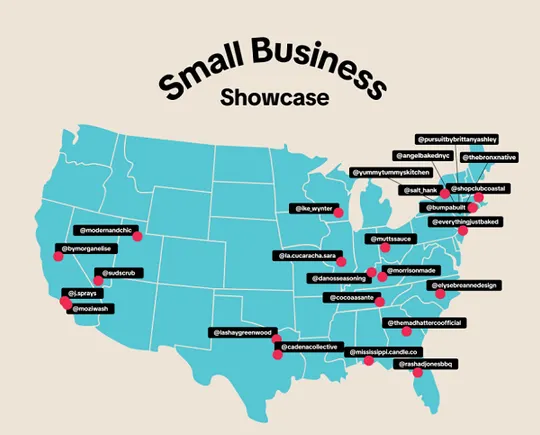
In the rapidly shifting landscape of digital marketing, few platforms have altered the trajectory of small and medium-sized businesses (SMBs) as profoundly as TikTok. Recently, during a Small Business Month showcase event in New York City, the platform unveiled a comprehensive suite of data and insights confirming what many entrepreneurs have suspected for years: TikTok Shop has evolved from a social entertainment app into a critical engine for brand discovery, customer loyalty, and long-term revenue growth.
As the platform deepens its integration of artificial intelligence-powered advertising tools, it is effectively democratizing the retail sector. By providing boutique brands and local businesses with the same reach once reserved for multinational corporations, TikTok is fostering a new generation of commerce that prioritizes authenticity, community engagement, and rapid discovery.
The Core Data: TikTok’s Impact on the SMB Economy
The findings presented by TikTok, supported by research from GlobalData, paint a compelling picture of a marketplace in flux. The data reveals that the "discovery engine" of TikTok is arguably its most valuable asset for emerging brands.
Key Performance Metrics
- The Discovery Factor: Two-thirds of U.S.-based TikTok Shop users report discovering a brand on the platform that they were previously unaware of. This confirms that the algorithm’s ability to pair products with hyper-specific interests is functioning as a discovery engine rather than just a social feed.
- The Small Business Sweet Spot: While companies of all sizes utilize the platform, those with annual revenues under $15 million are seeing the most significant ROI. These businesses are using the platform to leapfrog traditional gatekeepers and reach niche audiences directly.
- Surging Search Intent: Perhaps the most telling metric is the shift in user behavior. In the first quarter of 2026 alone, searches for the term "small business" on the app skyrocketed by 479%. This indicates that users are not just passively consuming content; they are actively seeking out independent brands to support.
- Tangible Growth: The economic impact is not merely anecdotal. According to the research, 89% of SMBs reported a measurable increase in sales directly attributable to their promotional efforts on TikTok.
Chronology: From Viral Trends to Sustained Commerce
To understand how TikTok reached this inflection point, one must look at the evolution of the platform’s relationship with commerce.
Phase 1: The Organic Explosion (2020–2022)
During the pandemic, TikTok served as a digital town square. Small business owners, forced to shutter brick-and-mortar locations, pivoted to filming "behind-the-scenes" content. This era was defined by raw, unpolished videos showing the process of packing orders or sourcing materials. Users didn’t just buy the product; they bought into the story of the entrepreneur.
Phase 2: The Integration of Commerce (2023)
TikTok began rolling out its native shop features, allowing users to purchase products without ever leaving the application. This reduced friction—the "click-to-buy" barrier—was the first step in converting the platform’s high engagement rates into direct sales.
Phase 3: The AI-Powered Scale (2024–Present)
The current era is defined by sophisticated ad-targeting tools. By leveraging machine learning, TikTok now helps small businesses identify the exact pockets of interest where their product would resonate. This has moved the platform away from "luck-based" viral moments toward a predictable, scalable business model.
Supporting Data: Why Authenticity Drives Revenue
One of the most profound shifts in the modern retail environment is the decline of polished, celebrity-led advertising and the rise of "creator-driven" marketing. TikTok’s recent data underscores this cultural shift:
- Deepened Brand Connections: 73% of users report feeling a stronger, more personal connection to brands they interact with on the platform. This suggests that TikTok functions as a relationship-building tool rather than a cold-call advertising channel.
- Trend-Driven Discovery: 81% of users admit that the platform helps them discover topics and trends they did not previously know they were interested in. This is the "serendipity effect," where the algorithm introduces products that fit the user’s identity before the user even realizes they have a need.
- The Compounding Effect: Engagement on TikTok does not end when the video stops. 45% of users continue to search for the brand or product on the platform after an initial encounter. This creates a "window of engagement" that allows for multiple touchpoints, significantly increasing the likelihood of a conversion.
Official Perspectives: The Vision for the Future
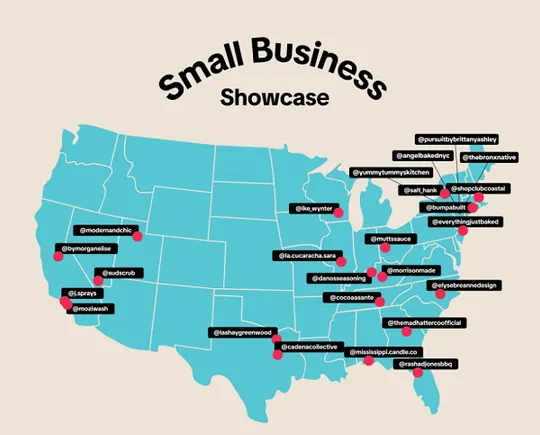
During the New York showcase, TikTok representatives emphasized that the goal is not just to sell products, but to provide a digital ecosystem where passion projects can evolve into sustainable careers.
"TikTok Shop merchants represent a new generation of business owners," the company noted in a statement. "They are utilizing creativity, authenticity, and community-driven storytelling to grow their brands. When brands show up to advertise and genuinely engage, they become part of the cultural conversation that drives purchase decisions."
By positioning themselves as part of the cultural zeitgeist rather than just a store, these businesses are fostering a level of brand loyalty that traditional retailers often struggle to replicate. The platform’s message to SMB owners is clear: if you are willing to participate in the conversation—to show the reality behind the brand—the platform will provide the audience.
The Implications for Global E-Commerce
The implications of these findings extend far beyond the United States. TikTok’s model of "community-first commerce" is forcing a total rethink of how traditional retail operates.
1. The Death of the "Corporate Mask"
Consumers are increasingly skeptical of high-production, faceless advertising. The success of SMBs on TikTok proves that transparency is a competitive advantage. Large companies are now scrambling to mimic the "authentic" aesthetic of smaller, creator-led brands, often with varying degrees of success.
2. AI as the Great Equalizer
In the past, high-end analytics and targeted advertising were expensive, accessible only to companies with massive marketing budgets. With TikTok’s evolving AI-powered tools, the playing field is being leveled. A sole proprietor in a home office now has access to the same targeting capabilities as a multi-million-dollar retail chain.
3. The Shift in Consumer Search Behavior
The fact that searches for "small business" have increased by 479% indicates a structural change in search behavior. For many Gen Z and Millennial consumers, TikTok is replacing Google as the primary search engine for product discovery. This shift is a warning shot to traditional search platforms: the future of commerce is visual, social, and immediate.
4. Career Empowerment
Perhaps the most significant, if less discussed, implication is the shift in how people view their professional lives. By lowering the barrier to entry, TikTok is turning "passion projects" into full-time careers. The "side hustle" is becoming the "primary hustle," with the platform providing the infrastructure to manage logistics, marketing, and customer service all in one place.
Conclusion: A New Era for the Independent Entrepreneur
The data presented at the Small Business Month showcase confirms a paradigm shift: TikTok has successfully integrated the "fun" of social media with the "utility" of e-commerce. For small businesses, this is not merely an opportunity to sell more products; it is an opportunity to build a brand in a space where authenticity is the currency.
As the platform continues to refine its tools, the competition for attention will undoubtedly grow stiffer. However, the core principle remains unchanged: businesses that engage deeply, tell compelling stories, and lean into the platform’s community-driven nature will find themselves with a sustainable, loyal customer base.
The retail landscape is no longer controlled solely by the giants of the industry. Through the lens of TikTok, the smallest voices are now being heard by millions, effectively proving that in the digital age, a story well-told is the most powerful marketing tool of all. As we look toward the remainder of 2026 and beyond, it is clear that the platform will remain a focal point for economic innovation, continuing to bridge the gap between human connection and digital consumption.











No comments yet. Be the first to join the conversation!