

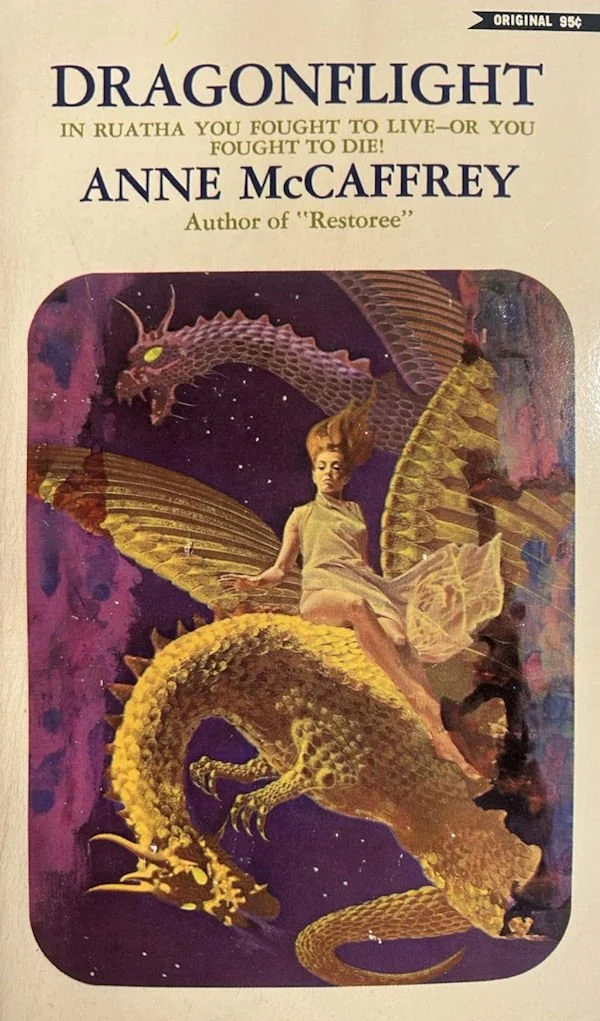
For decades, the novella occupied a "no man’s land" in the publishing industry—too substantial for the brevity of magazine submissions, yet too lean for the profit-driven mandates of traditional publishing houses. However, a seismic shift is underway. Driven by the agility of independent authors and the birth of grassroots initiatives like the Speculative Fiction Indie Novella Championship (SFINCS), the novella is experiencing a powerful renaissance.
As the digital age continues to fragment our attention spans, the "middle-child" of literature is finally finding its rightful place in the spotlight, offering readers a potent, high-impact alternative to the sprawling 200,000-word epics that have long dominated the fantasy shelves.
The Genesis of SFINCS: A Grassroots Movement
The SFINCS competition—pronounced "sphinx"—was born in 2023 from a digital exchange among authors and reviewers on X (formerly Twitter). The core grievance was simple: while the Self-Published Fantasy Blog-Off (SPFBO) had successfully provided a platform for indie novels, there was a glaring void for shorter works.
The community did not wait for traditional gatekeepers to acknowledge this gap. Moving rapidly from online discussion to collective action, the organizers established SFINCS to provide a dedicated stage for indie novellas. For many, including long-time indie veterans, this transition from contestant to judge has been eye-opening. Over its three-year existence, the competition has processed more than 300 entries, serving as a critical barometer for the health and diversity of the independent speculative fiction scene.

The "Middle-Child" Problem: A Chronology of Literary Status
To understand the significance of this revival, one must look at the historical trajectory of the novella. Since the inception of the Hugo Award for Best Novella in 1968, the format has been recognized as a legitimate literary achievement, yet it remained commercially orphaned.
- Pre-2000s: The "Short Story First" Era. Aspiring authors were routinely advised by agents and editors to hone their craft through short fiction before "graduating" to novels. Novellas were viewed as niche products suitable only for established writers with loyal fanbases.
- 2008–2015: The Digital Catalyst. The rise of epublishing and the growth of platforms like Tor.com began to dismantle the physical limitations of the bookstore. By 2015, Tor.com’s dedicated publishing imprint began proving that novellas could be profitable, sustainable, and highly acclaimed.
- 2023–Present: The Indie Boom. With the maturation of self-publishing tools, indie authors began leveraging novellas not just as side projects, but as core elements of their brand. From newsletter exclusives to integral series installments, the novella has become a strategic, artistic, and commercial asset.
Defining the Novella: The Politics of Word Count
While critics often argue over the precise boundary between a "long short story" and a "short novel," word count remains the only objective metric in an industry defined by subjective perception. Industry standards generally place the novella between 17,500 and 40,000 words.
However, these rigid metrics often fail to capture the reality of modern consumption. In an era where physical production costs are soaring and e-readers are ubiquitous, the "length" of a book is increasingly fluid. A 40,000-word manuscript can be presented as a lean, punchy novel or a dense, thoughtful novella depending on its thematic scope.
The SFINCS judging experience has highlighted that modern readers are less concerned with technical word counts and more focused on the "satisfaction-to-time" ratio. Most competition entries reviewed on tablets spanned between 90 and 200 pages, a length that fits perfectly into the modern, fast-paced lifestyle of the average reader.
Supporting Data: Why Indie Authors Are Embracing the Short Form
The surge in novella production is not accidental; it is a calculated response to the constraints and opportunities of the indie ecosystem. Several factors drive this trend:
- Narrative Flexibility: Novellas are the perfect vessel for "side quests" or character-driven backstories that would bloat a main series entry. Authors are increasingly using the format to expand their worldbuilding without requiring the reader to commit to a 500-page commitment.
- Creative Freedom: Unlike traditional publishers, who may reject a "weird" or experimental length, indie authors face no such hurdles. The novella allows for genre-bending, niche storytelling, and experimental structures that would otherwise be deemed "unmarketable."
- The "Bonus" Strategy: Many authors utilize novellas as a primary vehicle for audience retention, offering them as subscriber rewards or bridge content between major releases.
This environment has allowed for a proliferation of diverse voices. By removing the barrier of the "traditional gatekeeper," the indie community has created a space where a noir gaslamp fantasy—such as this year’s SFINCS winner, Parasitic Omens by Jessica A. McMinn—can find its audience without needing to conform to the commercial expectations of a 100,000-word blockbuster.
Official Perspectives: The Value of the Compact Narrative
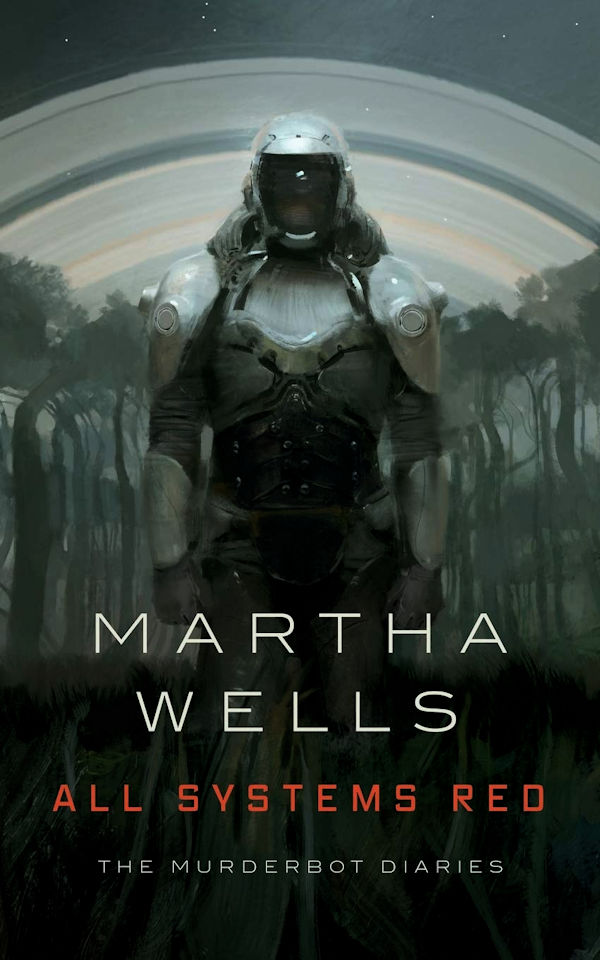
Industry professionals and reviewers alike are noting a shift in consumer behavior. The success of series like Martha Wells’ The Murderbot Diaries, Seanan McGuire’s Wayward Children, and Nghi Vo’s The Singing Hills Cycle proves that the modern reader does not require excessive length to find depth.
According to veteran observers of the SFINCS process, the most successful novellas share a common trait: they respect the reader’s time while providing a complete, resonant emotional arc. In an age of digital distraction, the ability to deliver a self-contained, high-quality narrative in a single sitting has become a distinct competitive advantage.
Implications: The Future of the Book Market
The normalization of the novella as an integral part of the publishing landscape has several profound implications for the future of speculative fiction:
- Democratization of Storytelling: As indie authors continue to prove that "shorter is better" for many narratives, the stigma against the novella will continue to erode. This creates a wider aperture for new writers to enter the market.
- Sustainability: Lower production costs for shorter physical books allow small presses and independent authors to take risks on unconventional content. This keeps the market dynamic and prevents it from becoming stagnant or formulaic.
- A Shift in Reading Habits: The rise of the novella reflects a broader cultural desire for "micro-content." Readers are increasingly curating their TBR (To-Be-Read) lists to include a mix of epic novels and "palate-cleansing" novellas, suggesting a move toward a more balanced literary diet.
Conclusion: An Invitation to the Short Form
As we move further into 2026, the data is clear: the novella is no longer an "extra." It is a vital, thriving, and essential component of the speculative fiction world. For the reader, it offers a reprieve from the exhaustion of long-form series fatigue. For the author, it offers a playground for innovation.
Whether you are looking to catch up on your reading goals or simply seeking a story that can be savored in a single afternoon, the world of indie novellas is richer than ever before. With resources like the SFINCS roster serving as a guide, there has never been a better time to dive into the shorter side of the library.
What is your take? Are you a fan of the quick, punchy narrative, or do you prefer the sprawling immersion of a long-form novel? The evolution of the book is being written in real-time, and your reading choices are the ink. Join the conversation in the comments below and share the novellas that have left a lasting mark on your imagination.










No comments yet. Be the first to join the conversation!