

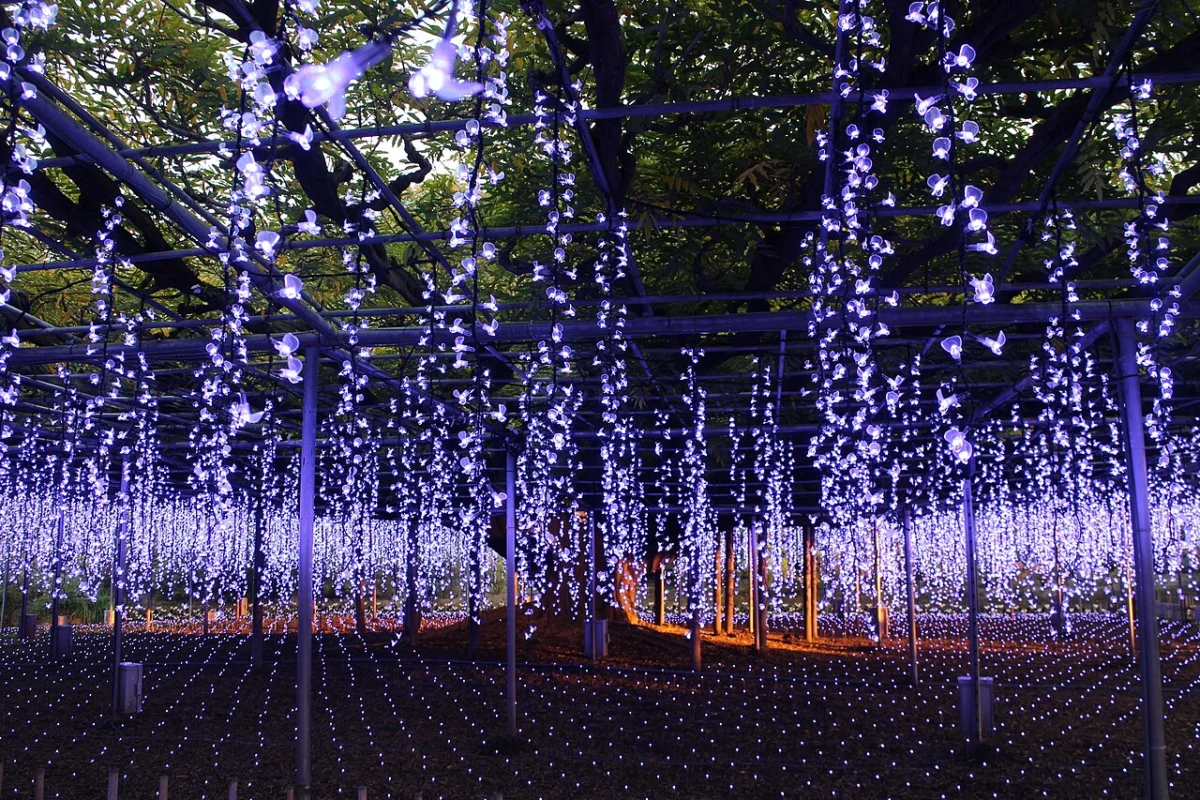
In the heart of Tochigi Prefecture, far removed from the neon-lit frenzy of Tokyo and the crowded temple paths of Kyoto, lies a secret known only to the residents of Ashikaga. It is the Sakasagawa—a stream whose name, literally translating to "backward-flowing river," hints at a geographical defiance that is as charming as it is understated. While tourists flock to the city’s famed Banna-ji temple or the ethereal wisteria of the Ashikaga Flower Park, the Sakasagawa remains a quiet, humble artery of suburban life. It is not a site for grand spectacles, and that, arguably, is its greatest strength.
Quick Facts: The Sakasagawa at a Glance
- Location: Southern Tochigi Prefecture, Ashikaga City.
- Total Length: Approximately 4 kilometers.
- Defining Feature: Flows north, against the prevailing southward trajectory of the regional Watarase River system.
- Terrain: Flat, unpaved-to-semi-paved levee walking paths.
- Primary Seasonality: Peak cherry blossom viewing in early April; fireflies in mid-June.
- Access: A 15–20 minute walk from JR Ashikaga Station.
- Difficulty: Beginner/Casual; no special gear required.
Chronology of a Neighborhood Treasure
The Sakasagawa has long served as an informal lifeline for the local community, though its history is not recorded in textbooks of national significance. It exists within the collective memory of the Ashikaga people.
The 1960s: A Vision of Green
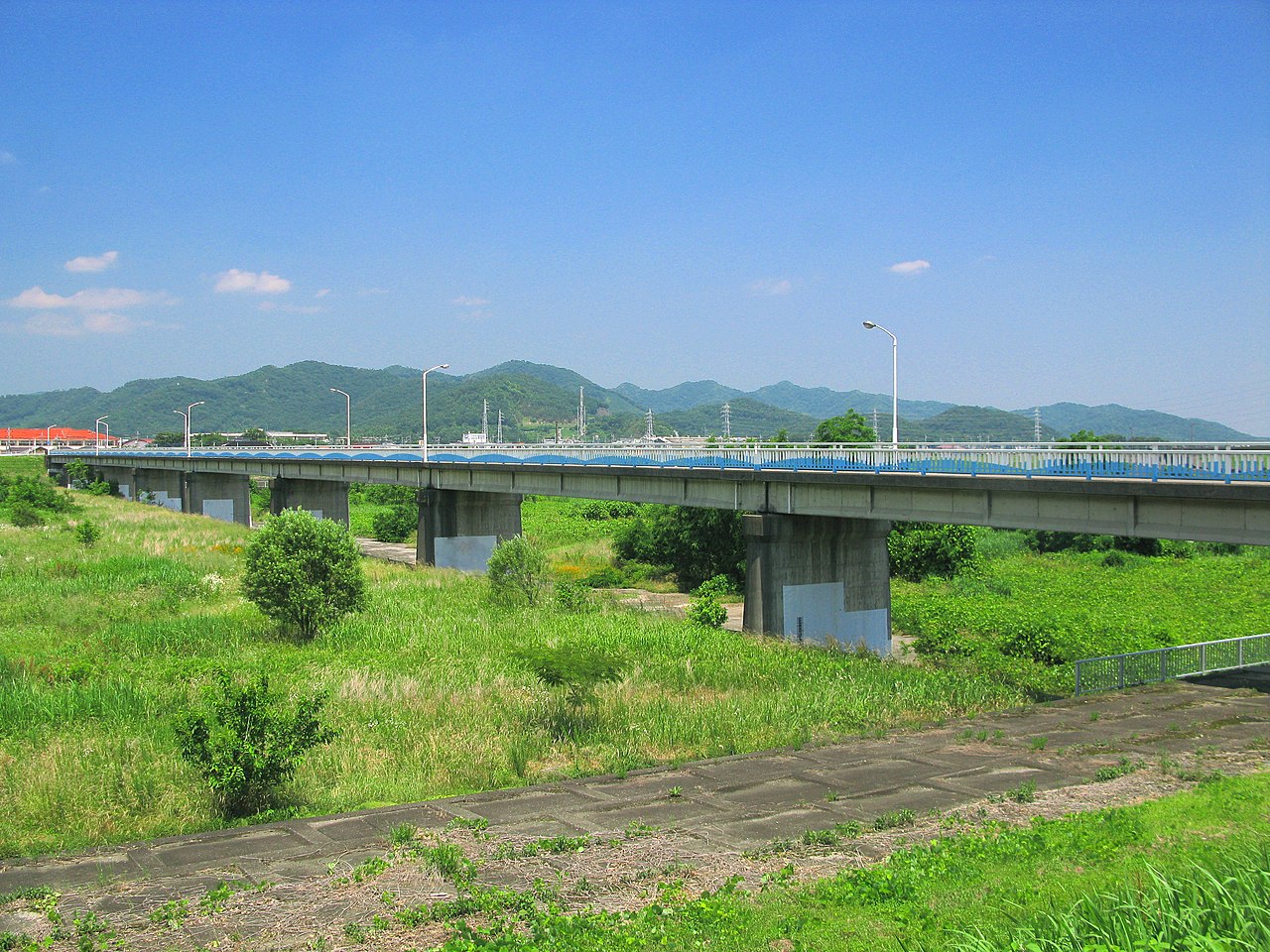
The path as we know it today took its current form during the 1960s. As part of a municipal beautification and flood-control initiative, the city reinforced the levee walls and planted approximately 200 somei-yoshino cherry trees along the central section. These trees, once saplings, have since matured into a formidable, natural tunnel that serves as the city’s quietest—and most beautiful—spring corridor.
The Modern Era: Integration into the "Flower Walking Course"
In recent years, the Ashikaga municipal tourism board recognized the potential of these overlooked corridors. By connecting the Sakasagawa path with other small temples, parks, and riverside landmarks, they developed the "Hana no Walking Course" (Flower Walking Course). This 10-kilometer network was designed not for mass tourism, but to encourage local wellness and to provide an alternative, slow-travel narrative for visitors looking to experience the authentic cadence of a Japanese provincial city.
Supporting Data: Understanding the Landscape
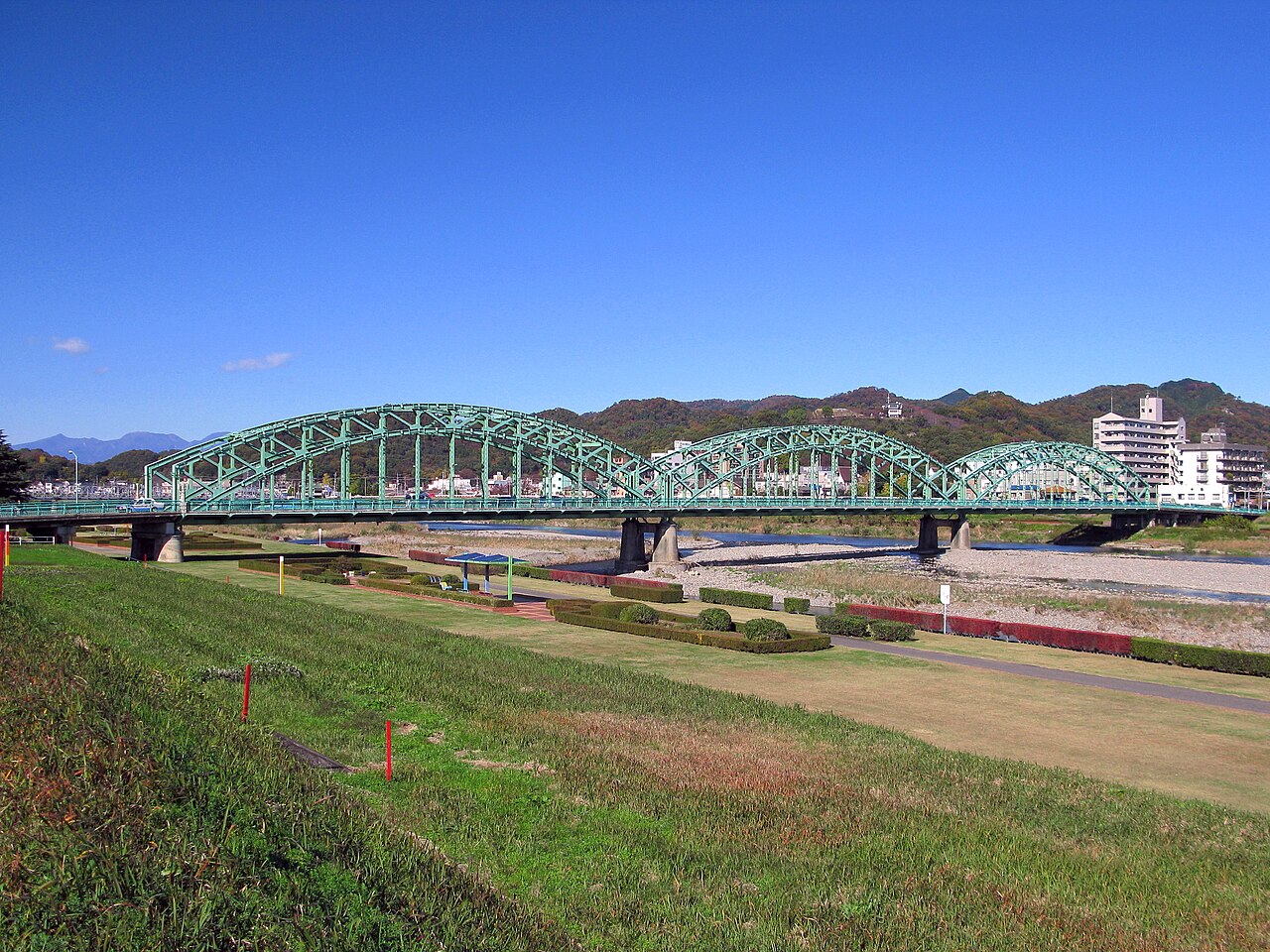
To walk the Sakasagawa is to understand the geography of a Japanese flood-control levee. The path runs along the north bank, elevated 2–3 meters above the stream, offering a bird’s-eye view of both the waterway and the residential backyards that border it.
Geographical Anomalies
The river’s "backward" flow is a rare hydrological curiosity. While most tributaries in the region eventually align with the gravitational pull toward the Watarase River’s southern exit, the Sakasagawa pushes against this flow. This has historically made the stream a point of mild local intrigue, though it functions primarily as a gentle, manageable drainage channel rather than a volatile mountain torrent.
Seasonal Dynamics
The character of the river changes with the Japanese calendar, offering distinct experiences for the observant traveler:
- Spring (Late March – Early April): The cherry blossom canopy is the star. Unlike the crowded parks of Tokyo, this path offers a serene, intimate viewing experience for local families.
- Summer (June – August): The humidity can be stifling, but the evenings offer a magical sight: fireflies emerge in the upper reaches near the Ishibashi-cho district.
- Autumn (October – November): A time for reflection. The zelkova and maple trees provide a vibrant palette of rust and gold, accompanied by the silence of a path rarely traveled by outsiders.
- Winter (December – February): A stark, minimalist beauty. The landscape is bare, the air is crisp, and the path is virtually empty, offering the ultimate solitude for the solo wanderer.
Official Perspectives and Tourism Strategy
The Ashikaga Municipal Tourism Office has been careful to balance the promotion of these walking paths with the preservation of their quiet, local atmosphere.
The "Slow Tourism" Philosophy
City officials describe the Sakasagawa course as "complementary infrastructure." The strategy is not to drive thousands of visitors to the riverbank—which would destroy its tranquil charm—but to provide a meaningful extension for those already visiting the primary sites like the Ashikaga School.
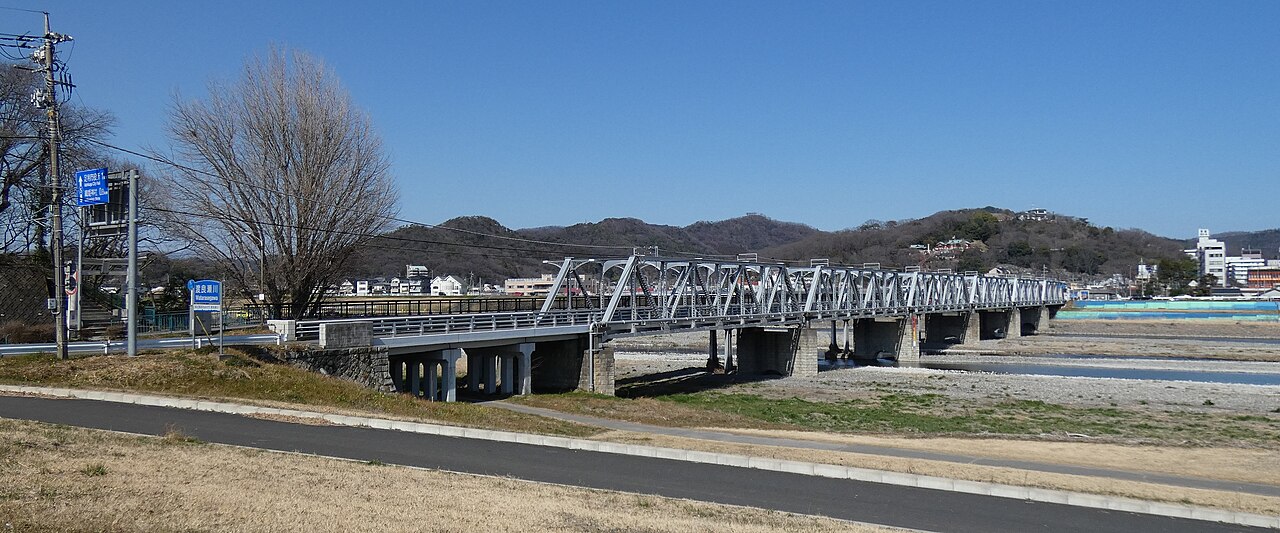
"Our goal is to deepen the visitor’s stay," a municipal representative noted. By encouraging tourists to walk from the city center to the outskirts via the Sakasagawa, the city hopes to distribute the economic benefits of tourism into the residential districts that are usually ignored by tour bus itineraries.
Accessibility and Infrastructure
The city’s Department of Public Works maintains the levee as a flood-control zone, meaning that while it is perfectly safe for walkers, it is intentionally kept devoid of commercial infrastructure. There are no kiosks, vending machines, or restrooms along the four-kilometer stretch. This is a deliberate choice: by keeping the path "raw," the city ensures that the environment remains a genuine neighborhood space rather than a manufactured tourist attraction.
Implications: The Search for "Real Japan"
What does the existence of a path like the Sakasagawa tell us about the current state of Japanese tourism? It speaks to a growing segment of the travel market—the "completionist" or "experiential" traveler—who is tired of the cookie-cutter itinerary.

The Contrast to Major Destinations
When compared to the Watarase River—which is broader, more developed, and frequently used for major city events—the Sakasagawa is an intimate, private experience. For the solo photographer, the writer, or the weary traveler looking for an escape from the "over-tourism" narrative, this path provides a vital service. It allows the visitor to see Japanese life as it actually happens: school children riding bikes, residents walking their dogs, and the quiet rhythm of a working-class city.
Practical Advice for the Modern Wanderer
For those planning to visit, the following considerations are essential:
- Preparation is Key: Because there are no facilities, one must stock up on water and snacks near Ashikaga Station. The "Conbini" (convenience store) is your best friend.
- Footwear Matters: This is not a paved city sidewalk. The surface is compacted gravel and grass. Ankle-high, sturdy walking shoes are highly recommended, especially if there has been recent rainfall.
- Timing the Trip: To get the most out of the experience, combine it with a visit to the Orihime Shrine or the Ashikaga Textile Tradition House. A half-day walk on the Sakasagawa, followed by a local soba noodle lunch in the city center, constitutes a perfectly balanced day.
- Respecting the Space: Remember that this is not a park; it is a residential neighborhood. Keep noise to a minimum and follow all local leash laws for pets.
Final Verdict
Is the Sakasagawa worth your time? If you are a casual visitor with only a few hours in Tochigi, perhaps not—the Banna-ji temple and the Flower Park hold more immediate, visual rewards. However, if you are looking to peel back the curtain of Japanese life and walk a path that remains largely untouched by global tourism, the Sakasagawa is an unparalleled gem. It is a reminder that in Japan, the most profound experiences are often found not at the destination, but in the quiet, backward-flowing moments along the way.











